1. ArchDaily
  2. equity

equity: The Latest Architecture and News

Designing for All: Exploring Empathy, Inclusivity, Accessibility and Spatial Equity in Architecture

The concept of inclusive architecture has gained prominence as the built environment evolves to reflect and address the diverse needs of humanity. This approach prioritizes empathy, accessibility, and equity, striving to create spaces that resonate with individuals across a spectrum of demographics, abilities, and cultural contexts. It moves beyond merely meeting accessibility standards or incorporating universal design elements; instead, it embodies a paradigm shift that humanizes architecture and aligns it with fundamental social values. Through this lens, inclusive architecture fosters connections, embraces diversity, and ensures that physical spaces contribute to collective well-being.

This article explores four interrelated themes — Empathy, Inclusive Architecture, and Spatial Equity and Accessibility— through selected articles published in 2024. Together, these themes reveal how architecture can respond to societal challenges and aspirations, illustrating its potential as a catalyst for social change. From designing for emotional connection to addressing spatial inequalities, the lessons of 2024 emphasize the responsibility of architects to create spaces that transcend functionality, champion inclusivity at every scale, and foster environments where everyone feels seen, valued, and empowered.

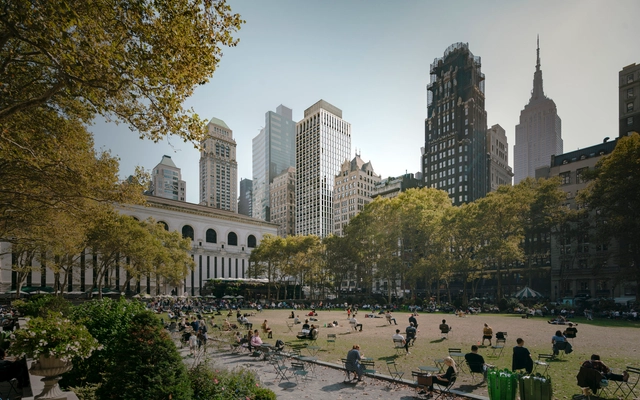
Designing for All: Exploring Empathy, Inclusivity, Accessibility and Spatial Equity in Architecture - Image 1 of 4Designing for All: Exploring Empathy, Inclusivity, Accessibility and Spatial Equity in Architecture - Image 2 of 4Designing for All: Exploring Empathy, Inclusivity, Accessibility and Spatial Equity in Architecture - Image 3 of 4Designing for All: Exploring Empathy, Inclusivity, Accessibility and Spatial Equity in Architecture - Image 4 of 4Designing for All: Exploring Empathy, Inclusivity, Accessibility and Spatial Equity in Architecture - More Images+ 11

Advancements in Gender Equity and Racial Diversity in Architecture: 2024 NCARB Numbers Report Findings

The National Council of Architectural Registration Boards (NCARB) released the 2024 edition of its “NCARB By The Numbers” report, an annual survey of the state of licensure in the United States. The numbers offer an overview of the architectural profession, showing the demographics of candidates pursuing architecture licensure. While the advancements in gender equity and racial diversity have been gradual, they highlight a positive trend supported by initiatives to make licensure more accessible to a diverse demographic, in hopes of promoting a more representative architectural community.

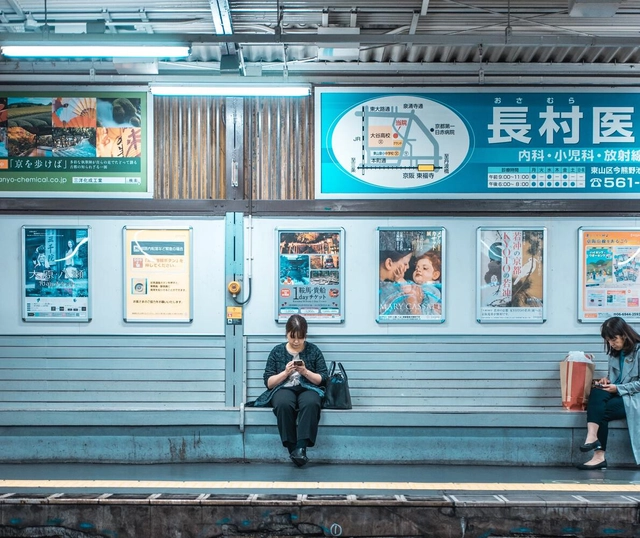
Advancements in Gender Equity and Racial Diversity in Architecture: 2024 NCARB Numbers Report Findings - Image 1 of 4Advancements in Gender Equity and Racial Diversity in Architecture: 2024 NCARB Numbers Report Findings - Image 2 of 4Advancements in Gender Equity and Racial Diversity in Architecture: 2024 NCARB Numbers Report Findings - Image 3 of 4Advancements in Gender Equity and Racial Diversity in Architecture: 2024 NCARB Numbers Report Findings - Image 4 of 4Advancements in Gender Equity and Racial Diversity in Architecture: 2024 NCARB Numbers Report Findings - More Images+ 7

Interview with Charu Kokate of Safdie Architects: Designing for Community

Subscriber Access | 

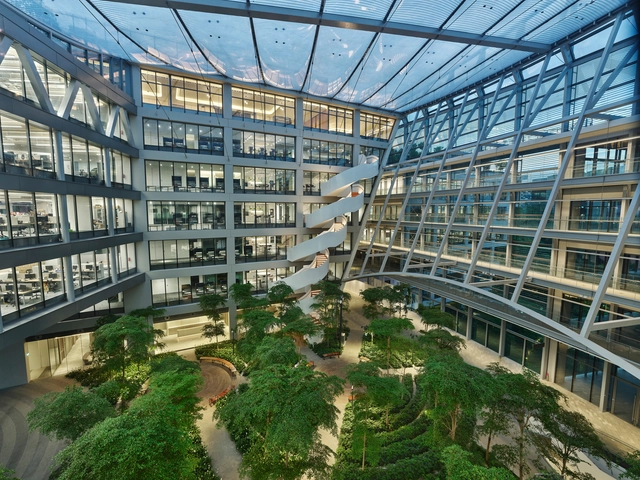
Safdie Architects has officially opened the new campus headquarters for Surbana Jurong, Singapore’s leading architecture, urban design, and infrastructure firm. The project expands Safdie Architects’ vision of 'for everyone a garden' into the workplace with a design that draws on the tranquility of the site’s previously undeveloped natural setting to foster shared moments of engagement and creativity. Achieving Green Mark (Super Low Energy) certification, the campus is the flagship development of the emerging Jurong Innovation District, envisioned as the first business park set in a tropical rainforest.

The development marks Safdie Architects' sixth project in Singapore and enhances the firm's prominent built portfolio in the city-state, which already includes Marina Bay Sands, Sky Habitat, and the Jewel at Changi Airport. On the occasion of the opening, ArchDaily spoke to Charu Kokate, Partner at Safdie Architects, who leads efforts in the Singapore region, about the firm's unique development footprint and building philosophy.

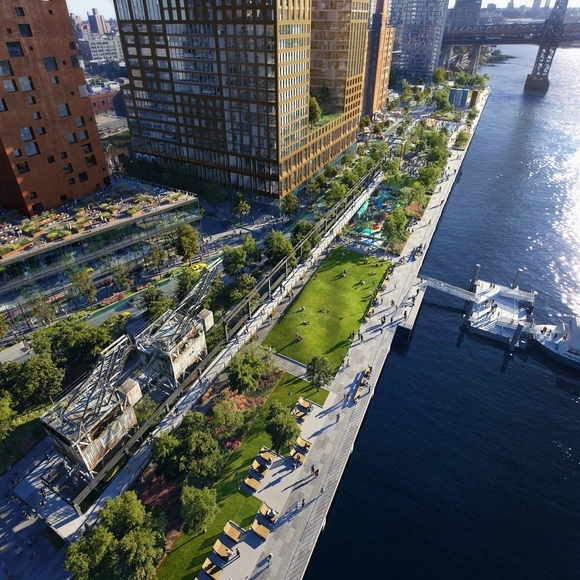
Interview with Charu Kokate of Safdie Architects: Designing for Community - Image 1 of 4Interview with Charu Kokate of Safdie Architects: Designing for Community - Image 2 of 4Interview with Charu Kokate of Safdie Architects: Designing for Community - Image 3 of 4Interview with Charu Kokate of Safdie Architects: Designing for Community - Image 4 of 4Interview with Charu Kokate of Safdie Architects: Designing for Community - More Images+ 2

“Champion of Equity and Inclusion” Lesley Lokko Receives the 2024 RIBA Royal Gold Medal

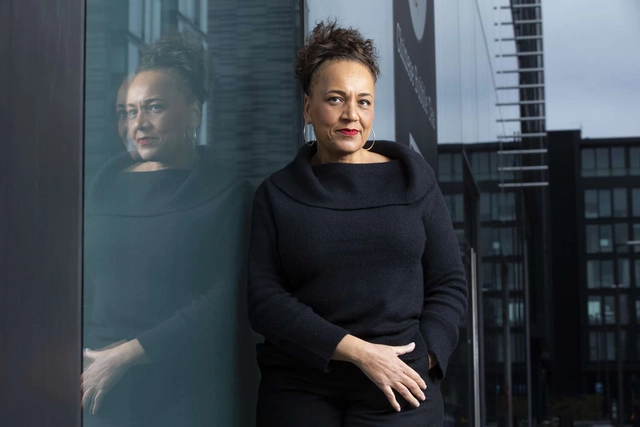
Ghanaian-Scottish architect, academic, and curator Lesley Lokko has been announced as the recipient of the 2024 Royal Gold Medal by the Royal Institute of British Architects (RIBA), becoming the first African woman to receive the award. Lokko is not a practicing architect, but as a teacher, writer, and curator she has fought to widen access to the profession and to bring forward voices that have been disregarded for far too long. As the curator of the 2023 Venice Architecture Biennale, she has shifted the focus to Africa and its diaspora, exploring the complex themes of decolonization and decarbonization. For all her contributions to the profession, Lesley Lokko will be formally presented with the medal in May 2024 by Muyiwa Oki, RIBA’s first black president.
“Champion of Equity and Inclusion” Lesley Lokko Receives the 2024 RIBA Royal Gold Medal - Image 1 of 4“Champion of Equity and Inclusion” Lesley Lokko Receives the 2024 RIBA Royal Gold Medal - Image 2 of 4“Champion of Equity and Inclusion” Lesley Lokko Receives the 2024 RIBA Royal Gold Medal - Image 3 of 4“Champion of Equity and Inclusion” Lesley Lokko Receives the 2024 RIBA Royal Gold Medal - Image 4 of 4“Champion of Equity and Inclusion” Lesley Lokko Receives the 2024 RIBA Royal Gold Medal - More Images

Studio Gang Breaks Ground on the Shirley Chisholm Recreational Center in New York City

New York City Mayor Eric Adams, along with the New York City Department of Design and Construction, has announced the breaking ground on the construction of the Studio Gang-designed Shirley Chisholm Recreation Center. Located at the Nostrand Playground in East Flatbush, Brooklyn, the center aims to bring new amenities to the residents of East Flatbush while honoring the history and heritage of the community. The new center is named after Brooklyn-born politician Shirley Chisholm, the first African American woman to serve in Congress and the first woman and African American to seek the nomination for president of the United States.

The Second Studio Podcast: Preparing Students for Their Careers and Global Challenges

The Second Studio (formerly The Midnight Charette) is an explicit podcast about design, architecture, and the everyday. Hosted by Architects David Lee and Marina Bourderonnet, it features different creative professionals in unscripted conversations that allow for thoughtful takes and personal discussions.

A variety of subjects are covered with honesty and humor: some episodes are interviews, while others are tips for fellow designers, reviews of buildings and other projects, or casual explorations of everyday life and design. The Second Studio is also available on iTunes, Spotify, and YouTube.

This week David and Marina have a discussion about how schools can better prepare students for their careers and to tackle issues of equity, social justice, and climate change. The questions are from EQiA’s (Equity in Architecture) 2023 Forum panel which took place in Georgia Institute of Technology. The EQiA is a student organization at the Georgia Institute of Technology, College of Design. It is dedicated to unity and equity in architecture.

Vice President Harris Makes the Case for Nature-based Solutions

This Earth Day, U.S. Vice President Kamala Harris highlighted the many benefits of nature-based solutions and recognized the important role of landscape architects in this work. At the University of Miami, she also announced $562 million in funding for coastal resilience projects, supporting 149 projects in 30 states, through the Climate-Ready Coasts Initiative of the National Oceanic and Atmospheric Administration (NOAA). Vice President Harris’ remarks build on the Biden-Harris administration’s support for planning and designing with ecological systems in an equitable way.

Vice President Harris Makes the Case for Nature-based Solutions - Image 1 of 4Vice President Harris Makes the Case for Nature-based Solutions - Image 2 of 4Vice President Harris Makes the Case for Nature-based Solutions - Image 3 of 4Vice President Harris Makes the Case for Nature-based Solutions - Image 4 of 4Vice President Harris Makes the Case for Nature-based Solutions - More Images+ 1

World Population Milestone: Global Community Reaches 8 Billion People

According to the World Population Clock, the human population reached 8 billion on November 15th. According to the UN, this milestone represents a celebration of human longevity due to improvements in public health and medicine, but it also comes with warnings about inequality, limited access to food and resources, and environmental damage. Despite the impressive number, the annual World Population Prospect report shows that the global population is growing at the slowest rate since 1950, and it predicts a continued deceleration in the second half of this century.

As more than half of the world population lives in cities, an estimated 55.7%, according to UN-Habitat’s latest reports, the urban challenges are growing exponentially. The UN expects this number to increase to 68% by 2050, with close to 90% of this increase taking place in Asia and Africa. Accelerated urbanization can pose significant risks, such as increasing inequality, poverty, sectorized development, social exclusion, and pollution. In this context, a well-balanced urban agenda becomes crucially important in achieving inclusive, safe, and sustainable cities.

World Population Milestone: Global Community Reaches 8 Billion People - Image 1 of 4World Population Milestone: Global Community Reaches 8 Billion People - Image 2 of 4World Population Milestone: Global Community Reaches 8 Billion People - Image 3 of 4World Population Milestone: Global Community Reaches 8 Billion People - Image 4 of 4World Population Milestone: Global Community Reaches 8 Billion People - More Images+ 6

A New Digital Tool Allows Users to Investigate Spatial Equity across New York City’s Communities

The Transportation Alternatives and the Massachusetts Institute of Technology have initiated a new digital tool, Spatial Equity NYC, to help users understand how space is distributed and restricted across the neighborhoods of New York City. The tool asses the use of streets, sidewalks, and public spaces, as they are key factors that influence data such as pollution, traffic fatalities, accessibility, or air quality. The data collected shows a direct correlation between neighborhoods with low-income communities and communities of color and the detrimental ways in which public space is used, leading to health and mobility issues in those communities.

A New Digital Tool Allows Users to Investigate Spatial Equity across New York City’s Communities - Image 1 of 4A New Digital Tool Allows Users to Investigate Spatial Equity across New York City’s Communities - Image 2 of 4A New Digital Tool Allows Users to Investigate Spatial Equity across New York City’s Communities - Image 3 of 4A New Digital Tool Allows Users to Investigate Spatial Equity across New York City’s Communities - Image 4 of 4A New Digital Tool Allows Users to Investigate Spatial Equity across New York City’s Communities - More Images+ 4

Redesigning Cities for Women

Have you ever thought that practically all the cities in the world, since the dawn of humanity, were and continue to be created and designed by men? From urban design to building projects, from public transport to chairs – women have not been part of the process of creating everything around us.

Redesigning Cities for Women - Image 1 of 4Redesigning Cities for Women - Image 2 of 4Redesigning Cities for Women - Image 3 of 4Redesigning Cities for Women - Image 4 of 4Redesigning Cities for Women - More Images

How Design Can Help Ensure All Communities Benefit From Climate Adaptation

This article was originally published on Common Edge.

The urgency to reduce greenhouse gas emissions has never been greater, and getting there is going to require bold steps for buildings, infrastructure, and communities. Incremental reductions are not enough; we need to focus on full decarbonization, which means removing carbon emissions caused by our built environment. 

These big changes in the way energy is generated and used will raise important questions about who benefits and who pays. Technology-focused incentive programs can wind up leaving our most vulnerable communities behind, exacerbating a legacy of underinvestment and health disparities, while also failing to reach the essential goals of a complete energy transition. Instead, we need holistic solutions that put disadvantaged communities first and transition buildings that would otherwise be left out, leading to bottom-up market transformation that benefits everyone. 

How Design Can Help Ensure All Communities Benefit From Climate Adaptation - Image 1 of 4How Design Can Help Ensure All Communities Benefit From Climate Adaptation - Image 2 of 4How Design Can Help Ensure All Communities Benefit From Climate Adaptation - Image 3 of 4How Design Can Help Ensure All Communities Benefit From Climate Adaptation - Featured ImageHow Design Can Help Ensure All Communities Benefit From Climate Adaptation - More Images

How Private Equity Is Making the Housing Crisis Even Worse

This article was originally published on Common Edge.

America’s housing crisis is a longstanding problem. But recent reports of private hedge funds buying up detached houses and townhouses is likely to make an already difficult situation even worse. When hedge funds purchase such properties, those homes are not likely to come back on the real estate market. They are gone for now—and probably for the long term.