

This guide explains how to structure multi-image prompts in the RunDifussion platform. Explore RunDifussion's product catalog.
News
How to Prompt and Annotate Multiple Images with AI
| Sponsored Content
https://www.archdaily.comhttps://www.archdaily.com/catalog/us/products/38860/how-to-prompt-and-annotate-multiple-images-with-ai-rundiffusion
MASS: A Non-Profit Model for Architecture in Service of Society

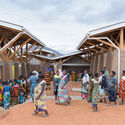
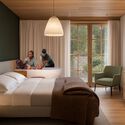
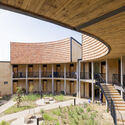
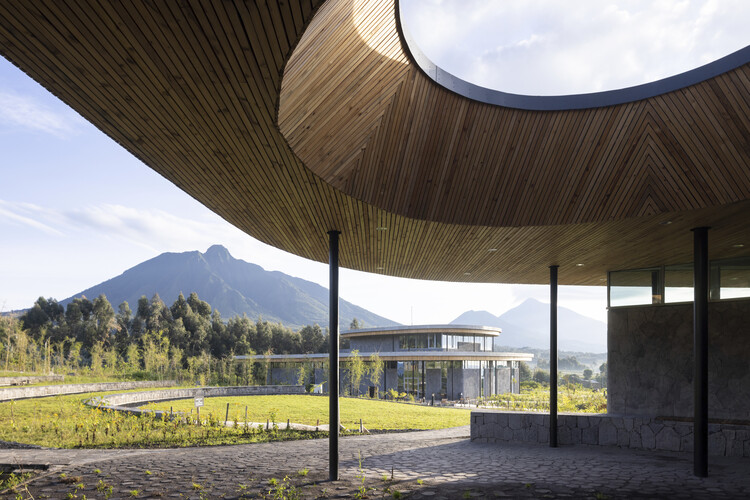
At the time of writing, an article by Martyn Evans asked 'Is Architecture in Crisis?' In the same year, Reinier de Graaf published the book 'Architecture Against Architecture,' where he set out fourteen problems with the profession and discipline. The question of a crisis in architecture is a perennial one. Referring to architecture as a profession, it rears its head especially when economic downturns are expected or in full swing. Simultaneously, there are ongoing questions regarding the effectiveness of architecture at dealing with the pressing matters of the globe and society—housing, climate change, and human development. One venture that attempts to address these questions is MASS, established in Rwanda not long after the 2008 financial crisis. The clue is in the name, which stands for Model of Architecture Serving Society. MASS was created as a different way of practicing architecture.

https://www.archdaily.com/1041595/mass-a-non-profit-model-for-architecture-in-service-of-societyMohieldin Gamal
How the Christo and Jeanne-Claude Center is Breathing New Life into Gabrovo’s Cultural Identity
| In Collaboration

Large factories are being transformed into museums, former administrative buildings are becoming co-working spaces, and even churches are being converted into homes. In this century, the rise of adaptive reuse in cities reflects a growing interest in preserving the memory and identity of historic structures. At the same time, it introduces a contemporary perspective that responds to the urgent needs of today's urban landscape.
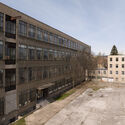
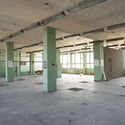
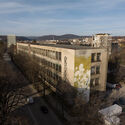
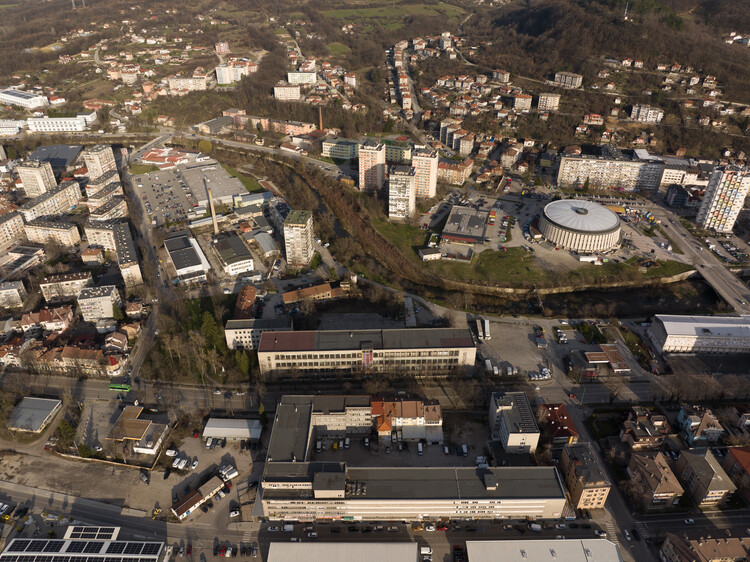
In Gabrovo, Bulgaria, the Municipality invites architects to design the Christo and Jeanne-Claude Center for Contemporary Art by transforming, adapting, and upgrading the former Textile Technical School and its adjacent site. EU co-financing, a disclosed budget, a designated jury, and a two-phase structure frame this competition, reflecting the spirit of Christo and Jeanne-Claude's artistic practice: bold, accessible artistic creation. More than a commission for a cultural building, it calls for a design response that understands the specific character of their work, adding a curatorial dimension to what might otherwise be a straightforward adaptive reuse project.

https://www.archdaily.com/1041561/how-the-christo-and-jeanne-claude-center-is-breathing-new-life-into-gabrovos-cultural-identityAgustina Iñiguez
World Urban Forum 13 Concludes in Baku with Focus on Housing, Resilience, and Urban Inclusion

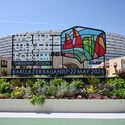
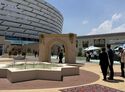
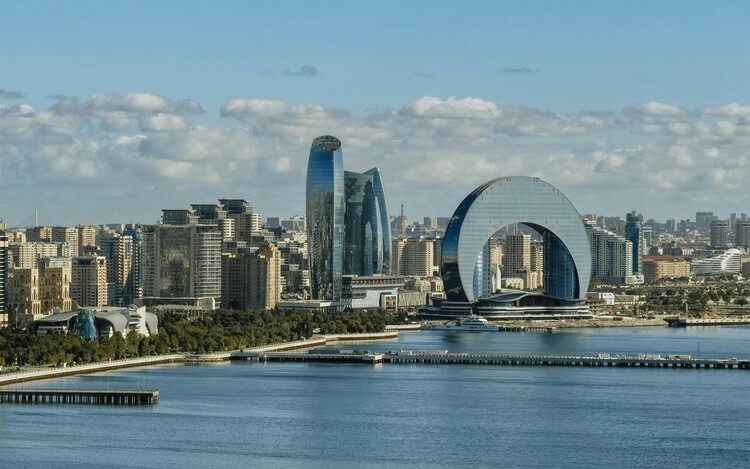
The thirteenth session of the World Urban Forum (WUF13) concludes today, May 22, in Baku, Azerbaijan, after six days of discussions, exhibitions, and international exchanges centered on the theme "Housing the World: Safe and Resilient Cities and Communities." Co-organized by UN-Habitat and the Government of Azerbaijan, the forum marked the first time the event was held in the Caucasus region, bringing together policymakers, architects, urban planners, academics, and civil society representatives from around the world.

https://www.archdaily.com/1041760/world-urban-forum-13-concludes-in-baku-with-focus-on-housing-resilience-and-urban-inclusionReyyan Dogan
Street Artist JR Installs an Inflatable Cave on Paris' Pont Neuf in Tribute to Christo and Jeanne-Claude

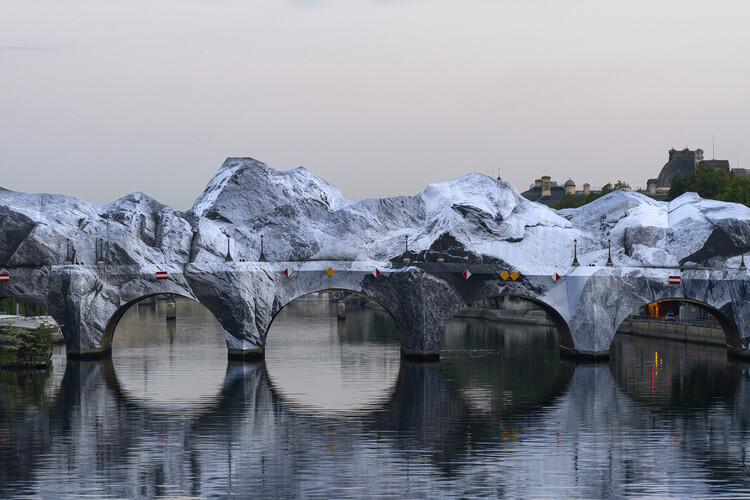
On May 21st, a realistic cave took shape on Paris' Pont Neuf, the oldest standing bridge across the Seine. The inflatable artwork was designed and built by French photographer and street artist JR, along with an extensive multidisciplinary team. La Caverne du Pont Neuf was conceived in honor of Christo and Jeanne-Claude's 1985 work The Pont Neuf Wrapped, an environmental artwork in which the artists wrapped the historic bridge in sandstone-colored fabric for two weeks. The structure creates a trompe-l'œil effect that mimics a textured rock formation through photographic printing in tones of white, black, and gray. The shape of the exterior already gives the public the optical illusion of the artwork, while paving the way for the final stage of the interior design.




https://www.archdaily.com/1041756/street-artist-jr-installs-an-inflatable-cave-on-paris-pont-neuf-in-tribute-to-christo-and-jeanne-claudeAntonia Piñeiro
Building Autonomy: Latin American Communities Bringing Life’s Systems Into Architecture

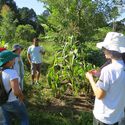
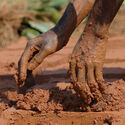
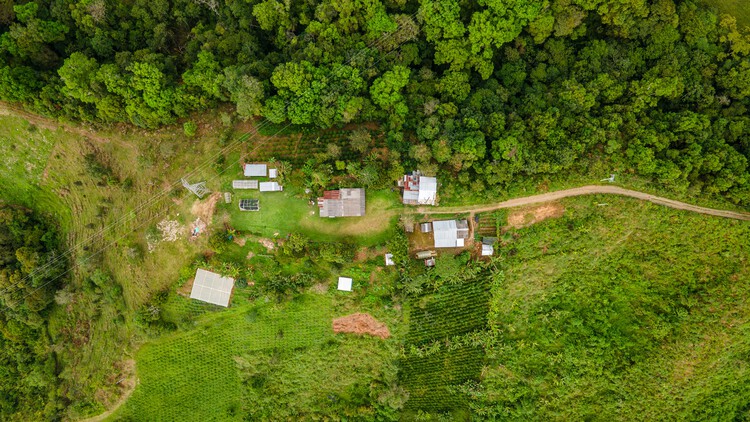
Before a building can be inhabited, many other things need to happen. Water has to arrive, energy has to be generated, food has to be grown or transported, and waste has to go somewhere. These processes are usually treated as something outside architecture, even though they shape the most basic conditions of everyday life.
This is why the idea of self-sufficient communities is more complex than it first appears. It can suggest a place that provides more of what it needs: energy, water, food, shelter, and waste management. Yet, in many Latin American contexts, autonomy is not a complete separation from the world. It is a way of bringing the systems of daily life closer to the people who use, maintain, and care for them.


https://www.archdaily.com/1041578/building-autonomy-latin-american-communities-bringing-lifes-systems-into-architectureDaniela Andino
Inhabited Landscapes: 22 Cultural and Community Centers in Rural Areas
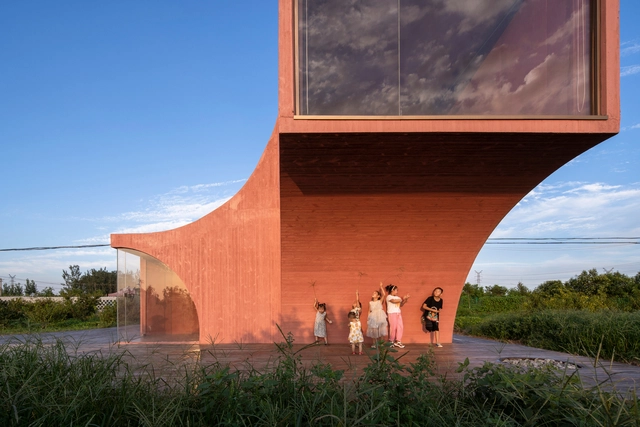
The architecture of cultural and community centers in rural areas around the world has become a rich field for experimentation, where tradition and innovation intersect. Rather than replicating standardized urban models, these projects embrace contemporary approaches tailored to local realities, blending bold design, sustainable technologies, and collaborative processes. Often developed in close partnership with local communities, they draw on regional materials and cultural symbols to create spaces that do more than host activities: they express a collective identity and a profound sense of belonging. By reimagining vernacular knowledge through a modern lens, these buildings support and inspire new ways of living in the countryside.


https://www.archdaily.com/1029733/inhabited-landscapes-20-cultural-and-community-centers-in-rural-areasCamilla Ghisleni
Venice Biennale 2027's "Do Architecture" and an Earth-Built Cinema in Ghana: This Week’s Review

This week's stories reveal a growing focus on reconnecting design with physical reality, whether through construction, landscape, public space, or collective participation. From the curatorial direction of the upcoming Venice Architecture Biennale 2027 to internationally recognized projects addressing flood resilience, affordable housing, and ecological restoration, many of the week's discussions challenged architecture's increasing detachment from material, environmental, and social conditions. At the same time, major cultural interventions, temporary structures, and public forums explored how institutions and civic spaces can become more accessible, adaptable, and engaged with everyday urban life.
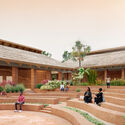
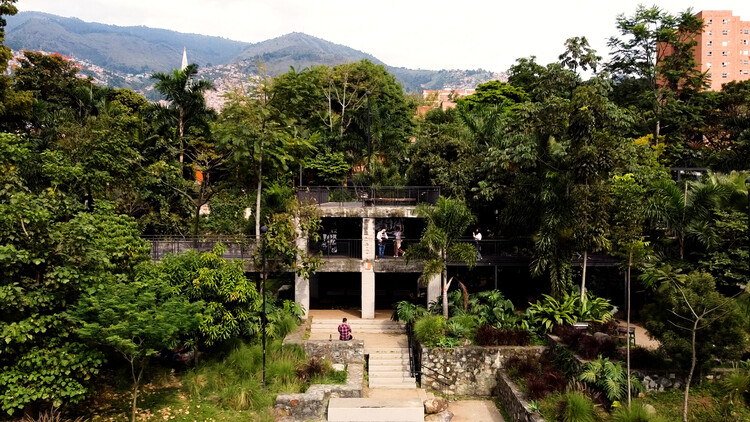
https://www.archdaily.com/1041723/venice-biennale-2027-s-do-architecture-and-an-earth-built-cinema-in-ghana-this-weeks-reviewReyyan Dogan
Making a Characterful Entrance: The Architectural Impact of Wooden Bi-Folding Doors
| Sponsored Content

Bi-folding doors flood a room with light, offering the spatial flexibility to establish a dialogue with the surroundings. The Woodline series by Solarlux integrates manufacturing quality and technical expertise with architectural freedom, providing transparent facade solutions for versatile, sustainable architecture. The natural surfaces further enhance the building envelope with a distinct tactile quality.
https://www.archdaily.com/1041525/making-a-characterful-entrance-the-architectural-impact-of-wooden-bi-folding-doorsRene Submissions
The 2026 Edition of the UIA 2030 Award Honors Built Projects Advancing the UN Sustainable Development Goals

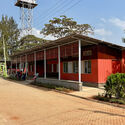
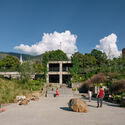
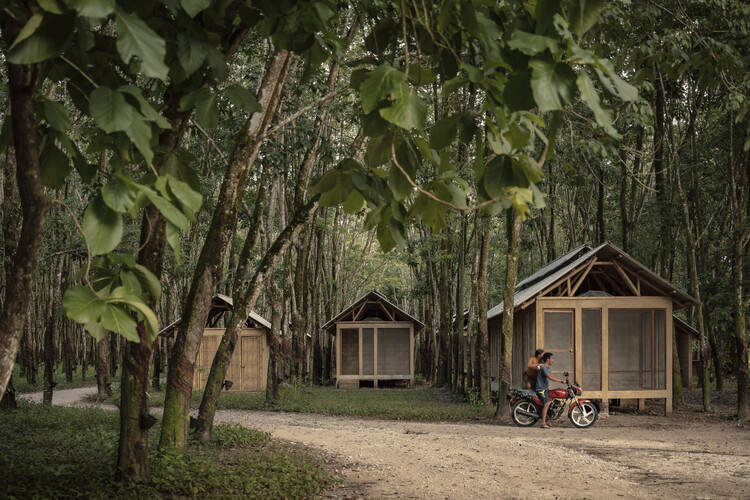
During a ceremony held at the World Urban Forum (WUF) in Baku, Azerbaijan, on May 20, 2026, the International Union of Architects (UIA) and UN-Habitat announced the winners of the third cycle of the UIA 2030 Award. The biennial award recognizes built projects that make meaningful contributions to achieving the United Nations Sustainable Development Goals (SDGs). Architects were invited to submit architecture, landscape, and urban design projects addressing pressing environmental, social, and economic challenges across six categories: sustainable water management, the promotion of safe working environments, adequate and affordable housing, efficient and inclusive planning, access to green and public space, and climate resilience.
The third cycle launched in July 2025, and regional finalists from the UIA's five global regions were announced in January. In the final stage, the jury selected winning, highly commended, and commended projects in each category, recognizing works in China, Bangladesh, India, Thailand, Mexico, Peru, Colombia, Spain, Kenya, Morocco, and the United States.
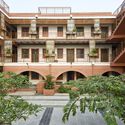
https://www.archdaily.com/1041666/the-2026-edition-of-the-uia-2030-award-honors-built-projects-advancing-the-un-sustainable-development-goalsAntonia Piñeiro
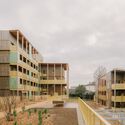
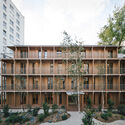
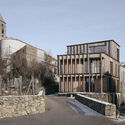
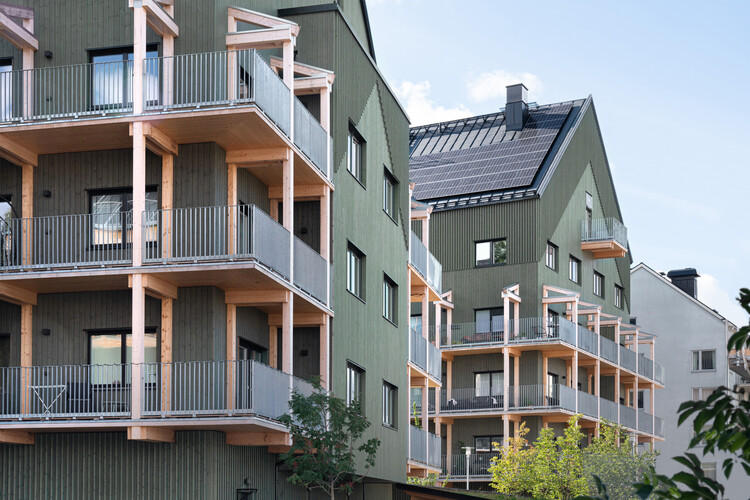
The Technical Reality of Mass Timber Housing: Five European Case Studies

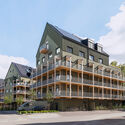
Recent years have seen a shifting paradigm in multi-family residential architecture, as more and more new projects are being built with engineered wood, specifically Cross-Laminated Timber (CLT) and glued-laminated timber (glulam). Because timber is lightweight, these systems can reduce dead load and ease foundation demands, which is especially useful on sites with limited bearing capacity or over existing infrastructure. From a sustainability standpoint, timber can store carbon over the life of the building and often reduces embodied carbon compared with conventional concrete-and-steel systems. In fire design, large timber members can be engineered to char at a predictable rate, allowing the structural core to remain protected for a defined period when detailed appropriately.
https://www.archdaily.com/1041598/the-technical-reality-of-mass-timber-housing-five-european-case-studiesMoises Carrasco
Buildner Reveals Winners of the 6th Annual Last Nuclear Bomb Memorial Competition
| Sponsored Content

Buildner has announced the results of its competition, the Last Nuclear Bomb Memorial No.6. This competition is held each year to support the universal ban on nuclear weapons. In 2017, on the 75th anniversary of the 1945 bombings of Nagasaki and Hiroshima, which claimed the lives of over 100,000 people, the United Nations adopted the Treaty on the Prohibition of Nuclear Weapons.
https://www.archdaily.com/1041457/buildner-reveals-winners-of-the-6th-annual-last-nuclear-bomb-memorial-competitionRene Submissions
Global Design Forum Istanbul Concludes First Edition With City-Wide Programme of Installations and Talks

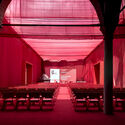
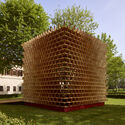
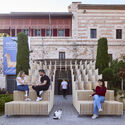
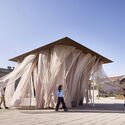
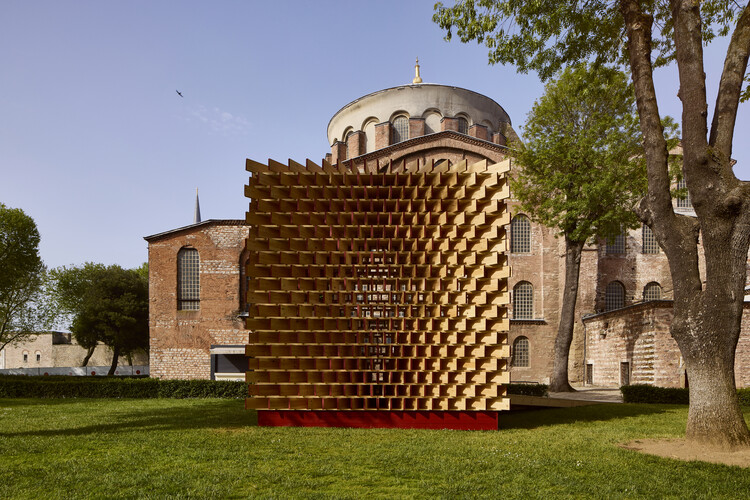
Global Design Forum Istanbul concluded its inaugural edition between May 13 and 16, 2026, bringing together architects, designers, urbanists, and cultural practitioners through a city-wide programme of installations, talks, screenings, and public events. Presented by London Design Festival in collaboration with People Places Ideas, the forum was developed and curated by Artistic Director Melek Zeynep Bulut and Forum Content Advisor Beatrice Galilee. Organized around the theme "Worlds in Contact," the programme featured contributions from figures including Lina Ghotmeh, Marina Tabassum, Liam Young, Tom Dixon, Lesley Lokko, Ma Yansong, Andrew Waugh, and Olaf Grawer, positioning Istanbul as a platform for interdisciplinary discussions on design and the built environment.
https://www.archdaily.com/1041612/global-design-forum-istanbul-concludes-first-edition-with-city-wide-programme-of-installations-and-talksReyyan Dogan
Atelier Bow-Wow and Climate Scientists Honored with 2026 Daylight Award on UNESCO International Day of Light

On UNESCO's International Day of Light, celebrated annually on May 16, the Daylight Award announced its 2026 laureates. Established to support research into the scientific understanding of daylight and its significance for health, well-being, ecosystems, and architectural design, the award recognizes achievements in two categories: Daylight in Architecture and Daylight Research. This year, Japanese architects Momoyo Kaijima and Yoshiharu Tsukamoto of Atelier Bow-Wow were honored for demonstrating how daylight can shape shared spaces and everyday life, while marine biologists Brittany N. Zepernick, Steven W. Wilhelm, and R. Michael McKay of the United States and Canada were recognized for their research on aquatic microorganisms and their implications for planetary health and biodiversity.
https://www.archdaily.com/1041644/atelier-bow-wow-and-climate-scientists-honored-with-2026-daylight-award-on-unesco-international-day-of-lightAntonia Piñeiro
Reconsidering the Shotgun House: Between Preservation, Experimentation, and Displacement

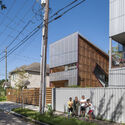
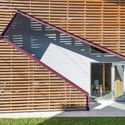
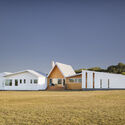
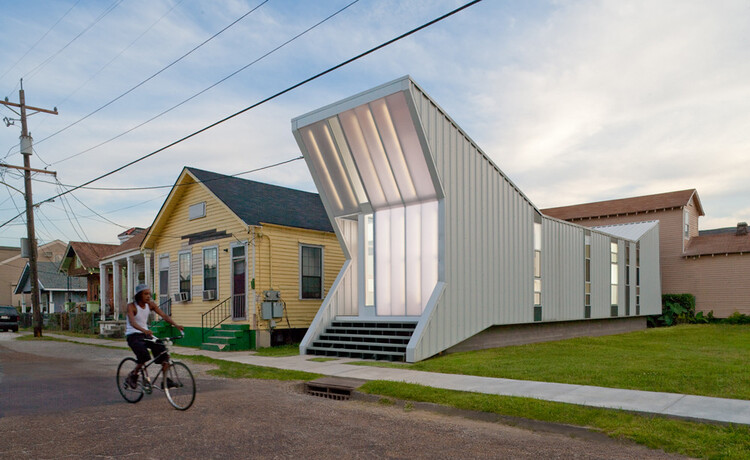
Emerging in port cities and working-class neighborhoods throughout the nineteenth century, the shotgun house became a durable response to density, climate, and constrained urban parcels, becoming one of the defining domestic forms of the Southern United States. Its narrow footprint, sequential plan, and deeply shaded porches produced a spatial logic that was economical and environmentally responsive before either term became central to architectural discourse. From New Orleans and Mobile to Houston and Louisville, shotgun houses formed the physical fabric of neighborhoods shaped by migration, labor, community, and cultural life. Though often dismissed as ordinary, vernacular construction, the housing typology has long embodied sophisticated ideas about climate adaptation, social adjacency, and incremental urban growth, making it one of the most influential domestic forms in the history of the American city.

https://www.archdaily.com/1041562/reconsidering-the-shotgun-house-between-preservation-experimentation-and-displacementOlivia Poston
"Do Architecture": Wang Shu and Lu Wenyu Announce Theme and Title for 2027 Venice Architecture Biennale

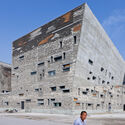
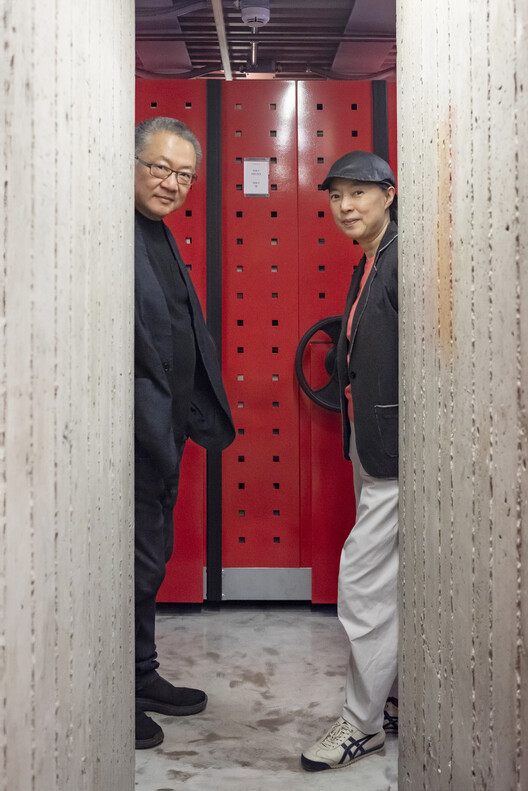
Wang Shu and Lu Wenyu, curators of the 20th International Architecture Exhibition of La Biennale di Venezia, have unveiled the first details of the highly anticipated 2027 edition. Titled "Do Architecture - For the Possibility of Coexistence Facing a Real Reality," the exhibition will take place from May 8 to November 21, 2027, across the Giardini, the Arsenale, and throughout Venice.
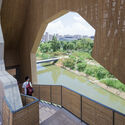
The curatorial direction reflects many of the ideas developed through the work of Amateur Architecture Studio, founded by Wang Shu and Lu Wenyu in 1997. Their projects have consistently explored the reuse of salvaged materials, regional construction techniques, and the continuity between historic and contemporary forms of building. Across both urban and rural contexts, the studio's work often emphasizes craft traditions, collective memory, and the spatial qualities embedded within everyday environments.

https://www.archdaily.com/1041646/do-architecture-wang-shu-and-lu-wenyu-announce-theme-and-title-for-2027-venice-architecture-biennaleReyyan Dogan
Selldorf Architects, STUDIOS Architecture, and BASE Paysagiste Selected to Renovate the Louvre Museum

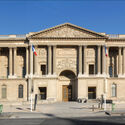
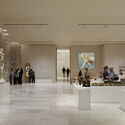
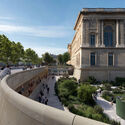
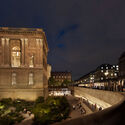
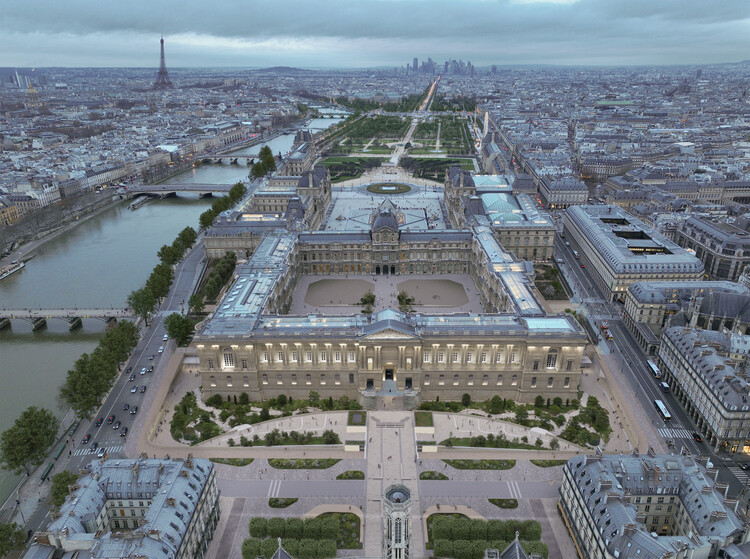
The French Minister of Culture announced on Monday, May 18, 2026, the winner of the "Louvre–Nouvelle Renaissance" competition. The team selected to transform the world-renowned Musée du Louvre is led by STUDIOS Architecture, New York-based Selldorf Architects, and landscape architecture firm BASE Paysagiste. The renovation initiative was announced in January 2025 as a major intervention for the historic complex following concerns expressed by the museum's director regarding its deteriorating condition. The first round of the competition took place in June, with a shortlist of five teams revealed in October. According to French authorities, the project has a dual objective: to repair and transform the building to preserve its collections while updating it to meet contemporary public expectations, including sustainability requirements that will pose significant challenges for the museum in the coming decades.
https://www.archdaily.com/1041630/selldorf-architects-studios-architecture-and-base-paysagiste-selected-to-renovate-the-louvre-museumAntonia Piñeiro
Architecture and Ideology: How Political Systems Shaped 20th-Century Design

Architecture is often presented as the visible expression of its time, its desires, its faith in progress, its idea of order. Yet this reading tends to flatten the conditions under which buildings are produced. It suggests that architecture follows history when, in many cases, it actively participates in it. Few periods make this more evident than the twentieth century, when architecture became deeply entangled with political programs, economic systems, and competing visions of how collective life should be organized.
What is commonly grouped under the label of Modernism is often described as a coherent project, defined by formal clarity, technological optimism, and a break with historical styles. But this apparent coherence dissolves when we look beyond its canonical centres. The same spatial principles (standardization, functional zoning, industrial production) were adopted in political and economic contexts that differed significantly in their structures and objectives. A static movement unfolded as a flexible system continuously reoriented according to the priorities of each regime. What appeared as a shared language was, in practice, a set of tools applied to distinct agendas.
https://www.archdaily.com/1040931/architecture-and-ideology-how-political-systems-shaped-20th-century-designDiogo Borges Ferreira
The Soft Control of Space: Design for Decision-Making

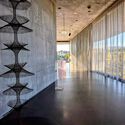
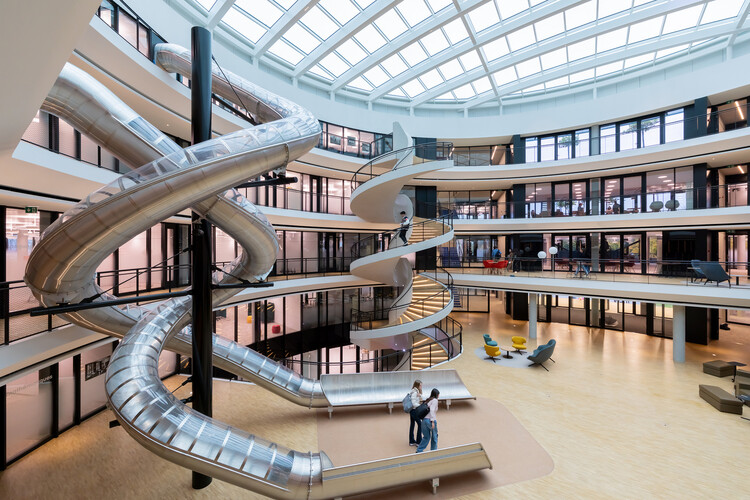
"There is no space without event, no architecture without action." When Bernard Tschumi wrote these words, he was articulating a fundamental principle of the architect's practice. Architecture is about behavior. Every stroke of a pen on a floor plan is a proposition about how occupants will move or what actions become possible.
To draw is to architect a reality. Though with this power, architecture does not command. It does not issue instructions or enforce compliance, but it operates through a soft control — a mode of influence that shapes behavior by structuring perception and guiding attention.

https://www.archdaily.com/1040960/the-soft-control-of-space-design-for-decision-makingAnkitha Gattupalli
LANZA atelier Reveals New Details for the 2026 Serpentine Pavilion

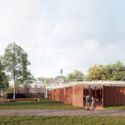
Mexican architecture practice LANZA atelier has unveiled new details for the 2026 Serpentine Pavilion, titled "a serpentine," which will open to the public on 6 June 2026 at Serpentine South. Designed by studio founders Isabel Abascal and Alessandro Arienzo, the project reinterprets the historic serpentine or crinkle-crankle wall through a lightweight brick structure integrated into the landscape of Hyde Park. Marking the 25th edition of the annual commission, the pavilion will remain on view through October 2026 and serve as a venue for Serpentine's public programme of performances, talks, screenings, and community events.




https://www.archdaily.com/1038001/lanza-atelier-selected-to-design-the-2026-serpentine-pavilionReyyan Dogan
Historic Entertainment Venues in Oxford, Valparaíso, and Osaka Reflect Growing Pressures on Cultural Infrastructure

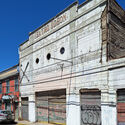
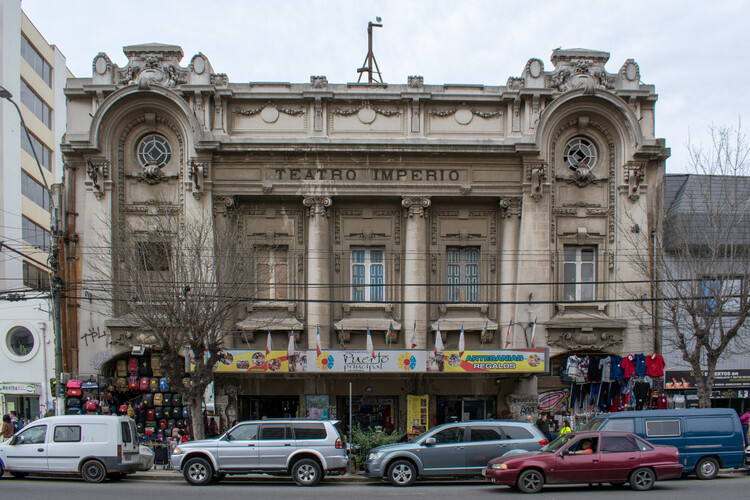
Between 2005 and 2021, French photographers Yves Marchand and Romain Meffre developed a long-term project titled Theaters. Recently exhibited at KYOTOGRAPHIE 2026, the work documents a phenomenon that continues to unfold gradually around the world: the decline of infrastructure originally designed for public entertainment in the early twentieth century. Theaters, cinemas, and performance venues that once accompanied the modernization of cities are increasingly being abandoned, repurposed, or "left suspended as hybrid ruins." This process is often associated with the growing individualization of cultural consumption, from the widespread adoption of television to the rise of the streaming industry, as well as the impact of the COVID-19 pandemic on cultural institutions. Below are three cases located in England, Chile, and Japan that illustrate different stages in this transformation, while also highlighting community-led efforts to preserve modern cultural heritage.


https://www.archdaily.com/1041596/historic-entertainment-venues-in-oxford-valparaiso-and-osaka-reflect-growing-pressures-on-cultural-infrastructureAntonia Piñeiro
Oil, Glass, and Identity: Gulf Modernism Between Global Image and Local Climate

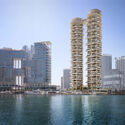
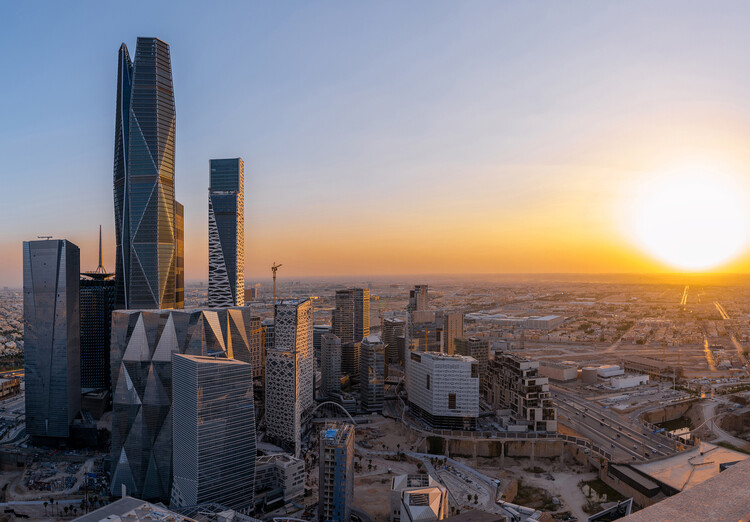
Step from the heat of Dubai into the lobby of a glass tower, and the desert seems to disappear. Outside, temperatures climb past 45 degrees Celsius; inside, the air is cold, sealed, and perfectly controlled. For decades, this contrast became the defining image of Gulf modernity. Architecture became less a negotiation with climate, and more a demonstration that climate could be overcome. Towers of reflective glass rose from the desert as symbols of arrival, projecting financial power, technological confidence, and global ambition. Beneath this urban image sat an infrastructure built on oil, cheap energy, and the continuous mechanical suppression of heat.

https://www.archdaily.com/1041515/oil-glass-and-identity-gulf-modernism-between-global-image-and-local-climateAnanya Nayak
See and Foresee: Architectural Research Across Four Southeastern European Cities
| Sponsored Content

Cities in Southeastern Europe do not wait to be read. They accumulate, layer upon layer of socialist planning, post-socialist disruption, and the quieter, less legible work of citizens remaking space from the ground up. Here, space and legacy insist on their own terms. What happens to architectural research when the cities that we observe already seem to know something our discipline has not yet learned to see?
https://www.archdaily.com/1041132/see-and-foresee-architectural-research-across-four-southeastern-european-citiesMariolina Affatato
From Spanish Presidio to the American Grid: The Hispanic Roots of San Diego’s Urban Core

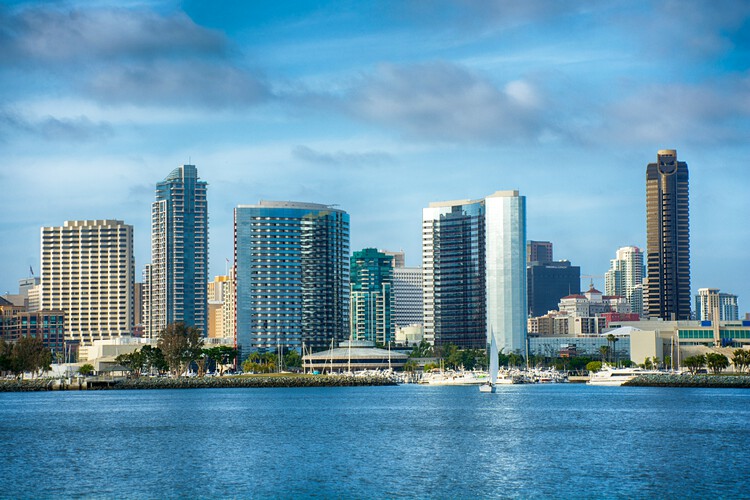
Very close to the Mexican border, in the southwest corner of the United States, lies the city of San Diego. Its urban history began in 1769 with the arrival of a Spanish military expedition commanded by Gaspar de Portola, which marked the first permanent settlement in the territory that was known as Alta California. However, unlike the more formally urbanized administrative capitals and towns of Mexico and Central America, San Diego was conceived as a frontier outpost. Today, it has become the second-largest city in California, just after Los Angeles, and its urban grid tells a story about the Hispanic heritage that is intertwined with the contemporary cultural environment of the United States.



https://www.archdaily.com/1041419/from-spanish-presidio-to-the-american-grid-the-hispanic-roots-of-san-diegos-urban-coreMoises Carrasco
Furniture as Architecture: Micro-Modernisms Inside the Home

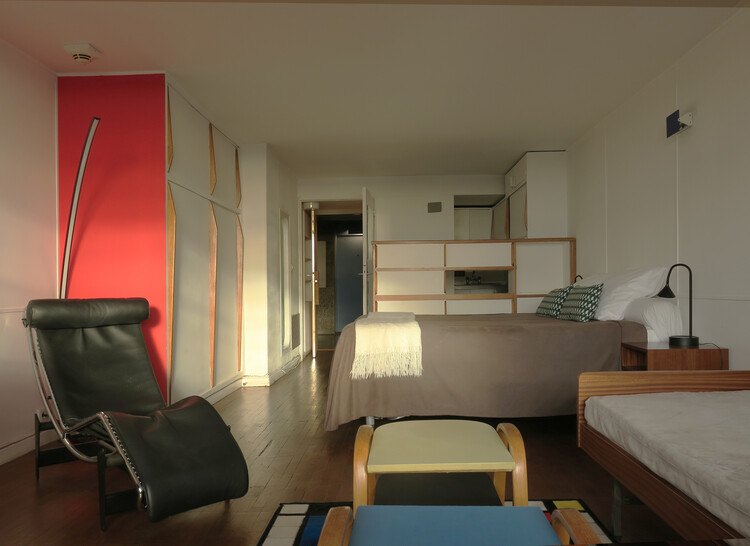
Modernism is often encountered through built form, photographed facades, canonical plans, concrete manifestos. For most people, its first encounter was far more immediate. It was a chair in an office, a shelf in a living room, a compact unit that reorganized how one sat, stored, or slept. Long before modern architecture could be widely commissioned, it was furniture that entered everyday space, carrying with it a new logic of living. Modernism's promise of transforming life was often delivered through these smaller, repeatable objects.
To understand this shift, furniture has to be read as a condensed form of architecture rather than decoration. Early twentieth-century designers treated it precisely this way. Le Corbusier described furniture as équipement de l'habitation (equipment of living), placing it within the operational system of the building rather than outside it. Similarly, the Bauhaus approached chairs and tables as industrial prototypes, embedding principles of standardization, efficiency, and mass production into their design. As architectural historian Beatriz Colomina has argued, modern architecture did not circulate only through buildings, but through media and objects that translated its ideas into everyday life. Furniture became architecture in miniature: portable, reproducible, and capable of reorganizing space without reconstructing it.



https://www.archdaily.com/1041170/furniture-as-architecture-micro-modernisms-inside-the-homeAnanya Nayak