This week's stories reveal a growing focus on reconnecting design with physical reality, whether through construction, landscape, public space, or collective participation. From the curatorial direction of the upcoming Venice Architecture Biennale 2027 to internationally recognized projects addressing flood resilience, affordable housing, and ecological restoration, many of the week's discussions challenged architecture's increasing detachment from material, environmental, and social conditions. At the same time, major cultural interventions, temporary structures, and public forums explored how institutions and civic spaces can become more accessible, adaptable, and engaged with everyday urban life.
Architecture Between Coexistence, Ecology, and Collective Responsibility
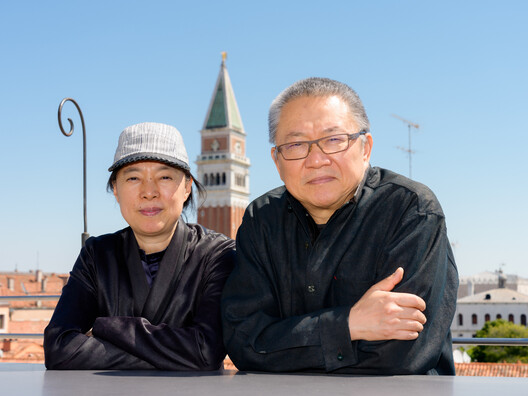
The announcement of the Venice Architecture Biennale 2027 theme with additional details set the tone for many of this week's broader architectural conversations around coexistence, environmental responsibility, and the social role of design. Curated by Wang Shu and Lu Wenyu under the title "Do Architecture – For the Possibility of Coexistence Facing a Real Reality," the exhibition proposes architecture as a direct and material practice rooted in local construction cultures, reuse, craft, and engagement with lived reality. Critiquing the growing homogenization and abstraction of contemporary architecture, the curators advocate for approaches capable of reconciling environmental, cultural, and technological tensions through the building itself.
Related Article
Historic Entertainment Venues in Oxford, Valparaíso, and Osaka Reflect Growing Pressures on Cultural Infrastructure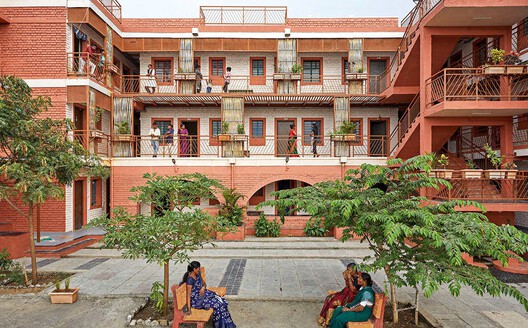
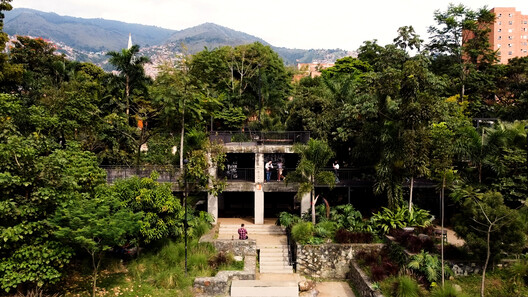
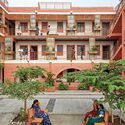
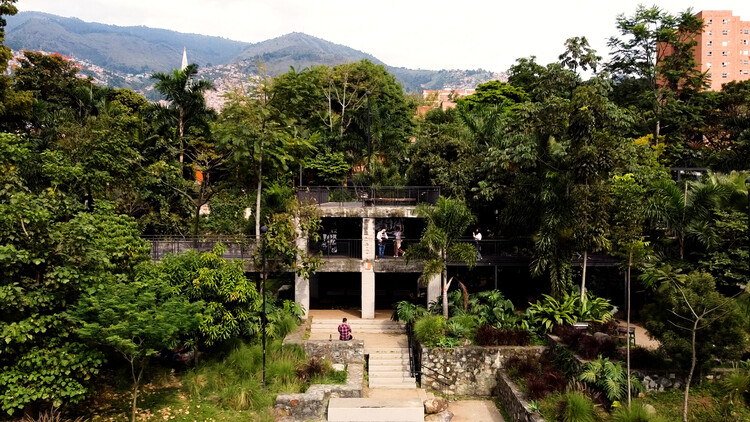
Similar concerns emerged during the World Urban Forum 2026, where the International Union of Architects and UN-Habitat announced the winners of the UIA 2030 Award. The awarded and commended projects addressed a wide range of environmental and social challenges, from ecological restoration and flood resilience to affordable housing, participatory planning, and public health infrastructure. Among the recognized works were Meishe River Restoration and Fish Tail Park in China, Sanjaynagar Slum Redevelopment in India, temporary housing projects in Mexico, Kounkuey Design Initiative's work in Kenya, and Parque Prado in Colombia. Additional projects explored wastewater management in Thailand, community renewal within Beijing's hutongs, resilient flooding parks in Spain, public gardens in Palestine, adaptive urban landscapes in Brazil and Sweden, and redevelopment initiatives across Peru, Bangladesh, Morocco, Uruguay, and the United States.
Cultural Institutions, Public Space, and Architecture as Civic Experience
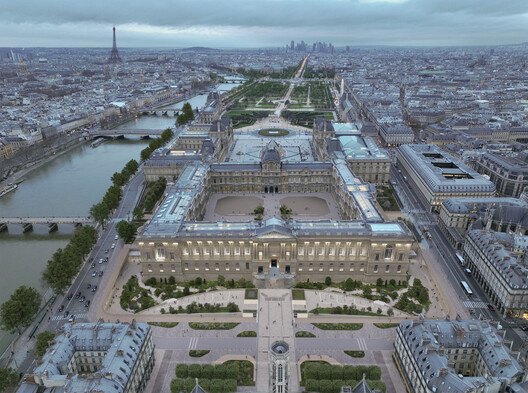
This week's major cultural and public projects also demonstrated how architecture is increasingly redefining relationships between institutions, landscapes, and everyday urban life. In Paris, Selldorf Architects, STUDIOS Architecture, and BASE Paysagiste were selected to lead the transformation of the Musée du Louvre through the "Louvre–Nouvelle Renaissance" competition. The proposal reorganizes the museum's eastern edge through new entrances, circulation systems, underground exhibition connections, and expanded landscaped public space while balancing accessibility, sustainability, and heritage preservation within one of the world's most significant cultural complexes.
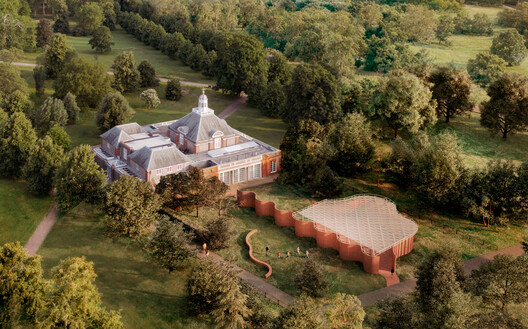
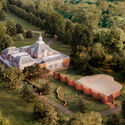
Parallel questions of spatial permeability and public engagement appeared in London, where LANZA atelier revealed new details for the 2026 Serpentine Pavilion 2026. Titled "a serpentine," the pavilion reinterprets the historic crinkle-crankle wall as a lightweight brick structure integrated into Hyde Park, using alternating curves, porous boundaries, and filtered light to create continuity between architecture, landscape, and movement. Although operating at vastly different scales, both projects approach architecture as an extension of civic and environmental experience, where circulation, openness, and materiality shape how institutions and public spaces are collectively inhabited.
On the Radar
Studio NEiDA Reveals Earth-Built Cinema and Film Archive in Ghana
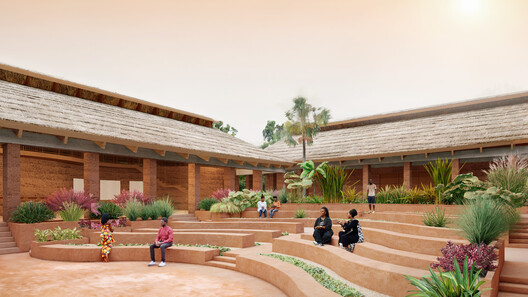
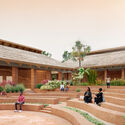
Studio NEiDA has revealed plans for The Falcon Cinema, a cinema and community space currently in development in Berekuso designed to support film culture, archival preservation, and public gathering. Inspired by the spatial organization of traditional Asante compounds, the project is arranged as four earth-built structures surrounding a central courtyard and will include two screening rooms, an outdoor cinema, communal spaces, a restaurant, and a film archive dedicated to African and diasporic cinema. Constructed from locally sourced earth materials and topped with a palm-leaf thatched roof, the project combines passive ventilation strategies with contemporary screening facilities, positioning the cinema experience as both environmentally responsive and spatially distinct from domestic streaming culture. Located near Ashesi University on the expanding northern edge of Accra, the project also aims to establish a long-term cultural infrastructure for Ghana's growing film industry, with future phases planned to include residential spaces for filmmakers in residence.
Greensboro Completes Downtown Greenway, Finalizing 4-Mile Loop Around City Center
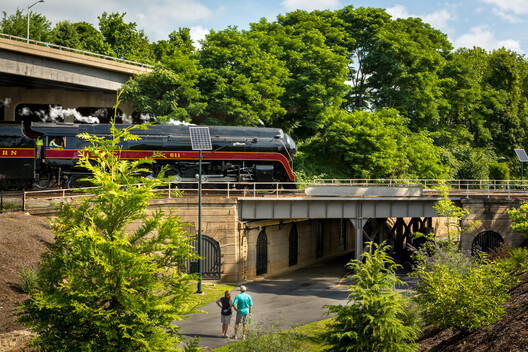
The city of Greensboro has completed construction on the final segment of the Downtown Greenway, concluding a more than 25-year process of planning, funding, and phased development. First envisioned in the city's 2001 Center City Master Plan, the 4-mile multi-use loop encircles downtown Greensboro, connecting eight neighborhoods while linking the city to broader trail systems. Developed through a long-term partnership between the City of Greensboro and Action Greensboro, the project combines pedestrian and cycling infrastructure with ecological restoration, public art, and community programming. More than 40 permanent artworks are integrated throughout the route, alongside gathering spaces, bridges, and landscaped corridors that reference local histories connected to the Civil Rights Movement, urban renewal, and historically Black neighborhoods.
CO–G Architecture Breaks Ground on Resilient Research Housing Village in Florida
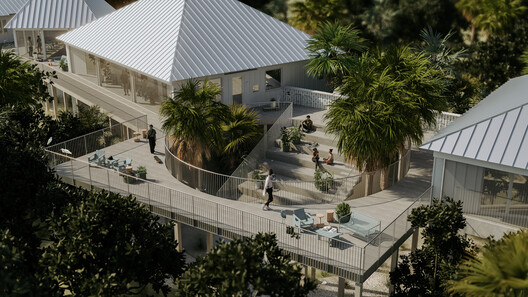
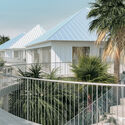
CO–G Architecture, in collaboration with Amy Nowacki Architect LLC and Stevens Construction, has broken ground on the La Gorce Family Intern Village on Sanibel Island, Florida. Developed for the Sanibel-Captiva Conservation Foundation, the project will provide housing for researchers and conservationists working to restore and monitor coastal ecosystems following the devastation caused by recent hurricanes. The 7,700-square-foot village accommodates 30 residents across three elevated housing structures organized within a landscape of marshlands and native vegetation, alongside shared spaces including an amphitheater, pavilion, and connective outdoor deck. Drawing from the architectural vocabulary of coastal Florida, the project integrates screened porches, deep roof overhangs, elevated structures, and passive ventilation strategies while responding directly to increasing climate vulnerability and flood risk.
This article is part of our new This Week in Architecture series, bringing together featured articles this week and emerging stories shaping the conversation right now. Explore more architecture news, projects, and insights on ArchDaily.