

This guide explains how to structure multi-image prompts in the RunDifussion platform. Explore RunDifussion's product catalog.
News
How to Prompt and Annotate Multiple Images with AI
| Sponsored Content
https://www.archdaily.comhttps://www.archdaily.com/catalog/us/products/38860/how-to-prompt-and-annotate-multiple-images-with-ai-rundiffusion
Cracks Threaten Oscar Niemeyer's National Library in Brasília
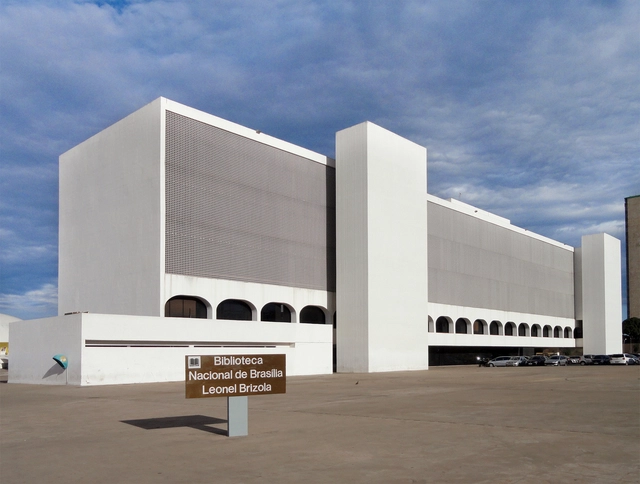
The Leonel Brizola National Library, designed by Oscar Niemeyer —a building that integrates the Cultural Complex of the Republic, a cultural center located along the Eixo Monumental, in the city of Brasília, Brazil— is covered in cracks. The lack of preventive maintenance has caused several cracks throughout the building, according to an article published in the newspaper Metrópoles.
The cracks were identified by local firefighters on November 19th and have spread all over the building, especially on the walls of the elevator machine room and the roof. The library receives an average of 102,000 visitors per year, and the building administration has been notified of the problem. An inspection was carried out to determine whether there is any structural damage to the building.
https://www.archdaily.com/952421/cracks-threaten-oscar-niemeyers-national-library-in-brasiliaEquipe ArchDaily Brasil
Christiana Figueres: A Net-Zero Future Is Now Under Construction
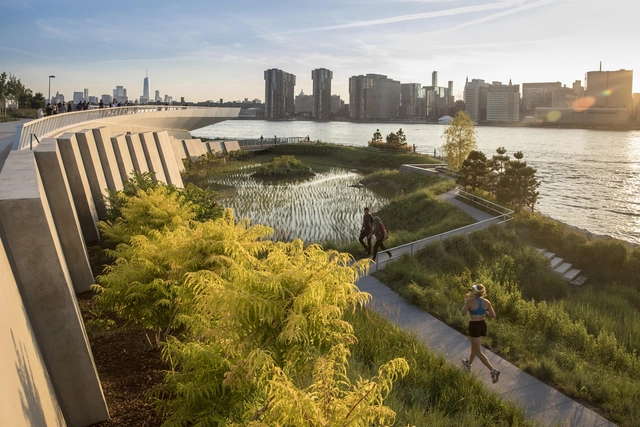
“When there is a convergence of crises, like we have now, there needs to be a convergence of solutions,” argued Christiana Figueres, former executive secretary of the UN Framework Convention on Climate Change (UNFCCC), at the 2020 GreenBuild conference. These solutions need to be net-zero in terms of energy and greenhouse gas emissions, regenerative, and reconnect humanity to nature. And while progress towards these solutions is now “irreversible,” we need to move much faster towards a net-zero world.

https://www.archdaily.com/952457/christiana-figueres-a-net-zero-future-is-now-under-constructionJared Green
Living With Sky-Frame: Moscow
| Sponsored Content
In the latest short film from their ‘Living with Sky-Frame’ series, the Swiss frameless sliding door specialist evokes a seasonal dreamscape to showcase the intangible qualities of its glazing solutions.
It’s a cold winter’s night in a suburb of Moscow. A family gathers in a stylish villa to celebrate a young girl’s birthday. As she gazes through the full-height sliding glass doors, the girl imagines a figure skater pirouetting gracefully on an ice rink as the snow falls softly around her. Is she daydreaming about her future self? All we know is that she sees more than the simple reality beyond the glass.
https://www.archdaily.com/952458/living-with-sky-frame-moscowArchitonic
Design Disruption Episode 7: Disrupting Transit, Culture, and More with Winy Mass
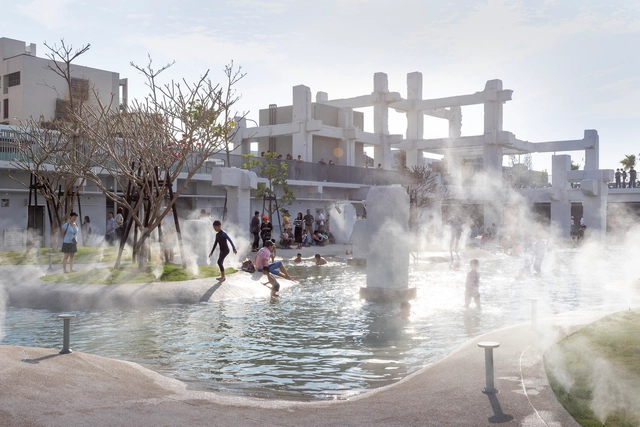
The COVID-19 Pandemic is a disruptive moment for our world, and it’s poised to spur transformative shifts in design, from how we experience our homes and offices to the plans of our cities. The webcast series Design Disruption explores these shifts—and address issues like climate change, inequality, and the housing crisis— through chats with visionaries like architects, designers, planners and thinkers; putting forward creative solutions and reimagining the future of the built environment.

https://www.archdaily.com/952456/design-disruption-episode-7-disrupting-transit-culture-and-more-with-winy-massDiego Hernández
City Square: Redefining Public Spaces During and After the Pandemic
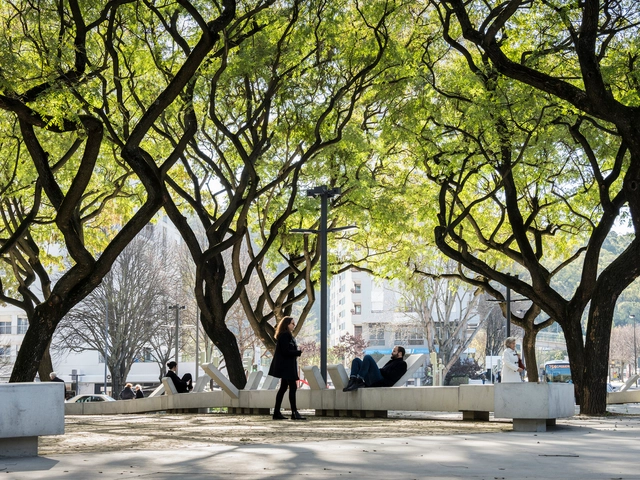
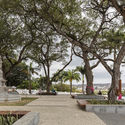
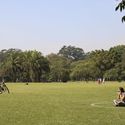
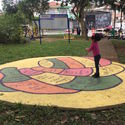
This June, the Global Cities program of the University of São Paulo (USP) carried out the research Emoções Momentâneas (lit. Momentary Emotions) to measure how the pandemic was changing the relationship of individuals with public spaces in São Paulo. Among the collected data, there was one that caught the attention of the group of researchers: 86% of the surveyed people wanted to spend time in green environments such as parks and squares.
"The research indicates a desire for reconciliation with the public space," explains architect Deize Sanches, one of the people involved in the research. "A desire to see the potential of green spaces to improve the quality of life in a way that was not being experienced before the pandemic."


https://www.archdaily.com/952145/city-square-redefining-public-spaces-during-and-after-the-pandemicCecília Garcia
Kjellander Sjoberg to Transform Former Shipbuilding Industry into Vibrant Creative Hub in Malmö, Sweden
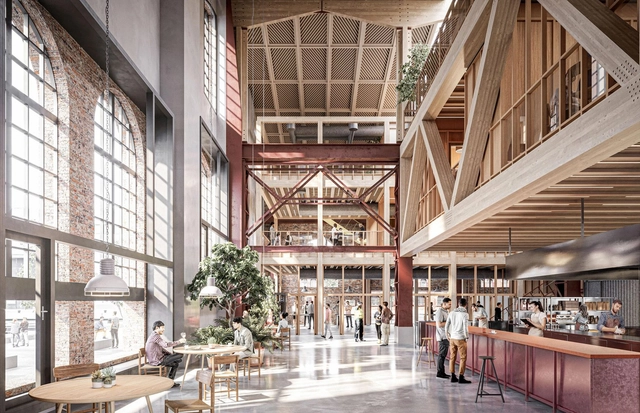
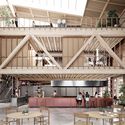
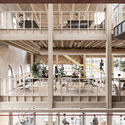
Kjellander Sjoberg has revealed plans to transform the historical building Gjuteriet into an innovative, open public meeting place. Located in the Varvstaden district, a new sustainable neighborhood in Malmö, Sweden, the project will become a contemporary and versatile work environment. Fitting 300 workspaces across 4,600 sq. m., the building also includes meeting rooms, open lounges, conference rooms, a conservatory, studios, exhibition spaces, a test kitchen, and wellness facilities.


https://www.archdaily.com/952272/kjellander-sjoberg-to-transform-former-shipbuilding-industry-into-vibrant-creative-hub-in-malmo-swedenChristele Harrouk
Zaha Hadid Architects Unveils New Shenzhen Science & Technology Museum
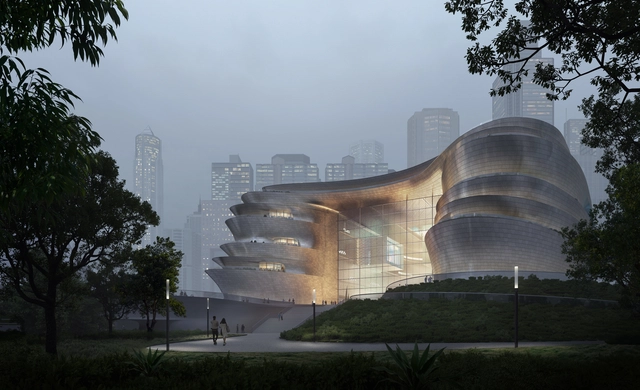
Zaha Hadid Architects has unveiled the design for the new Shenzhen Science & Technology Museum in Guangming Science City, China. Designed to become a landmark institution in the city, the project is made for the Guangzhou–Shenzhen Science Technology Innovation Corridor. The museum aims to be a key destination to explore science and technology as part of the region's World Class Science City.


https://www.archdaily.com/952381/zaha-hadid-architects-unveils-new-shenzhen-science-and-technology-museumEric Baldwin
Meet the Winners of the 2020 Panamerican Architecture Biennial of Quito

On November 20, the 2020 Panamerican Architecture Biennial of Quito (BAQ 2020) announced the winners of the present edition. Every other year, the BAQ "invites to discuss contemporary production of the built environment, aiming to improve the practice of our profession" in the Americas.
https://www.archdaily.com/952374/meet-the-winners-of-the-2020-panamerican-architecture-biennial-of-quitoFabian Dejtiar
Increase Efficiency, Design Freedom and Sustainability with Light Frame Wood Construction
| Sponsored Content

Proven and effective construction methods are not static, instead they're always improving. In Quebec, Canada, light wood frame and modular manufacturers are always pushing the limits of innovation. Their craft is now linked to building systems on a bold scale with offsite light wood frame construction.
https://www.archdaily.com/952054/increase-efficiency-design-freedom-and-sustainability-with-light-frame-wood-constructionRene Submissions
Modern Montréal: Canada's City of Design
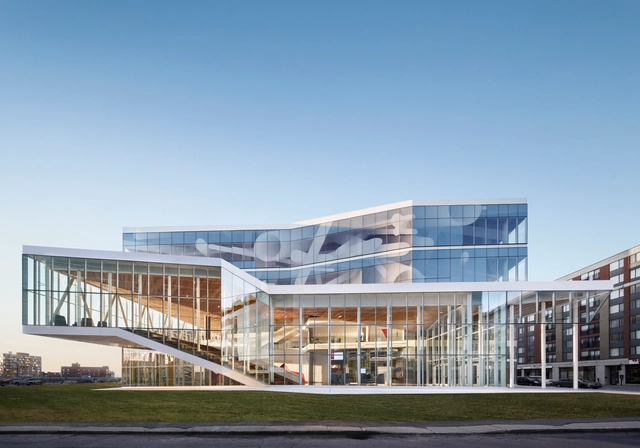
Few cities combine architecture and culture like Montréal. Canada’s second largest metropolis, the City of Saints has become a leading center for design, technology, and international events. With close ties to its natural context, the island city was named after the triple-peaked hill located at its heart, Mount Royal. Today, contemporary designs continue to emerge, new structures that are transforming the cityscape and its urban fabric.
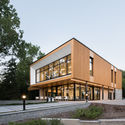
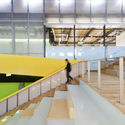
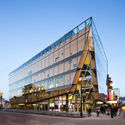
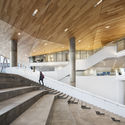

https://www.archdaily.com/951541/modern-montreal-canadas-city-of-designEric Baldwin
Can Good Architecture Exist Without Modulation?
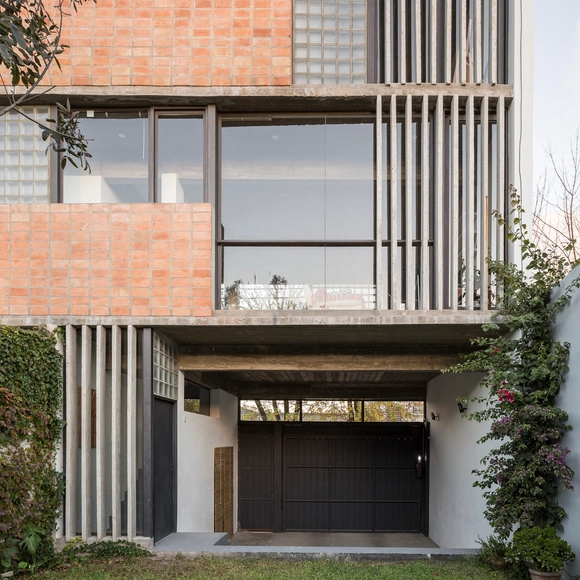
In the Genesis flood narrative, Noah built an ark after a call from God, who decided to flood and destroy all life on Earth due to the misbehavior of humanity. Only Noah's family and a couple representatives of each species of animals could enter the huge vessel and save themselves. In the bible, the ark is described in the exact measurements of 300 cubits in length by 50 cubits in width by 30 cubits in height. This was a unit used at the time based on the length of the forearm, measured from the tip of the middle finger to the elbow. A Dutchman who has devoted himself to building a replica of Noah's Ark, without success in finding a correspondingly accurate value in the metric system, used his own body measurements as a module. Modulation in architecture means adapting the project to a defined measurement based usually on a specific dimension or material. Whether it is a meter, a brick, a tile, or a container, it serves to guide the design process and make it more efficient and sustainable.
https://www.archdaily.com/951887/can-good-architecture-exist-without-modulationEduardo Souza
Henning Larsen Wins Competition for a Mixed-Use Development in South Korea
Proloog_SeoulValleyAerial-1200px.jpg?1606728853&format=webp&width=640&height=580)
Henning Larsen’s proposal for Seoul Valley was selected as the winner of the Central Seoul Development Competition. Seeking to become a new home for the public in the center of the city, the mixed-use development “merges Seoul’s global commercial profile with an ecological return to downtown pedestrian life”. Other entries included schemes by MVRDV and SOM.
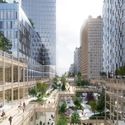
Proloog_InsideOutside-1200px.jpg?1606728842 "Courtesy of Proloog")
Proloog_websize-1200px.jpg?1606728874 "Courtesy of Proloog")
HenningLarsen_OfficeRooftopTerrace-1200px.jpg?1606728811 "Courtesy of Henning Larsen")
Proloog_SeoulValleyAerial-1200px.jpg?1606728853)
https://www.archdaily.com/952354/henning-larsen-wins-competition-for-a-mixed-use-development-in-south-koreaChristele Harrouk
Covid-19 Community Memorial Design Competition Winners Announced
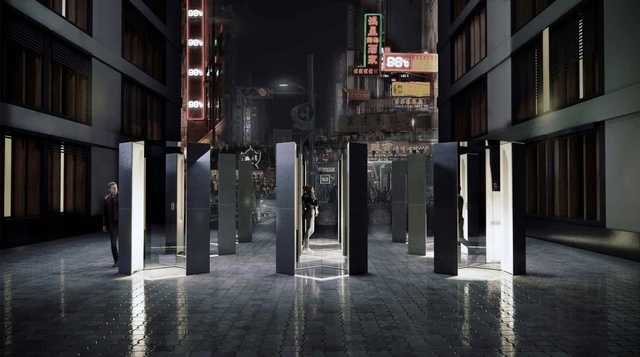
Liu Yihuan, Zhang Xingwang and Lin Zichun from the Harbin Institute of Technology in Shenzhen have won the Covid-19 Community Memorial Design Competition. DesignClass hosted the competition to create a local memorial that honors the individuals and families affected by the virus. 145 designers entered from dozens of countries.
https://www.archdaily.com/952122/covid-19-community-memorial-design-competition-winners-announcedEric Baldwin
9 Cities with Medieval Plans Seen from Above
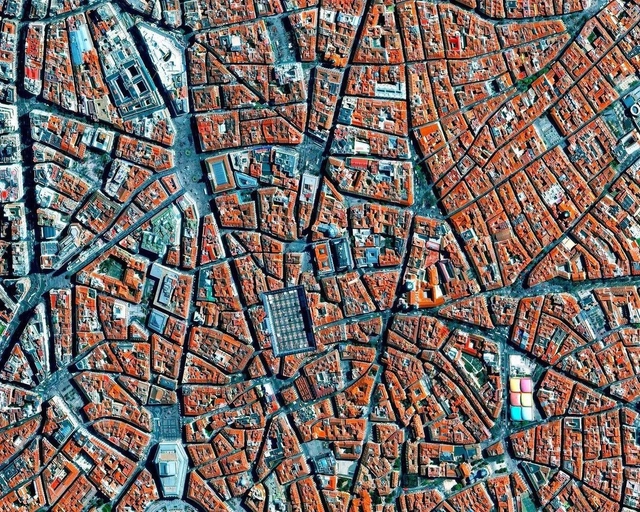
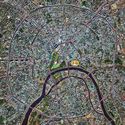
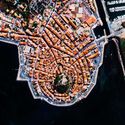
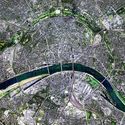
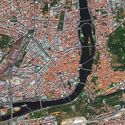
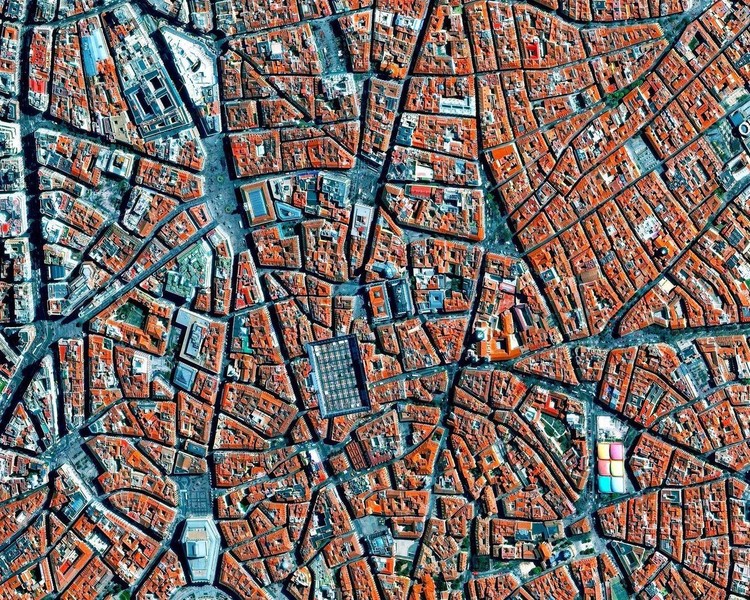
In his book Breve Historia del Urbanismo (Brief History of Urbanism), Fernando Chueca Goitia states that the medieval city appeared at the beginning of the 11th century and flourished only between the 12th and 13th centuries. According to the author, this growth was closely linked to the development of commerce that allowed permanent occupations, resulting in a city no longer composed mainly of travelers. In other words, the bourgeoisie was formed thanks to the most diverse activities - craftsmen, tradesmen, blacksmiths, longshoremen - which stimulated the development of the medieval city.

https://www.archdaily.com/952084/9-cities-with-medieval-plans-seen-from-aboveCamilla Ghisleni
How Are Public Washrooms Shaping Places in China?

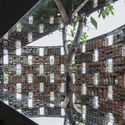
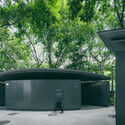
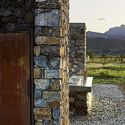
In recent years, with the accelerated urban development of public spaces in China, public washrooms have been assigned numerous new roles. Designers have come up with a variety of proposals which suggest turning public washrooms into a place where social gathering can be redefined, and temporary stay can be more engaging. Although the scale of public washrooms is significantly smaller than that of any other type of architecture, Chinese architects have been working innovatively on fitting the public washrooms into the changing social contexts. Below are a few examples that demonstrate some current architectural experiments with public washroom design in China.


https://www.archdaily.com/952031/how-are-public-washrooms-shaping-places-in-chinaScarlett Miao
Balancing Preservation and Resiliency in Miami Beach
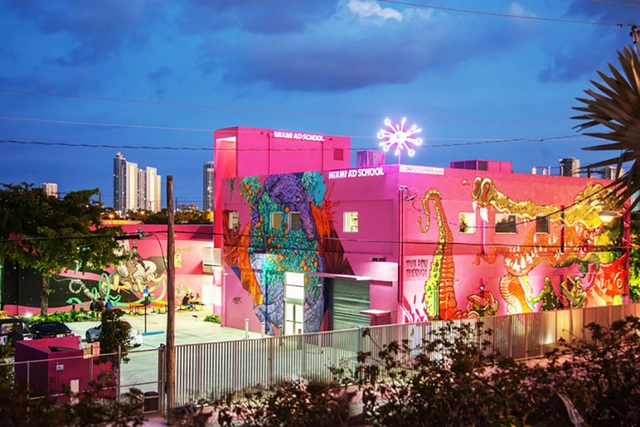
During the 20th century, Miami Beach reinvented itself several times, from Gilded Age mecca to Art Deco capital, to glamorous 1950s destination, only to become a faded has-been resort by the 1970s. The preservation movement that began in the 1970s and 1980s became its saving grace. By the 1990s Miami Beach, especially its South Beach neighborhood, was one of the hippest communities in the United States, drawing notable European residents like Gianni Versace.

https://www.archdaily.com/952317/balancing-preservation-and-resiliency-in-miami-beachJames McCown
7 Louisiana Channel Interviews Exploring the Architecture, Thoughts and Design Values of Renowned Architects
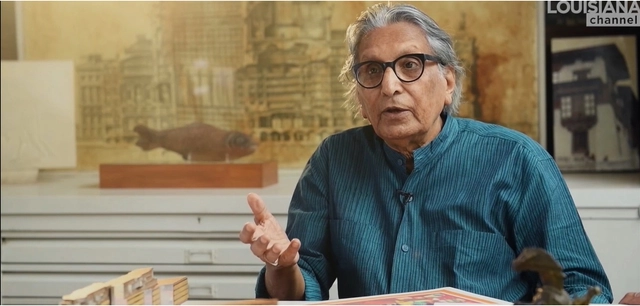
As a platform for the Louisiana Museum of Modern Art, Louisiana Channel has been stimulating conversations around architecture, art, and the creative world at large. The architecture series provides fascinating insights into the thought process of distinguished architects and their work. Discover seven of the most inspiring interviews created over the past year, discussing a wide array of subjects from exemplary projects, to cities, to architects' design philosophy.
https://www.archdaily.com/952058/7-louisiana-channel-interviews-exploring-the-architecture-thoughts-and-design-values-of-renowned-architectsAndreea Cutieru
Patrick MacLeamy on Designing a World-Class Architecture Firm
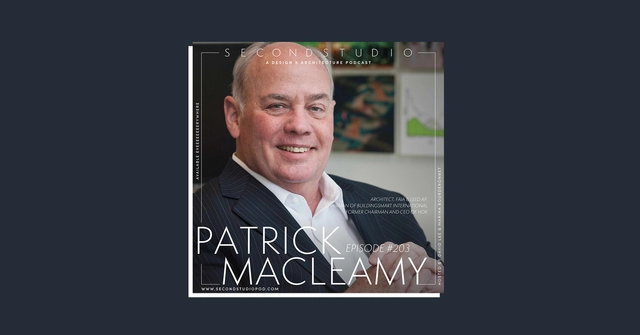
The Second Studio (formerly The Midnight Charette) is an explicit podcast about design, architecture, and the everyday. Hosted by Architects David Lee and Marina Bourderonnet, it features different creative professionals in unscripted conversations that allow for thoughtful takes and personal discussions.
A variety of subjects are covered with honesty and humor: some episodes are interviews, while others are tips for fellow designers, reviews of buildings and other projects, or casual explorations of everyday life and design. The Second Studio is also available on iTunes, Spotify, and YouTube.
This week David and Marina are joined by Patrick MacLeamy, Architect and Former CEO of HOK to discuss his new book, 'Designing a World-Class Architecture Firm: The People, Stories, and Strategies Behind HOK'. Patrick discusses the struggles HOK went through, acquiring other offices, maintaining office culture, the key components of a successful architecture office, and much more. Enjoy!

https://www.archdaily.com/952316/patrick-macleamy-on-designing-a-world-class-architecture-firmThe Second Studio Podcast
"There is an Incredible Order Created by Nature": In Conversation with Anupama Kundoo
In Louisiana Channel's latest interview, Indian architect Anupama Kundoo shares her thoughts on the importance of observing the surroundings from the perspective of time and its imprint on matter. "Before humans, there was an architecture that life itself creates," says the architect discussing the natural world as a source of inspiration, pointing out that one "can see the same question already solved by nature".

.jpg?1606397161 "Wall House. Image © Javier Callejas")


https://www.archdaily.com/952173/there-is-an-incredible-order-created-by-nature-in-conversation-with-anupama-kundooAndreea Cutieru
A Visual Journey within the Sanctuary of Wadi Rum
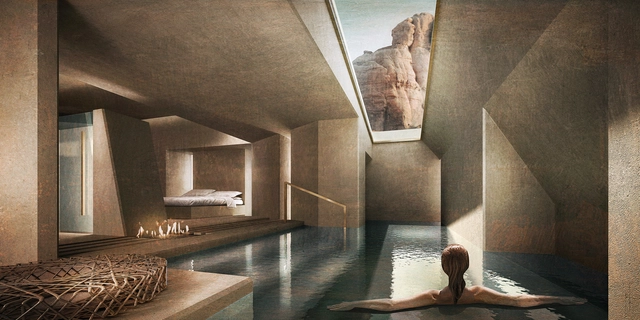
Delicately excavated from the natural grounds of Jordan’s Wadi Rum, Jordanian architect Rasem Kamal transformed the phrase of “form follows function” into “subtraction follows function”, emphasizing the relationship between external form and internal space with a resort that promises a sanctuary both above and underground.
In the newly-released video of the proposal, the architect uncovers the hidden resort and takes viewers on an enchanting walkthrough of the proposed Wadi Rum Sanctuary Resort. Kamal complements the desert’s jagged landscape with the resort’s subtle architecture, letting the structure blend seamlessly with its surroundings.
https://www.archdaily.com/951862/a-visual-journey-within-the-sanctuary-of-wadi-rumDima Stouhi
The Return of Superstudio and the Anti-Architecture Ideology
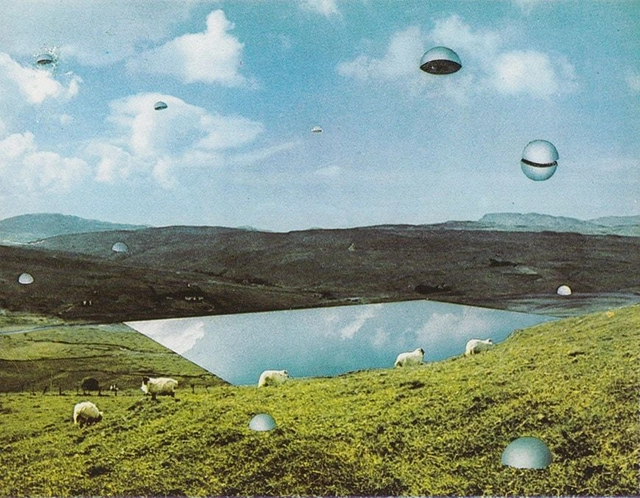
In the 1960s, Cristiano Toraldo di Francia and Adolfo Natalini, two Florence-based architecture students in their twenties, decided to undertake the substantial task of designing a new way for the citizens of the globe to inhabit the earth. Driven by the possibilities laid out in science fiction novels and the desire to prescribe design to solve the problems of their era, the duo, who dubbed themselves as Superstudio, sought to continuously reinvent their role in what it means to be an architect. Their solution was the creation of an “anti-design” culture as a means to provide commentary on politics, capitalism, and urbanism, by creating ideas in which everyone is given a functional space that frees itself of time, place, and the need for excessive objects.
https://www.archdaily.com/951925/the-return-of-superstudio-and-the-anti-architecture-ideologyKaley Overstreet
One of Frank Lloyd Wright’s Unpublished Projects Revealed to the Public: the Arizona State Capitol
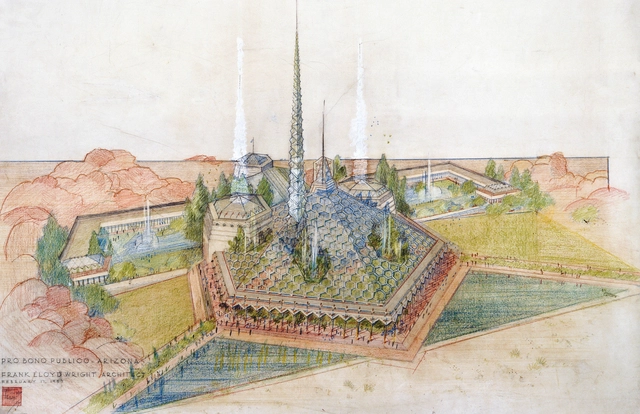
The Frank Lloyd Wright Foundation has uncovered the Arizona State Capitol project, a never seen before unbuilt proposal by Wright. An “oasis of democracy in the Sonoran Desert”, the intervention revealed in the latest issue of The Frank Lloyd Wright Quarterly, has been digitally remodeled, with photorealistic visualizations by David Romero.





https://www.archdaily.com/952197/one-of-frank-lloyd-wrights-unpublished-projects-revealed-to-the-public-the-arizona-state-capitolChristele Harrouk
Gensler and PAU Create Ford Motor Mobility District in Detroit’s Oldest Neighborhood
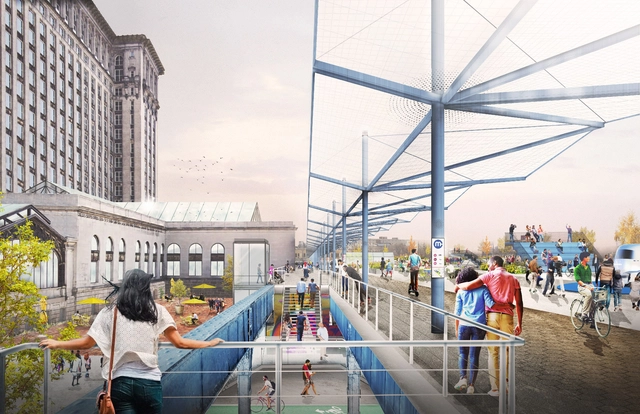
The Ford Motor Company has released a new plan for an innovation and mobility district in Corktown, Detroit’s oldest neighborhood. Designed by the Practice for Architecture and Urbanism (PAU), the "Michigan Central" plan involves a multiyear development that includes the restoration of the iconic Michigan Central Station. Gensler is reimagining the Book Depository building, while PAU is master planning the Michigan Central development as a whole. The vision is an open platform for startups and entrepreneurs to develop, test and launch new mobility solutions.

_02_Vernor_Plaza.jpg?1605922640 "Courtesy of PAU")


https://www.archdaily.com/951874/gensler-and-pau-create-ford-motor-mobility-district-in-detroits-oldest-neighborhoodEric Baldwin
Explore the Changes of Time and Space in the 1980s Through the Memories of Chinese Young Architects
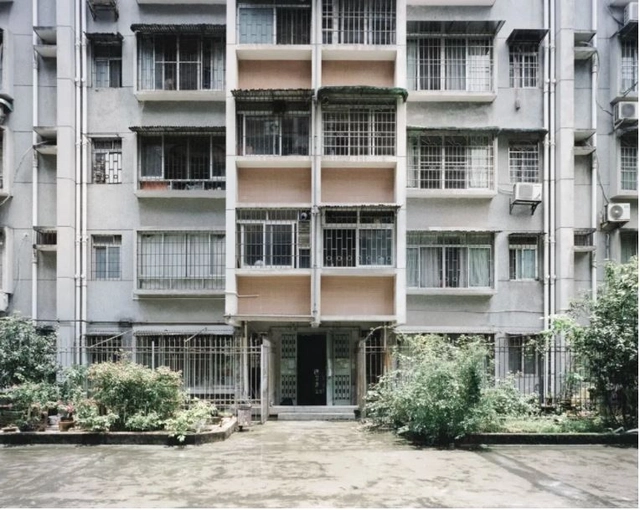
Sigmund Freud, the author of “The Interpretation of Dreams” and the founder of Psychoanalysis, once argued that, “A strong experience in the present awakens in the creative writer a memory of an earlier experience (usually belonging to his childhood) from which there now proceeds a wish which finds its fulfillment in the creative work.”
https://www.archdaily.com/950998/explore-the-changes-of-time-and-space-in-the-1980s-through-the-memories-of-chinese-young-architectsScarlett Miao