

This guide explains how to structure multi-image prompts in the RunDifussion platform. Explore RunDifussion's product catalog.
News
How to Prompt and Annotate Multiple Images with AI
| Sponsored Content
https://www.archdaily.comhttps://www.archdaily.com/catalog/us/products/38860/how-to-prompt-and-annotate-multiple-images-with-ai-rundiffusion
Architects, not Architecture: Dong Gong from Vector Architects

In an ever more connected world Architects, not Architecture supports the cultural exchange in the architecture community and connects architects on a personal level beyond borders. If you’ve missed out on it in recent times, here is the talk from Dong Gong, founder and design principal of Vector Architects, who is based in Shanghai, China.
https://www.archdaily.com/971649/architects-not-architecture-dong-gong-from-vector-architectsAbhinav Thakar / Architects, not Architecture
Inside the Painstaking World of Miniature Building

This video takes us inside a professional model-building shop in Chicago called Presentation Studios International (PSI). They make models for all kinds of clients, but mostly for developers and architects. We get a tour of the shop from Robert Becker, an architectural designer and former employee. He helps us understand how models are conceptualized a little differently here than within an architectural office or in school. Here, they are almost strictly miniature buildings with the job of faithfully depicting a building design and serving as a persuasive tool to motivate investment. Then, we hear from Martin Chadwick, a life-long model builder to talk through the process of making high-quality miniature buildings and landscapes.
https://www.archdaily.com/971832/inside-the-painstaking-world-of-miniature-buildingDiego Hernández
How Emerging Practices Approach Sustainability in Architecture
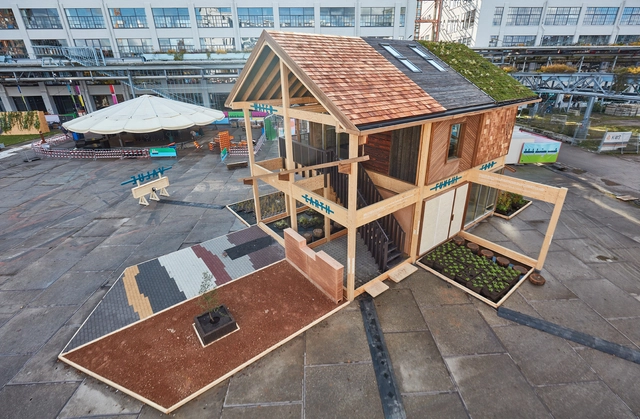
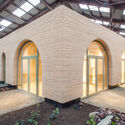
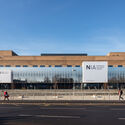
The climate crisis has become a staple of the architecture discourse, with the field slowly acknowledging its contribution to environmental issues and seeking to reframe its values and approaches. However, there is an evident lack of commitment and consistency in addressing the matter and an absence of systemic change. Emerging practices, organizations and startups are carving a new architecture practice, slowly unfolding a paradigm shift beyond "green" add-ons and technical equipment. Addressing environmental issues on multiple levels, from policy and design strategies to materials and construction processes, the following are some of the actors reframing the profession's relationship with sustainability.


https://www.archdaily.com/971859/how-emerging-practices-approach-sustainability-in-architectureAndreea Cutieru
SOM Proposes to Transform the Built Environment into a "Forest" of Absorbing Carbon at COP26
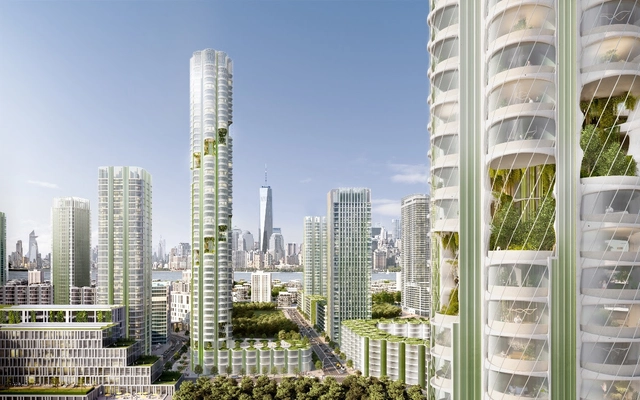
"What if the built environment could be a solution to the climate crisis, rather than part of the problem? What if buildings could act like trees – capturing carbon, purifying the air, and regenerating the environment?" Responding to these questions, Skidmore, Owings & Merrill (SOM) has proposed Urban Sequoia, an architectural concept inspired by the ecosystem at the 2021 UN Climate Change Conference in Glasgow - COP26. The design features “forests of buildings" that isolate carbon and produce biomaterials that create a new ecological and resilient urban environment.
.jpg?1636652992 "Courtesy of SOM | Miysis")
.jpg?1636652975 "Courtesy of SOM")
.jpg?1636652975 "Courtesy of SOM")
.jpg?1636653008 "Courtesy of SOM")

https://www.archdaily.com/971822/som-proposes-to-transform-the-built-environment-into-a-forest-of-absorbing-carbon-at-cop26Dima Stouhi
Zaha Hadid Architects Reveals Designs for a Mixed-Use Development in Budapest

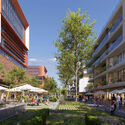
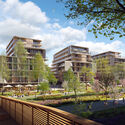
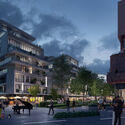
Zaha Hadid Architects reveals the winning design proposal for a mixed-use development in Budapest, comprising residential, office and retail functions, tied together by civic spaces and landscaped areas. The Zugló City Centre establishes a network of public squares and urban gardens that re-establish the natural ecosystem of Rákos Creek and connects the new development to the surrounding framework of parks and avenues.


https://www.archdaily.com/971820/zaha-hadid-architects-reveals-designs-for-a-mixed-use-development-in-budapestAndreea Cutieru
Architecture in Mexico: Projects that Highlight the Hidalgo Territory
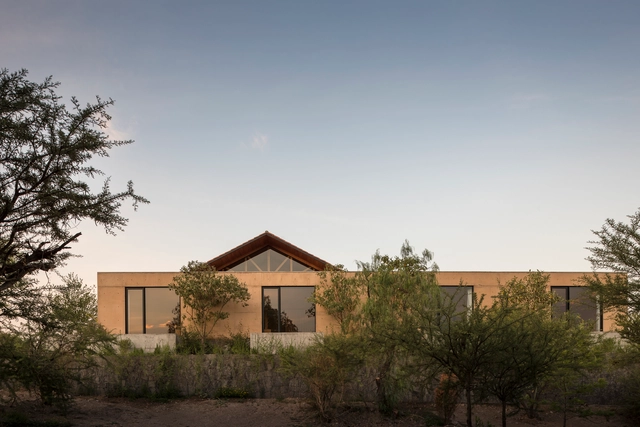


Hidalgo is a landlocked state to the north of Mexico City and bordered by the states of San Luis Potosí, Veracruz, Puebla, Tlaxcala, Mexico, and Querétaro. It's territory spans 20,821 km² and it's the sixth smallest state in the country. It's capital and most populous city is Pachuca de Soto. Hidalgo's diverse cultural wealth comes from the various indigenous groups that call the state home, such as the Otomíes, the Nahuas, and the Tepehuas. Hidalgo's cultural heritage centers on the cuisine, the Fiesta de Toros, Huapango and Bandas de Viento music, the Charreria rodeo, and the Xantolo celebration.
https://www.archdaily.com/971465/architecture-in-mexico-projects-that-highlight-the-hidalgo-territoryMónica Arellano
From Landscape to Architecture
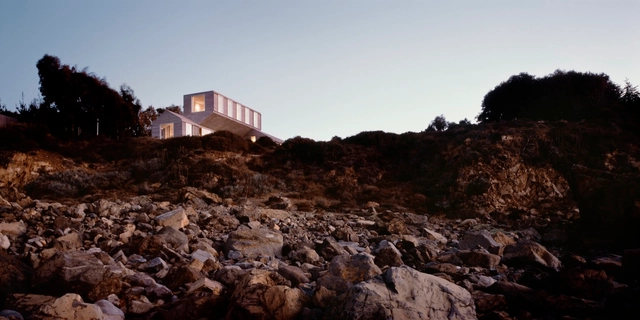
From my very first attempt at photographing architecture in December 1995 I realized that I wanted both building and landscape to narrate a common story and form an inseparable whole. There are two key processes at work when I photograph architecture as a component of its surrounding landscape: one directed inwards and one directed outwards, and they take place simultaneously.
https://www.archdaily.com/971745/from-landscape-to-architectureErieta Attali
A General Agreement for the Practice of Contemporary Architecture
This article was originally published on Common Edge.
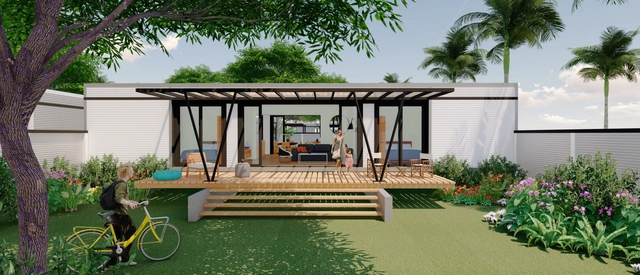
In this week's reprint, author Andrés Duany presents a series of statements from today's architectural world. He considers that these understandings are the product of our times, a direct reaction and a consequence of the observed patterns.

https://www.archdaily.com/971862/a-general-agreement-for-the-practice-of-contemporary-architectureAndrés Duany
The Versatility of HPL Panels for Interior Spaces
| Sponsored Content

HPL (High Pressure Laminate) panels are made of Kraft paper impregnated with phenolic resins, subjected to heat and pressure. A decorative layer with synthetic polymer allows the sheets to have numerous color and texture options, providing an extremely high strength and durability. This is why HPL is widely used in façades, but it is also increasingly being considered for interior wall cladding, for partitions and lockers, as well as for furniture. It is a material that can be used outdoors and indoors, and even on horizontal surfaces.
https://www.archdaily.com/969799/the-versatility-of-hpl-panels-for-interior-spacesEduardo Souza
SinHei Kwok Rethinks Multi-Family Housing in Phoenix
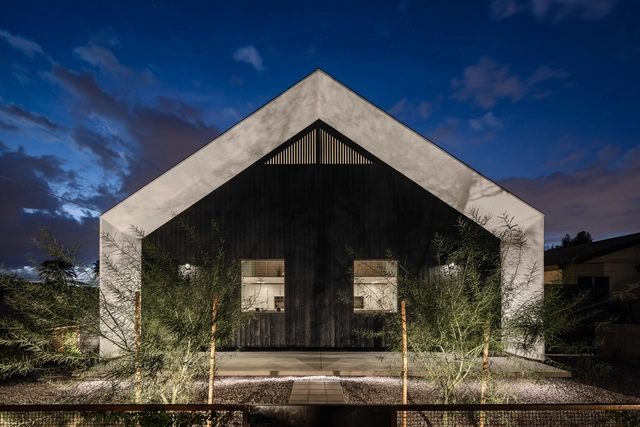
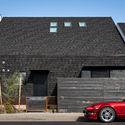
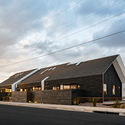
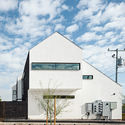
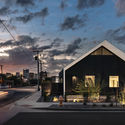
Architect and developer SinHei Kwok has completed Polker, a six-unit multifamily project in the Historic Garfield neighborhood near downtown Phoenix, Arizona. Featuring two-bedroom and loft-style units, the project reconsiders its surrounding context of single family houses. Polker provides a new kind of residence for urban dwellers who do not want to live in a single-family home or big box apartment, but would like to live and work closer to downtown.

https://www.archdaily.com/971784/sinhei-kwok-rethinks-multi-family-housing-in-phoenixEric Baldwin
A Non-Conventional Plumbing Solution for Zero-Waste Homes
| Sponsored Content
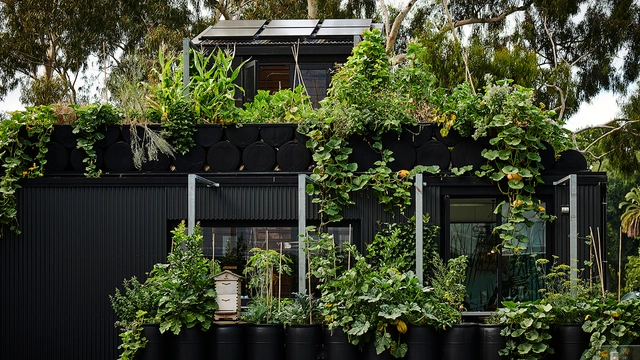
According to a 2021 Food Waste Index Report by the United Nations, 17% of global food production goes to waste, becoming the third biggest source of greenhouse gas emissions. 11% of this waste is generated by households, not only contributing to the climate crisis, but also provoking large economic costs, biodiversity loss, and the rise of pollution levels at unprecedented rates. Therefore, considering the key role that architecture and design plays in providing more eco-friendly housing options, it is essential to adopt and enhance a more self-sustaining, zero-waste approach.
https://www.archdaily.com/971278/a-non-conventional-plumbing-solution-for-zero-waste-homesValeria Montjoy
Birmingham’s Historic Square Undergoes First Phase of Redevelopment
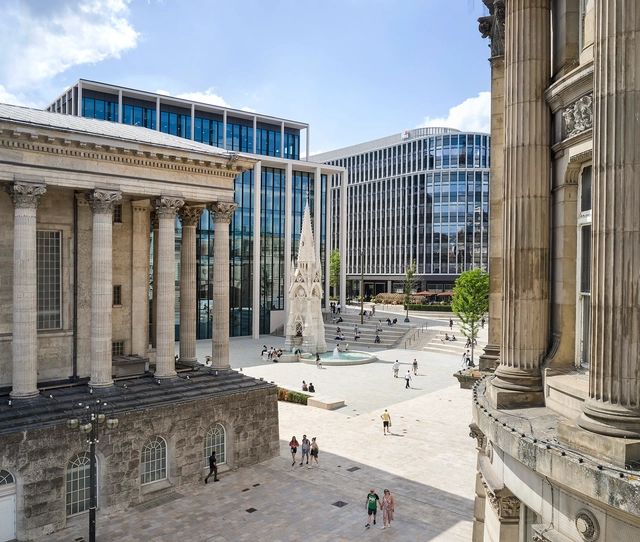
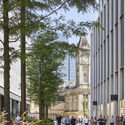
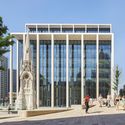
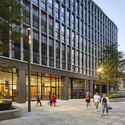
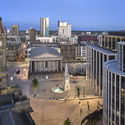
The first phase of the Paradise Masterplan by Glenn Howells Architects (GHA) in Birmingham’s historic square has been completed, marking a major milestone in the city’s redevelopment plans. The newly restored civic square features Two Chamberlain Square, an eight-storey office building with a glazed facade and expansive column frame amidst 19th century cultural buildings.

https://www.archdaily.com/971793/birminghams-historic-square-undergoes-first-phase-of-redevelopmentDima Stouhi
MVRDV Converts Film Studios in Berlin into a Mixed-Use Campus

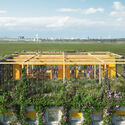
MVRDV revealed plans for adaptive reuse of Berliner Union Film Ateliers (BUFA), receiving planning approval to redevelop the first two buildings. The project expands the scope of the site to address a broader user base, including all kinds of creative industries, as well as organisations and individuals involved in activism and social justice. Building on the site's heritage and spatial diversity, MVRDV proposes a series of sustainable transformations of the existing structures, reaffirming the adaptive reuse ethos.


https://www.archdaily.com/971753/mvrdv-converts-film-studios-in-berlin-into-a-mixed-use-campusAndreea Cutieru
Occupying Time within Three Houses by Cazú Zegers
The team at Cazú Zegers Arquitectura gave us an inside look at their three Chilean projects--Ye house, Llu House, and Fire House. The film, completed by ClaraFilms, seeks to capture the human dimensions of the homes and centers on how spaces are inhabited throughout time.
Clara Larraín, one of the team members, wrote the following text to accompany the architect's vision of encapsulating the feeling of the three videos into one poetic montage:
https://www.archdaily.com/971453/occupying-time-within-three-houses-by-cazu-zegersFabian Dejtiar
“Our Goal is to Recover Nature in The Places Where it has Disappeared”: Joan Batlle, from Batlleiroig
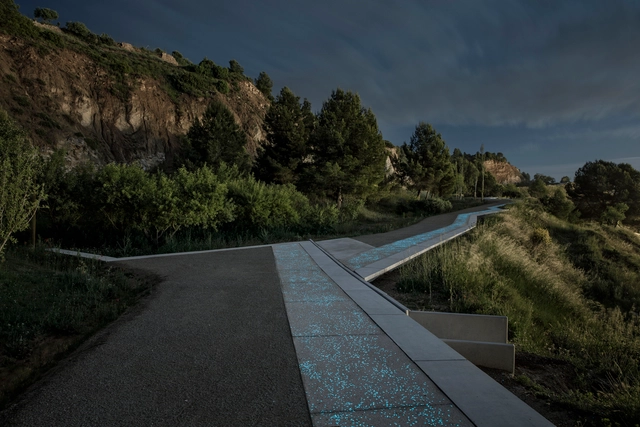
Batlleiroig is an architecture firm based in the city of Barcelona, whose extensive portfolio encompasses urban projects, landscaping, buildings, and interior design. We spoke with Joan Batlle Blay, Architect & Landscape Architect and partner at the firm, about the innovations and challenges in his work. According to him, “In our office, we think that R+D (research and development) is the company’s main tool to innovate and evolve our work method into an absolute creed for the planet.” See the full interview below:
https://www.archdaily.com/967999/our-goal-is-to-recover-nature-in-those-places-where-it-has-disappeared-joan-batlle-from-batlleiroigEduardo Souza
Cairo Modern Celebrates Egyptian Modernism and Raises the Alarm for Its Future
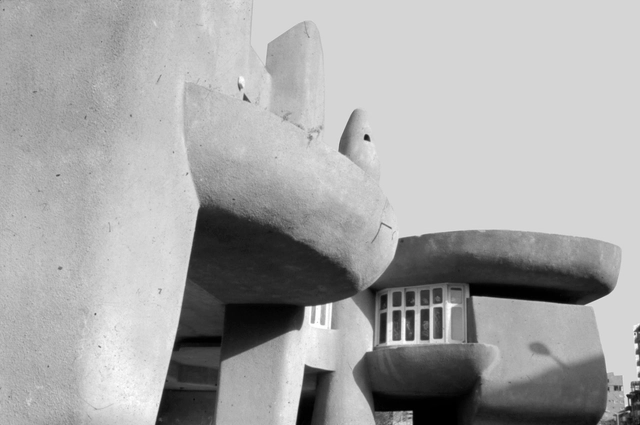
On view at the Center for Architecture in New York City, the exhibition features 20 projects in Cairo and a warning about the threatened future of Egypt’s Modernist heritage.
Cairo Modern, a new exhibition at the Center for Architecture in New York, features 20 demolished, extant, and proposed projects in Cairo dating from the 1930s to the 1970s and also shines a light on the wrecking ball-threatening Modern architecture here and elsewhere.

https://www.archdaily.com/971795/cairo-modern-celebrates-egyptian-modernism-and-raises-the-alarm-for-its-futureJane Levere
Safdie Architects Designs a Garden-Hospital in Cartagena, Colombia
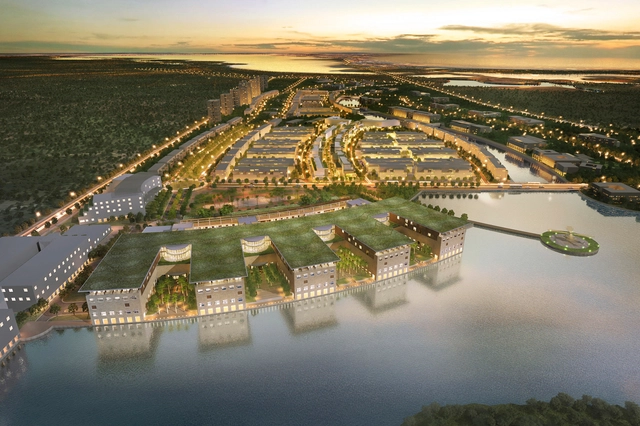
The Serena del Mar Hospital Center (CHSM) is the first hospital designed by Safdie Architects. Focusing on the human being, the concept revolves around the idea that "access to nature and natural light are vital in creating improved therapeutic experiences for patients, families and staff alike". Seeking to provide a sense of well-being that leads to better clinical outcomes, the hospital has started opening in phases to the public, earlier this year. The firm's first project in Latin America is not the only one, in fact, Safdie Architects are working on Qorner, a residential project under construction in Quito, Ecuador, and the Albert Einstein Education and Research Center in Brazil, to be inaugurated in early 2022.
https://www.archdaily.com/971624/safdie-architects-designs-a-garden-like-hospital-in-cartagena-colombiaAgustina Iñiguez
15 Architecture Projects for Life in Space

The Apollo 11 Mission, departed Earth on July 16, 1969, and touched down on the moon 4 days later. This moment marked a milestone for humanity and, to this day, makes us reflect on how technological progress is bringing us ever closer to life beyond planet Earth.
With the help of 3D printers, highly developed and fully automated constructive technology, we have compiled a selection of 15 architectural projects that demonstrate that life on the moon and beyond is closer than we've ever imagined.
https://www.archdaily.com/921752/50-years-after-the-moon-landing-15-architecture-projects-for-life-in-spaceBelén Maiztegui
MAD Architects Breaks Ground on New Residential Tower in Denver
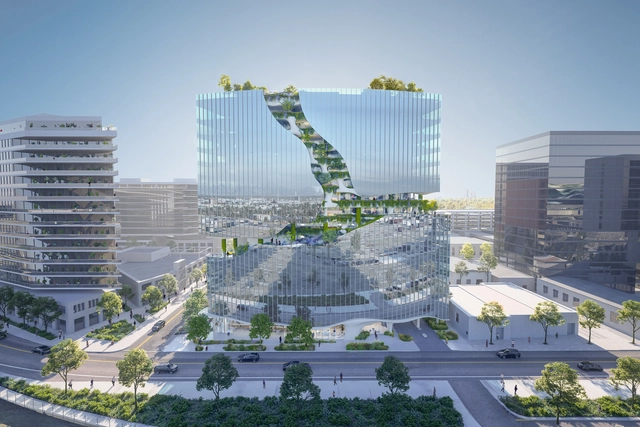
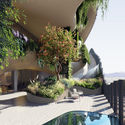
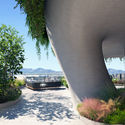
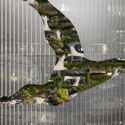
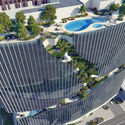
MAD Architects has broken ground on One River North, a sixteen-storey residential tower which features a descending nature trail carved into its façade. The project is set to "blur the lines between the built and natural environments" with more than 13,000 sq. ft. of open-air spaces, a water feature, and trail-like walkways, echoing Colorado's rich terrains. The project is expected to be complete towards the end of 2023.

https://www.archdaily.com/971719/mad-architects-breaks-ground-on-new-residential-tower-in-denverDima Stouhi
Aedas Reveals Design of Exhibition and Convention Centre in New Delhi

Aedas reveals plans to transform the Pragati Maidan, an important civic space in New Delhi, into an exhibition and convention centre intended as a new city icon. Transformed into a national exhibition space in 1972, the site located on the bank of Yamuna River and neighbouring a series of cultural and historical venues was the subject of a 2016 international design competition that sought a contemporary upgrade to the programme. Aedas’ and Arcop’s winning project proposes a circular convention centre framed by an extensive landscaped public space, capitalizing on accessibility.


https://www.archdaily.com/971658/aedas-reveals-design-of-exhibition-and-convention-centre-in-new-delhiAndreea Cutieru
Rural Landscapes: How Food Production Shapes the Land
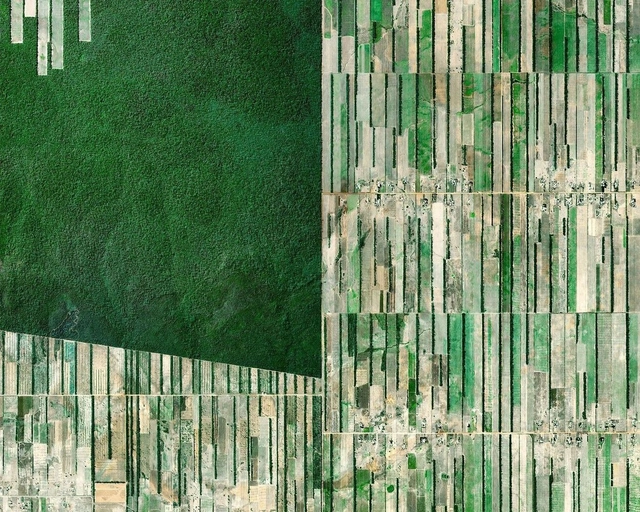
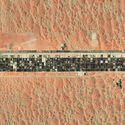
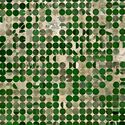
Food cultivation is one of the great historical milestones of our society's development. The knowledge of agriculture was fundamental for the evolution of a nomadic society into a sedentary civilization. Centuries later, agricultural production has become one of the main contributors to the organization of the land. This phenomenon can be seen in the aerial images we have selected below.



https://www.archdaily.com/971500/rural-landscapes-how-food-production-shapes-the-landGiovana Martino
The Architecture of Technology and Nature: 9 Unbuilt Projects in the Far East Submitted to ArchDaily
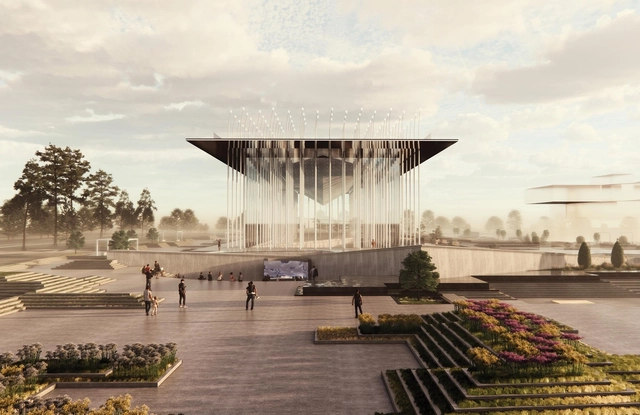
The built environment of Far East Asia is challenging the paradigm through urban developments that are centered around principles of sustainability, community, and user-centric design. Following concerns of high-density neighborhoods and compromised landscapes, architects of that region became aware that building for the future means changing their outlook on financially-driven projects with unsustainable strategies, and replacing them with structures that put the user and the environment at the forefront.
From an all-around panoramic hotel on The Philippines's waterfront to an emotion-provoking memorial inspired by the rain in South Korea, this round up of unbuilt projects showcases how architects merged the Far East's culture, history, and unique geography with contemporary designs, creating state-of-the-art architecture. This round up also includes projects from China, Vietnam, Indonesia, and Hong Kong.


https://www.archdaily.com/971627/the-architecture-of-technology-and-nature-9-unbuilt-projects-in-the-far-east-submitted-to-archdailyDima Stouhi
Zaha Hadid Architects Completes Infinitus Plaza in China

The Infinuts Plaza headquarters designed by Zaha Hadid Architects was inaugurated today, proposing a gateway for the new Baiyun Central Business District in Guangzhou, China. Developed on the site of a decommissioned airport traversed by a metro tunnel, the project proposes two distinct volumes with central atria that connect at multiple levels, resembling an infinity loop. Bringing together offices, research facilities, labs and a learning centre, the design proposes a work environment centred around connectivity and adaptability.


https://www.archdaily.com/971641/zaha-hadid-architects-completes-infinitus-plaza-in-chinaAndreea Cutieru
Taking Comfort Anywhere: A Conversation About Mobile Saunas
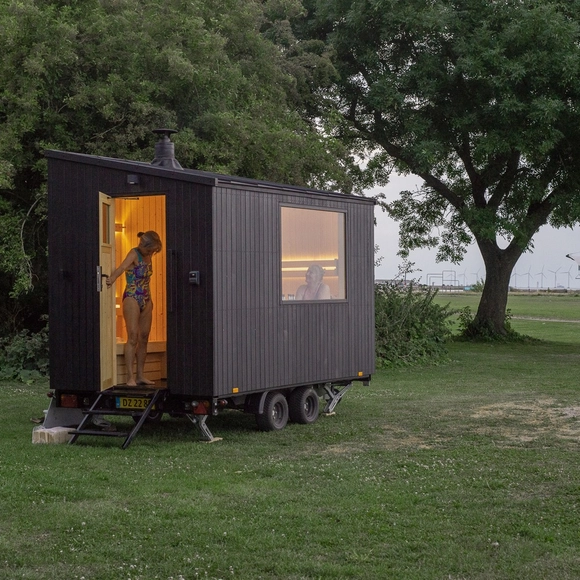
Saunas are inseparable from the culture of Nordic countries and they are increasing in popularity as a result of their many physical and mental health benefits. Their projects are usually quite archetypal, combining efficiency and sobriety.
We spoke with Jakob Gate, co-founder of Native Narrative & Scandinavian Sauna, who has been developing sauna projects that combine the flexibility of being transported anywhere, with the expertise and tradition of Scandinavian design. They work without electricity, heated by wood, while LED lighting is provided by a rechargeable battery. Learn more in the following interview:
https://www.archdaily.com/971454/taking-comfort-anywhere-a-conversation-about-mobile-saunasEduardo Souza