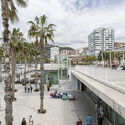
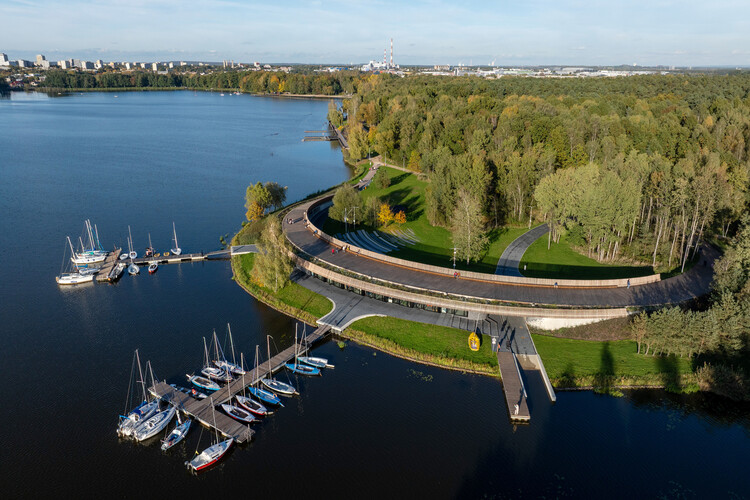
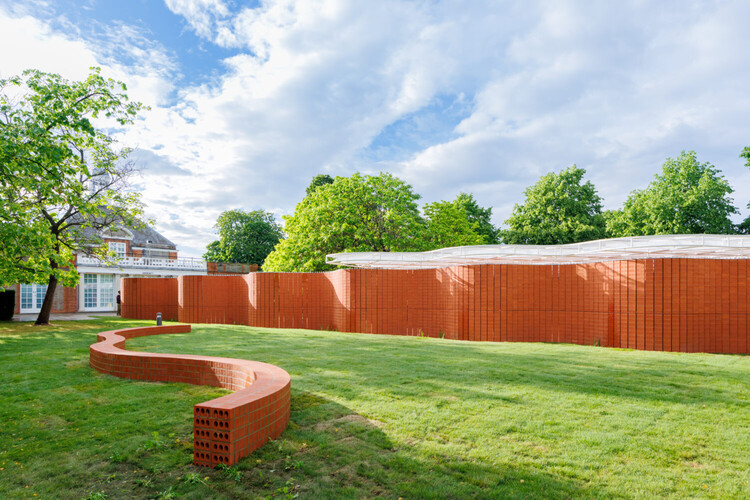
This week, architecture's cultural dimension took center stage through a series of new platforms, institutional developments, and public-facing projects that expand how the discipline is discussed, preserved, and experienced. From the announcement of participants for the inaugural Pan-African Biennale in Nairobi and the unveiling of Concéntrico Festival's urban interventions across Logroño, to the opening of La Biennale di Venezia's new archival headquarters at the Arsenale, architecture emerged as a vehicle for research, exchange, and collective reflection. Alongside these initiatives, projects such as the expansion of Crystal Bridges Museum in Arkansas and the opening of the 2026 Serpentine Pavilion demonstrate how cultural institutions continue to invest in new spaces for gathering and engagement. This week's selection spans Kenya, Spain, Albania, Saudi Arabia, Italy, Lebanon, the United Kingdom, and the United States, reflecting the diverse contexts in which cultural institutions, public events, and architectural initiatives continue to evolve.
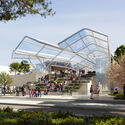
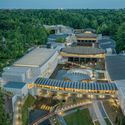
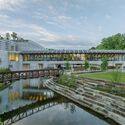
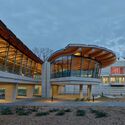
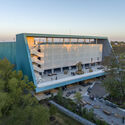
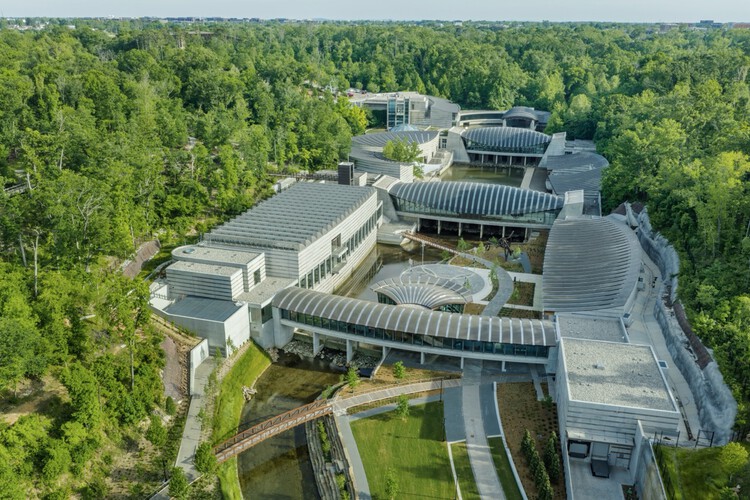
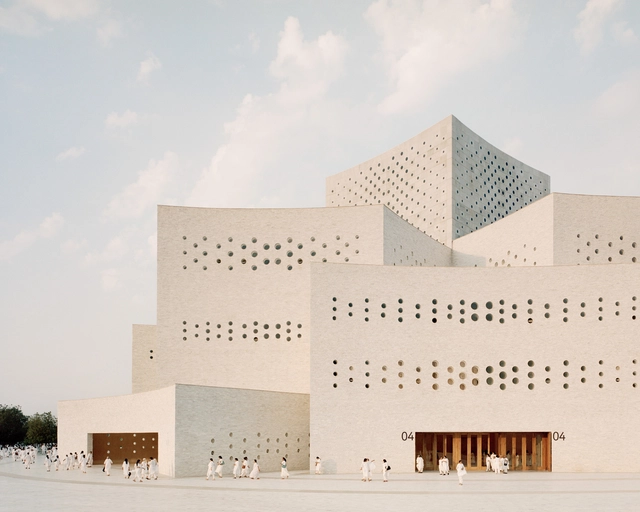
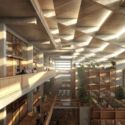
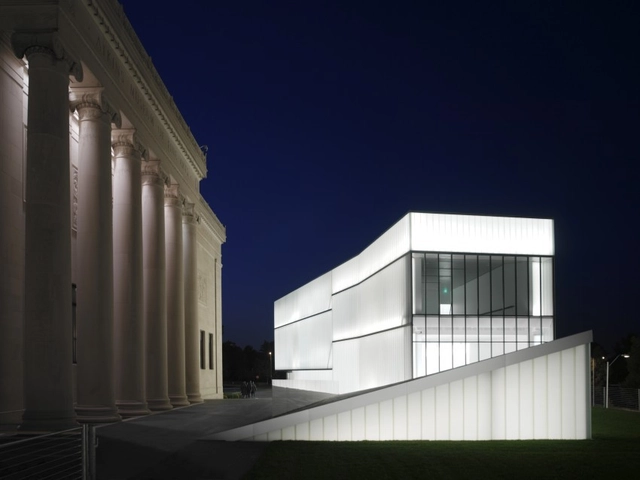
Crystal Bridges Museum of American Art in Bentonville, Arkansas, will open a major 114,000-square-foot expansion to the public on June 6–7, 2026. Designed by Safdie Architects, the project extends the museum's original architecture while introducing new galleries, educational facilities, public gathering spaces, and landscape connections across the institution's 134-acre campus. The addition represents the completion of a long-term development strategy for the museum, enhancing both its exhibition capacity and its engagement with the surrounding Ozark landscape.
As the year culminates, it's once again time for the ArchDaily team of curators to reflect on the best-performing projects of 2025 and consider what readers were most interested in. Through this diverse overview, we assess the cross-continental similarities and differences in trends and construction development. This year brought us many grand cultural and public spaces by Lina Ghotmeh, BIG, Zaha Hadid Architects, DnA, and Serie Architects, who populated events like Expo Osaka and the Venice Biennale, as well as a surprising number of museums and public or landscape works in China and the rest of the Asian continent. However, while these were sought-after projects, the leading works remained, unsurprisingly, residential projects.
More specifically, the houses that were most viewed on the ArchDaily global site were concrete houses that bore considerable injections of greenery and landscape focus. They propose layouts highlighting voids and double heights, as well as inner courtyards or large openings to the exterior. While some references did suggest traditional or vernacular elements, modernist revivals were still predominant. Material trends are much more tame, with a recurrence of raw concrete use, as wood and stone were common accent elements. Still, the more interesting thing about the works this year is the efforts brought by architects in situating and setting the projects within their surroundings, bringing special attention to landscape and how projects merged with nature.
Air travel has opened up multiple avenues for travel experiences. Lately, these transitional spaces have become destinations themselves, with airports like the Hong Kong International Airport and Incheon International Airport commanding over 60 million visitors per year. Airports are often the first and last impression of a city, and designers and city planners are recognizing their role in telling a place's brand story. As hubs of both travel and tourism, these airports aim to blend functionality with cultural engagement, offering passengers a taste of the local flavor before they even leave the terminal.
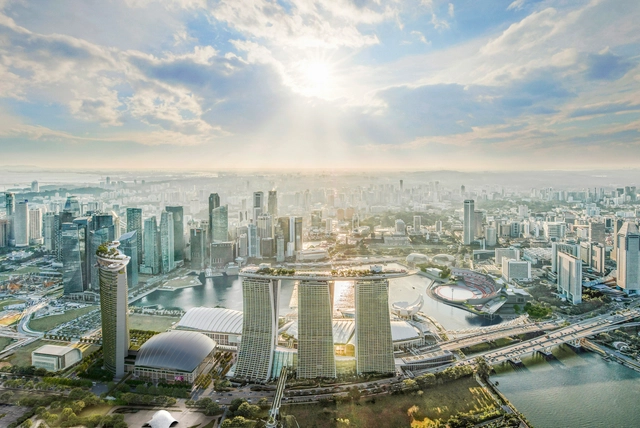
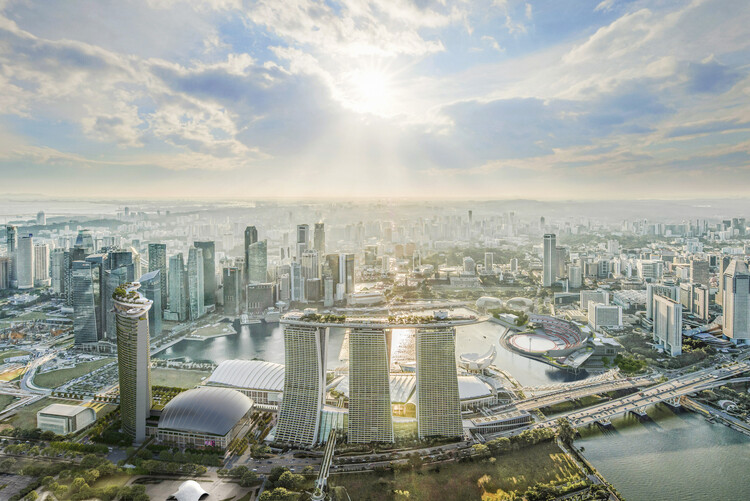
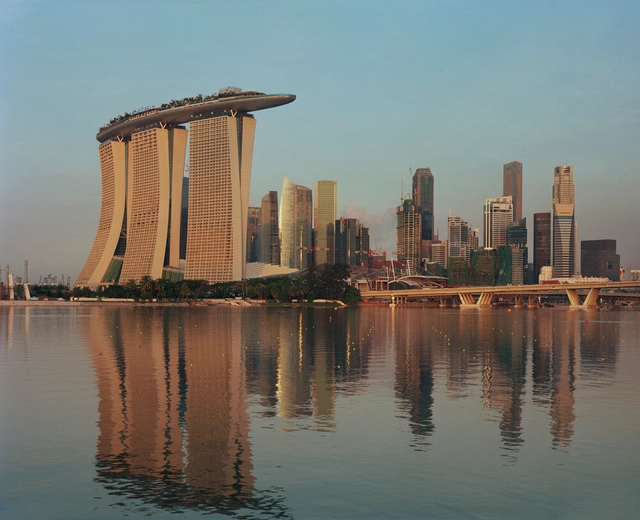
Courtesy of Safdie Architects | Marina Bay Islands
Nestled in the heart of Southeast Asia, Singapore stands as a beacon of sustainable urbanization. According to the 2016 Green City Index, the city-state of Singapore was the greenest city in Asia at one point. Renowned as the "City in a Garden," Singapore has intertwined lush greenery, verdant parks, and new environmental policies into its urban fabric/ After gaining independence in 1965, the city-state stands as a testament to how urban life can integrate with nature.
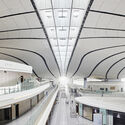
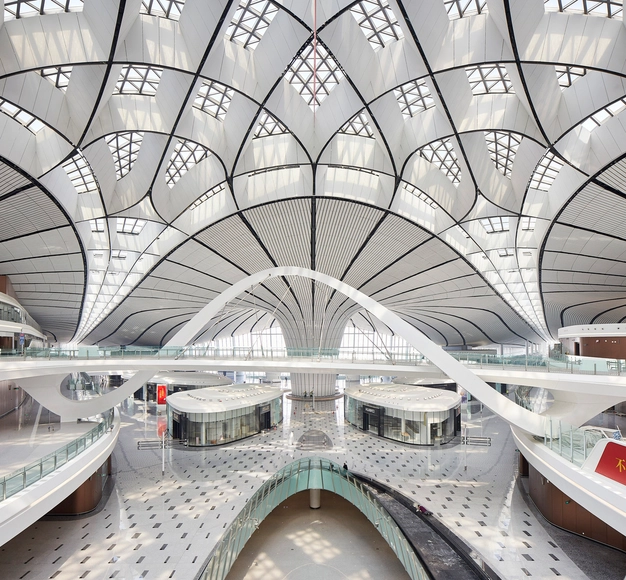
Modern airports have increasingly become symbols of architectural innovation, moving beyond their primary function as transportation hubs to become significant landmarks. A prominent trend in contemporary airport design is the use of curved forms to create fluid, dynamic spaces that enhance both functionality and visual impact. These curves, made possible by advancements in construction technology, allow for more flexible and expansive interiors, as well as designs that can better integrate with natural landscapes and improve passenger circulation and experience.
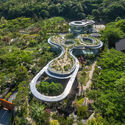
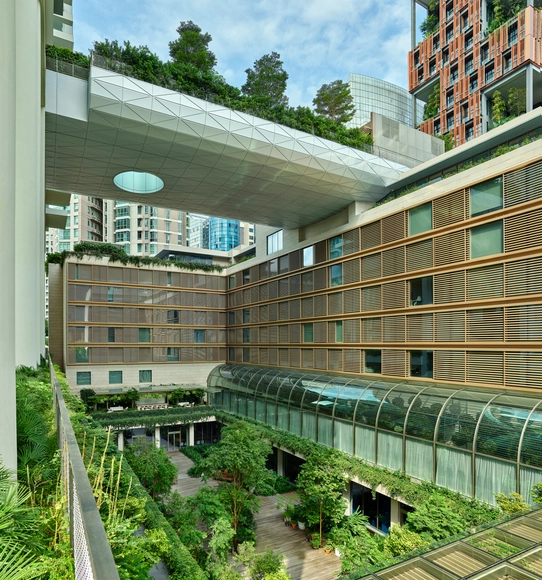
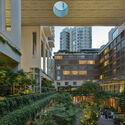
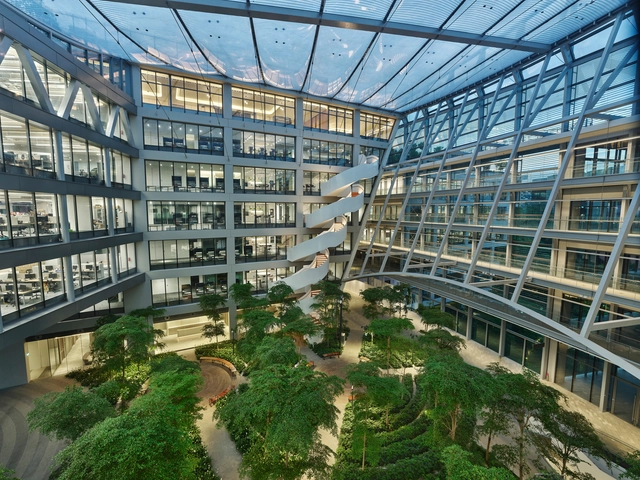
Safdie Architects has officially opened the new campus headquarters for Surbana Jurong, Singapore’s leading architecture, urban design, and infrastructure firm. The project expands Safdie Architects’ vision of 'for everyone a garden' into the workplace with a design that draws on the tranquility of the site’s previously undeveloped natural setting to foster shared moments of engagement and creativity. Achieving Green Mark (Super Low Energy) certification, the campus is the flagship development of the emerging Jurong Innovation District, envisioned as the first business park set in a tropical rainforest.
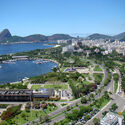
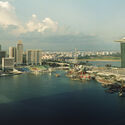
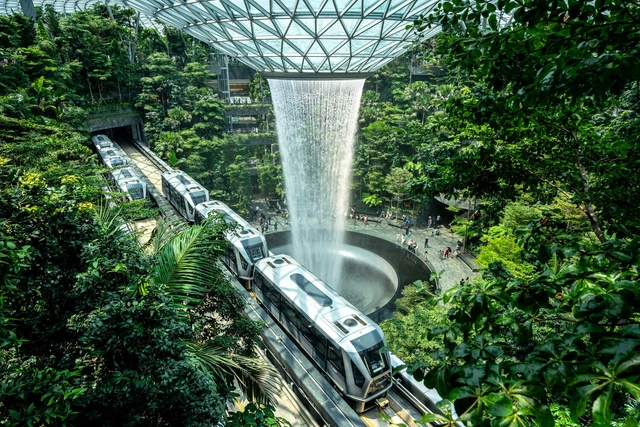
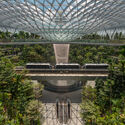
The development marks Safdie Architects' sixth project in Singapore and enhances the firm's prominent built portfolio in the city-state, which already includes Marina Bay Sands, Sky Habitat, and the Jewel at Changi Airport. On the occasion of the opening, ArchDaily spoke to Charu Kokate, Partner at Safdie Architects, who leads efforts in the Singapore region, about the firm's unique development footprint and building philosophy.
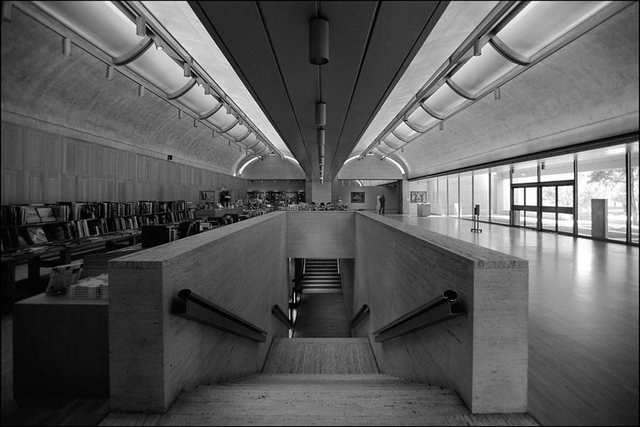
Kimbell Art Museum / Louis Kahn. Image Courtesy of Xavier de Jauréguiberry
AD Classics presents you with some of the greatest buildings of the past that have influenced and shaped architecture today. Throughout ArchDaily's 13 years, more than 200 classics were published, and for this edition, we have rounded up the top 20 most visited Architecture Classics to date.
The American Midwest is making a new name for itself. While cities like New York and Los Angeles are known as global design capitals, dynamic modern architecture has begun emerging across the country’s fly-over states. Advocating world-class architecture, sustainability, and craft, Kansas City has become a leader in great American design.
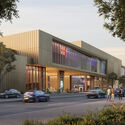
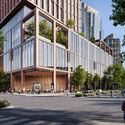
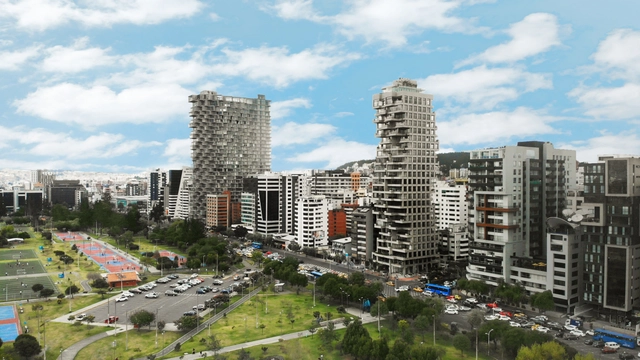
Quito-based developer Uribe Schwartzkopf unveiled two residential projects in the capital of Ecuador: IQON designed by Bjarke Ingels Group, and QORNER, by Safdie Architects. IQON represents BIG’s first project in South America and the tallest building in Quito. QORNER proposes a mix of residences of varying dimensions, complete with amenities such as private terraces, gyms, spas, and pools. To create an engaging interface with the city fabric, a mix of shops, restaurants, and commercial spaces are proposed at the street level.
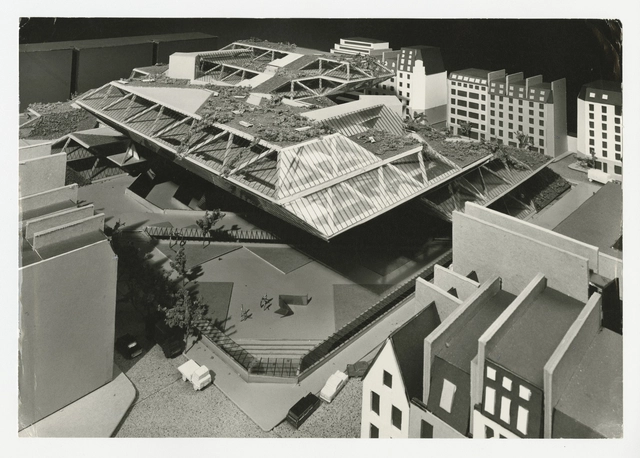
Pompidou Center Competition Model, 1971. Image Courtesy of Safdie Architects
From October 2022 through January 2, 2023, The Boston Architectural College (BAC) and Safdie Architects will display the most groundbreaking unbuilt projects by Moshe Safdie. With Intention to Build showcases the architect's creative process throughout the 55 years of his career, including models, drawings, and various texts and photographs. The exhibition provides context and tells the story behind these radical unrealized designs that have influenced projects such as Habitat 67 in Montreal, Canada, and Marina Bay Sands in Singapore.
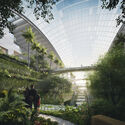
ImageJewel Changi Airport by Safdie Architects. Image Courtesy of Jewel Changi Airport
Safdie Architects is a research-oriented architecture and urban design studio active in a wide variety of project types, scales, and sectors. Safdie Architects’ global practice is directed from its headquarters in Boston, Massachusetts, with satellite offices in Jerusalem, Shanghai, and Singapore. Projects are designed, managed, and executed by a global team that hovers around 65 people! The practice is organized as a partnership and operates in the model of an intimate design studio environment. The firm's partners – many of whom joined Safdie shortly after graduation – have been working together for decades.
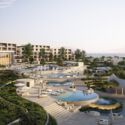
The Serena del Mar Hospital Center (CHSM) is the first hospital designed by Safdie Architects. Focusing on the human being, the concept revolves around the idea that "access to nature and natural light are vital in creating improved therapeutic experiences for patients, families and staff alike". Seeking to provide a sense of well-being that leads to better clinical outcomes, the hospital has started opening in phases to the public, earlier this year. The firm's first project in Latin America is not the only one, in fact, Safdie Architects are working on Qorner, a residential project under construction in Quito, Ecuador, and the Albert Einstein Education and Research Center in Brazil, to be inaugurated in early 2022.