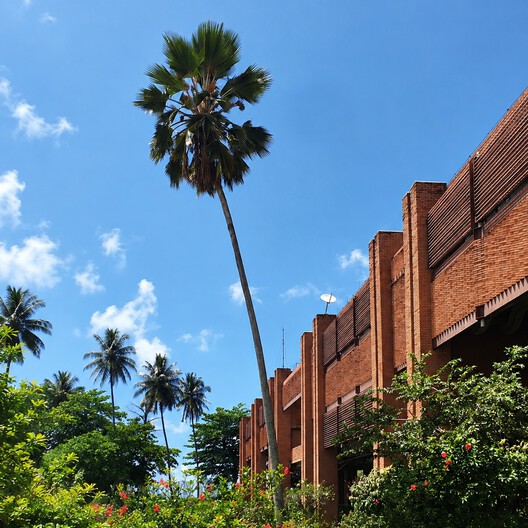
Last October 24th marked the centenary of the birth of Brazilian architect Francisco de Assis Couto Reis (1926–2011), who lived and built most of his work in the city of Salvador, Bahia. Assis Reis, as he was better known, had a career shaped not only by the buildings he designed but also by his urban renewal proposals, his design for the Brazilian Pavilion at the World Expo in Osaka, Japan (unbuilt), and the Scale Model of the City of Salvador, landmarked in 2020. His vast and diverse body of work belongs to a specific moment of modern expression in Brazil, when architects of this "second generation" were particularly concerned with adapting to local climatic, geographical, and cultural conditions.



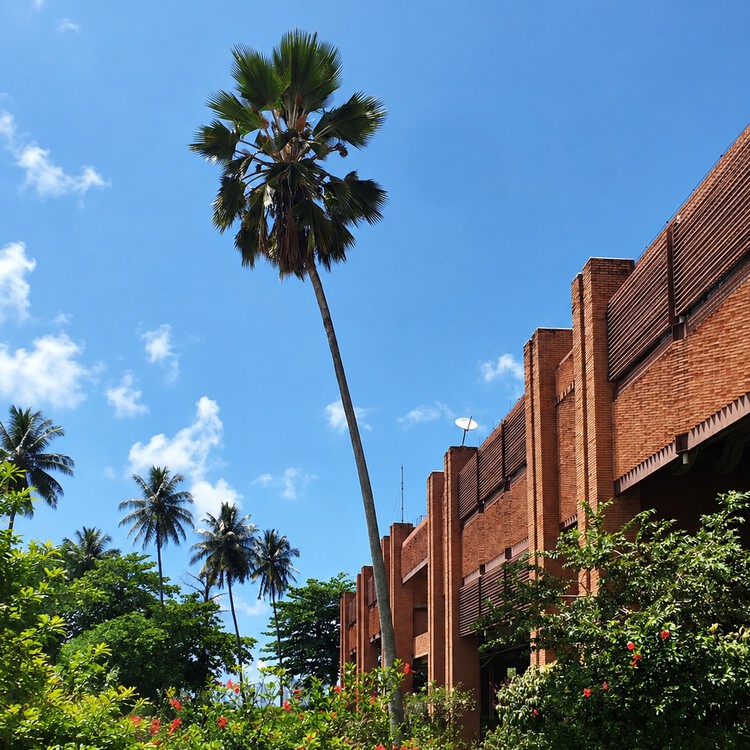
Born in Aracaju, Sergipe, on October 24, 1926, and raised in Parnaíba, Piauí, Assis Reis moved to Salvador in 1942. In 1957, he graduated with a degree in architecture from the Faculty of Architecture of the Federal University of Bahia (UFBA), an institution where he began teaching in 1968, contributing to the development of contemporary architectural thought in Bahia.