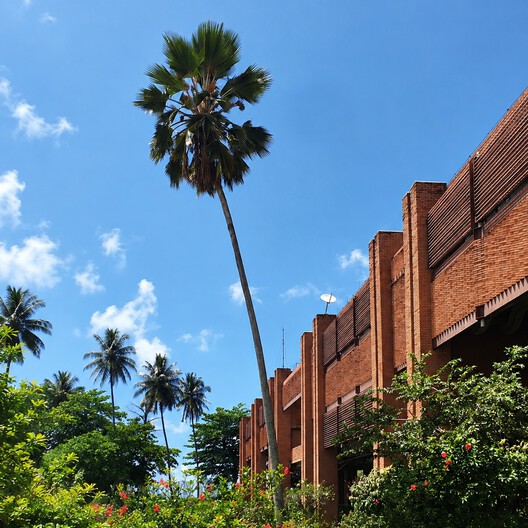
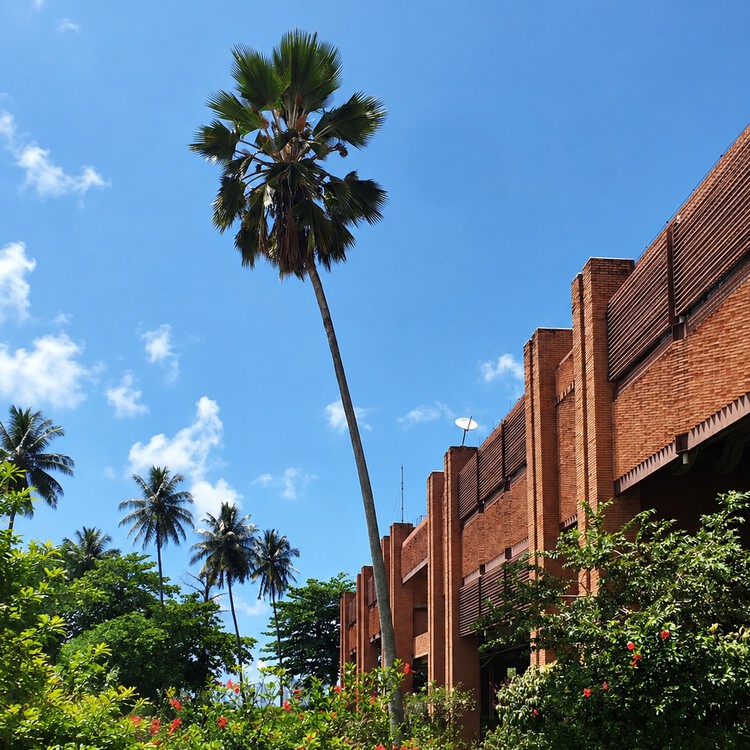
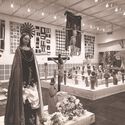
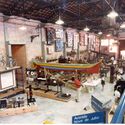
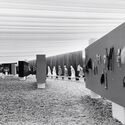
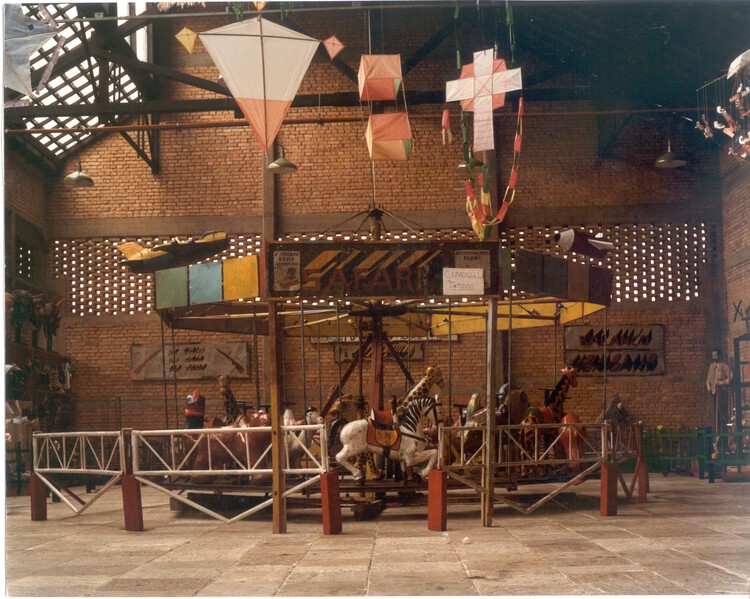
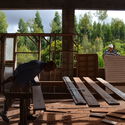
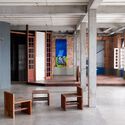
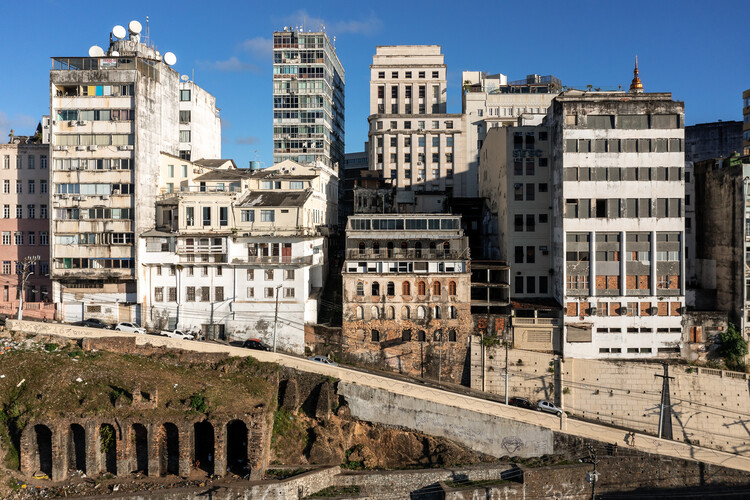
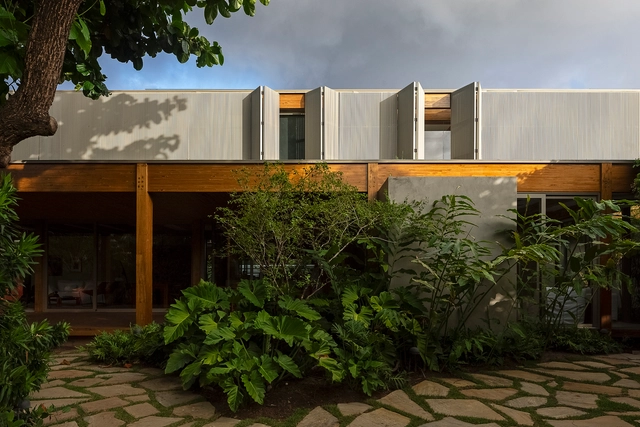
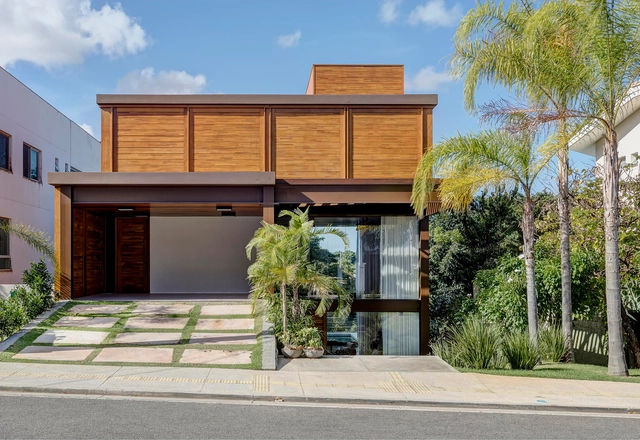
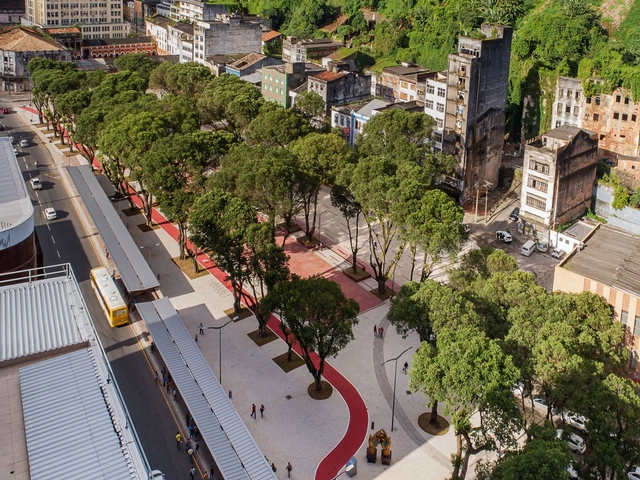
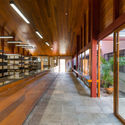
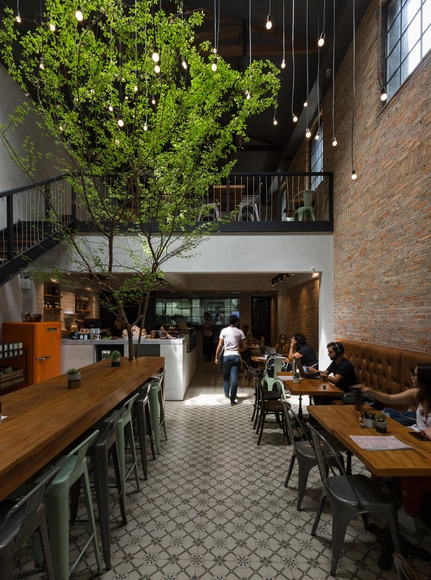
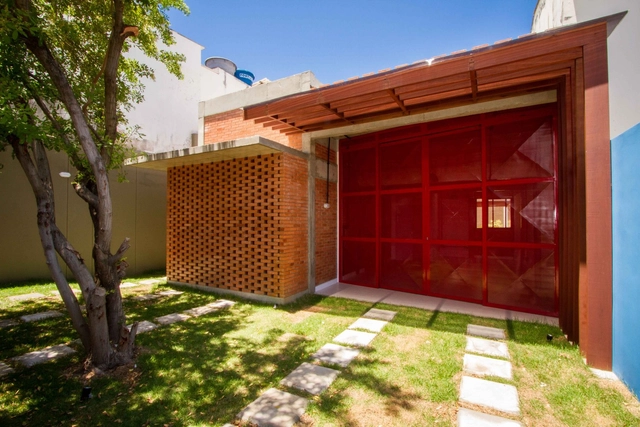
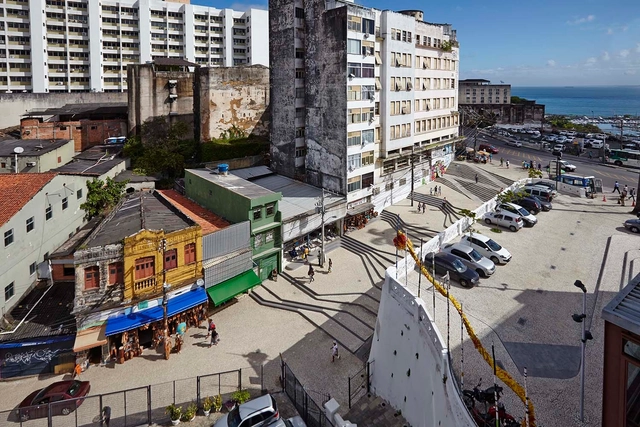
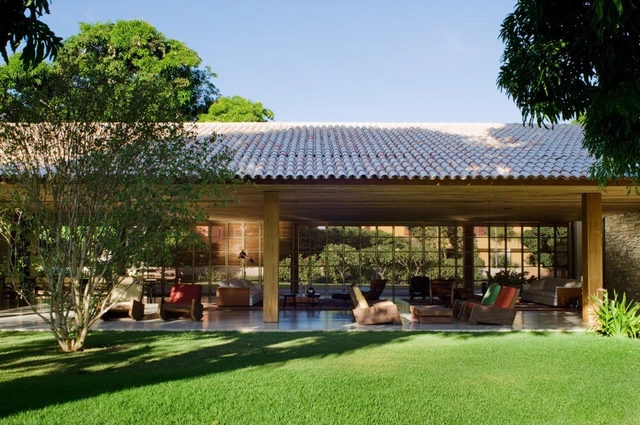
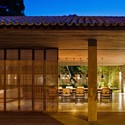
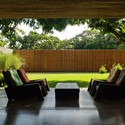
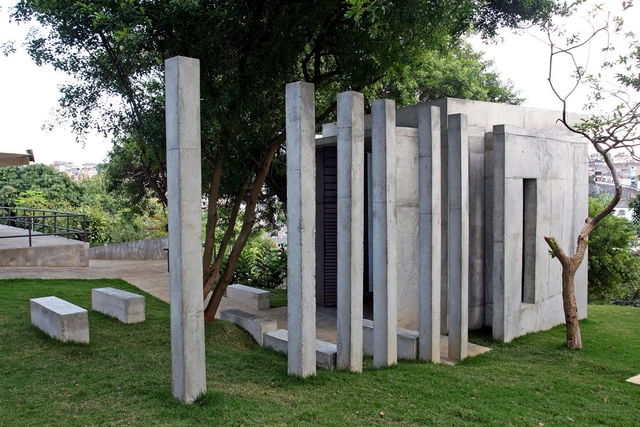
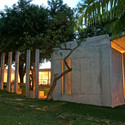
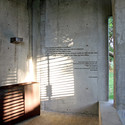
Last October 24th marked the centenary of the birth of Brazilian architect Francisco de Assis Couto Reis (1926–2011), who lived and built most of his work in the city of Salvador, Bahia. Assis Reis, as he was better known, had a career shaped not only by the buildings he designed but also by his urban renewal proposals, his design for the Brazilian Pavilion at the World Expo in Osaka, Japan (unbuilt), and the Scale Model of the City of Salvador, landmarked in 2020. His vast and diverse body of work belongs to a specific moment of modern expression in Brazil, when architects of this "second generation" were particularly concerned with adapting to local climatic, geographical, and cultural conditions.
In an era where digital fabrication and automation are increasingly present in architectural practice, manual craft is often seen as a luxury item—restricted to high-end projects whose clients can afford extended deadlines and collaborative processes requiring constant dialogue with artisans. This scenario might have sounded contradictory a few decades ago, when Lina Bo Bardi denounced that a process of "deculturation" was underway and that an appraisal of "popular" Brazilian civilization was urgently needed to confront totalizing universalisms and *folklore*—the latter viewed by her as an instrument of state alienation designed to neutralize the subversive and transformative character of popular culture:
The construction industry today faces an unavoidable paradox: the urgent need for sustainable solutions for the future of cities collides with the exhaustion of the term "sustainability" itself, often reduced to a hollow commercial label. In this scenario, Arquivo – one of the winners of ArchDaily's 2025 Next Practices Award – emerges as a facilitator and mediator between different stakeholders in the construction field through disassembly – or rather, de-construction – and the reuse of building elements. Etymologically, if "construction" derives from the Latin construere (to heap up, assemble), the prefix "de-" imposes a conceptual inversion: it is not about destroying, but about disassembling with intelligence to understand the logic of the parts.
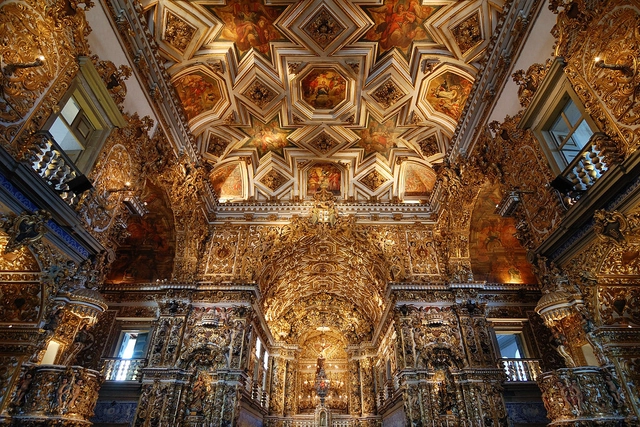
In the study of architectural history, one noticeable pattern is the apparent oscillation between different styles and languages. When a more restrained trend dominates, the subsequent one often reverts to more ornate motifs, and vice versa. It's crucial to acknowledge that this perceived 'flow' is only an impression; historical reality is invariably more intricate than records suggest, and the dominance of one style over another is an interpretation made by historians looking back from a future perspective. The Baroque style is a notable example of this phenomenon.
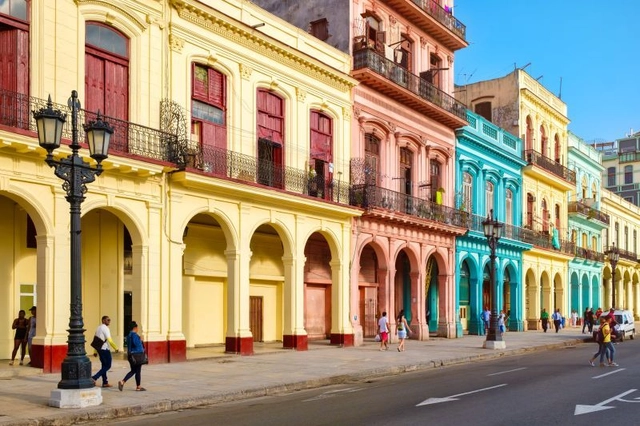
The grays of concrete and pollution are not the only representation of cities and towns in the Americas. As perfect postcard material, many cities in the new world express the vibrancy of the people and places through color. HAUS, ArchDaily's partner, has selected five of these cities, which show us how color can bring light to the day-to-day life of cities.
The CA’ASI association is organising an architectural competition highlighting the dynamics of the young Latin-American architecture. The best projects of this international competition open to young Latin-American architects will be exhibited in 2018 at the CA’ASI during the International Architecture Exhibition. This competition is a unique opportunity to underline the important role played by these countries today, reflected by the renewal of their architecture.
Brazilian architects Estudio America won a competition in Salvador for the refurbishment and expansion of the Castro Alves Theatre. More images and architect’s description after the break.