1. ArchDaily
  2. Patrimônio

Patrimônio: The Latest Architecture and News

Soviet Modernism in Central Asia: The Dilemma of Recent Heritage

Subscriber Access | 
Audio available

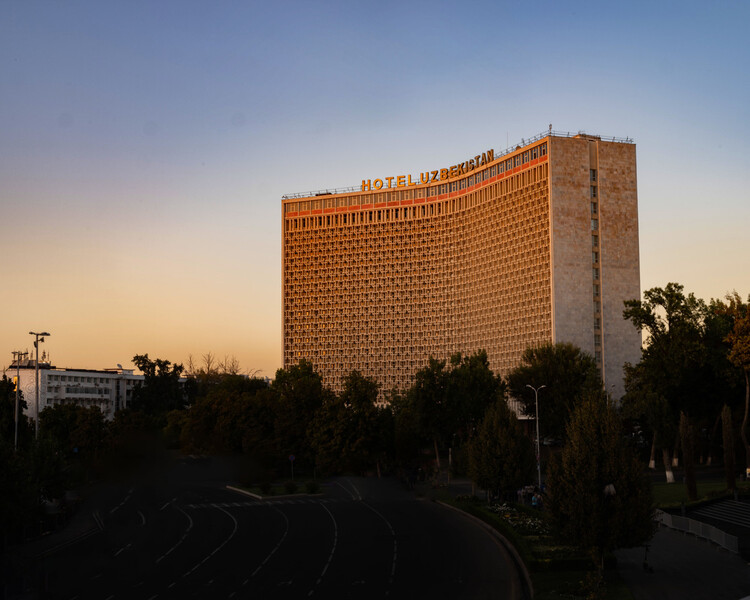
Over the last decade, Uzbekistan has done what most post-Soviet countries still hesitate to do: it formally included dozens of modernist buildings constructed between 1960 and 1980 on its national cultural heritage list. Among them were the Panoramic Cinema, the Tashkent Circus, and the Palace of Peoples' Friendship—structures that, until just a few years ago, were viewed as routine, recent Soviet architecture lacking heritage status.

This decision, however, points to a challenge shared by almost every heritage system worldwide: how to legally protect architecture that has not yet reached the minimum age—formal or informal—to be considered "historic"?
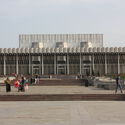
Soviet Modernism in Central Asia: The Dilemma of Recent Heritage - 1 的图像 4Soviet Modernism in Central Asia: The Dilemma of Recent Heritage - 2 的图像 4Soviet Modernism in Central Asia: The Dilemma of Recent Heritage - 3 的图像 4Soviet Modernism in Central Asia: The Dilemma of Recent Heritage - 4 的图像 4Soviet Modernism in Central Asia: The Dilemma of Recent Heritage - More Images+ 8

Memory of the Earth: 4 Examples that Reinvent Former Ceramic Factories

Subscriber Access | 
Audio available

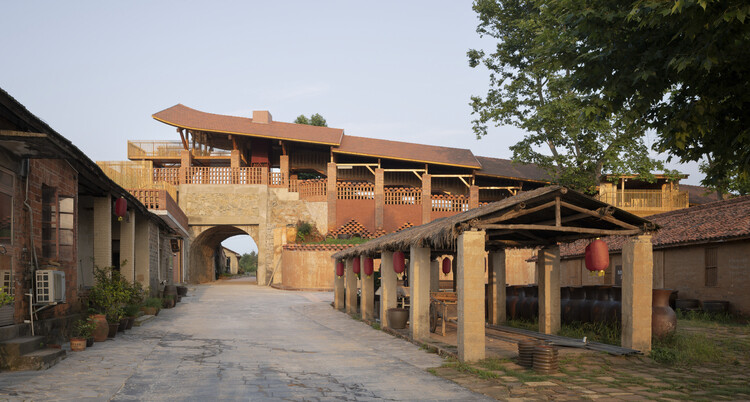
There is an ancestral gesture in shaping earth. Long before architecture emerged as a discipline, clay was already being molded by hand and transformed by fire, turning raw material into domestic utensils and cultural objects. In the history of this craft, ceramic factories marked the transition from manual knowledge to mass production, expanding in scale without completely breaking from their material origins. Scattered across different territories, these structures record the relationship between technique, landscape, and time. Over the decades, however, many of them eventually lost their original function, replaced by more technological processes or consumed by the surrounding urban development, coming to occupy an intermediate state between permanence and obsolescence.

Memory of the Earth: 4 Examples that Reinvent Former Ceramic Factories - Image 1 of 4Memory of the Earth: 4 Examples that Reinvent Former Ceramic Factories - Image 2 of 4Memory of the Earth: 4 Examples that Reinvent Former Ceramic Factories - Image 3 of 4Memory of the Earth: 4 Examples that Reinvent Former Ceramic Factories - Image 4 of 4Memory of the Earth: 4 Examples that Reinvent Former Ceramic Factories - More Images+ 14

An Epic of Fire and Stone: The Story Behind the Intervention at the Benedictine Monastery of Catania, Sicily

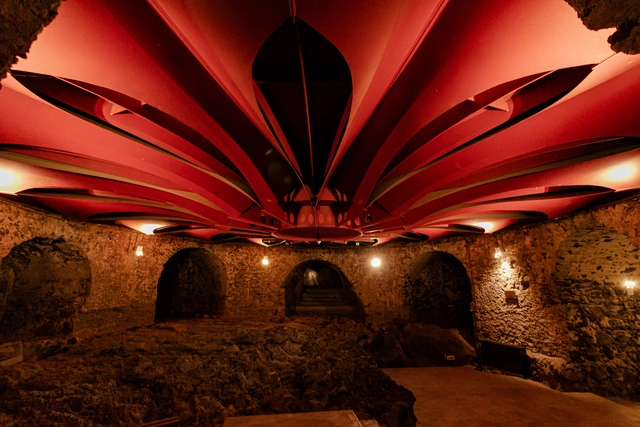
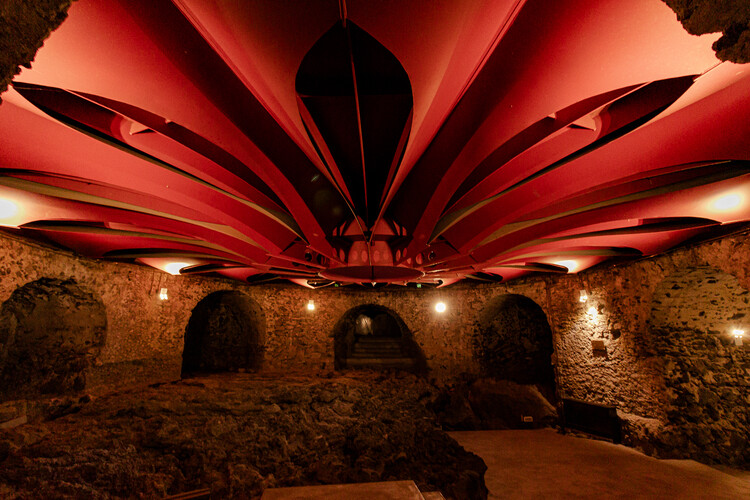
The Benedictine Monastery of San Nicolò l’Arena in Catania, Sicily, holds within its stones the echoes of five centuries, shaped by time, varied uses, violent earthquakes, and the blazing force of Mount Etna. Its walls, silent witnesses to history, were molded both by the fire of nature and by human hands. Yet among all the transformations it underwent, none was as profound or poetic as the one led by Italian architect Giancarlo De Carlo, starting in 1980. After 30 years of dedicated work, time required to truly understand such a complex and awe-inspiring site, the former monastic residence was reborn as a university, not by force, but through revelation.

An Epic of Fire and Stone: The Story Behind the Intervention at the Benedictine Monastery of Catania, Sicily - Image 1 of 4An Epic of Fire and Stone: The Story Behind the Intervention at the Benedictine Monastery of Catania, Sicily - Image 2 of 4An Epic of Fire and Stone: The Story Behind the Intervention at the Benedictine Monastery of Catania, Sicily - Image 3 of 4An Epic of Fire and Stone: The Story Behind the Intervention at the Benedictine Monastery of Catania, Sicily - Image 4 of 4An Epic of Fire and Stone: The Story Behind the Intervention at the Benedictine Monastery of Catania, Sicily - More Images+ 22