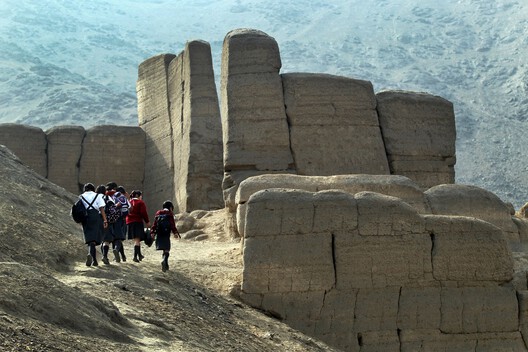
A campaign led by Red Lima Milenaria is seeking UNESCO recognition for pre-colonial sites in the Peruvian capital. Today, more than 600 archaeological sites remain in Lima, a metropolis of 11 million people. The citizens' campaign seeks to improve conservation conditions and public awareness of the sites that resisted European colonization by promoting the nomination of a selection of structures for inscription on UNESCO's World Heritage List. The public campaign was recently launched to gather citizen support and establish partnerships with organizations working in heritage and related fields, in order to prepare the framework for a formal nomination to be submitted by the Peruvian state. The initiative coincides with reconstruction movements in the continent responding to socioeconomic inequality and structural historical injustices, raising questions about the very definition of heritage.
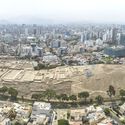
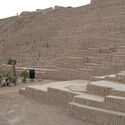
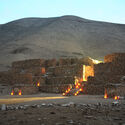
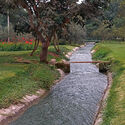
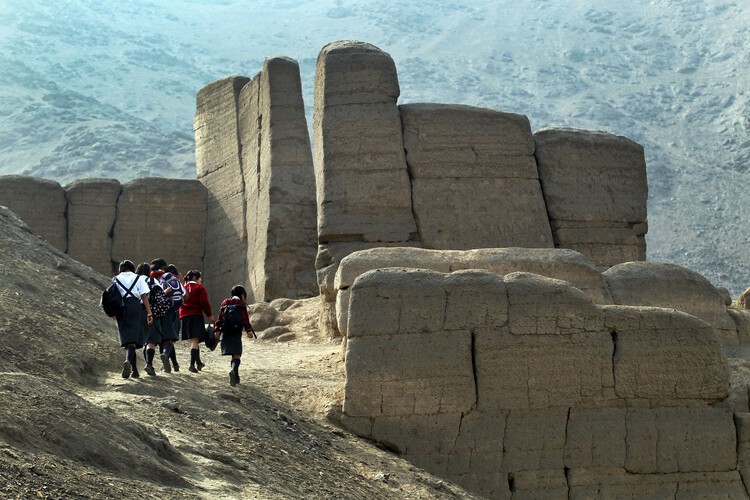
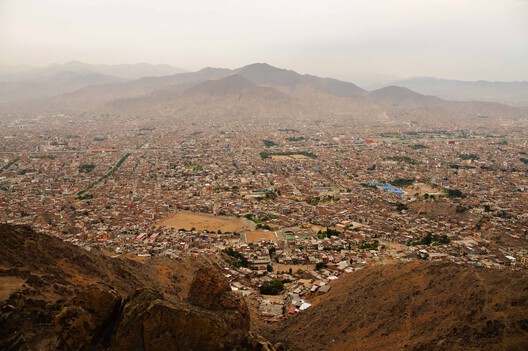
Sites awaiting preservation are known as huacas (or wak'a), commonly understood as sacred places believed to hold spiritual power and a connection to ancestors or deities in traditional Andean culture. According to César Itier, "huaca" actually meant "split," referring to portable stones considered fragments or duplicates of a mythical ancestor residing on a hill. The term was therefore applied to the sanctuary that housed these stones, to the divine ancestor himself, and to the stone amulets that emanated from him. The remaining sites are today embedded among the homes, roads, and high-rise buildings of contemporary Lima, many of them facing intense urban pressure and inadequate maintenance. Today, ahead of Peru's forthcoming municipal elections, the campaign seeks to place their future within the debate over how Lima develops.
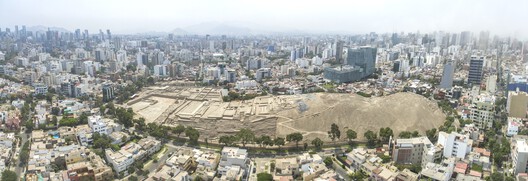
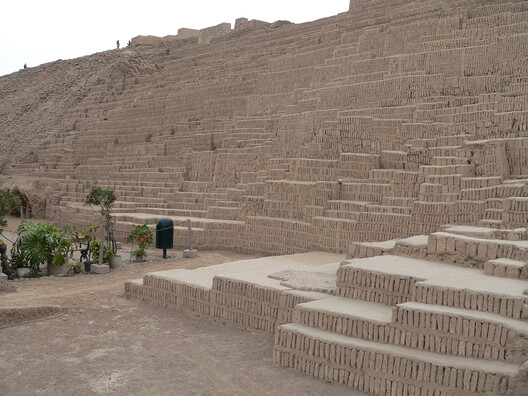
UNESCO recognition would bring greater international visibility to this extraordinary heritage. For the people of Lima, however, the real challenge is to recognise the huacas as an essential part of our identity and integrate them into the life of the city. ― Javier Lizarzaburu, founder of Red Lima Milenaria
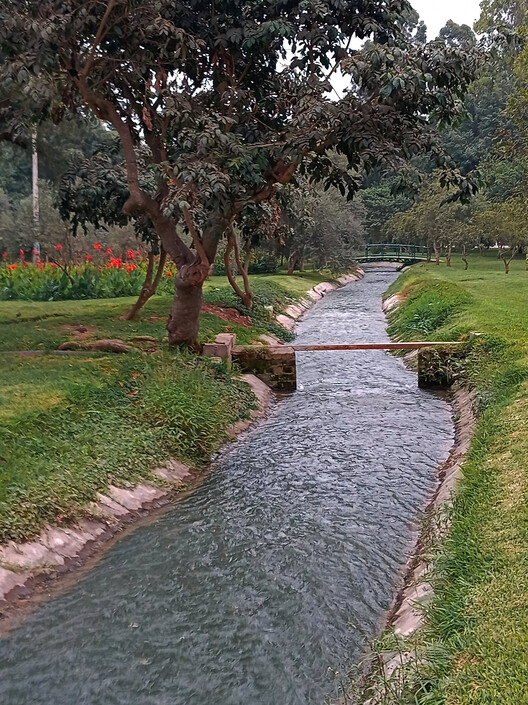
The campaign also aims to raise awareness about past ways of life and build contemporary appreciation for those cultural traditions. As Red Lima Milenaria states, "for almost five centuries, the capital's dominant historical narrative has largely treated the colonial period as its starting point." The list of sites is composed of places that bear witness to the diversity of societies that once inhabited Peruvian territory, including monumental structures built of earthen materials and ancient irrigation systems still in operation. A preliminary survey accompanying the campaign places Lima among the few capital cities in the world, along with Amman, Yerevan, Jerusalem, Cairo, Abu Dhabi, Manama, and Beirut, that retain architecture dating back approximately 4,000 years or more within their urban or metropolitan areas. The campaign's outreach efforts are therefore also aimed at promoting its international significance.
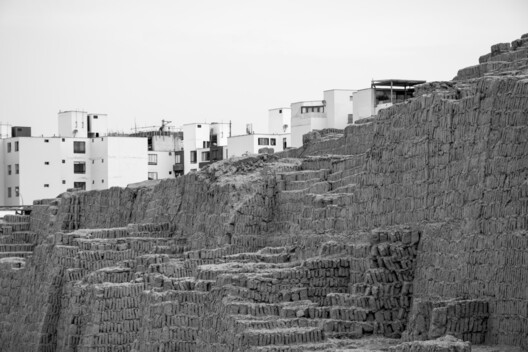
The group of potentially nominated sites includes El Paraíso huaca in the district of San Martín de Porres (2000 B.C.); the Pucllana huaca in Miraflores (5th century A.D.); the Campoy fortress in San Juan de Lurigancho (12th century A.D.); and sections of the Surco Canal in San Borja, among others. Two thousand years ago, other notable civilizations flourished beyond the Maya and the Incas, such as the Han Dynasty in China and the Roman Empire in the Mediterranean basin. For these Andean archaeological sites to receive similar recognition from UNESCO, the application needs to demonstrate that the cultural sites are historically authentic in materials, design, and setting; meet at least one of ten official selection criteria; and show that they can have adequate local legal protection, among other requirements of the multi-step nomination and evaluation process.
Other recent news from Latin America includes Frida Escobedo Studio's new project for the renovation of the Museum of Latin American Art (MALBA) in Buenos Aires, an underground extension celebrating the cultural institution's 25th anniversary. Also in Buenos Aires, the Argentine International Architecture Biennial celebrates 40 years of history this year, with an edition featuring representatives from more than 55 cities worldwide, in a free, open program running for five weeks. In Chile, local heritage is also being claimed as a subject of value and study, with a learning and collaboration event centered on Valparaíso's traditional construction trades, "Oficios en obra," running from October 9 to 11.


