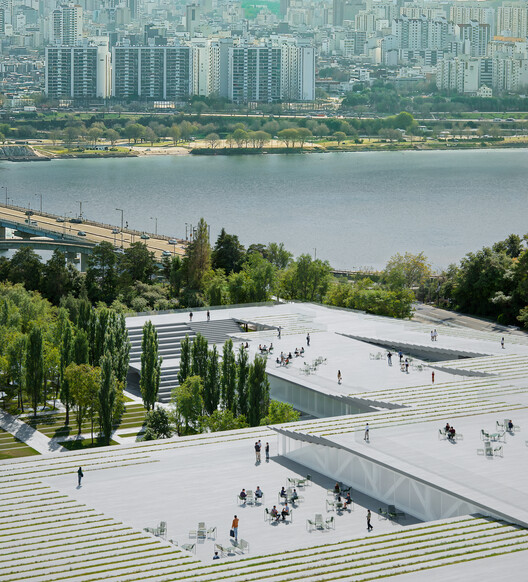
Some urban experiences are etched into our memory through a shift in pace. The postmodern city has often been described as an experience lived at the rhythm of motorized mobility, in contrast to the stroll, the promenade, or even the processions that preceded it. In a fast-paced urban culture, walkability is championed in urban planning not only as a factor of safety and social cohesion, but also as a path to a more sensory way of life. This selection of unbuilt projects submitted by ArchDaily readers showcases design examples that prioritize the experience of the environment through a pedestrian pace. Beyond respecting walking as a mobility choice, these conceptual proposals link the act of walking with contemplation of one's surroundings, respect for what already exists, and connection with other people.
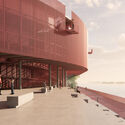
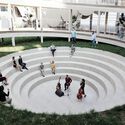
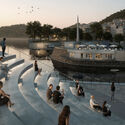
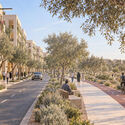
There is a wealth of theory on what makes an environment walkable: proximity between services, perceived safety, material comfort, supportive infrastructure for different bodies, among countless other details. The following six conceptual proposals show design decisions that facilitate walking in Korea, Canada, Finland, Greece, Libya, and the United States, across buildings, public spaces, and entire neighborhoods. Through habitable rooftops that connect with the street, sinuous circulation structures, covered paths woven through nature, and strategies for combining walking with other modes of transport, each project offers its own set of responses. The relationship with walkability is mutual: some actions only happen if we move slowly, and some structures make more sense at a different pace.


