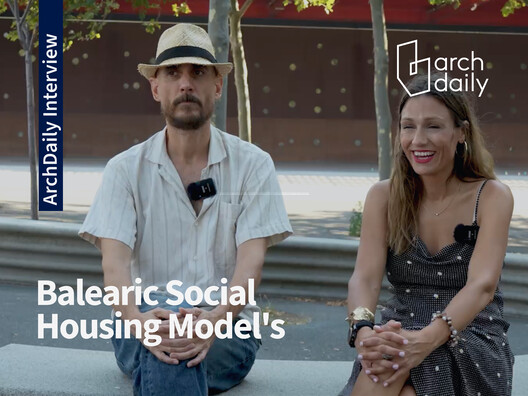
On 1 September 2026, the Balearic Social Housing Model was announced as the recipient of the 2026 OBEL Award. The focus of this award's cycle was "Systems' Hack," calling on architecture to critically engage with the systems that underpin contemporary society and to examine how these interconnected networks might be reconfigured in response to accelerating global challenges. The Balearic Social Housing Model, created by economist and independent consultant Cris Ballester and architect and civil servant Carles Oliver, is a six-point approach to public housing developed between 2019 and 2023, providing additional value and comfort to traditional affordable housing by bringing procurement, architecture, materials, energy, tenure, public capacity and learning together as responses to current social, environmental and economic challenges. In this interview with ArchDaily, the model's creators discuss its origins, ambitions, and material challenges in making social housing a desirable place to live.
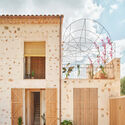
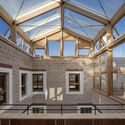
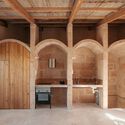
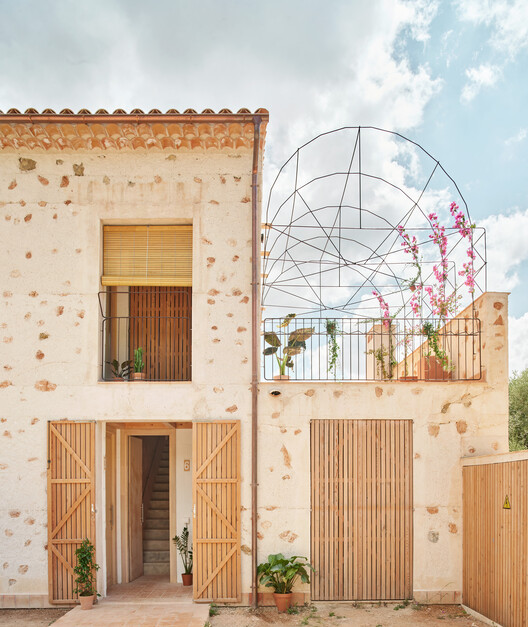
The model grew out of a need to rethink social housing in the Balearic Islands, where publicly built housing had long carried a reputation for poor quality. As technicians tasked with changing that perception, Cris Ballester and Carles Oliver worked alongside IBAVI, the Balearic Housing Institute. The initial goal was to increase the public housing stock by 50%, a target that ultimately grew to more than 70%. Meeting it within a tight three- to three-and-a-half-year timeframe brought its own difficulties, from navigating multiple regulations to weathering the COVID-19 pandemic and rising raw material prices, all while the model itself took shape gradually through the work rather than starting from a finished blueprint. From the outset, the questions driving the project were how to respond quickly to a genuine housing emergency while still understanding what impact that speed would have, and, on the economic side, how much residents would end up paying, and what the real long-term costs would be.
These buildings eventually create the limits of the public space. So, if you build ugly social housing, in the end, you will create and develop social problems. So, the moment you invest within a budget for social housing, you invest in something that's better for the people who live in it, but also for the whole neighbourhood.
Related Article
Architecture Awards Must Evolve: A Debate on Their Role and Responsibility at the UIA World Congress 2026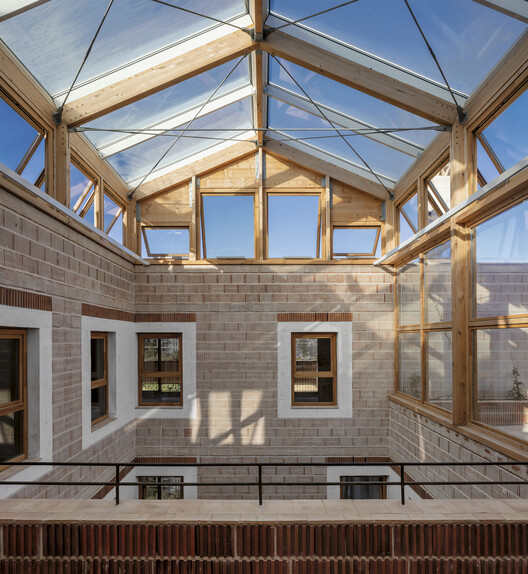
The creators describe a commitment that runs across the entire life of each building, from initial concept through to delivery and everyday living. It took roughly two-and-a-half to three years before the first keys were handed over and tenants moved in, the point, they say, when the model stopped being simply an idea and became something demonstrably possible. That commitment carries into how the buildings are lived in, with ongoing attention to what they describe as the "life cost" of residing there over time. Replicating the model elsewhere, in their view, depends on two things: courage, since strategies can be copied but outcomes will always differ according to local circumstances, and genuine multidisciplinary collaboration. Architects, economists, and legal teams working in isolation, they argue, simply does not work, the different professions involved need to work together.
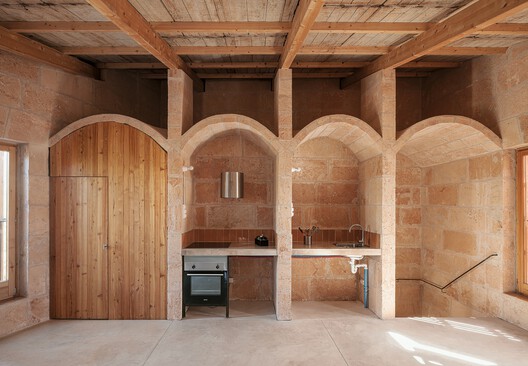
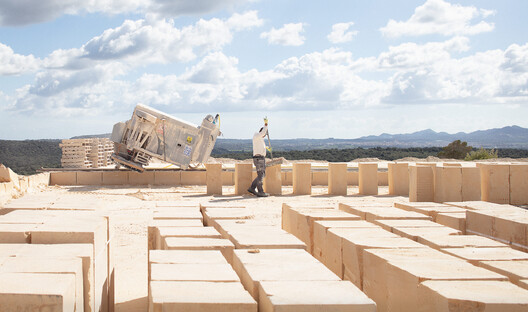
Precision is a recurring theme: precision in how budgets are divided between passive and active building strategies, and precision in material choice, since a design must be built around a material's specific properties rather than imposed on it regardless of what that material is. This precision extended to working within EU procurement law, which prevents public tenders from naming specific materials outright. The workaround was to describe the required features and qualities of a material instead of naming it directly, a route made possible by climate change legislation favouring low-carbon and local materials wherever feasible. Applying the model in other places, they suggest, starts with building a clear "map of resources", understanding local stakeholders, regulatory gaps and available materials specific to that place. As they put it, these different dimensions should be taken into account from the very beginning.
What we found out is that the impact on our territory, or let's say using local materials, can also be territory resilience and can also be competitive, can also make a competitive territory. Because it's local labour force, because it's new jobs, because maybe new industries can come, or industries that were about to disappear could suddenly restart and make money for the same place where we were constructing houses.
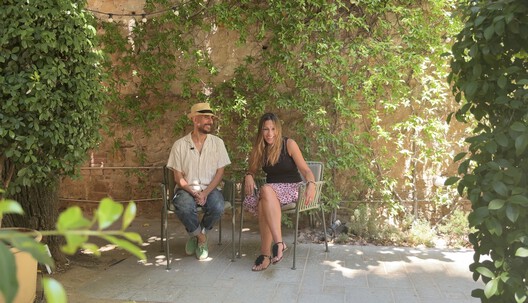
Watch the full interview to hear Cris Ballester and Carles Oliver discuss the Balearic Social Housing Model in their own words, and explore ArchDaily's coverage of previous OBEL Award cycles to discover other award-winning, non-traditional architectural initiatives.