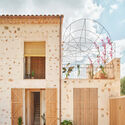
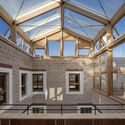
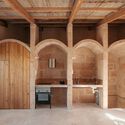
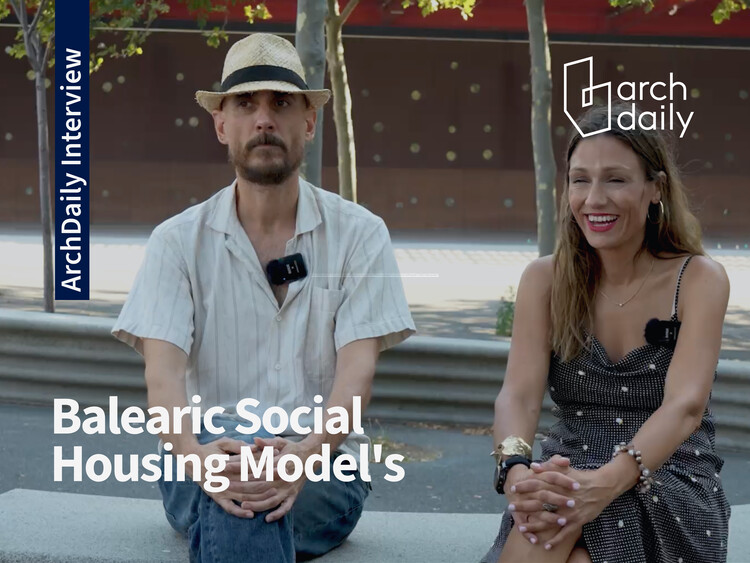
On 1 September 2026, the Balearic Social Housing Model was announced as the recipient of the 2026 OBEL Award. The focus of this award's cycle was "Systems' Hack," calling on architecture to critically engage with the systems that underpin contemporary society and to examine how these interconnected networks might be reconfigured in response to accelerating global challenges. The Balearic Social Housing Model, created by economist and independent consultant Cris Ballester and architect and civil servant Carles Oliver, is a six-point approach to public housing developed between 2019 and 2023, providing additional value and comfort to traditional affordable housing by bringing procurement, architecture, materials, energy, tenure, public capacity and learning together as responses to current social, environmental and economic challenges. In this interview with ArchDaily, the model's creators discuss its origins, ambitions, and material challenges in making social housing a desirable place to live.
ArchDaily Interviews: The Latest Architecture and News
"If You Build Ugly Social Housing, You Will Create Social Problems": An Interview with the OBEL Award 2026 Recipients

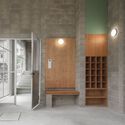
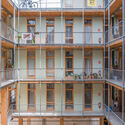
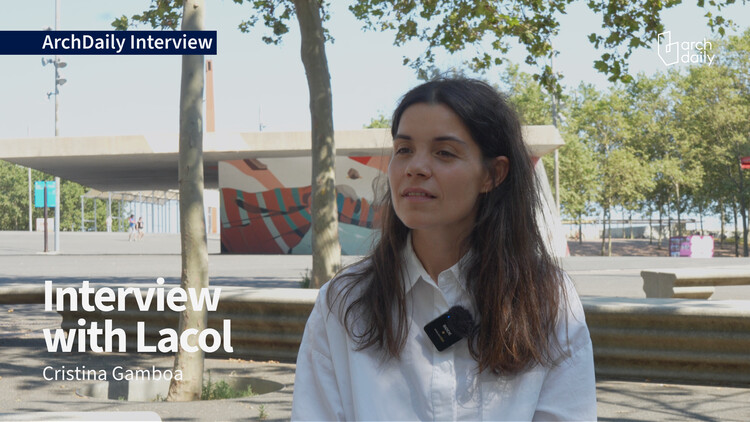
"Promoting Another Way of Living Together": In Conversation with Cristina Gamboa of Lacol
At the UIA World Congress of Architects 2026 in Barcelona, discussions surrounding the future of housing frequently extended beyond questions of design to include governance, ownership, and long-term stewardship. Among the speakers contributing to these conversations was Cristina Gamboa, co-founder of the Barcelona-based cooperative Lacol, whose practice combines architecture, housing advocacy, construction management, and environmental research through a cooperative model. During the Congress, ArchDaily spoke with Gamboa about how cooperative practice reshapes the architect's role, why participation extends beyond consultation, and how projects such as La Borda and La Morada continue to inform broader discussions on housing, care, and collective living.


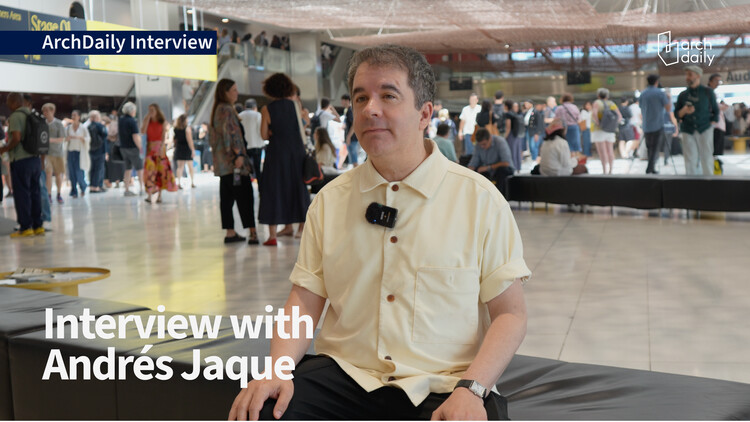
"Design Is Inseparable from Activism": In Conversation with Andrés Jaque at the UIA World Congress of Architects 2026
At the UIA World Congress of Architects 2026 in Barcelona, the theme Becoming. Architectures for a Planet in Transition framed architecture as a discipline operating within environmental, political, and social transformations rather than outside them. Among the speakers participating in this edition was architect Andrés Jaque, founder of the Office for Political Innovation and Dean of Columbia University's Graduate School of Architecture, Planning and Preservation (GSAPP). During the Congress, ArchDaily spoke with Jaque about architecture's capacity to generate alternatives, the role of experimentation in education, and why transition should be understood as a condition rather than a destination.

"We Want to Learn Something New": In Conversation With the Curators of UIA World Congress of Architects Barcelona 2026
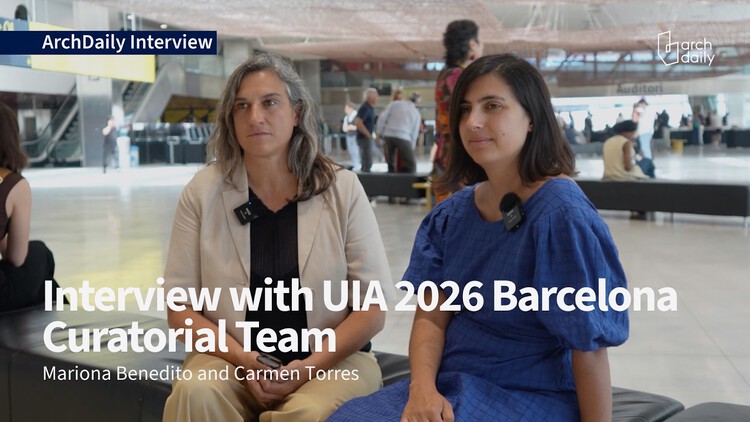
As Barcelona hosts the UIA World Congress of Architects for the second time in its history, thirty years after the 1996 edition, the city becomes a site for reflecting not only on architecture but also on the changing conditions under which it operates. Titled Becoming. Architectures for a Planet in Transition, and developed by the six-member curatorial team of Pau Bajet, Maria Giramé, Mariona Benedito, Tomeu Ramis, Pau Sarquella, and Carmen Torres, the 2026 Congress expands the discussion beyond the city toward planetary questions, addressing architecture through ecological, social, political, and material systems rather than as an isolated discipline. During the opening day of the Congress, ArchDaily spoke with Mariona Benedito and Carmen Torres, two members of the curatorial team, about how this edition revisits Barcelona's architectural legacy, why uncertainty has become central to architectural thinking, and what they hope participants will take away from the event.


"An Environment Where People Show Knowledge": In Conversation With David Gianotten of OMA on Salone Contract
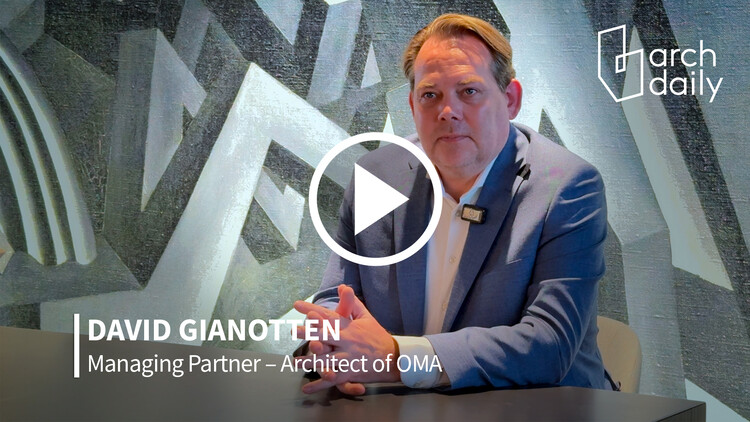
At Salone del Mobile 2026, the 64th edition of the fair unfolded at a moment of transition for the global design industry, where questions of production, collaboration, and long-term performance are reshaping established formats. Held at Rho Fiera Milano and extending across the city during Milan Design Week, this year's edition brought together over 1,900 exhibitors while introducing new curatorial and strategic layers. Among the most significant developments was the first public iteration of "Salone Contract," a long-term initiative developed through a master plan by Rem Koolhaas and David Gianotten of OMA. During the event, ArchDaily's Managing Editor Romullo Baratto and Editor-in-Chief Christele Harrouk met with David Gianotten. In the conversation, Gianotten reflected on how the project responds to broader shifts in design practice, moving from object-based production toward integrated systems and collaborative frameworks.




“Earth Is Not Nostalgia”: Hand Over on Design-Build and Local Materials

Each year, the ArchDaily Next Practices Awards highlights emerging studios that are expanding the scope of architecture through new methods, materials, and ways of working. Selected from a global pool, these practices reflect a shift away from singular definitions of the discipline, engaging instead with broader questions of construction, environment, and social impact. Rather than operating within fixed categories, many of these studios position themselves across fields, combining design, research, and production to respond to contemporary conditions.
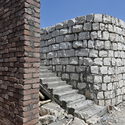
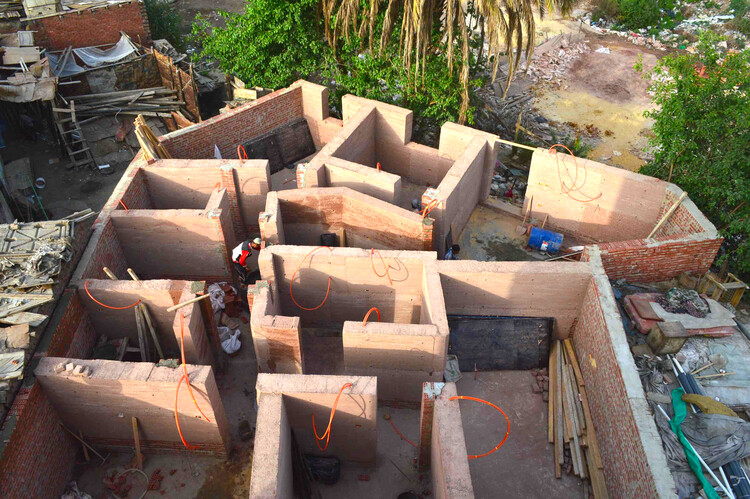
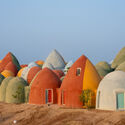
Named one of the winners of the 2025 edition, Hand Over is a Cairo-based practice operating across design, construction, and research. Founded by Radwa Rostom, a civil engineer with over fifteen years of experience in development and sustainability, the studio works through an integrated design-build model, engaging with earth construction, local materials, and community-based processes.

"Each Constraint Becomes More of an Opportunity": In Conversation With Holcim Award Winner THINK TANK architecture

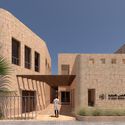
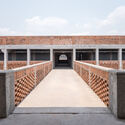
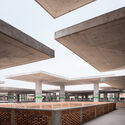
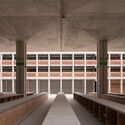
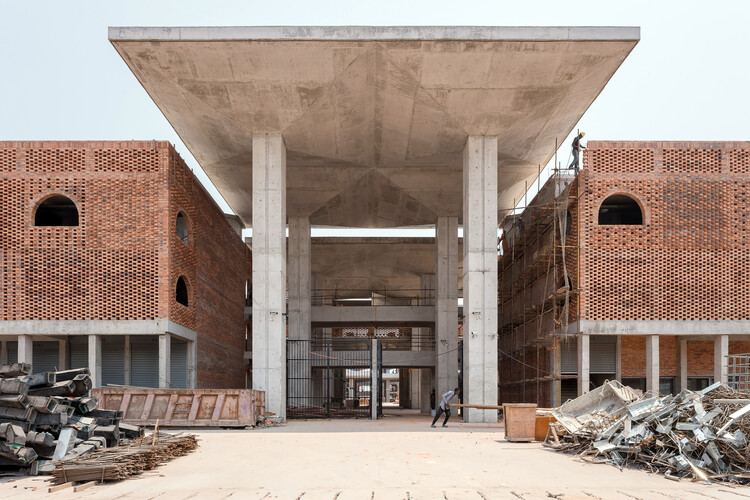
The Zando Central Market redevelopment in Kinshasa, Democratic Republic of the Congo, designed by THINK TANK architecture, has been selected among the 20 winning projects of the 2025 Holcim Foundation Awards in the Middle East and Africa region. Originally designed for 3,500 traders and now accommodating more than 20,000 vendors, the market has long operated under conditions of severe overcrowding and infrastructural strain. The project stands out for its large-scale public ambition, its reliance on locally available materials and skills, and its capacity to accommodate both formal and informal economies within a rapidly transforming urban context.
Rethinking Museums: A Conversation with Béatrice Grenier on Architecture as Cultural Policy

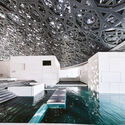
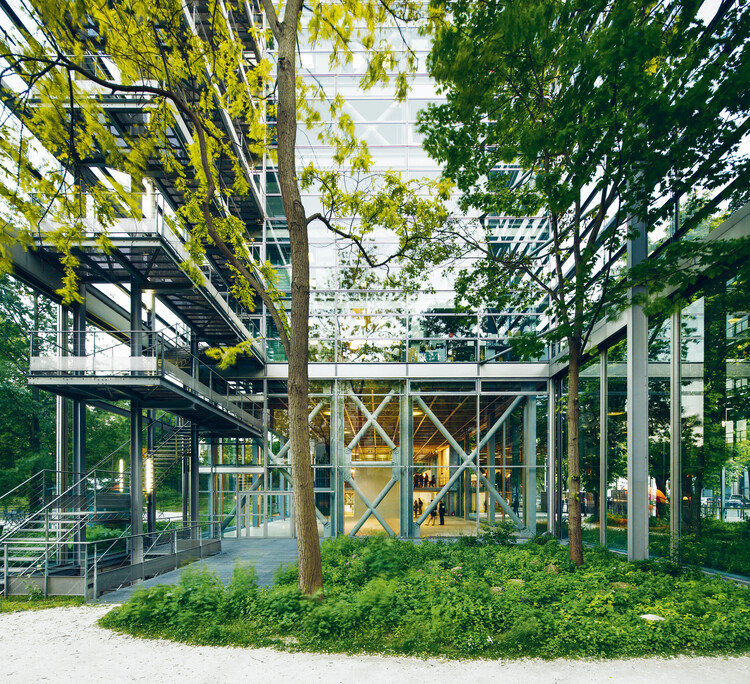
The opening of the new Fondation Cartier pour l'Art Contemporain in Paris last October sparked renewed questions around the role, form, and future of museums. As cultural institutions continue to proliferate worldwide in this digital era, the museum itself appears increasingly in need of redefinition. Rather than offering a single model or solution, Architecture for Culture: Rethinking Museums, written by architectural historian and curator Béatrice Grenier, argues for a more contextual and plural understanding of what a museum can be: an institution shaped by its environment, its public, and the specific cultural questions it seeks to address.
ArchDaily had the opportunity to discuss these ideas with the author against the backdrop of the Fondation Cartier's newly inaugurated home on Rue de Rivoli. Housed within a restored Haussmannian building that once accommodated the Grands Magasins du Louvre, the space has been radically reimagined by Jean Nouvel as a dynamic, transformable architecture.


"Learning in Contact With Nature": In Conversation With 2025 Holcim Award Winner Urko Sánchez Architects

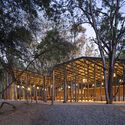
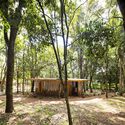
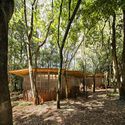
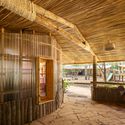
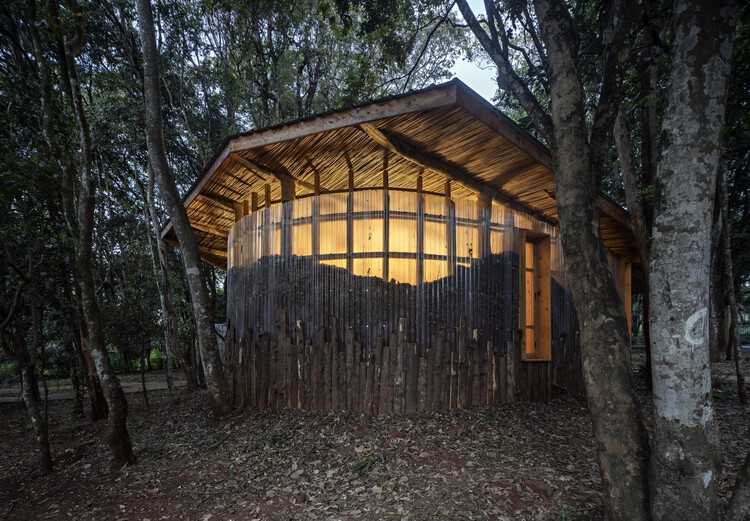
The Waldorf School Nairobi, designed by Urko Sánchez Architects, has been selected among the 20 winning projects of the 2025 Holcim Foundation Awards, which recognize contributions to sustainable design and construction worldwide. Located within a forested site in Nairobi, the project was awarded in the Middle East and Africa region, acknowledging its sensitive response to site conditions, educational needs, and local culture. Developed in close dialogue with its surroundings and community, the school explores low-impact construction methods, the use of locally sourced materials, and participatory design processes.
The Best Interviews of 2025: Architecture’s Year of Reflection, Repair, and Optimism

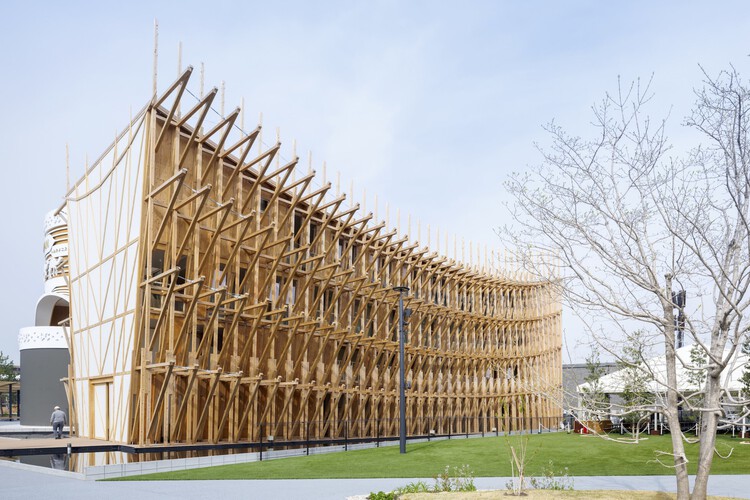
In 2025, the architectural field has been marked by a dense calendar of exhibitions, a measured slowdown in construction across multiple regions, and a period of reflection that scrutinizes the impact of intelligence (artificial and natural)—both on professional practice and workplace culture, as well as its use as a pedagogical tool. Over this calendar year, ArchDaily has published more than 30 interviews in a range of formats—Q&As, in-person conversations, video features, and more. These exchanges have engaged themes of sustainability and nature, housing and urban development, AI and intelligence, adaptive reuse and public life, and have closely followed major exhibition platforms including the Venice Biennale, Expo 2025 Osaka, Milan Design Week, Concéntrico, and others.


“It Takes a Lifetime to Build a City”: In Conversation With Mads Birgens From Cobe Architects
Founded in 2006 in Copenhagen, Cobe Architects has become known for its focus on public life, urban transformation, and strategic master planning. From cultural buildings and public spaces to large-scale urban developments, the office has played a central role in shaping Copenhagen's contemporary identity, particularly through its work on harbor regeneration. Among these, the Nordhavn master plan stands out as one of Europe's most ambitious waterfront redevelopments. During the Copenhagen Architecture Biennial, ArchDaily's Editor-in-Chief, Christele Harrouk, met with Mads Birgens, Head of Urbanism at Cobe, at the firm's office in Nordhavn. In the conversation, Birgens reflected on the evolution of the project since the office first won the open international competition in 2008, and on the broader lessons of designing cities for proximity, diversity, and long-term adaptability.


"To Emerge Naturally from the Site": Zhang Pengju on His Aga Khan Award-Winning West Wusutu Village
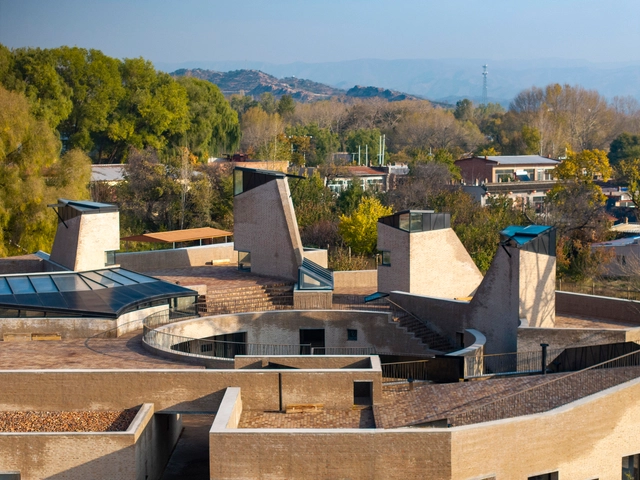
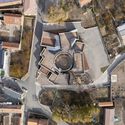
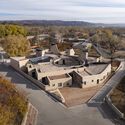
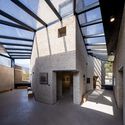
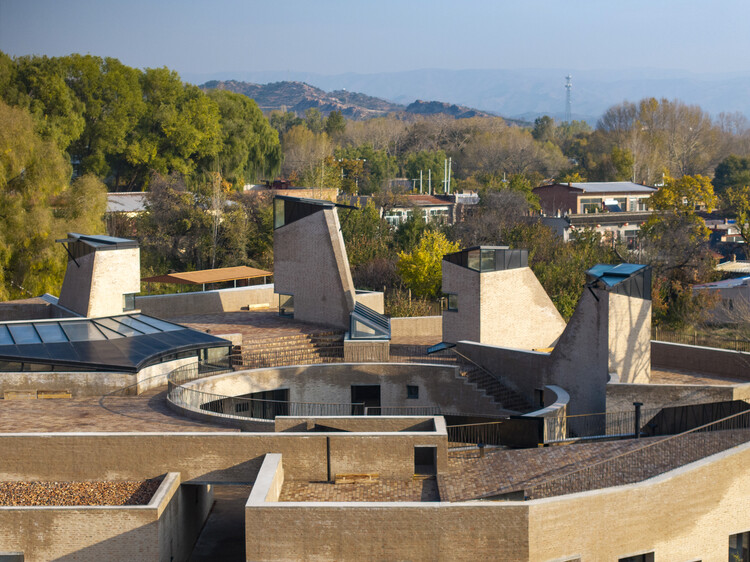
The 2025 Aga Khan Award for Architecture, one of the most prestigious honors in the field, celebrates projects that not only exhibit architectural excellence but also profoundly improve the quality of life for their communities. Among this year's winners is the West Wusutu Village Community Centre, a project in Hohhot, Inner Mongolia, by Chinese architect Zhang Pengju. In an era when rural areas often face social fragmentation and a loss of identity, this community center offers a powerful counter-narrative.
In recognizing this project, the award jury praised its ability to intervene in a sensitive yet rational manner, using design to foster inclusivity, resilience, sustainability, and overall well-being. The design achieves these goals by rejecting rigid functional zoning. Instead, a permeable circular courtyard integrates diverse community activities, organizing circulation and connecting multiple open rooms into a cohesive whole.

“Our Message This Time Was Optimism”: In Conversation with Farrokh Derakhshani, Director of the Aga Khan Award for Architecture
Today, September 2, the seven winners of the 16th Cycle (2023–2025) of the Aga Khan Award for Architecture were announced, following on-site reviews of the 19 shortlisted projects revealed in June. Established in 1977, the Award seeks to identify and encourage building concepts that respond to the physical, social, and economic needs of communities with a significant Muslim presence, while also addressing their cultural aspirations. To understand the vision behind this cycle's winners, ArchDaily's Editor-in-Chief, Christele Harrouk, spoke with Farrokh Derakhshani, who has been with the award for over four decades. He described the initiative as "a curated message to the world," a message that evolves with the times.
"Can We Think of a Building as a Microclimate?": In Conversation With Bas Smets and Dennis Pohl About the Belgian Pavilion in Venice
The Belgian Pavilion at the Venice Architecture Biennale 2025 presents a prototype that integrates landscape architecture into architectural interiors. Designed by Bas Smets in collaboration with Stefano Mancuso, the exhibition transforms the pavilion into a microclimate modeled after the understory of a subtropical forest, creating an indoor jungle that actively regulates temperature and humidity. The curatorial concept, supported by the Flanders Architecture Institute and its director, Dennis Pohl, promotes landscape thinking as an active design force rather than exterior decoration. In this video interview from Venice, Bas Smets and Dennis Pohl explain to ArchDaily editors how the project positions architecture as a platform for climate resilience and proposes a shift in design paradigms, from static images to evolving, living processes.


"Luxury Without Context Is Just Excess": Elisa Orlanski Ours on Bridging Design Vision with Market Realities
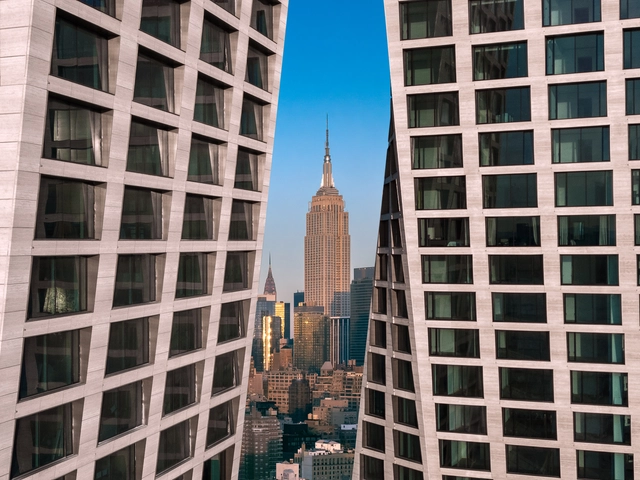
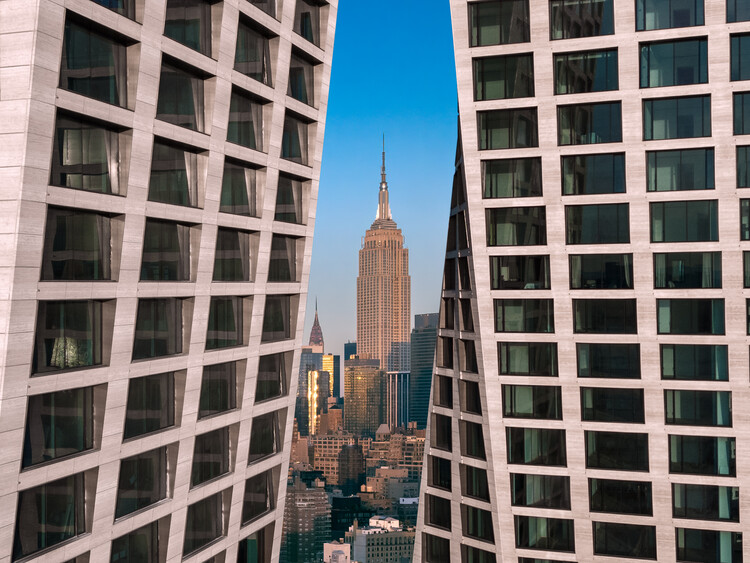
In the complex ecosystem of architectural development, where innovative concepts meet market realities, a distinct role exists to bridge diverse professional interests and realize impactful spaces. Elisa Orlanski Ours exemplifies this function. This is the domain of Elisa Orlanski Ours, a designer, educator, and industry leader. As Chief Planning & Design Officer at Corcoran Sunshine Marketing Group, Elisa founded her department two decades ago. Now, her extensive portfolio spans condominium skyscraper master plans and individual branded villas across continents, including significant New York City developments like Hudson Yards and 220 Central Park South, as well as international developments in collaboration with prominent architectural firms like SHoP Architects, BIG, Herzog & de Meuron, Adjaye Associates, and SO-IL. Her strategic perspective on bringing projects from schematic phase to final sale provides valuable insights into the industry's intricate workings. ArchDaily's Managing Editor, Maria-Cristina Florian, had the opportunity to discuss these critical topics with Elisa in the following interview.




Hong Kong's Queensway Reimagined: Sara Klomps on the Genesis and Ambition of The Henderson by Zaha Hadid Architects
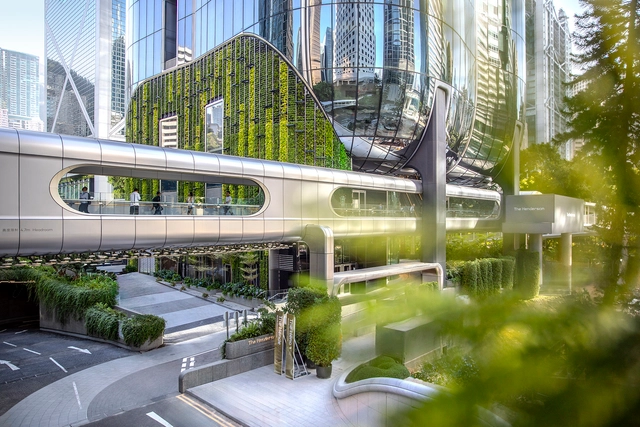
Architectural landmarks often cluster together. In Tokyo, the iconic Omotesando is a well-known stretch where global "starchitects" built flagship luxury retail spaces in the 2000s. Hong Kong has a lesser-known but equally powerful architectural agglomeration along Queensway—though historically more corporate and less publicly engaging. Beginning in the 1980s, this corridor became home to a series of landmark buildings by some of the world's most prominent architects: Norman Foster's HSBC Headquarters, I.M. Pei's Bank of China Tower, Paul Rudolph's Lippo Centre, and the nearby Murray Building by Ron Phillips—now revitalized as a hotel by Foster + Partners. The area is further enriched later on by Heatherwick Studio's renovation of Pacific Place and Tod Williams Billie Tsien Architects' Asia Society Hong Kong Center.


From Fragility to Resilience: Curating the Inaugural Pan-African Architecture Biennale
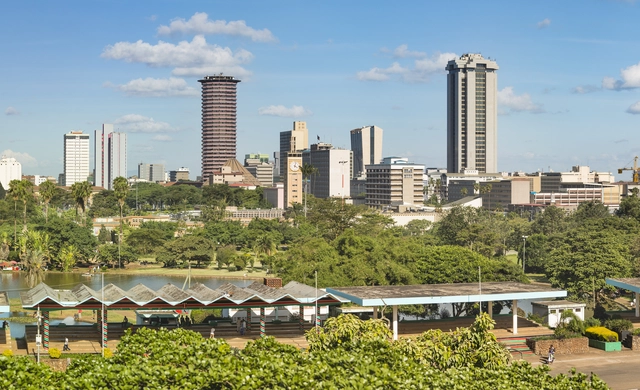
A Pan-African Biennale of Architecture is planned for 2026 in Nairobi, Kenya. According to the curator, it "represents an unprecedented opportunity to reclaim Africa's architectural narrative, reasserting the continent's role as a global leader in urban resilience, sustainability, and cultural expression."
Omar Degan, the curator in partnership with the Architectural Association of Kenya, is a practicing architect, professor, and teacher. He leads an architecture office known as DO Architecture Group, which was established between Italy and Somalia—two places deeply connected to his identity. His work focuses on what he describes as "fragile contexts" around the world, including areas affected by natural disasters, refugee camps, slum upgrades, and underserved neighborhoods.


"Helping the Existing to Reconfigure Itself": In Conversation with Søren Pihlmann, Curator of the Danish Pavilion
Søren Pihlmann is the curator of the Danish Pavilion at the 2025 Venice Architecture Biennale. The exhibition, commissioned by the Danish Architecture Center, is titled Build of Site, and focuses on exploring sustainable architectural practices through the lens of reuse and resourcefulness. Pihlmann's proposal transforms the existing Danish Pavilion, located within a historic building complex in the Biennale's Giardini, into an active exhibition space for material experimentation. The installation highlights techniques that incorporate recycled and bio-based elements. The Pavilion offers visitors the opportunity to observe ongoing experimental processes, witnessing how building resources are creatively reimagined for new uses. In this on-site interview, ArchDaily editors spoke with the curator about the ideas behind the project and the challenges its execution represents.


