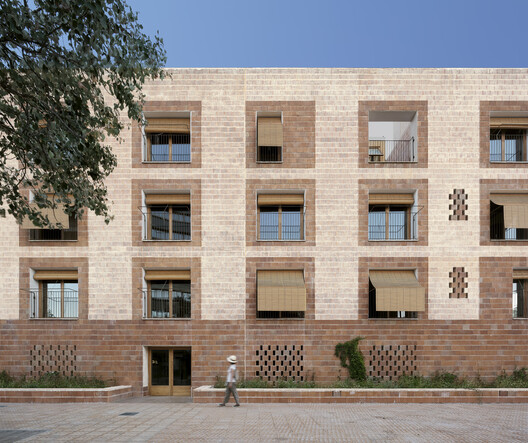
Amid growing economic, political, and climatic instability, the 2026 OBEL Award highlights the need for architectural approaches that rethink both existing and emerging infrastructures. The title for this edition is "Systems' Hack," where "systems" are understood as interrelated mechanisms governed by shared rules and "hacking" is framed as a strategic intervention that seeks to alter how these mechanisms operate. Within this framework, the OBEL Foundation has announced the Balearic Social Housing Model as the winner of this year's award, while also announcing a new cycle in 2027 under the same topic. The Balearic Social Housing Model is recognized for "transforming the role of social housing administration in the Balearic Islands between 2019 and 2023," proposing new approaches in response to an acute housing shortage and a critically limited public rental housing stock in Spain.
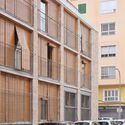
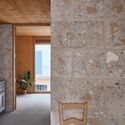
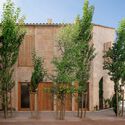
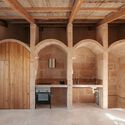
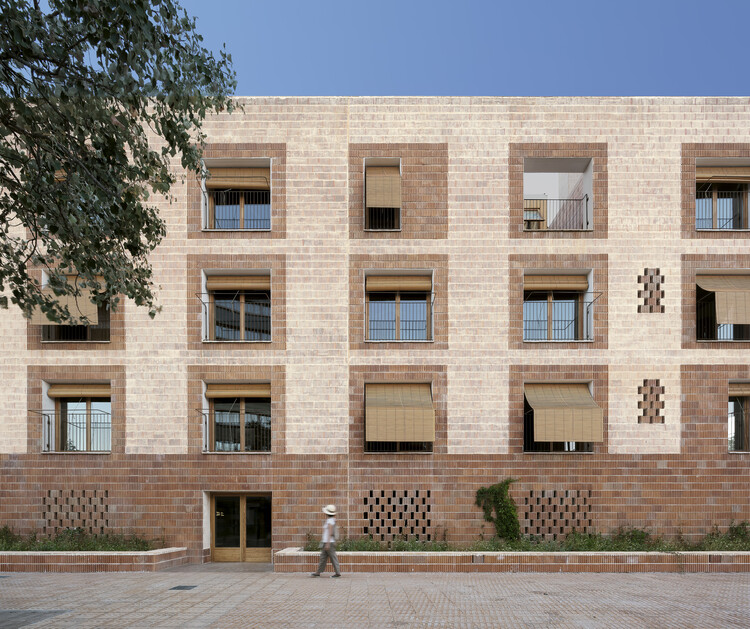
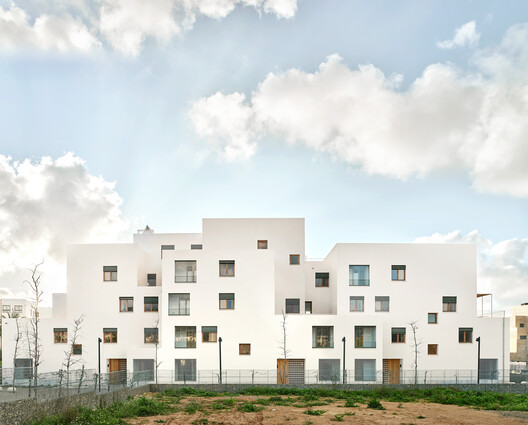
The Balearic Social Housing Model was led by a partnership between Cris Ballester Parets, the Balearic government's former managing director of IBAVI (Instituto Balear de la Vivienda), and Carles Oliver Barceló, the head of IBAVI's technical department. They developed the project as a new model to increase the supply of public housing at scale and speed, without losing architectural, environmental or social qualities. The model completes a full housing-building cycle, rethinking how public housing for vulnerable communities can be commissioned, procured, designed, built and inhabited. It offers a systemic approach to public housing that goes beyond one particular material, architectural language or construction technique, entangling responses to real social, environmental and economic challenges.
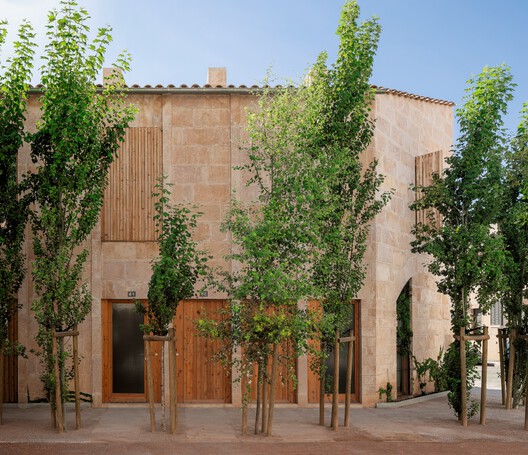
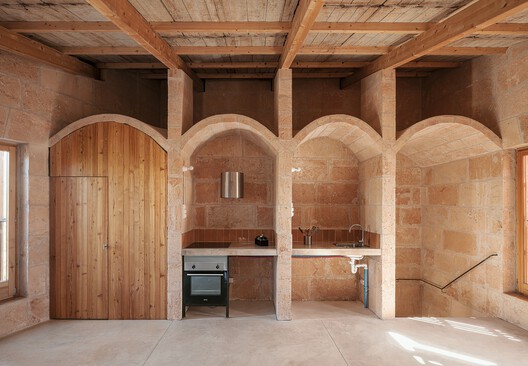
In association with several architecture firms and external collaborators, they developed a research ecosystem and a significant portfolio of built social housing projects. The designs bring together local materials, circular construction practices, climate-responsive design and new approaches to public procurement and project delivery. According to the OBEL Foundation, the housing model's significance lies "in the way it connects public policy, architectural experimentation, environmental responsibility, local productive capacity, and dignified housing delivery as parts of one system." The jury, composed of Nathalie de Vries, Sumayya Vally, Aric Chen, Anne Marie Galmstrup, and Manuel and Francisco Aires Mateus, highlighted the project for using public administration as a space for experimentation and for using public procurement, investment, and management as tools for systemic change.
Related Article
“For Decades We Have Valued the New More than the Old”: In Dialogue with OBEL Award 2025 Winners HouseEurope!What makes the Balearic Social Housing Model remarkable is how innovative architecture can be found not just in design and material choice but also in procurement, policy and process. Public housing shortages are not unique to the Balearic Islands; the same structural pressure is playing out in cities and regions across the world. What this model offers is a framework wherein public institutions can adapt to their own context along with proof that public administration itself can become a genuine engine for change. — Nathalie de Vries, Chair of Jury, OBEL Award
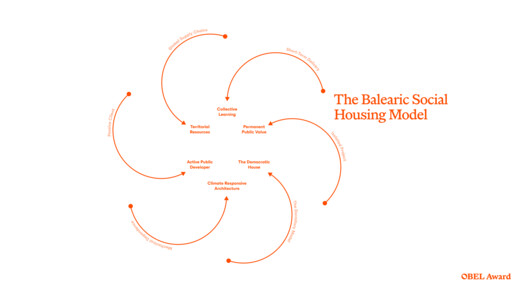
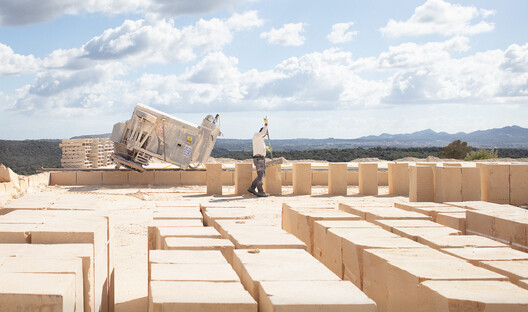
The Balearic Social Housing Model rethinks how public housing is designed and delivered through six interconnected shifts. First, it moves from global supply chains to territorial resources, using a "Map of Resources" to prioritize local materials, climate, and industrial and human capacity, assessed by carbon impact, availability, performance, cost, and scalability, so that housing strengthens local industry rather than relying on standardized global systems. Second, it shifts from a passive client to an active public developer, with the administration building in-house technical capacity, redesigning procurement and competitions, and coordinating innovation across projects instead of simply commissioning the cheapest code-compliant design through rigid tender processes.
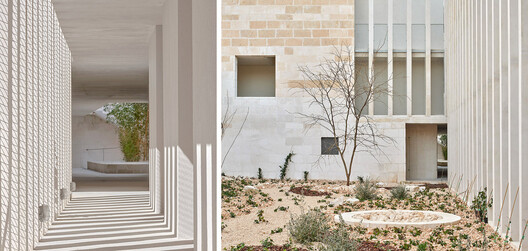
Third, it moves from mechanical dependence to climate-responsive architecture, using passive strategies such as orientation, thermal inertia, cross-ventilation, solar protection, and intermediate climatic spaces to cut emissions and household energy costs, addressing environmental and social vulnerability simultaneously. Fourth, it moves from the "dormitory model" to the democratic house, designing flexible, non-hierarchical spaces that adapt to changing household configurations over time. Fifth, it moves from short-term delivery to permanent public value, abandoning Spain's traditional VPO model, in which subsidized units were built for private sale, in favor of public rental housing that stays permanently in public hands. Finally, it moves from isolated projects to a collective learning system, with an in-house team tracking materials, costs, and performance across the whole program so that lessons, successes, and failures accumulate and inform future projects.
The project's creators, Cris Ballester and Carles Oliver, committed to dedicating part of the prize funds to expanding the international reach of the Balearic Social Housing Model. Carles Oliver renounced his personal share in favor of supporting emergency housing initiatives in the Balearic Islands. Separately, following this cycle of the awards, the OBEL Foundation jury decided to extend the "Systems' Hack" focus into 2027, to continue exploring how architecture can transform existing structures and act where those structures have failed altogether. For the first time, the jury will extend its annual focus to recognize another initiative in spring 2027, calling for projects that demonstrate architecture's ability to engage with systems at different scales and through different forms of intervention.


