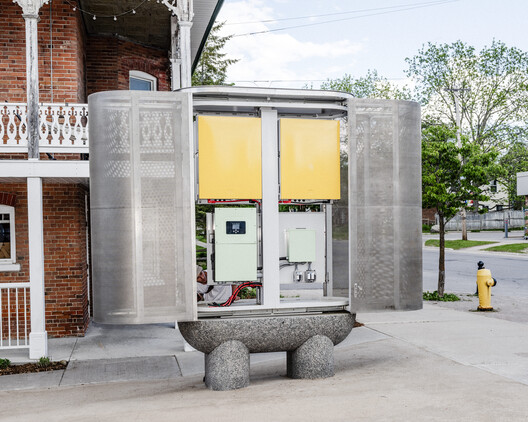
Against a backdrop of climate change, inflation, and armed conflict, the global energy system is undergoing change and facing scrutiny. As stated by the United Nations, buildings must be heated, lit, and electrified through clean, accessible, affordable, sustainable, and reliable power sources. Architecture and urban planning can contribute both to expanding energy access and to exploring different forms of storage. The Toronto-based startup Civic Grid designs and builds energy storage systems with the aim of changing the relationship communities have with the electrical power behind everyday life. Their first architectural battery was designed as public architecture by architects Jack Self and Josh Harskamp with industrial designer Max Fine. The prototype is the evolution of a deployable energy system developed with Lisbon Civil Defence for the Lisbon Architecture Triennale 2025, still in operation, and is paired with a scale model.
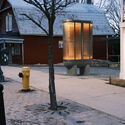
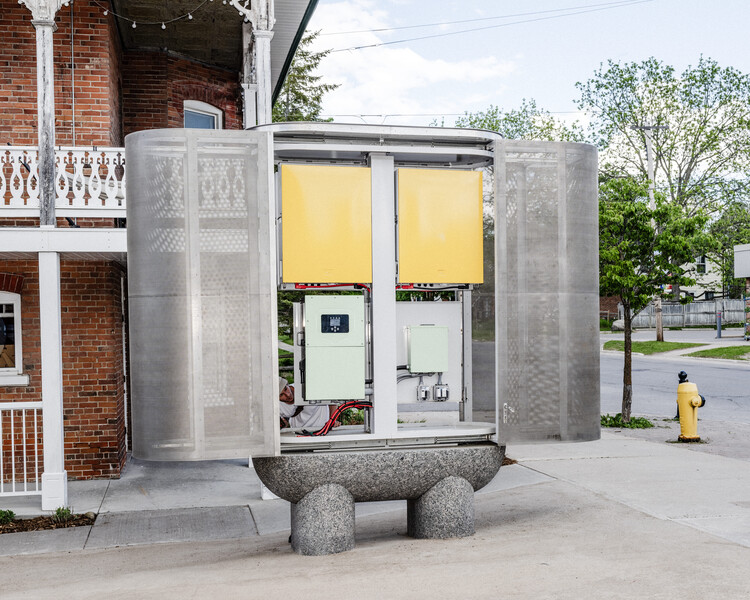
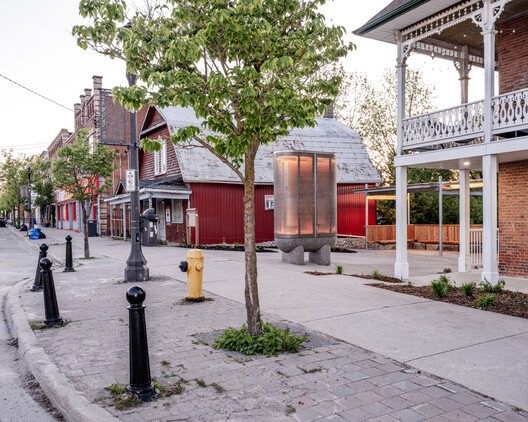
Urban systems obtain energy from different types of sources. According to the International Energy Agency (IEA), conventional or grid-based sources include fossil fuel-based grid electricity, such as coal, natural gas, and oil, and nuclear power via national grids. Renewable energy captures energy embedded in natural processes, such as solar photovoltaic and solar thermal energy, wind power, hydropower, geothermal energy, and biomass and waste-to-energy through municipal solid waste incineration and biogas. Other emerging technologies are also being explored, including green hydrogen and battery and grid-scale energy storage. It is in this last category that the prototype designed by Civic Grid architects Jack Self and Josh Harskamp falls.
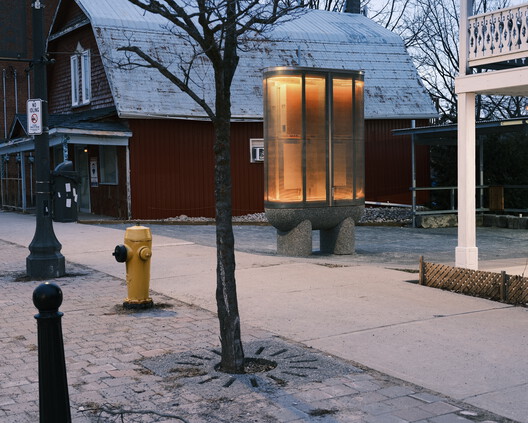
The design is based on the premise that electrification is outpacing the grid, and that storage needs to reach dense urban areas, where conventional hardware is costly and difficult to place, to become part of civic life. The prototype aims to create an energy system that is visible and legible in public space, in a context where electricity demand is moving faster than the expansion of the grid. From this diagnosis, a new design language could help place energy systems in shared, everyday spaces open to everyone. The objective is a device that reduces costs, delivers more power than a grid connection allows by shifting energy through time, and lowers a site's peak draw on the existing grid.
Related Article
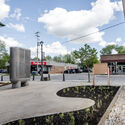
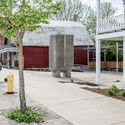
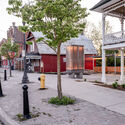
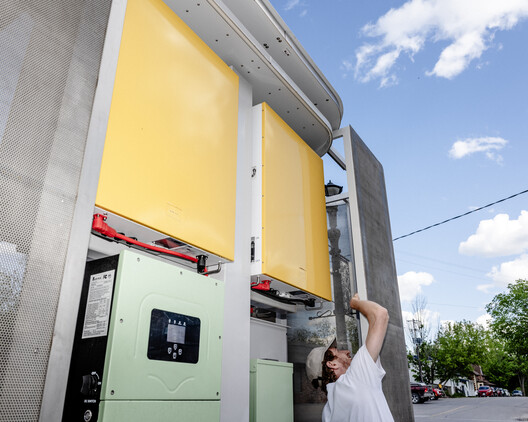
Making Infrastructure Visible: When Systems Become ArchitectureThe first architectural battery was installed in a renovated square in Cannington, Ontario. Designed as urban equipment, the project is a monolithic battery system built for the town's energy transition. The battery charges overnight, when energy prices are lowest, and discharges during the day to support electrification and improve existing grid capacity. A 60 kWh energy system with seating and public charging, it also provides power to charitable foundations in the town and is capable of delivering power in the event of outages. As a battery, the device stores power and maximizes its use, both to reduce costs for the site owners and to expand the range of the existing network.
Also in Canada, another approach to city-making is being explored in an exhibition dedicated to the urban work of Portuguese architect Álvaro Siza, held in the main galleries of the Canadian Centre for Architecture (CCA). In Paris, urban renewal is advancing through the Grand Paris Express transport system: 200 kilometers of new, fully automated metro lines, 68 architect-designed stations, and four new orbital lines. Another type of technology is being developed in Japan with Project PLATEAU, a digitization initiative to develop and expand access to 3D models representing the diversity of cities across the country. To date, 3D models of more than 250 cities have been made available as open data through the country's G-Spatial Information Center and can also be accessed via an online viewer.


