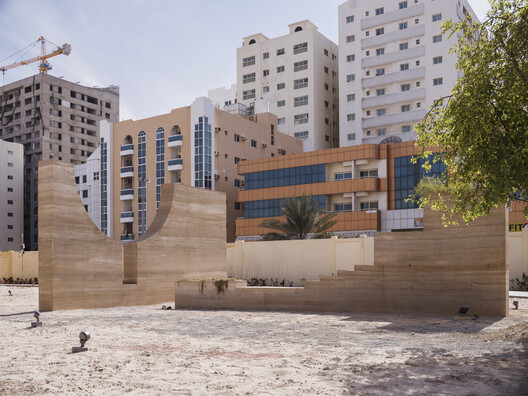
Every year on August 9, and since 1994, UNESCO has commemorated the International Day of the World's Indigenous Peoples. The United Nations has not yet adopted an official definition for the term 'Indigenous peoples,' but considers, for social recognition, self-identified non-dominant groups of society, with distinct language, culture, and beliefs, organized in separate social, economic, and political systems. From a territorial perspective, the UN understands the term through historical continuity with pre-colonial or pre-settler societies, and the group's strong links to territories and surrounding natural resources. The persistence in maintaining and reproducing ancestral environments and systems is also recognized as an element of identity, encompassing other designations such as first peoples/nations, aboriginals, or ethnic groups. Following the occasion's aim to raise awareness, in this article we present contemporary reflections, regional cases, and interviews about ancestral constructive knowledge and how it can build the future.
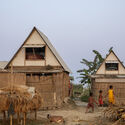
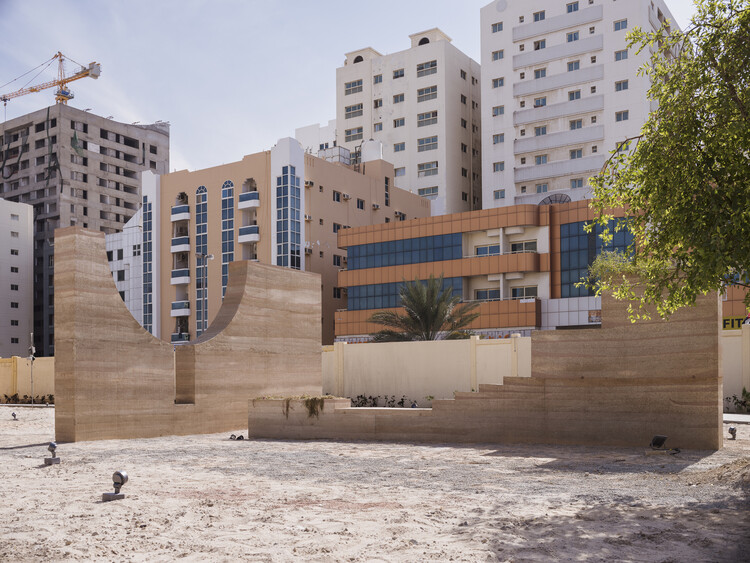
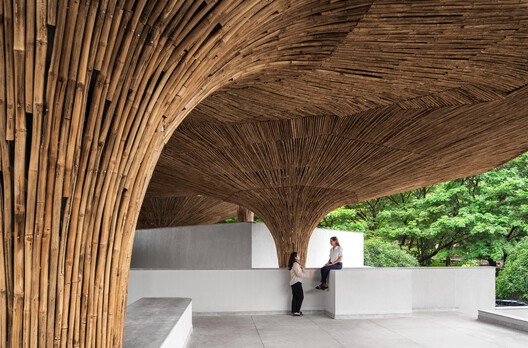
When thinking about indigenous structures and forms of habitation, the images that come to mind tend to correspond to a bygone era. Architecture is commonly associated with fragility and precariousness, stemming from an inability to understand a historical, spiritual, and material context that is very different from the one we live in today. Such architecture, commonly referred to as vernacular, is not, however, exclusive to the past. According to the UN, to the present day, Indigenous Peoples number at least 370-500 million, speak nearly 7,000 languages, and represent around 5,000 different cultures, living across some 22% of global land area in all regions of the world. The numbers, though imprecise, speak not only to the prevalence but also to the diversity of perspectives in opposition to a homogenizing culture. In this context, and despite the differences, indigenous peoples around the world face common problems related to the protection of rights and territory, in the struggle against racism within traditional institutions.
Vernacular, indigenous, or native architecture is therefore a contemporary issue. Not only because of the statistical presence of indigenous communities, but especially because of the importance that space and territory hold within cosmology and the experience of the world. Generally speaking, the architecture associated with indigenous peoples is not merely a physical response to the geographical characteristics of the territory, but essentially the expression of a way of being in the world. In several examples, the Western notion of "house" or "building" does not even translate into the language and is instead an extension of social organization, the forest, and kinship relations. From this perspective, traditional construction methods can be understood through the relationships between territory, body, and memory; this overarching logic is what makes it a tool for combating climate change and facing "the end of the world." With this in mind, we present below some reflections on century-old technologies, local material responses, and interviews with professionals actively involved in the preservation of constructive traditions.
Related Article
Architecture and Racism: When Design is Used as a Colonial ToolContemporary Reflections on Ancestral Technologies
Heritage in Mud, Stone, and Reeds: Rediscovering Ancestral Construction Techniques
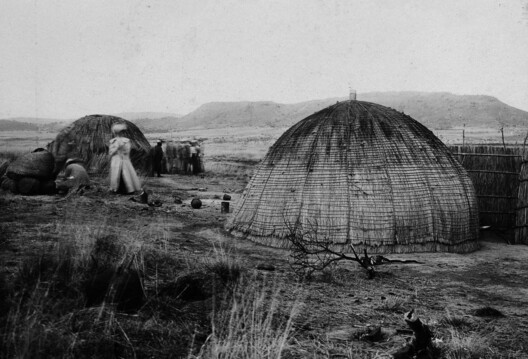
Building Forward: How Vernacular Knowledge Is Shaping Contemporary Architecture
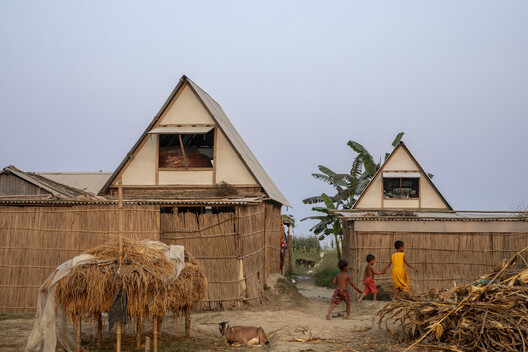
Lo-TEK: Reclaiming Indigenous Techniques to Work with Nature
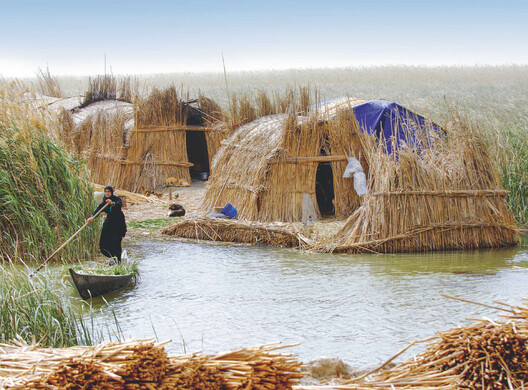
Elevating Earth: Reviving and Advancing an Indigenous Building Material
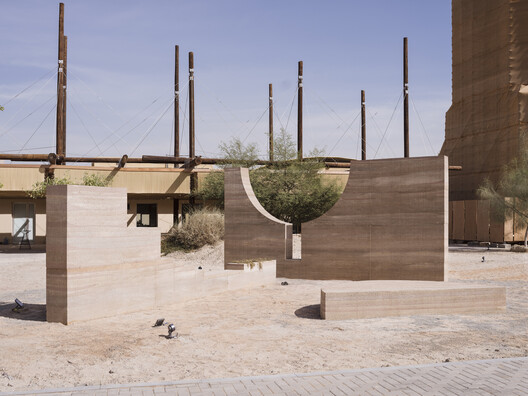
Thatched Roofs, Plant Fibers, and Leaves: Examples in Latin American Projects
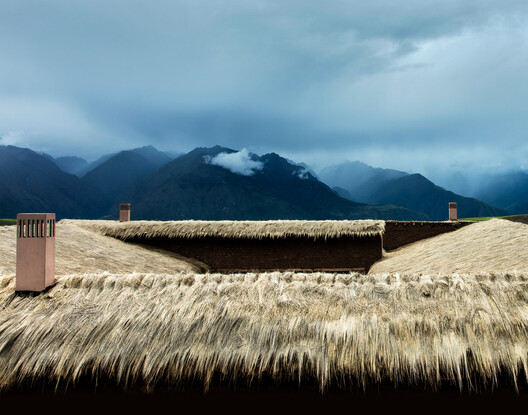
The Digital Divide: Can Technology Support Vernacular Architecture?
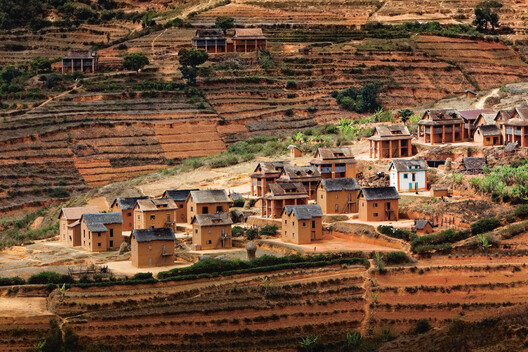
Local Knowledge for a Planetary Future
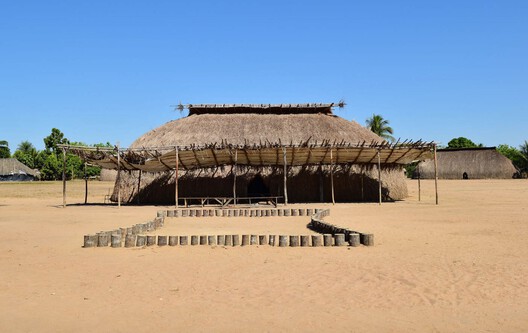
Materials and Construction Techniques of Brazilian Indigenous Peoples as a Future for Architecture
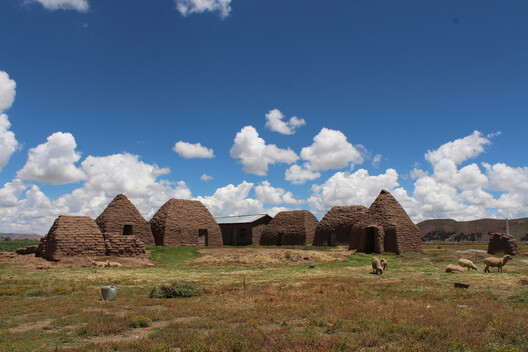
Putucos: What an Indigenous Technique Can Tell Us About Sustainability
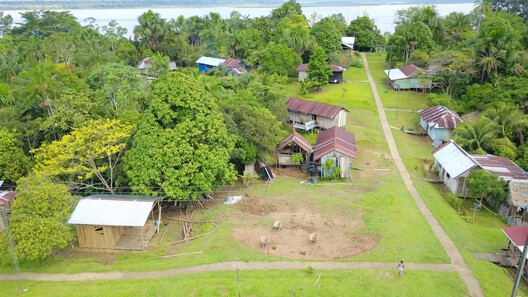
Architecture in the Colombian Amazon: A Maloca for the Ticuna Community
The Use of Indigenous and Locally Sourced Materials in Philippine Architecture
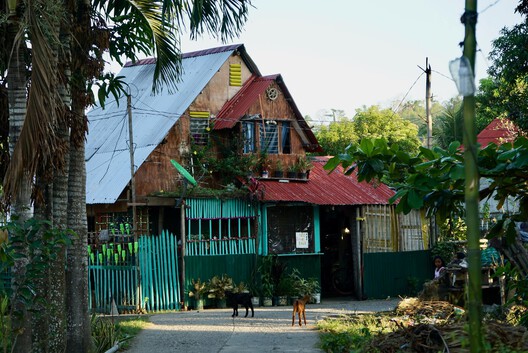
From Scaffolds to Structures: India's Unfinished Journey with Bamboo
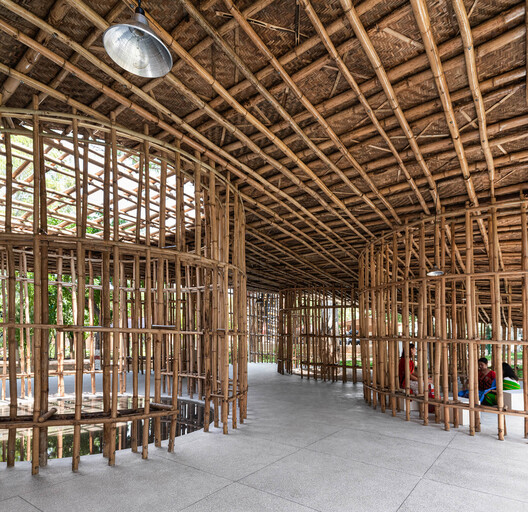
Professional Perspectives on Ancestral Techniques
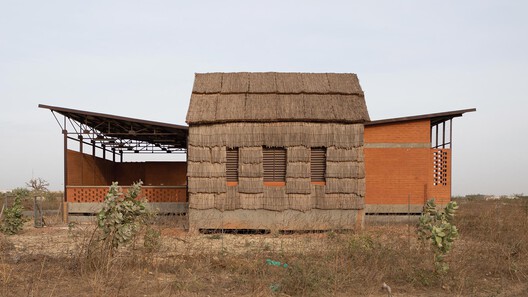
Indigenous Materials Towards an African Modernity: An Interview with Worofila
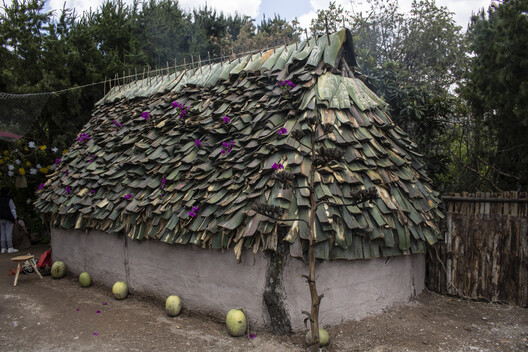
Rosario Argüello: On the Conservation of Local Techniques and Materials in Rural Areas of Mexico
Julio Vargas Neumann on the Future of Materials: 'Today's Reinforced Concrete will Disappear'
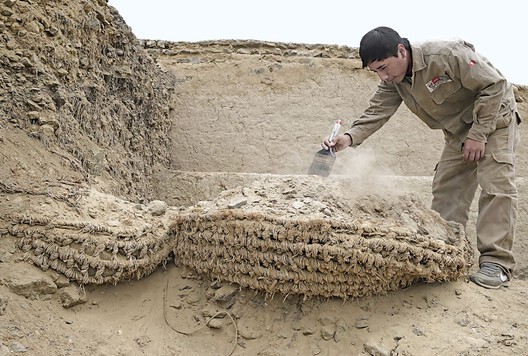
Ailton Krenak: "Instead of Operating in the Landscape, We Should Blend in With It"
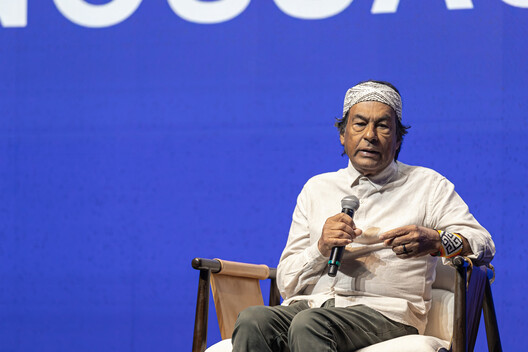
"Earth as Ancestral and Future Technology": An Interview With Gabriela de Matos and Paulo Tavares
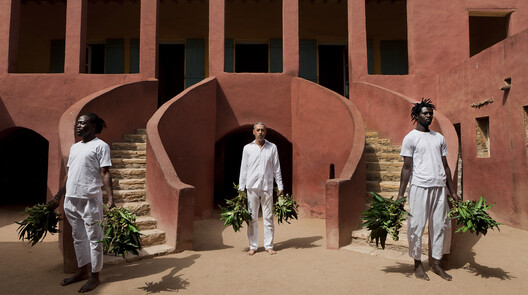
Explore ArchDaily's input into recent United Nations International Days: World Population Day, World Environment Day, Africa Day, and International Mother Earth Day.


