
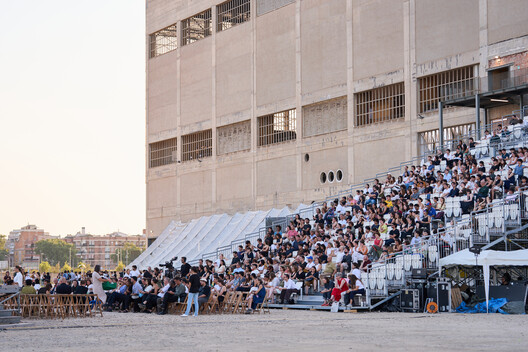
As the UIA World Congress of Architects 2026 came to a close in Barcelona, one message resurfaced across debates, exhibitions, talks, and conversations alike: the future of architecture will depend less on definitive answers than on the ability to accept change and collectively question established models. At this year's Congress, under the theme "Becoming. Architectures for a Planet in Transition," architecture was framed as an evolving practice shaped by interdisciplinary dialogue, research, and collaboration.
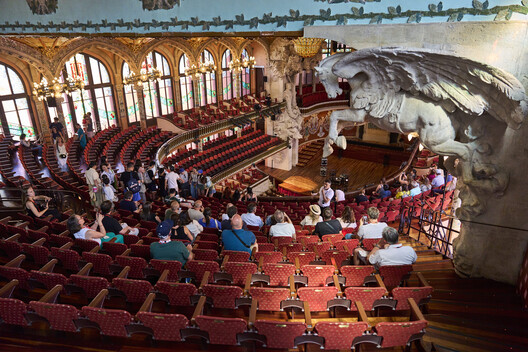
Housing, resource consumption, climate adaptation, and public health emerged as interconnected challenges that no single project, profession, or institution can solve alone. Instead, many discussions focused on existing buildings as a shared resource and on renovation, adaptation, and reuse as opportunities to rethink how architecture responds to changing environmental and social conditions. As Mariona Benedito and Carmen Torres, part of the curatorial team of UIA 2026 Barcelona, explain:
We have attended lectures by the architects that we admire, and we, as creators in this congress, propose that we learn something new. We don't want to listen again to something we know. And that's why we are making a lot of the sessions debates between two or three people. We need friction. We want to pose questions. [...] One person working alone on this topic, it's impossible. [...] We need to come together, we need to discuss, we need to find out how to address it in a collective way.
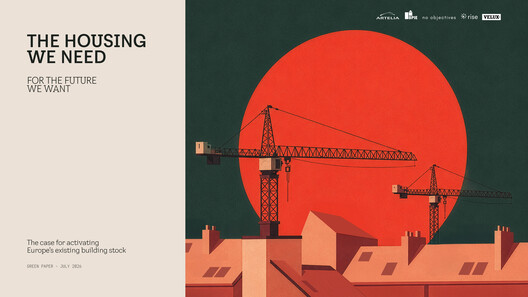
These conversations also provided the setting for the introduction of Re:Living, a holistic renovation framework launched by the VELUX Group during the Congress. Building on the findings presented in the Green Paper The Housing We Need for the Future We Want, Re:Living explores how renovation can move from isolated projects toward a more structured and scalable approach centered on health, affordability, and sustainability. Like many conversations throughout the Congress, Green Paper and Re:Living leave room for continued debate, testing, and collaboration.
Looking at Existing Buildings as Future Housing
Across Europe, the demand for housing continues to grow while much of the existing building stock remains underused, outdated, or inefficient. According to the Green Paper, approximately 85% of the buildings that Europe will rely on in 2050 have already been built, suggesting that the built environment already contains significant untapped potential.
Developed in collaboration with ARTELIA, BPIE, RISE, and No Objectives, the Green Paper examines how Europe's existing building stock could help address interconnected housing, climate, energy, and health challenges. Drawing on large-scale research into the EU residential building stock, it estimates that renovation, adaptation, reuse, and better use of existing buildings could unlock between 50 and 107 million additional homes while reducing demand for new land, materials, and associated carbon emissions.
Published as an invitation to policymakers, researchers, the building industry, and civil society, the Green Paper is intended to encourage discussion on how renovation can be scaled across Europe. Re:Living, developed together with DGJ Architektur and Transsolar, builds on this research by proposing a holistic framework for translating these ideas into practice through four stages: Re:Think, Re:Scope, Re:Design, and Re:Cover.
Continuing the Conversation
This emphasis on open discussion echoed the wider atmosphere of the Congress. Throughout the week, conversations repeatedly returned to the idea that architecture is shaped through exchange rather than certainty. Instead of presenting universal answers, many sessions encouraged debate across disciplines and perspectives on housing, climate, and urban transformation, all of which require collective responses.
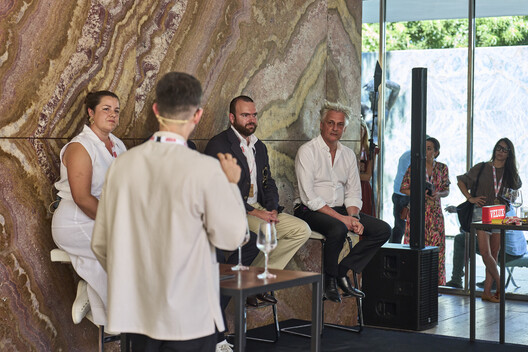
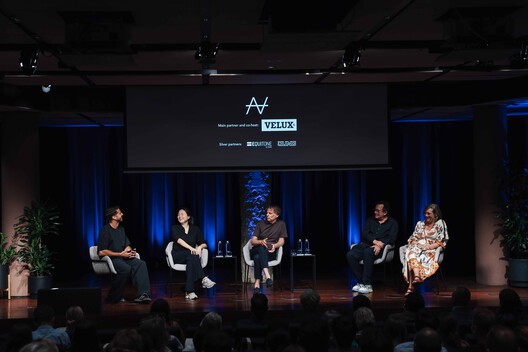
Several events organized alongside the Congress reflected this approach from different angles. During Architects, not Architecture (AnA), a global event series co-hosted by VELUX in Barcelona, speakers including Winy Maas from MVRDV, Xu Tiantian from DnA_Design and Architecture, and Arno Brandlhuber from bplus.xyz (b+) and HouseEurope! shifted the focus away from completed projects toward the experiences, influences, and ideas that inform architectural practice. Although each brought a distinct perspective, their conversations frequently returned to opportunities within existing buildings, focusing on reuse, minimal intervention, and transformation as central architectural concerns. As Arno Brandlhuber highlights:
You can be successful without building a building.
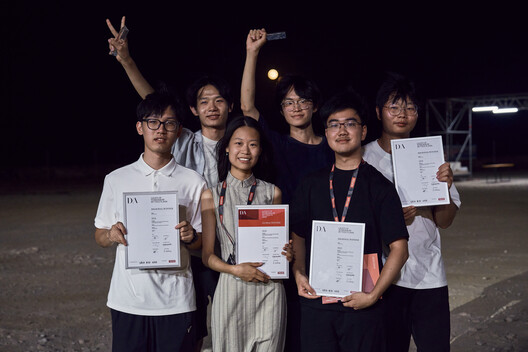
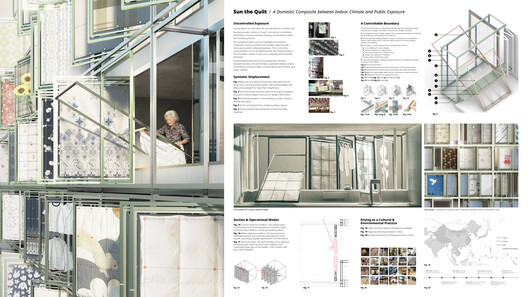
The next generation of architects joined the conversation through the Light of Tomorrow by VELUX student competition, organized in close collaboration with the International Union of Architects (UIA), in which eight finalist teams presented proposals exploring the role of daylight in architecture before an international jury, with the projects discussed through live critique. The winning proposal, Sun the Quilt by students from Xi'an University of Architecture and Technology, chosen among 539 daylight projects, illustrates how everyday urban conditions can inspire new architectural responses through a careful integration of daylight, ventilation, and domestic acts. As jury member Níall McLaughlin describes:
The architects have gone through a problem, gotten to the bottom of that problem, worked it through, and then made it into something that can live and thrive in the world.
Together, these initiatives reflected a broader characteristic of this year's Congress. Whether through research, public debate, or student experimentation, architecture was consistently presented as a discipline that advances through shared inquiry.
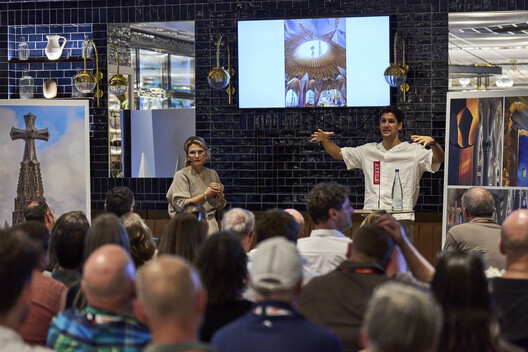
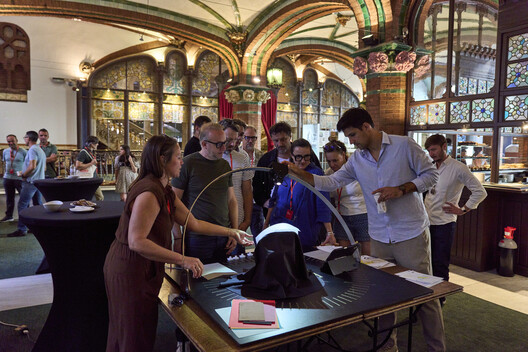
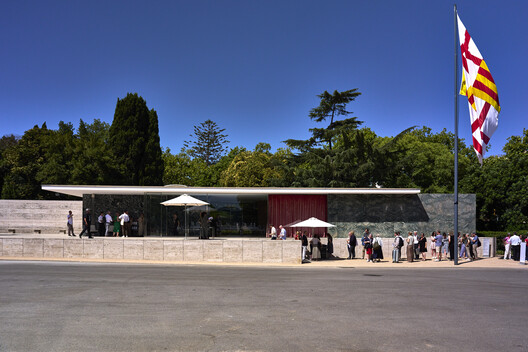
If Barcelona 2026 demonstrated anything, it was that architecture's most pressing questions cannot be addressed in isolation. The discussions surrounding circularity, housing, resource use, and existing buildings rarely concluded with definitive answers. Instead, they pointed toward ongoing processes of collaboration that extend beyond the duration of the Congress itself. Beyond the formal program, the event and the VELUX x Barcelona Exchange & Experience created a space for exchange between architects, students, researchers, industry leaders, and partners from around the world, through conversations, shared experiences, and encounters with Barcelona's own architectural fabric. The city itself became a backdrop for exploring how ideas around transformation, reuse, and healthier buildings can move from discussion into practice.