Over the years, cinema architecture has continually reinvented itself. From cinematic experiences that engage multiple senses to material technologies that reinterpret the aesthetics of past eras, the concept of the movie theater has enabled the recovery, revitalization, and renewal of numerous obsolete, ruined, or even historically protected spaces. Just as the Majestic Cinema reflects an important community function in Zanzibar, Tanzania, many twentieth-century buildings have found in adaptive reuse an opportunity to restore and preserve cultures, memories, and traditions that remain meaningful to their communities.
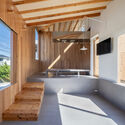
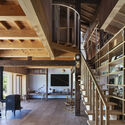
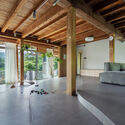
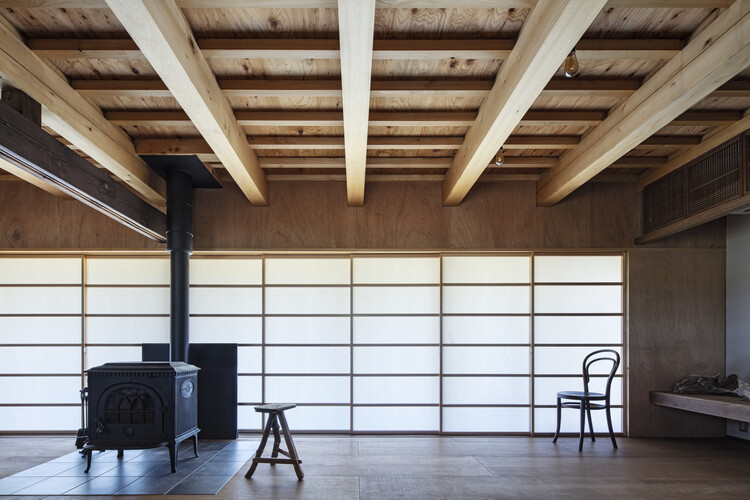
In a shifting societal and environmental landscape, how can architectural design respond to transformation while meaningfully engaging with what endures? 1110 Office for Architecture, based in Osaka, Japan, approaches this question through a body of work defined by careful residential renovations and precise spatial interventions.
Named a winner of the ArchDaily 2025 Next Practices Awards, the practice represents an emerging voice in redefining architecture's role within conditions of change.
As the late urban planner Jaime Lerner once argued, the future of architecture lies not in building new cities but in updating those that already exist. In a world where resources are finite and urban space is increasingly saturated, his statement feels more urgent than ever. It calls for architects to look inward, to rethink what truly needs to be built, and to recognize the creative potential of what is already there. Within the constraints of existing structures lies an opportunity to design differently: to repair, adapt, and reuse. Or, as French poet Louis Aragon would have it, to reinvent the past to see the beauty of the future.
This month, ArchDaily exploresBuilding Less: Rethink, Reuse, Renovate, Repurpose, a theme that examines the growing shift in architecture toward working with what already exists. As urban spaces grow denser and land becomes scarce, architects are rethinking the impulse to build anew. Instead, they are extending the life of existing structures, embracing retrofit and adaptive reuse as strategies for sustainability and creativity. The question guiding this exploration is simple, yet urgent: How can architecture redefine urban futures by building less?