

In the current context of rapid urban environmental changes, such as heatwaves and droughts, new priorities are emerging in the design of public spaces. "Rewilding" refers to the practice of restoring self-sustaining ecosystems through the reintroduction of biodiversity, implementing strategies to reverse the effects of habitat loss, species decline, and ecosystem degradation. These strategies can be identified in this selection of conceptual projects submitted by ArchDaily readers, where architecture is used as a tool to restore ecological balance among species, inverting its modern role as an agent of ecological disruption.
Faced with the reality that climate change is making cities increasingly unlivable, citizens are confronted with the choice of either leaving or transforming their environments. The unbuilt projects compiled in this article offer transformative alternatives for more livable cities, combining construction, architectural, and landscape design strategies across urban parks and suburban interstitial spaces. As ecological laboratories, they incorporate a multispecies perspective into the design process, adopting a concept of time better suited to the development of ecosystems.
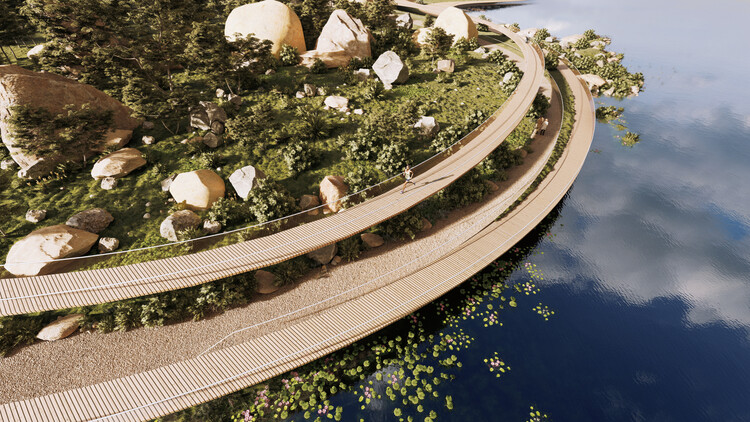
Located in India, Romania, Mexico, Italy, and the United Kingdom, the projects work with existing vegetation, bodies of water, and available materials to address the conditions of different climates and site opportunities. From a prototype of urban pergolas integrating green roofs and modular plant systems into parking areas, transit hubs, and pedestrian zones in Constanta, to a 3-kilometre continuous ring of endangered plants, wildlife habitats, forests, and climate-responsive mass-timber structures in London, these proposals share a commitment to transforming ordinary spaces into starting points for new ecologies.
UK Grand Crystal Palace / HAS design and research
London, United Kingdom
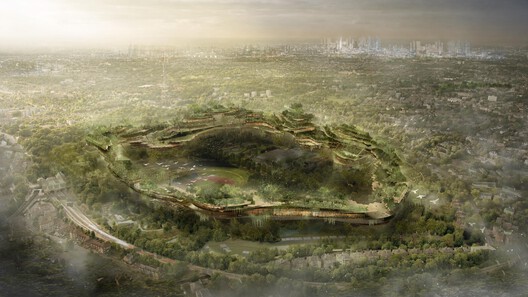
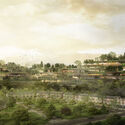
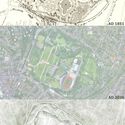
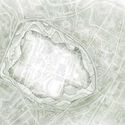
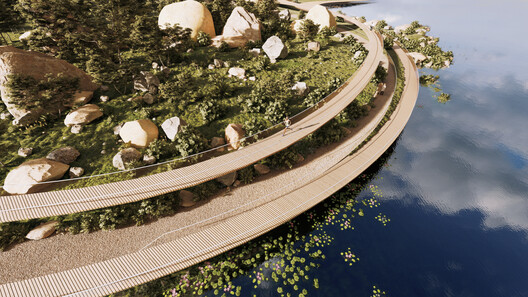
Over the past century, architecture has been shaped by industrialization, speed, and globalized urban production. Located within Crystal Palace Park in London, the UK Grand Crystal Palace, designed by architects Jenchieh Hung and Kulthida Songkittipakdee of HAS Design and Research, reimagines architecture as a living ecological system. Extending over 3 kilometres as a continuous ring, the project restores Britain's native ecology through endangered plants, wildlife habitats, forests, and climate-responsive mass-timber construction, proposing a future where humans and nature coexist equally.
Urban Oasis, Regenerating Durgam Cheruvu / Studio Symbiosis
Hyderabad, India
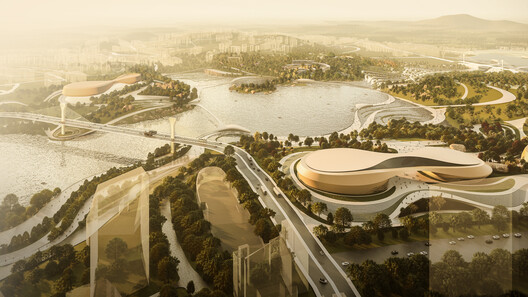
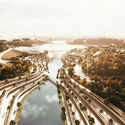
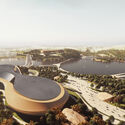
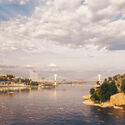

Set within the evolving urban fabric of Hyderabad, the regeneration of Durgam Cheruvu reimagines the lake as a performative urban landscape that is an immersive oasis aiming to reconnect the city with its ecological and geological roots. Conceived as a dialogue between nature and urban life, the project transforms an underutilized natural asset into a vibrant public realm that enables recreation, culture, and collective experience. At its core, the intervention is driven by the idea that design must emerge from the site itself, responding to its terrain, water systems, and existing biodiversity to create a seamless integration between the built and the natural.
The Forgotten - Weaving Temporal Narratives through Botanical Revival / Chuan Liu
Suffolk, United Kingdom
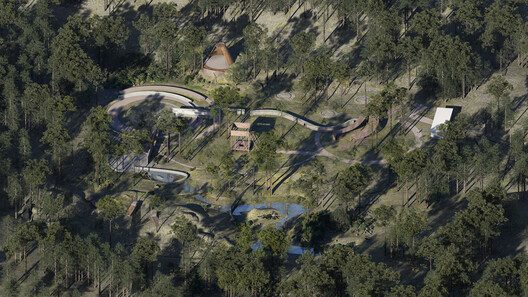
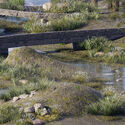
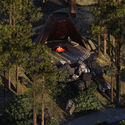
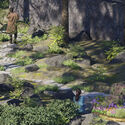
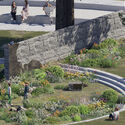
Situated between Sizewell's nuclear infrastructure and Leiston Abbey's medieval ruins, "The Forgotten" explores the synthesis of industrial heritage and ecological recovery. The project introduces a dynamic "ecological choreography," using seed dispersal and water systems to reconnect disparate landscapes. By framing simultaneous views of reactor and ruin through elevated vessels, the design reimagines the terrain as an active memory-scape, revealing forgotten stories through gradual botanical revival.
Urban Canopy - Pergolas for Green Cities / Buffa Studio
Constanta, Romania
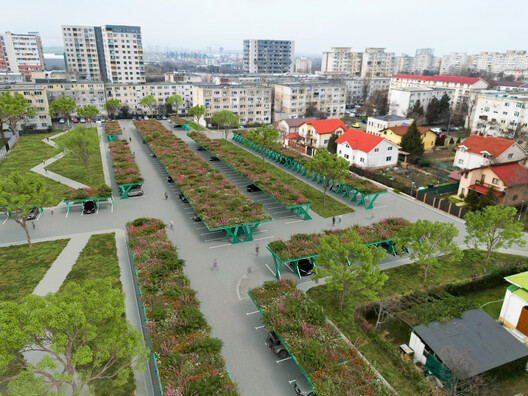
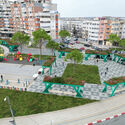
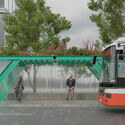
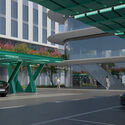
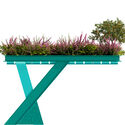
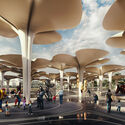
Blending sustainability with functionality, urban pergolas integrate green roofs and modular plant systems into parking areas, transit hubs, and pedestrian zones. Featuring self-sustaining ecosystems with automated irrigation and rainwater collection, they cool urban spaces, enhance biodiversity, and expand green areas. Developed with the University of Craiova, this adaptable solution meets environmental regulations while redefining the built environment. More than an aesthetic upgrade, it represents a shift toward resilient, nature-integrated cities
NIDO / JOÃO TELES atelier + Bernardo Alvarado
Tulum, México
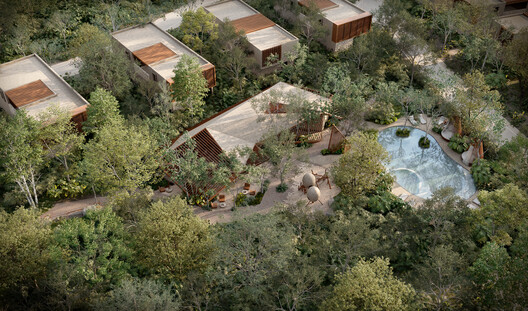
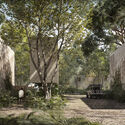
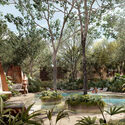
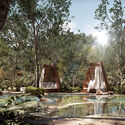
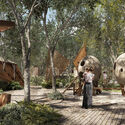
NIDO is an architecture and landscape project inspired by the intelligence of birds and the immersive ecology of the Mayan jungle. Using organic forms, local materials, and low-impact strategies, the design creates a sensitive path through vegetation, connecting play, rest, and community spaces. At its heart, the Club House reinterprets the idea of shelter as a warm, enveloping nest. NIDO offers a space of calm, intimacy, and reconnection with nature through sensory, poetic architecture.
Bachelet Park Square / Alessia Ravaldi CerebrAle
Maglie, Italy
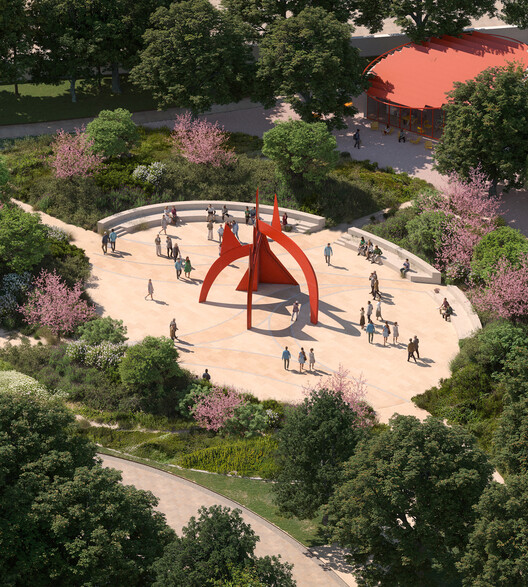
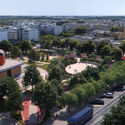
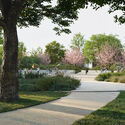
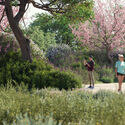
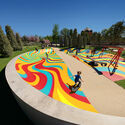
The project for Bachelet Park-Square in Maglie, designed by DKA – Diele Kerciku Architetture with the participation of SIT&A, Marco Antonini Architects, Studio Matera, and Studio Scalera, is conceived as an urban design intervention centred on the redefinition of public space. The proposal addresses an area marked by spatial and functional discontinuities, introducing a new configuration capable of re-establishing connections between different parts of the city through a recognisable spatial system structured around the Biodiversity Ring.
HOW TO SUBMIT AN UNBUILT PROJECTWe highly appreciate the input from our readers and are always happy to see more projects designed by them. If you have an Unbuilt project to submit, click here and follow the guidelines. Our curators will review your submission and get back to you in case it is selected for a feature.


