1. ArchDaily
  2. Biodiversity

Biodiversity: The Latest Architecture and News

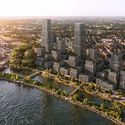
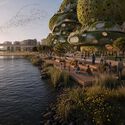
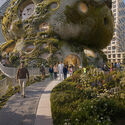
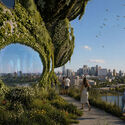
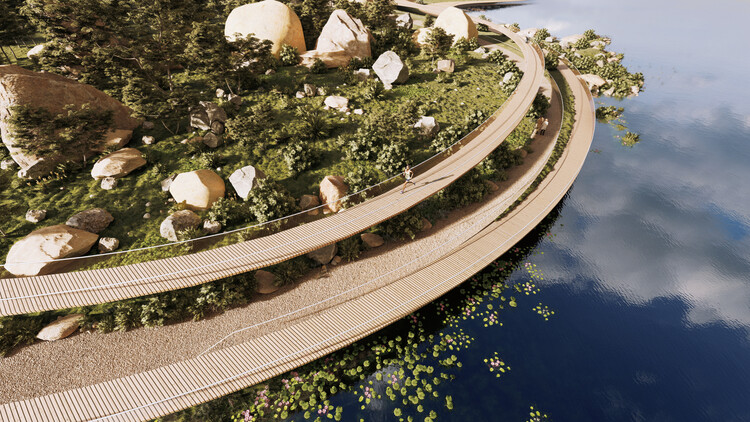
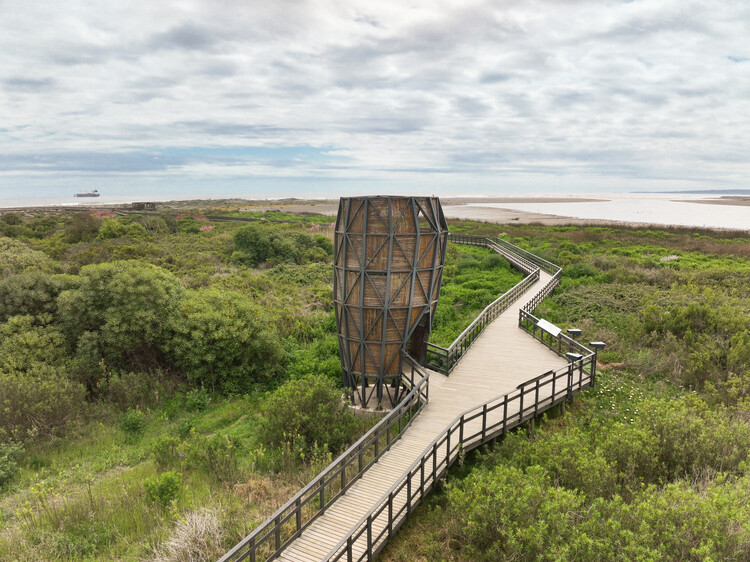
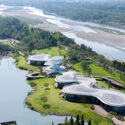
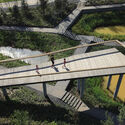
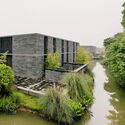
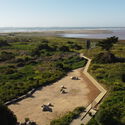
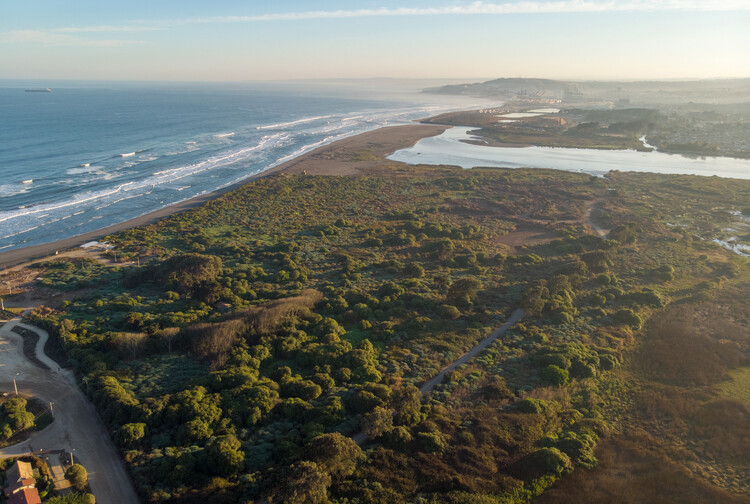
Architecture Inspired by Birds: Fundación Cosmos and the Wetland Parks of Chile

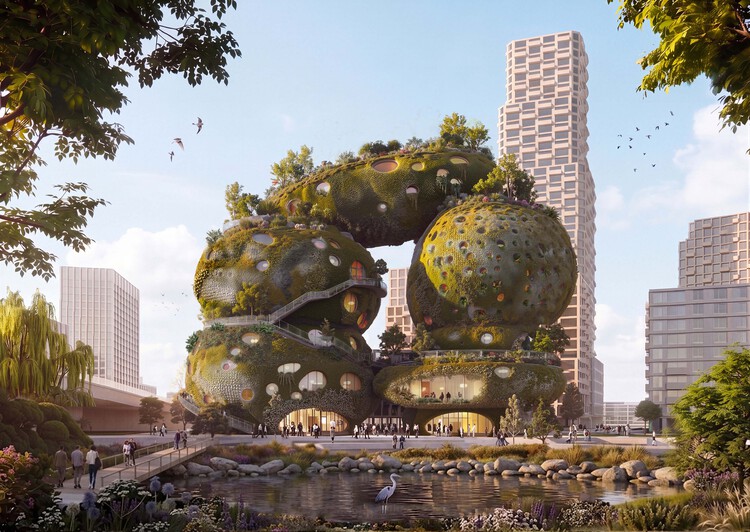
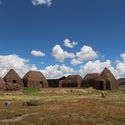
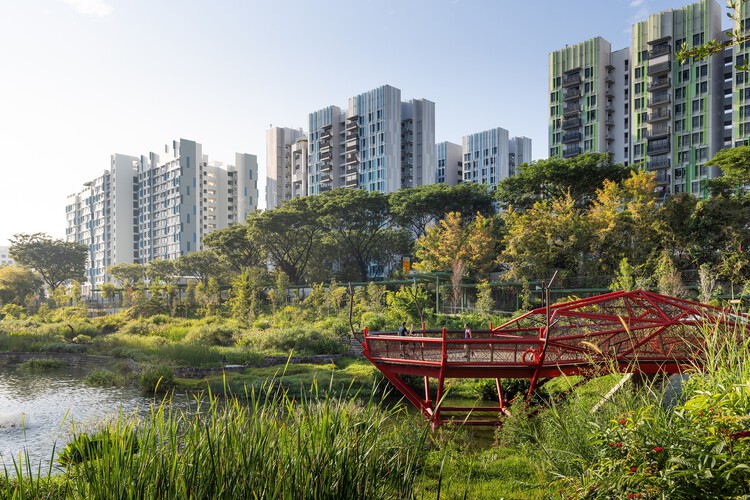
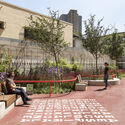
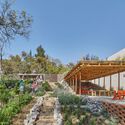
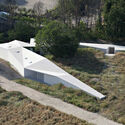
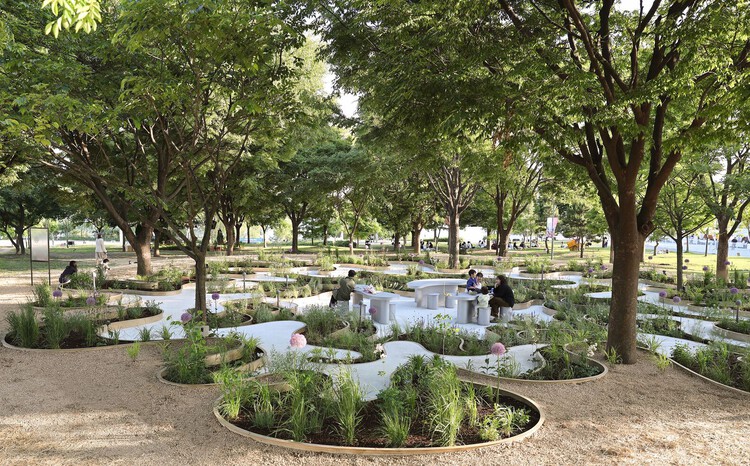
How can architectural design become an active tool for conservation? By considering nature as an inexhaustible source of inspiration, a harmonious connection with it frames the countless interrelationships that exist among humans, living organisms, and natural cycles. Designing with the landscape means learning to coexist with its temporal dynamics without controlling its processes. Traditions, ecology, and the past and present of a place all contribute to creating spaces that interpret their communities. Landscape architecture can draw inspiration from birds, plants, and other natural elements to shape the complex, dynamic network of ecosystems and human activities that make up the environment.

Architecture Inspired by Birds: Fundación Cosmos and the Wetland Parks of Chile - Image 1 of 4Architecture Inspired by Birds: Fundación Cosmos and the Wetland Parks of Chile - Image 2 of 4Architecture Inspired by Birds: Fundación Cosmos and the Wetland Parks of Chile - Image 3 of 4Architecture Inspired by Birds: Fundación Cosmos and the Wetland Parks of Chile - Image 4 of 4Architecture Inspired by Birds: Fundación Cosmos and the Wetland Parks of Chile - More Images+ 20

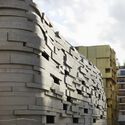
When Façades Become Habitats: Architecture Making Room for Other Species

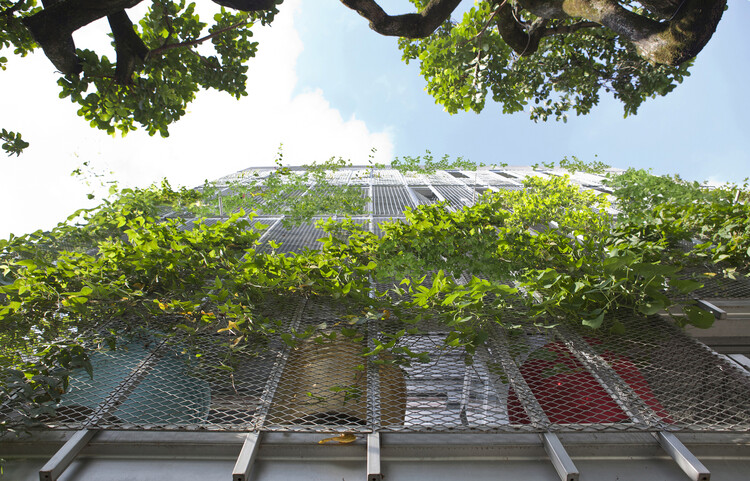
When we think of façades, we rarely think of them as habitats. We see them as the elements that separate interior from exterior, regulate temperature, reduce noise, and protect buildings from external conditions. They give architecture its visual language, but they are also expected to keep the outside world at a distance. In doing so, façades have often been understood as barriers: surfaces that define where human comfort begins and where the environment is meant to remain outside.

But the outside of a building is never empty. For centuries, architecture has unintentionally created opportunities for other forms of life. Birds nested beneath roof tiles, insects occupied cracks in masonry walls, and mosses or plants took root along ledges, gutters, and rough stone surfaces. These conditions were rarely designed with other species in mind, but they created small opportunities for life to inhabit them.
When Façades Become Habitats: Architecture Making Room for Other Species - Image 1 of 4When Façades Become Habitats: Architecture Making Room for Other Species - Image 2 of 4When Façades Become Habitats: Architecture Making Room for Other Species - Image 3 of 4When Façades Become Habitats: Architecture Making Room for Other Species - Image 4 of 4When Façades Become Habitats: Architecture Making Room for Other Species - More Images+ 21

On International Mother Earth Day: Urban Rewilding, Aquatic Ecosystems, and Ancestral Practices for Biodiversity

The United Nations' International Mother Earth Day, observed annually on April 22, aims to "promote harmony with nature and the Earth." In light of the urgency posed by climate change, it seeks to raise awareness of the challenges of preserving all forms of life supported by the planet. It is a call to the global community to safeguard biodiversity while striving to balance economic, social, and ecological systems. Crimes against biodiversity include large-scale practices such as deforestation, land-use change, intensified agriculture, livestock production, and illegal wildlife trade, all considered by the UN to be accelerating factors in the destruction of the planet.

On International Mother Earth Day: Urban Rewilding, Aquatic Ecosystems, and Ancestral Practices for Biodiversity - Image 1 of 4On International Mother Earth Day: Urban Rewilding, Aquatic Ecosystems, and Ancestral Practices for Biodiversity - Image 2 of 4On International Mother Earth Day: Urban Rewilding, Aquatic Ecosystems, and Ancestral Practices for Biodiversity - Image 3 of 4On International Mother Earth Day: Urban Rewilding, Aquatic Ecosystems, and Ancestral Practices for Biodiversity - Image 4 of 4On International Mother Earth Day: Urban Rewilding, Aquatic Ecosystems, and Ancestral Practices for Biodiversity - More Images+ 6

Parc de la Villette Opens New Urban Farm and Rewilded Landscapes in Paris

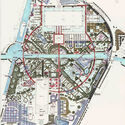
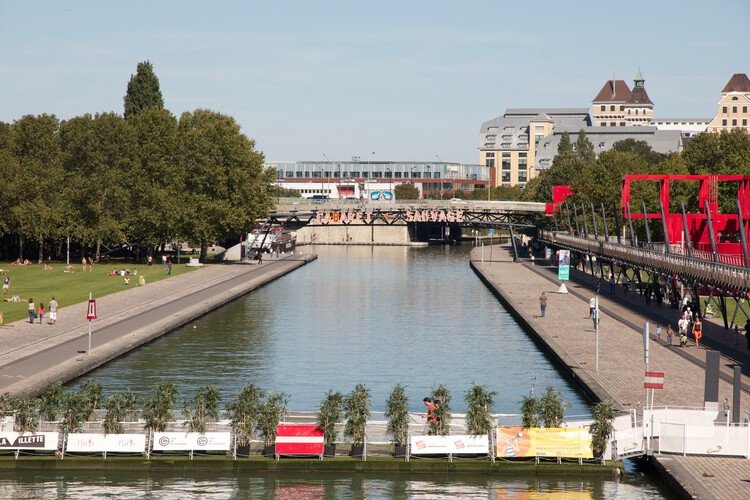
Paris's 19th arrondissement Parc de la Villette is undergoing a major transformation, combining a newly opened urban farm with restored biodiversity as part of a strategy to adapt the 55.5-hectare park to climate change. Masterplanned by Bernard Tschumi in 1982 and opened to the public in 1987, the park stands as a landmark of European modernism in public space design, breaking from the traditional concept of the metropolitan park. With a 15,000-square-meter extension, this major green lung in northeast Paris is reimagining its lawns as a living laboratory for environmental education, where animals, plants, and humans coexist. The extensive renovation follows the addition of Tschumi's HyperTent in 2022, a hyperbolic paraboloid structure functioning as a new ticket booth on the podium of Folie L4, and marks the park's most significant transformation since its inauguration.

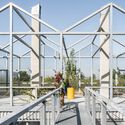
Parc de la Villette Opens New Urban Farm and Rewilded Landscapes in Paris - Image 1 of 4Parc de la Villette Opens New Urban Farm and Rewilded Landscapes in Paris - Image 2 of 4Parc de la Villette Opens New Urban Farm and Rewilded Landscapes in Paris - Image 3 of 4Parc de la Villette Opens New Urban Farm and Rewilded Landscapes in Paris - Image 4 of 4Parc de la Villette Opens New Urban Farm and Rewilded Landscapes in Paris - More Images

Health, Habitat, and Civic Infrastructure: Designing the City as a National Park

Subscriber Access | 

Cities around the world share a common goal: to become healthier and greener, supported by civic infrastructure that restores ecosystems and strengthens public life. The question is how to reach this. Global climate targets, local building codes, and municipal standards increasingly guide designers and planners toward better choices. Still, many cities struggle to translate these frameworks into everyday, street-level comfort and long-term ecological protection. What happens if the city is no longer treated as a traditional city, but as a national park?

National parks operate through systems of protection that treat land as a network of ecological relationships rather than a collection of isolated sites. They establish a shared baseline for what must be preserved, maintained, and made accessible over time. When this logic is applied to the urban environment, success can inspire pride and a sense of shared responsibility among designers, policymakers, and residents, fostering a collective commitment to health, habitat, and civic infrastructure.
Health, Habitat, and Civic Infrastructure: Designing the City as a National Park - Image 1 of 4Health, Habitat, and Civic Infrastructure: Designing the City as a National Park - Image 2 of 4Health, Habitat, and Civic Infrastructure: Designing the City as a National Park - Image 3 of 4Health, Habitat, and Civic Infrastructure: Designing the City as a National Park - Image 4 of 4Health, Habitat, and Civic Infrastructure: Designing the City as a National Park - More Images+ 13

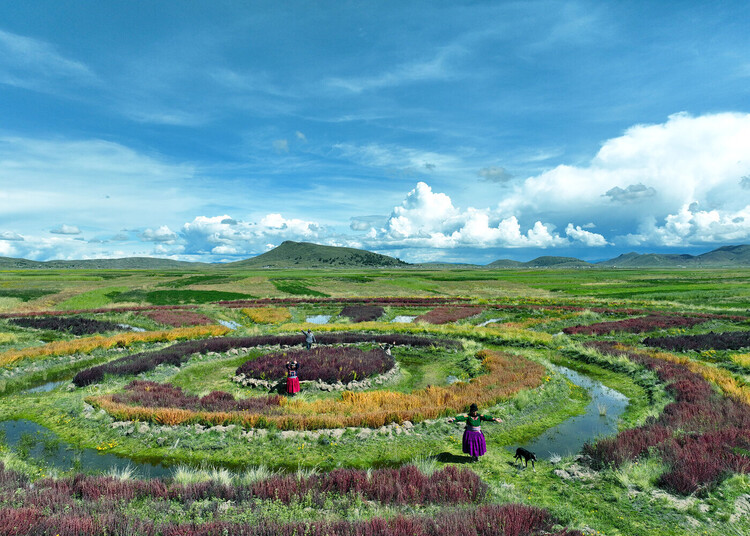
World Wetlands Day 2026: Integrating Traditional Knowledge for Climate Resilience

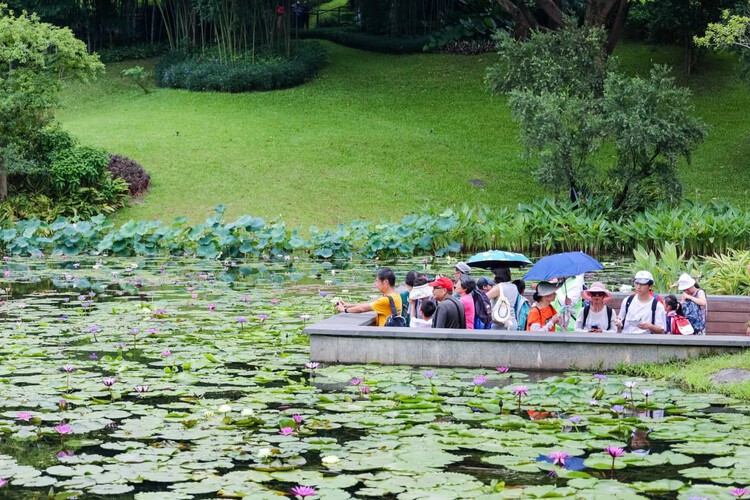
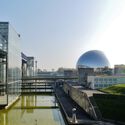
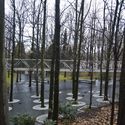
Observed annually on February 2, World Wetlands Day marks the adoption of the Ramsar Convention in 1971 and provides an international framework for recognizing the role of wetlands in environmental protection and sustainable development. The 2026 edition is held under the theme "Wetlands and traditional knowledge: Celebrating cultural heritage," drawing attention to the long-standing relationships between wetland ecosystems and the cultural practices, knowledge systems, and governance structures developed by communities over centuries. The theme highlights how inherited ecological knowledge, often embedded in rituals, seasonal calendars, land-use practices, and spatial organization, has shaped resilient interactions between human settlements and water-based landscapes.
World Wetlands Day 2026: Integrating Traditional Knowledge for Climate Resilience - Image 1 of 4World Wetlands Day 2026: Integrating Traditional Knowledge for Climate Resilience - Image 2 of 4World Wetlands Day 2026: Integrating Traditional Knowledge for Climate Resilience - Image 3 of 4World Wetlands Day 2026: Integrating Traditional Knowledge for Climate Resilience - Image 4 of 4World Wetlands Day 2026: Integrating Traditional Knowledge for Climate Resilience - More Images+ 5

Bugs, Bees, and Trees: How to Integrate Biodiversity in the Built Environment

Subscriber Access | 

Biodiversity, defined by the World Wide Fund for Nature (WWF) as the different kinds of life found in an area, is in a state of crisis all across the world, with declines in the numbers of organisms and many species declared as at risk of extinction. All types are affected, from plants and fungi to large mammals, and there is a clear link to human activity being the cause. Although farming methods and climate change due to greenhouse gases play a major role, cities and buildings can play a small but important role in countering this decline.

Bugs, Bees, and Trees: How to Integrate Biodiversity in the Built Environment - Image 1 of 4Bugs, Bees, and Trees: How to Integrate Biodiversity in the Built Environment - Image 2 of 4Bugs, Bees, and Trees: How to Integrate Biodiversity in the Built Environment - Image 3 of 4Bugs, Bees, and Trees: How to Integrate Biodiversity in the Built Environment - Image 4 of 4Bugs, Bees, and Trees: How to Integrate Biodiversity in the Built Environment - More Images+ 9

Age of Nature: New DAC Exhibition Explores the Future Relationship Between Architecture and Nature

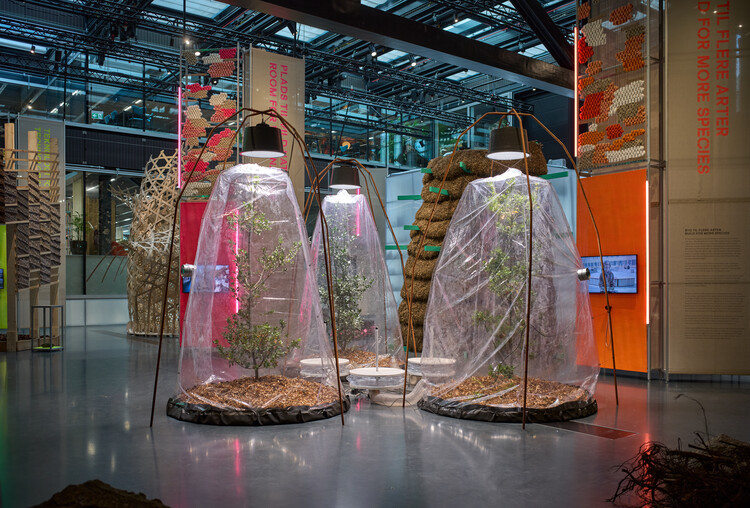
Opening on World Architecture Day, October 6, 2025, "Age of Nature" is a new exhibition at the Danish Architecture Center (DAC), on view until May 17, 2026. Presented in DAC's largest exhibition space, the show examines how architecture can evolve to support both human life and biodiversity, addressing one of the most pressing challenges of the time: redefining the relationship between the built environment and the natural world.

Age of Nature: New DAC Exhibition Explores the Future Relationship Between Architecture and Nature - Image 1 of 4Age of Nature: New DAC Exhibition Explores the Future Relationship Between Architecture and Nature - Image 2 of 4Age of Nature: New DAC Exhibition Explores the Future Relationship Between Architecture and Nature - Image 3 of 4Age of Nature: New DAC Exhibition Explores the Future Relationship Between Architecture and Nature - Image 4 of 4Age of Nature: New DAC Exhibition Explores the Future Relationship Between Architecture and Nature - More Images+ 7

Co-Designing with Nature: How Communities Are Becoming Stewards of Urban Biodiversity

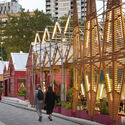
The concrete canyon of Melbourne's Degraves Street was once a stark service corridor in functional obscurity. Today, the narrow laneway now pulses with life beyond its famous café. Native grasses cascade from carefully positioned planters while small shrubs create cooling microclimates. Challenging traditional ecological design models, community-led approaches to biodiversity invite a reimagining of how architects, planners, and communities collaborate to develop biodiverse urban futures.

Co-Designing with Nature: How Communities Are Becoming Stewards of Urban Biodiversity - Image 1 of 4Co-Designing with Nature: How Communities Are Becoming Stewards of Urban Biodiversity - Image 2 of 4Co-Designing with Nature: How Communities Are Becoming Stewards of Urban Biodiversity - Image 3 of 4Co-Designing with Nature: How Communities Are Becoming Stewards of Urban Biodiversity - Image 4 of 4Co-Designing with Nature: How Communities Are Becoming Stewards of Urban Biodiversity - More Images+ 2

World-Leading Architects Call for Action on Climate Change

Some of the world’s leading UK-based architects have joined forces to call for industry-led action on the twin issues of climate change and biodiversity loss. The “Architects Declare” group, which includes firms such as Foster + Partners, David Chipperfield Architects, and Zaha Hadid Architects, has so-far grown to 69 firms, with the original 17 signatories all past winners of the RIBA Stirling Prize.

The Eco-Friendly Floating Cities of the Future

As the world population grows, designers look to develop the seas. Architecture and planning firm, URBAN POWER strategically designed nine man-made islands off the southern coast of Copenhagen to combat many of the city’s impending challenges. The islets, called Holmene, address demands for tech space, fossil-free energy production, flood barriers, and even public recreation space.

BIG Reveals Skyscraper Design for First Project in South America

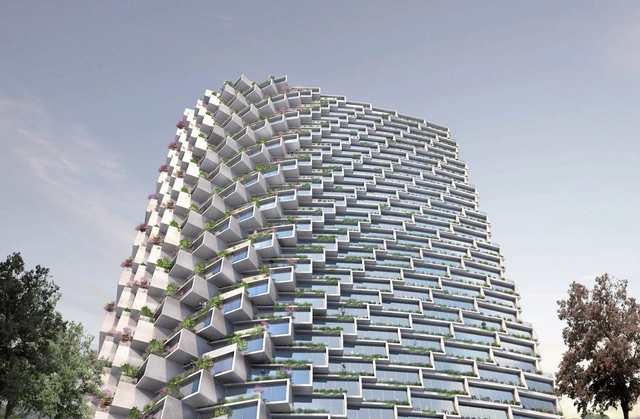
Soon to become the tallest building in Quito, IQON is Bjarke Ingels Group's first project to be built in South America. Currently undergoing construction, the largely residential building is a curved tower with gradually protruding balconies. Encased between the dense city and the park, the self-dubbed "urban tree farm" aims not only to encompass the surrounding views of the volcanoes and nature beyond but also to integrate the landscape within the building itself.

BIG Reveals Skyscraper Design for First Project in South America  - ApartmentsBIG Reveals Skyscraper Design for First Project in South America  - ApartmentsBIG Reveals Skyscraper Design for First Project in South America  - ApartmentsBIG Reveals Skyscraper Design for First Project in South America  - ApartmentsBIG Reveals Skyscraper Design for First Project in South America  - More Images+ 9

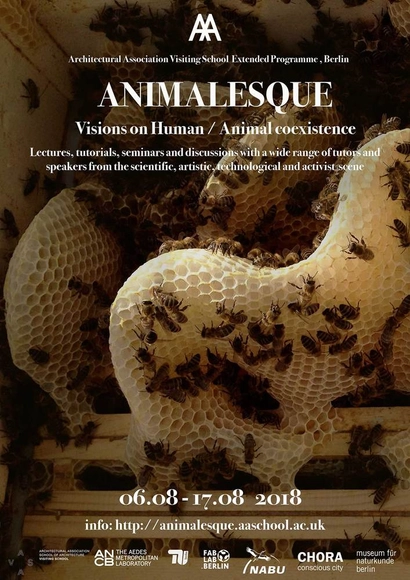
Animalesque Berlin AA Visiting School

The Berlin AA Visiting School, an arm of Architectural Association School of Architecture, is still accepting registrations for their cutting edge lecture- and seminar series from the 6th till the 17th of August 2018. Participants will learn to adapt their design perspectives from anthropocentric to human-animal co-perspective, design and construct “The Insectarium”, and actively participate in Berlin’s political, ecological, and planning scene through talks and interactive sessions with an amazing roster of speakers ranging from legendary Raoul Bunschoten, Francois Roche, UNStudio, ARUP, Emanuele Coccia and Ricardo de Ostos!

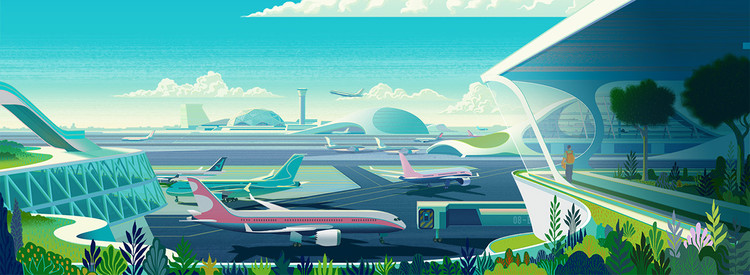
Heathrow Illustrations Envision the Future of Sustainable Airports

Alongside designer Paul Tinker and developer Esteban Almiron, UK-based illustrator Sam Chivers has created a series of animations visualizing the sustainable development of airports for a recent Guardian piece. The animations, which describe the topics of transport, alternative energy, noise reduction, airport terminal design, biodiversity, and fuel efficiency, capture the passage of time from morning to evening in Heathrow Airport in London.

Heathrow Illustrations Envision the Future of Sustainable Airports - Image 1 of 4Heathrow Illustrations Envision the Future of Sustainable Airports - Image 2 of 4Heathrow Illustrations Envision the Future of Sustainable Airports - Image 3 of 4Heathrow Illustrations Envision the Future of Sustainable Airports - Image 4 of 4Heathrow Illustrations Envision the Future of Sustainable Airports - More Images+ 6