What Informality and Incrementality Reveal About Sustainable Urbanism in India

Subscriber Access

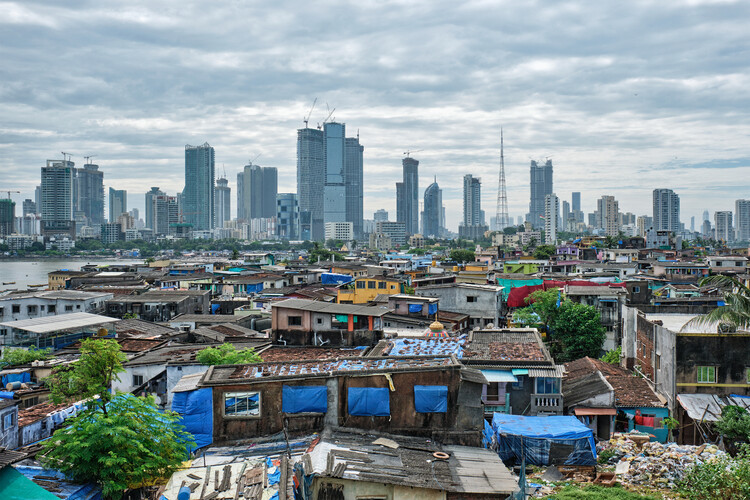
The magic of Indian architecture lies in an invisible order amidst visceral chaos. When an uncertain future knocks on the doors of local practitioners, one might begin to look within the four walls they occupy to discover an opportunity for reinterpretation.

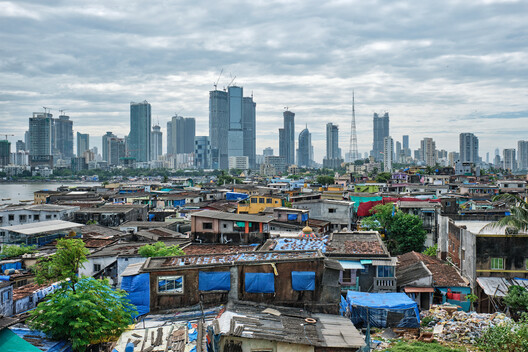
Mumbai, Delhi, Bengaluru, and other major metropolises are described as needing massive housing solutions for millions. The instinctive answer is predictable — masterplans, dense towers, and standardized units smeared over haphazard developments. The lexicon misses a deeper truth about how the people already live, work, and build in India. The shorthand used in policy and planning — slum, informal settlement, unauthorized colony — implies a temporary state to be corrected. A designer's eye views these places as layered urban histories, formed through necessity.


What Informality and Incrementality Reveal About Sustainable Urbanism in India - Image 2 of 6What Informality and Incrementality Reveal About Sustainable Urbanism in India - Image 3 of 6What Informality and Incrementality Reveal About Sustainable Urbanism in India - Image 4 of 6What Informality and Incrementality Reveal About Sustainable Urbanism in India - Image 5 of 6What Informality and Incrementality Reveal About Sustainable Urbanism in India - More Images+ 1

Content Loader

Image gallery

See allShow less
About this author
Cite: Ankitha Gattupalli. "What Informality and Incrementality Reveal About Sustainable Urbanism in India" 21 Jan 2026. ArchDaily. Accessed . <https://www.archdaily.com/1037993/what-informality-and-incrementality-reveal-about-sustainable-urbanism-in-india> ISSN 0719-8884

You've started following your first account!

Did you know?

You'll now receive updates based on what you follow! Personalize your stream and start following your favorite authors, offices and users.