1. ArchDaily
  2. AD India: Building for Billions

AD India: Building for Billions: The Latest Architecture and News

Climate, Culture, and Modernism: The Postcolonial Campus as Architectural Laboratory

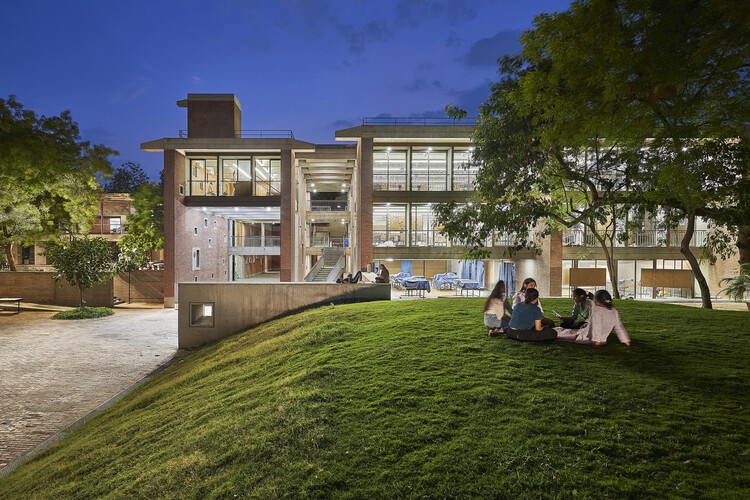
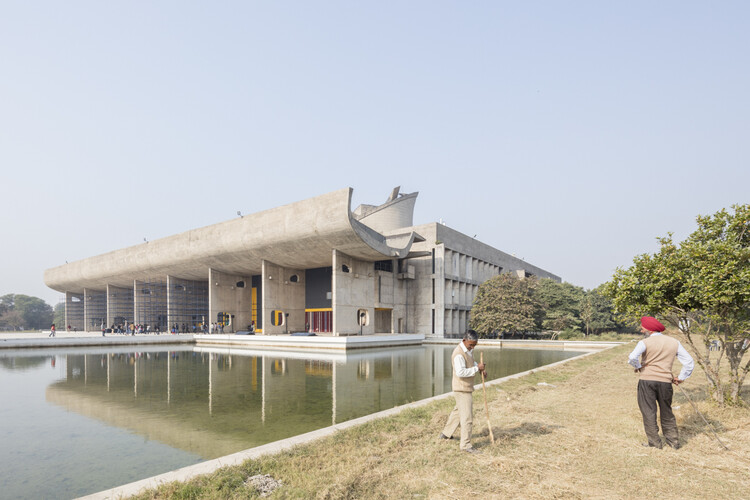
In the decades following independence, some of the most ambitious architectural experiments in the world did not emerge through museums, monuments, or government palaces. They emerged through universities. Across South Asia and Africa, newly formed nations turned campuses into testing grounds for entirely new ways of imagining collective life. These campuses functioned as more than educational institutions. They became territories where states tested how modernity might be organized, for citizens to gather, institutions to function, climate to shape architecture, and imported ideas to transform local realities.




Climate, Culture, and Modernism: The Postcolonial Campus as Architectural Laboratory - Image 1 of 4Climate, Culture, and Modernism: The Postcolonial Campus as Architectural Laboratory - Image 2 of 4Climate, Culture, and Modernism: The Postcolonial Campus as Architectural Laboratory - Image 3 of 4Climate, Culture, and Modernism: The Postcolonial Campus as Architectural Laboratory - Image 4 of 4Climate, Culture, and Modernism: The Postcolonial Campus as Architectural Laboratory - More Images+ 7

Tropical Modernism Beyond Aesthetics: The Politics of Shade and Air

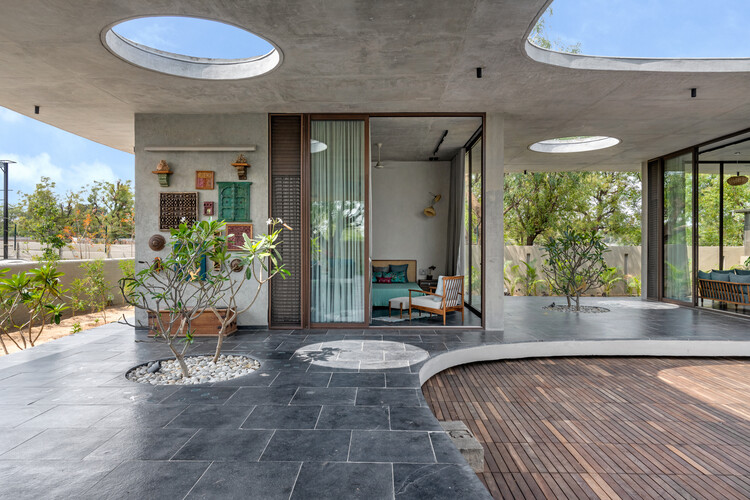
The image is familiar, a façade layered with brise-soleil, light softened into a patterned shadow, interiors kept cool without machines. It appears as intelligence made visible, architecture that understands the sun. This image is rarely examined closely. The same devices that temper heat also organize access, distribute comfort, and depend on particular forms of labor. What looks like a climatic response is also a decision about who gets relief from heat, and how. Tropical modernism, often reduced to a visual language of shade and porosity, emerges instead as a set of situated practices where climate, labor, and power are negotiated differently across contexts.

At the scale of the element, tropical modernism begins as a technical problem. In hot climates, solar radiation is not incidental but constant, requiring buildings to mediate light, heat, and air before they reach the interior. Architects like Maxwell Fry and Jane Drew approached this with a level of precision that resists any reading of these elements as decorative. Shading devices are calibrated according to solar angles, orientation, and seasonal variation. Brise-soleil are dimensioned to block high-angle sun while admitting diffuse light; overhangs extend just enough to prevent direct gain at peak hours; openings are aligned to encourage cross-ventilation. Mid-century research further tested these strategies, measuring temperature reductions and airflow improvements. In this sense, the language of tropical modernism is not symbolic. It is performative: each projection, void, and screen is part of an environmental system.

Tropical Modernism Beyond Aesthetics: The Politics of Shade and Air  - Image 1 of 4Tropical Modernism Beyond Aesthetics: The Politics of Shade and Air  - Image 2 of 4Tropical Modernism Beyond Aesthetics: The Politics of Shade and Air  - Image 3 of 4Tropical Modernism Beyond Aesthetics: The Politics of Shade and Air  - Image 4 of 4Tropical Modernism Beyond Aesthetics: The Politics of Shade and Air  - More Images+ 7

What Informality and Incrementality Reveal About Sustainable Urbanism in India

Subscriber Access | 

The magic of Indian architecture lies in an invisible order amidst visceral chaos. When an uncertain future knocks on the doors of local practitioners, one might begin to look within the four walls they occupy to discover an opportunity for reinterpretation.

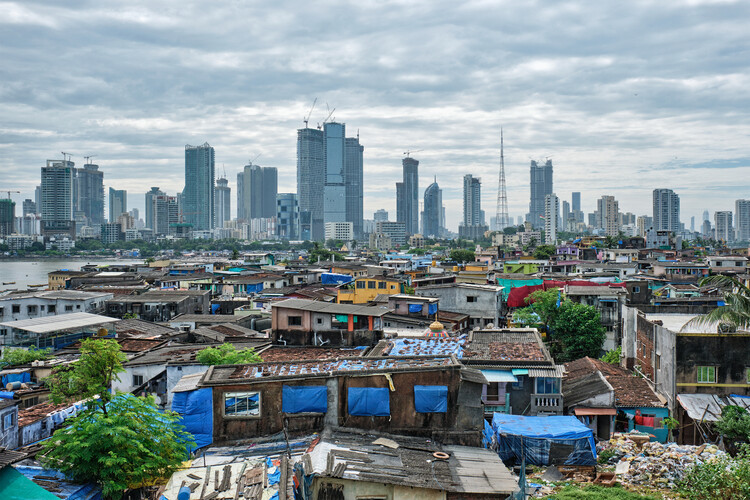
Mumbai, Delhi, Bengaluru, and other major metropolises are described as needing massive housing solutions for millions. The instinctive answer is predictable — masterplans, dense towers, and standardized units smeared over haphazard developments. The lexicon misses a deeper truth about how the people already live, work, and build in India. The shorthand used in policy and planning — slum, informal settlement, unauthorized colony — implies a temporary state to be corrected. A designer's eye views these places as layered urban histories, formed through necessity.

What Informality and Incrementality Reveal About Sustainable Urbanism in India - Image 1 of 4What Informality and Incrementality Reveal About Sustainable Urbanism in India - Image 2 of 4What Informality and Incrementality Reveal About Sustainable Urbanism in India - Image 3 of 4What Informality and Incrementality Reveal About Sustainable Urbanism in India - Image 4 of 4What Informality and Incrementality Reveal About Sustainable Urbanism in India - More Images+ 1

A Day in the Bazaar: When Architecture Is Observed in Time

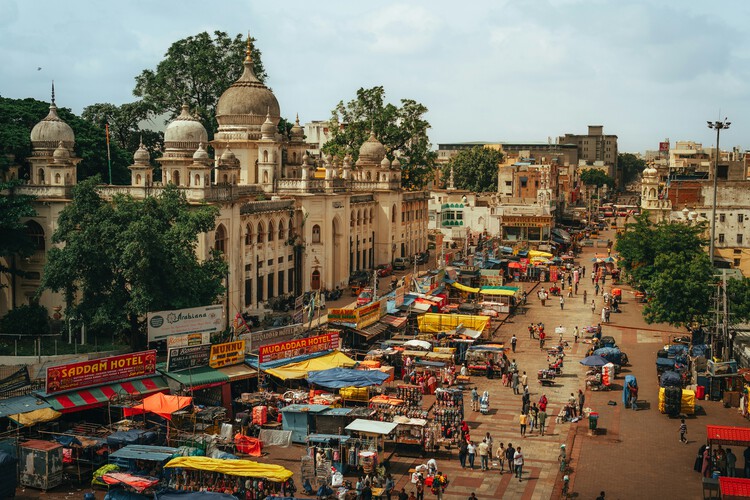
Architecture is most often represented as a stable object: a building captured at a moment of visual clarity, isolated from surrounding contingencies. Plans, sections, and photographs promise legibility by suspending time. Yet many of the world's most enduring public environments resist this mode of representation altogether. They are not designed to be read instantaneously, nor do they reveal their logic through form alone. Their spatial intelligence emerges gradually, through repetition, occupation, and duration.

The bazaar belongs firmly within this category. It cannot be understood through a single drawing or a finished elevation. Its organization is not fixed but rehearsed. What sustains it is not purely architectural composition, but shared timing, collective memory, and long-standing patterns of use. Togetherness in the bazaar does not arise from formal design decisions; it is produced through repeated encounters, negotiated proximities, and social familiarity accumulated over time.

A Day in the Bazaar: When Architecture Is Observed in Time - Image 1 of 4A Day in the Bazaar: When Architecture Is Observed in Time - Image 2 of 4A Day in the Bazaar: When Architecture Is Observed in Time - Image 3 of 4A Day in the Bazaar: When Architecture Is Observed in Time - Image 4 of 4A Day in the Bazaar: When Architecture Is Observed in Time - More Images+ 3

The Everyday Legacy of Indian Modernism: Building for the Post-Independence Middle Class

Subscriber Access | 

Indian modernism is often narrated through a narrow lens: a handful of iconic institutions, master architects, and formally radical experiments that came to symbolize the nation's post-Independence aspirations. Yet this version of history overlooks the far larger body of modernist architecture that quietly shaped everyday life across the country. Beyond celebrated campuses and canonical buildings exists a vast, dispersed landscape of housing blocks, offices, hostels, hospitals, markets, and townships — structures that were designed to function and endure.

The Everyday Legacy of Indian Modernism: Building for the Post-Independence Middle Class - Image 1 of 4The Everyday Legacy of Indian Modernism: Building for the Post-Independence Middle Class - Image 2 of 4The Everyday Legacy of Indian Modernism: Building for the Post-Independence Middle Class - Image 3 of 4The Everyday Legacy of Indian Modernism: Building for the Post-Independence Middle Class - Image 4 of 4The Everyday Legacy of Indian Modernism: Building for the Post-Independence Middle Class - More Images+ 6

Small Practices, Big Ideas: Indian Studios Redefining Architectural Agency

Subscriber Access | 

In contemporary architectural discourse, scale is often mistaken for influence. Large firms, landmark projects, and master-planned developments dominate visibility. It goes on to reinforce the idea that architectural ambition is measured by size, reach, or spectacle. Yet across India and similar contexts, a quieter but equally consequential body of work is emerging. It is led by small but mighty practices operating with limited resources, close client relationships, and an intimate understanding of local conditions.

Small Practices, Big Ideas: Indian Studios Redefining Architectural Agency - Image 1 of 4Small Practices, Big Ideas: Indian Studios Redefining Architectural Agency - Image 2 of 4Small Practices, Big Ideas: Indian Studios Redefining Architectural Agency - Image 3 of 4Small Practices, Big Ideas: Indian Studios Redefining Architectural Agency - Image 4 of 4Small Practices, Big Ideas: Indian Studios Redefining Architectural Agency - More Images+ 15

Architecture as Infrastructure: How India Builds for a Billion

Subscriber Access | 

India's built environment has, in recent years, gained visibility through a growing number of transformative architectural and infrastructure projects. Cities and towns scale faster each year, despite looming concerns around climate and economic volatility. The nation has shown resilience in balancing rapid urbanization with resource constraints; this is no small feat. India's architectural practices rarely rely on novelty alone; they are built on systems that have existed for centuries. Through ArchDaily's Building for Billions, recurring stories have highlighted the social intelligence and adaptive capacity embedded in these practices, revealing an architecture that operates less as isolated form and more as infrastructure.

Architecture as Infrastructure: How India Builds for a Billion - Image 1 of 4Architecture as Infrastructure: How India Builds for a Billion - Image 2 of 4Architecture as Infrastructure: How India Builds for a Billion - Image 3 of 4Architecture as Infrastructure: How India Builds for a Billion - Image 4 of 4Architecture as Infrastructure: How India Builds for a Billion - More Images+ 2

The Invisible City: India's Urban Infrastructure Projects of 2025 That Deserve Attention

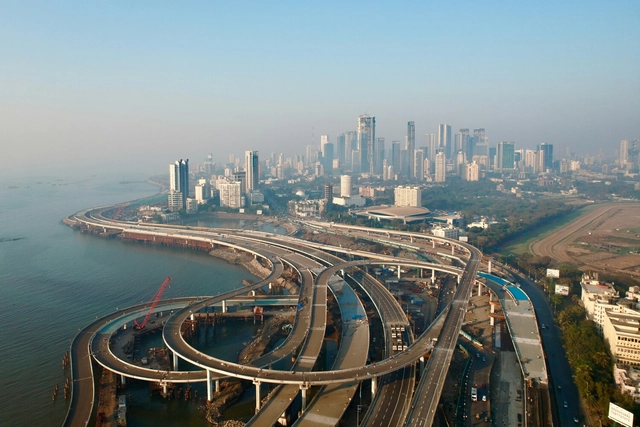
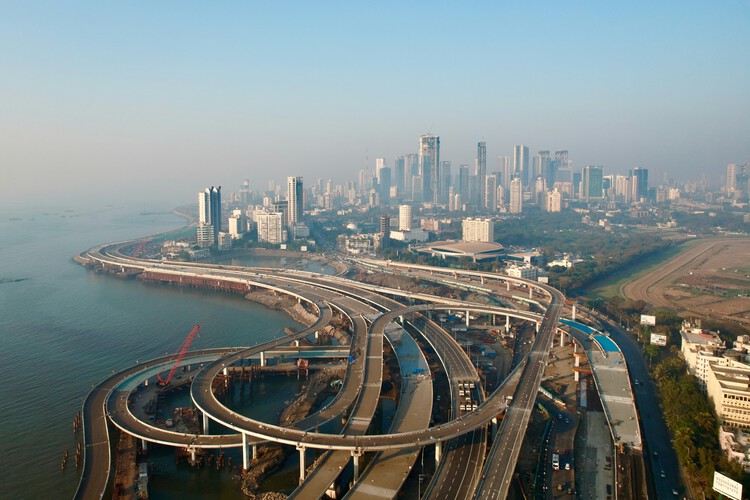
In 2025, India's most consequential design projects unfolded largely out of sight. While public attention gravitated toward museums, cultural landmarks, and visually arresting façades, the architecture that most decisively shaped daily life existed underground, at the city's edges, or inside secured compounds few citizens would ever enter. Sewage networks were rebuilt, flood tunnels bored beneath dense neighborhoods, substations lifted above floodplains, and data centers multiplied across peri-urban landscapes. These were not peripheral works of engineering; they were the spatial systems that allowed Indian cities to remain functional through record heatwaves, erratic monsoons, and accelerating urban growth.

The Invisible City: India's Urban Infrastructure Projects of 2025 That Deserve Attention - Image 1 of 4The Invisible City: India's Urban Infrastructure Projects of 2025 That Deserve Attention - Image 2 of 4The Invisible City: India's Urban Infrastructure Projects of 2025 That Deserve Attention - Image 3 of 4The Invisible City: India's Urban Infrastructure Projects of 2025 That Deserve Attention - Image 4 of 4The Invisible City: India's Urban Infrastructure Projects of 2025 That Deserve Attention - More Images+ 5

Circular by Tradition: India’s Vernacular Building Practices for a Warming World

Across India's varied geographies, from coastal backwaters to desert fortress cities, architecture evolved with a deep, instinctive connection to climate. These were not isolated craft traditions but complete ecological systems in which material cycles, thermal comfort, and community knowledge were interdependent. As COP30 turns global attention toward the links between heritage and climate resilience, India's vernacular practices appear less as historical artifacts and more as climate technologies refined over centuries.

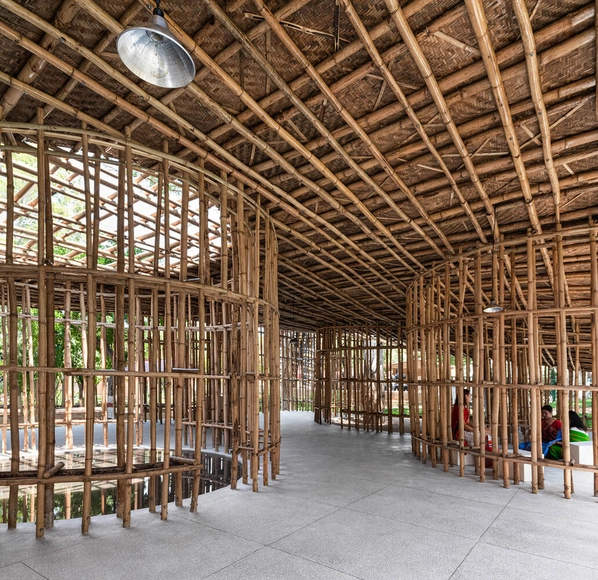
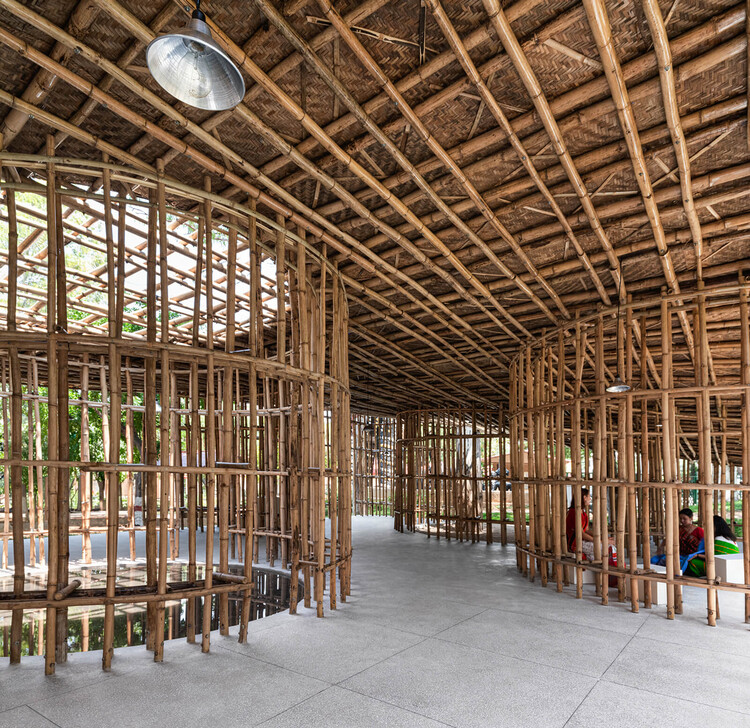
India's timber, lime, mud, and bamboo building traditions all share a common thread: they relied on local materials, passive cooling, and construction systems designed to be repaired, renewed, and reused. In an era dominated by cement, steel, and demolition-driven redevelopment, these earlier material cultures demonstrate a quiet circularity that feels radical again.

Circular by Tradition: India’s Vernacular Building Practices for a Warming World - Image 3 of 4Circular by Tradition: India’s Vernacular Building Practices for a Warming World - Image 5 of 4Circular by Tradition: India’s Vernacular Building Practices for a Warming World - Image 4 of 4Circular by Tradition: India’s Vernacular Building Practices for a Warming World - Image 1 of 4Circular by Tradition: India’s Vernacular Building Practices for a Warming World - More Images+ 4

Ancient Wisdom Meets Urban Reality: Vastu’s Role in Contemporary Indian Cities

Subscriber Access | 

India carries an ancient lineage of tradition that has long shaped the very conception and crafting of its cities. Vastu Shastra is one such tradition, more a science than a belief, intimately woven into the principles of architectural design. The practice remains widespread and highly regarded, with 93% of homes designed to align with Vastu principles. As India urbanizes at an unprecedented pace, projected to add 416 million city dwellers by 2050, Vastu Shastra continues to influence billions of real estate decisions amid the trials of modern city living. How might an 8,000-year-old spatial science evolve to guide the design of cities housing millions?

Ancient Wisdom Meets Urban Reality: Vastu’s Role in Contemporary Indian Cities - Image 1 of 4Ancient Wisdom Meets Urban Reality: Vastu’s Role in Contemporary Indian Cities - Image 2 of 4Ancient Wisdom Meets Urban Reality: Vastu’s Role in Contemporary Indian Cities - Image 3 of 4Ancient Wisdom Meets Urban Reality: Vastu’s Role in Contemporary Indian Cities - Image 4 of 4Ancient Wisdom Meets Urban Reality: Vastu’s Role in Contemporary Indian Cities - More Images+ 2

From Scaffolds to Structures: India’s Unfinished Journey with Bamboo

Subscriber Access | 

Across Asia, bamboo scaffolding has symbolized an intersection of traditional knowledge and modern construction. Hong Kong's skyline is shaped by intricate bamboo scaffolding, yet this time-honored craft is steadily vanishing from the region. Moving east, Indian cities still utilize bamboo scaffolding on building sites throughout the subcontinent, revealing a different kind of paradox.

From Scaffolds to Structures: India’s Unfinished Journey with Bamboo - Image 1 of 4From Scaffolds to Structures: India’s Unfinished Journey with Bamboo - Image 2 of 4From Scaffolds to Structures: India’s Unfinished Journey with Bamboo - Image 3 of 4From Scaffolds to Structures: India’s Unfinished Journey with Bamboo - Image 4 of 4From Scaffolds to Structures: India’s Unfinished Journey with Bamboo - More Images+ 4

Barriers to BIM: Why India’s Construction Culture Slows Technology Adoption

Subscriber Access | 

Touted as the new era in construction, Building Information Modeling (BIM) has captured global attention with its promise of seamless coordination, trimmed budgets, and newfound efficiencies. Yet in India's construction landscape, the adoption of technology tells a more nuanced story about cultural barriers and technical limitations.

"The bigger barrier isn't the technology but rather the planning culture," explains Rahul Bahl Managing Director of Krishna Buildestates Pvt Ltd, highlighting what may be BIM's most fundamental challenge in India. "BIM requires that every detail be finalized before construction begins, from electrical switch locations to final finishes. In India, we often break ground with just the shell resolved and spend the next several months value-engineering as we go."

Barriers to BIM: Why India’s Construction Culture Slows Technology Adoption - Image 1 of 4Barriers to BIM: Why India’s Construction Culture Slows Technology Adoption - Image 2 of 4Barriers to BIM: Why India’s Construction Culture Slows Technology Adoption - Image 3 of 4Barriers to BIM: Why India’s Construction Culture Slows Technology Adoption - Image 4 of 4Barriers to BIM: Why India’s Construction Culture Slows Technology Adoption - More Images+ 1

The Economics of Authenticity: Heritage Preservation in Mumbai as a Business Model

Subscriber Access | 

Heritage preservation and economic viability have long been treated as competing priorities in urban development. Architects typically face a stark choice - to design for community continuity or design for financial returns. Contemporary projects in Mumbai render this binary false. Through strategic programming, material choices, and spatial organization, architects enable buildings to generate sustainable revenue while strengthening, rather than displacing, existing communities.

The Economics of Authenticity: Heritage Preservation in Mumbai as a Business Model - Image 1 of 4The Economics of Authenticity: Heritage Preservation in Mumbai as a Business Model - Image 2 of 4The Economics of Authenticity: Heritage Preservation in Mumbai as a Business Model - Image 3 of 4The Economics of Authenticity: Heritage Preservation in Mumbai as a Business Model - Image 4 of 4The Economics of Authenticity: Heritage Preservation in Mumbai as a Business Model - More Images+ 2

Laurie Baker’s Legacy and the Democratization of Indian Architecture

In India, brick as a construction material holds memory, meaning, and modernity. From the aligned fired bricks of the Indus Valley Civilization to the intricate brick jaalis that decorate homes, public buildings, and landmarks, the material's legacy is deeply embedded within the subcontinent's architectural identity. Yet no one has shaped the narrative of brick in modern Indian architecture more eloquently than Laurie Baker.

Laurie Baker’s Legacy and the Democratization of Indian Architecture - Image 1 of 4Laurie Baker’s Legacy and the Democratization of Indian Architecture - Image 2 of 4Laurie Baker’s Legacy and the Democratization of Indian Architecture - Image 3 of 4Laurie Baker’s Legacy and the Democratization of Indian Architecture - Image 4 of 4Laurie Baker’s Legacy and the Democratization of Indian Architecture - More Images+ 9

The Economics of Vertical Growth in India: Addressing Urban Density and Sprawl

Subscriber Access | 

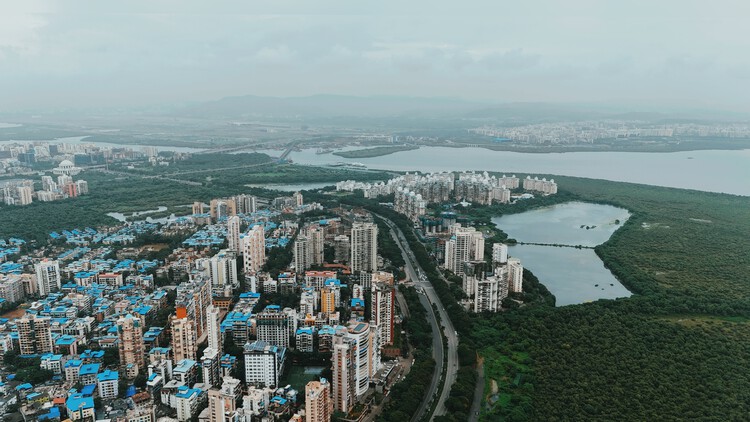
India finds itself a watershed moment with its urban evolution. With the United Nations projecting urbanization to reach 68% by 2050, the country's metropolitan regions needs to adapt to increasing populations while maintaining equity and quality of life. India's urban population is expected to exceed 600 million by 2030, drawing attention to both urban density and sprawl. As an emerging player in the domain of high-rise development, India is restructuring how it engages with urban growth by shifting from horizontal sprawl to vertical expansion.

The Economics of Vertical Growth in India: Addressing Urban Density and Sprawl - Image 1 of 4The Economics of Vertical Growth in India: Addressing Urban Density and Sprawl - Image 2 of 4The Economics of Vertical Growth in India: Addressing Urban Density and Sprawl - Image 3 of 4The Economics of Vertical Growth in India: Addressing Urban Density and Sprawl - Image 4 of 4The Economics of Vertical Growth in India: Addressing Urban Density and Sprawl - More Images+ 1

Building Appropriately: Brinda Somaya on Connecting Generations of Indian Architecture

Subscriber Access | 

India today is a country of 1.4 billion people requiring every type of building imaginable—hospitals, colleges, housing, and more. Championing sensibility and practicality in design is Brinda Somaya, an internationally acclaimed architect, urban conservationist, and academician, recently named an honorary member of the 2025 class of Fellows of the American Institute of Architects. Her work demonstrates a careful response to cultural contexts enriched with a grounded understanding of functionality, transforming them into modern relics. A four-decade career has built her portfolio that spans architecture, master-planning, and historic preservation - a constantly unfolding legacy.

Building Appropriately: Brinda Somaya on Connecting Generations of Indian Architecture - Image 1 of 4Building Appropriately: Brinda Somaya on Connecting Generations of Indian Architecture - Image 2 of 4Building Appropriately: Brinda Somaya on Connecting Generations of Indian Architecture - Image 3 of 4Building Appropriately: Brinda Somaya on Connecting Generations of Indian Architecture - Image 4 of 4Building Appropriately: Brinda Somaya on Connecting Generations of Indian Architecture - More Images+ 5

From Colonization to Le Corbusier: Was Modernism in India an Imposition or an Invitation?

When India gained independence in 1947, the nation faced a decision that would determine the course of its architectural future: brick or concrete. A seemingly mundane choice of material was rooted in a deeper philosophical divide between two potential outcomes for post-colonial India's built environment. Pioneering figures in India's struggle for independence held opposing views - Mahatma Gandhi advocated for traditional craftsmanship while Jawaharlal Nehru embraced modernism. The architecture one sees in the subcontinent today is a mosaic of both, begging the question: was modernism in India a foreign imposition or a celebrated import?

From Colonization to Le Corbusier: Was Modernism in India an Imposition or an Invitation? - Image 1 of 4From Colonization to Le Corbusier: Was Modernism in India an Imposition or an Invitation? - Image 2 of 4From Colonization to Le Corbusier: Was Modernism in India an Imposition or an Invitation? - Image 3 of 4From Colonization to Le Corbusier: Was Modernism in India an Imposition or an Invitation? - Image 4 of 4From Colonization to Le Corbusier: Was Modernism in India an Imposition or an Invitation? - More Images+ 4

The Price of Growth: Urban Sprawl and Sustainability in South Asian Cities

Subscriber Access | 

With millions of residents flocking to metropolitans each year, South Asia is witnessing staggering levels of urban development. Growth brings economic prosperity and ecological strain as concrete jungles replace natural habitats. The region, home to countries such as India, Pakistan, Bangladesh, Sri Lanka, Bhutan, the Maldives, and Nepal, is faced with addressing contextual challenges when it comes to balancing urbanization with environmental sustainability. These negotiations are fairly nuanced, with a need to understand the economic, social, and political scenarios systematically in each country.

The Price of Growth: Urban Sprawl and Sustainability in South Asian Cities - Image 1 of 4The Price of Growth: Urban Sprawl and Sustainability in South Asian Cities - Image 2 of 4The Price of Growth: Urban Sprawl and Sustainability in South Asian Cities - Image 3 of 4The Price of Growth: Urban Sprawl and Sustainability in South Asian Cities - Image 4 of 4The Price of Growth: Urban Sprawl and Sustainability in South Asian Cities - More Images+ 2