1. ArchDaily
  2. AD India: Building for Billions

AD India: Building for Billions: The Latest Architecture and News

The Shift in India's Cultural Landscape: A Look at Contemporary Projects

Subscriber Access | 

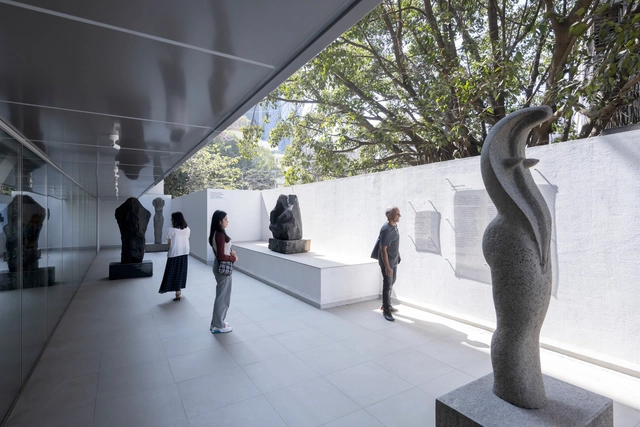
India hosts a multitude of museums, art galleries, public libraries, theaters, and heritage centers. Nevertheless, many of these structures remain abandoned and fossilized like the artifacts they intend to present and protect. The development of cultural infrastructure in India has historically been a government endeavor, often resulting in a state of stagnation. The past two decades have seen a noticeable shift in the country’s cultural landscape. Increased interest from private institutions has paved the way for plenty of cultural projects to be initiated, usually in partnership with city authorities. These contemporary projects aim to celebrate the richness of India’s historical and contemporary culture, becoming prize destinations for the rising middle class.

The Shift in India's Cultural Landscape: A Look at Contemporary Projects - Image 1 of 4The Shift in India's Cultural Landscape: A Look at Contemporary Projects - Image 2 of 4The Shift in India's Cultural Landscape: A Look at Contemporary Projects - Image 3 of 4The Shift in India's Cultural Landscape: A Look at Contemporary Projects - Image 4 of 4The Shift in India's Cultural Landscape: A Look at Contemporary Projects - More Images+ 3

Building for a Growing Population: Shifting the Focus to Rural India

Subscriber Access | 

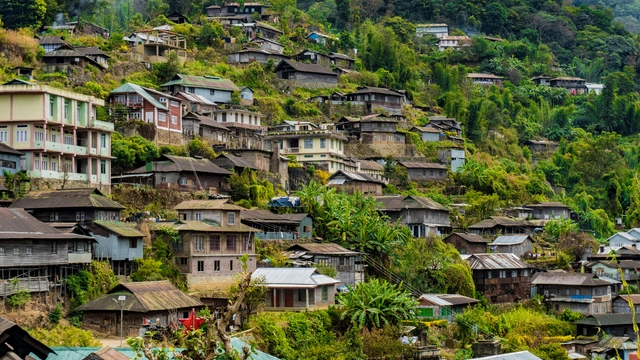
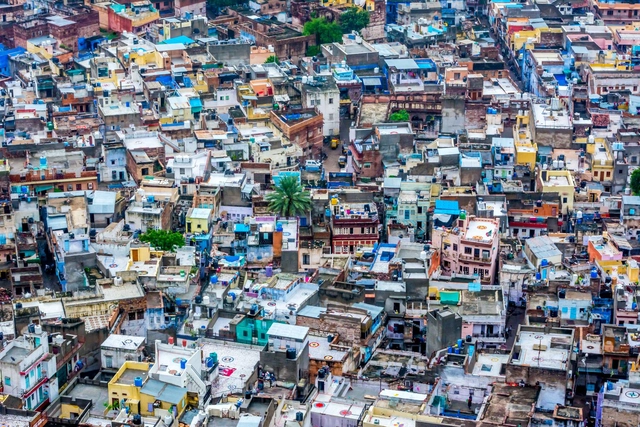
India recently overtook its sub-continental neighbor, China, to become the most populous country in the world with a demography of over 1.4286 billion people. As data from the United Nations also estimates an annual population growth rate of 0.7%, the country’s built environment is set to interact with a new discourse of demography and present its own perspective on how to build for billions. It is set to engage with new challenges of infrastructure, transportation, and adequate housing, which on the surface will force cities to constantly expand as a response to these dynamic needs. However, a critical look at the population distribution within the country reveals that the majority of Indians still live in rural areas as it caters to 65% of the population despite increasing rural-urban migration. This suggests a nudge in a different direction. One where the design and development of the rural areas take precedence over the cities. One that explores architecture in rural areas, its relationship with the cities, and its future as a primary framework to house the exploding population.

Building for a Growing Population: Shifting the Focus to Rural India - Image 1 of 4Building for a Growing Population: Shifting the Focus to Rural India - Image 2 of 4Building for a Growing Population: Shifting the Focus to Rural India - Image 4 of 4Building for a Growing Population: Shifting the Focus to Rural India - Image 5 of 4Building for a Growing Population: Shifting the Focus to Rural India - More Images+ 6

The Transformative Power of Urbanization: How Indian Cities like Delhi Plan for Urban Growth

Subscriber Access | 

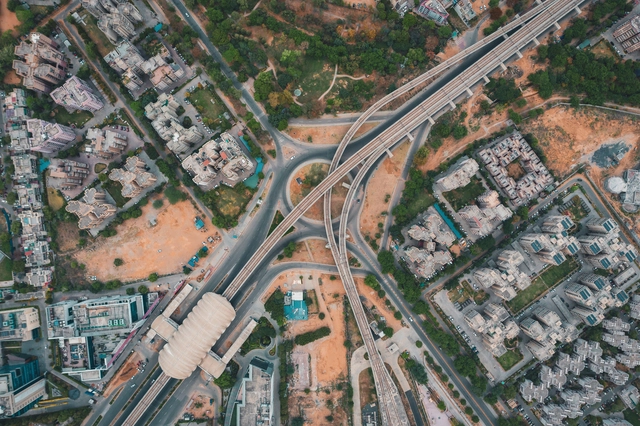
India has witnessed a surge in urbanization and population growth. As a result of natural population growth and migration, the megacities of India have experienced a continual increase in their residents. Standing as the most populous country in the world, India is at a critical junction, grappling with opportunities and challenges in molding its built environment. Population boom, however, is not a recent predicament but a persistent one that has spanned over a century. How have Indian cities dealt with population growth and the complexities it brings?

The Transformative Power of Urbanization: How Indian Cities like Delhi Plan for Urban Growth - Image 1 of 4The Transformative Power of Urbanization: How Indian Cities like Delhi Plan for Urban Growth - Image 2 of 4The Transformative Power of Urbanization: How Indian Cities like Delhi Plan for Urban Growth - Image 3 of 4The Transformative Power of Urbanization: How Indian Cities like Delhi Plan for Urban Growth - Image 4 of 4The Transformative Power of Urbanization: How Indian Cities like Delhi Plan for Urban Growth - More Images+ 1

The Modernist Laboratory of the Future: Exploring Le Corbusier and Louis Kahn’s Architecture in India

At the beginning of 2022, curator Lesley Lokko announced the title of the 18th International Architecture Exhibition – La Biennale di Venezia: “The Laboratory of the Future.” The theme’s intention is to highlight the African continent as the protagonist of the future, a place “where all these questions of equity, race, hope, and fear converge and coalesce,” in the words of the curator. As the fastest urbanizing continent, Africa is viewed as a land of potential, but also of challenges, where matters of racial equity and climate justice are played out with a significant impact on the world at large.

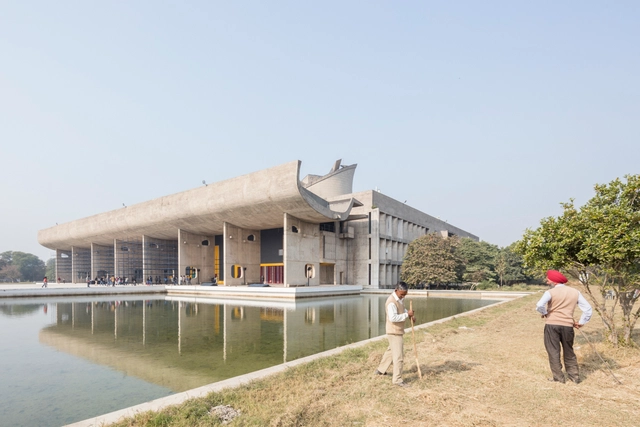
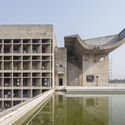
Yet in the late 1950s, another laboratory of the future was taking shape, one where the novel ideas of Modernism produced grand monumental designs and complete urban structures at an unprecedented scale: India. In the search for a modern and democratic image, the newly independent country welcomed Western architectural masters such as Le Corbusier and Louis I. Kahn and entrusted them with a wide range of commissions, from the urban layout of Chandigarh and its major governmental buildings to universities, museums, and smaller scale domestic projects. The result is a mixture of cultures, influencing one another to unexpected results.

The Modernist Laboratory of the Future: Exploring Le Corbusier and Louis Kahn’s Architecture in India - Image 1 of 4The Modernist Laboratory of the Future: Exploring Le Corbusier and Louis Kahn’s Architecture in India - Image 2 of 4The Modernist Laboratory of the Future: Exploring Le Corbusier and Louis Kahn’s Architecture in India - Image 3 of 4The Modernist Laboratory of the Future: Exploring Le Corbusier and Louis Kahn’s Architecture in India - Image 4 of 4The Modernist Laboratory of the Future: Exploring Le Corbusier and Louis Kahn’s Architecture in India - More Images+ 10

Building for Billions: India's Rise to Becoming the Most Populous Nation

Subscriber Access | 

In April 2023, India achieved a significant milestone that will shape the trajectory of its urbanization going forward. According to data from the United Nations, the South Asian subcontinent is now home to over 1.4286 billion people, overtaking the former leader China’s count of 1.4257 billion. With a population boom that is estimated to grow at a 0.7% rate annually, India faces several challenges and opportunities in its path to becoming a global power. How will India’s rising demography influence its built environment?

Building for Billions: India's Rise to Becoming the Most Populous Nation - Image 3 of 4Building for Billions: India's Rise to Becoming the Most Populous Nation - Image 2 of 4Building for Billions: India's Rise to Becoming the Most Populous Nation - Image 5 of 4Building for Billions: India's Rise to Becoming the Most Populous Nation - Image 4 of 4Building for Billions: India's Rise to Becoming the Most Populous Nation - More Images+ 2