1. ArchDaily
  2. Informal Cities

Informal Cities: The Latest Architecture and News

What Informality and Incrementality Reveal About Sustainable Urbanism in India

Subscriber Access | 

The magic of Indian architecture lies in an invisible order amidst visceral chaos. When an uncertain future knocks on the doors of local practitioners, one might begin to look within the four walls they occupy to discover an opportunity for reinterpretation.

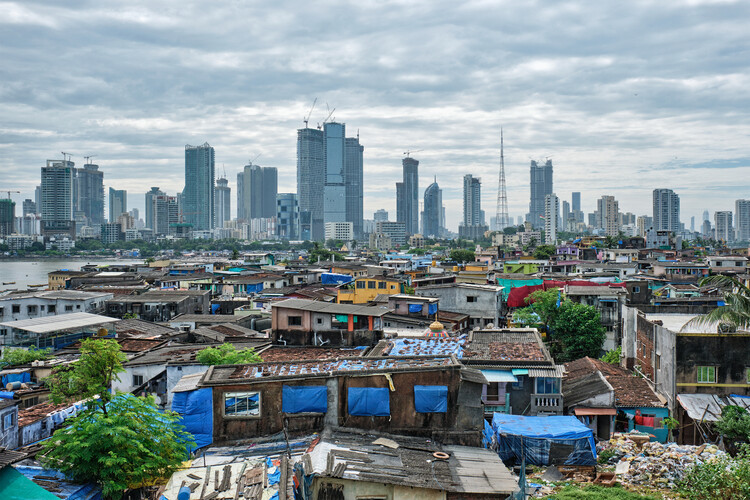
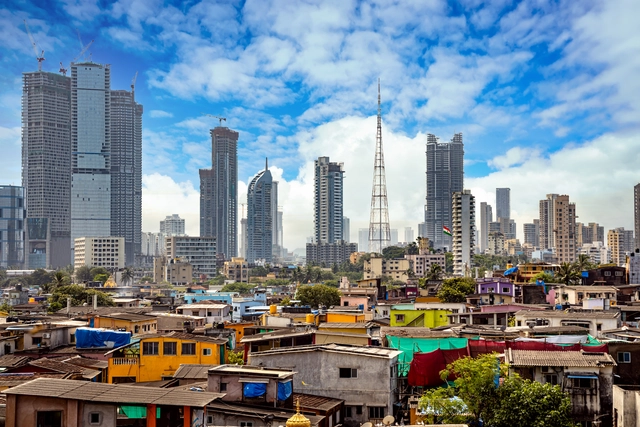
Mumbai, Delhi, Bengaluru, and other major metropolises are described as needing massive housing solutions for millions. The instinctive answer is predictable — masterplans, dense towers, and standardized units smeared over haphazard developments. The lexicon misses a deeper truth about how the people already live, work, and build in India. The shorthand used in policy and planning — slum, informal settlement, unauthorized colony — implies a temporary state to be corrected. A designer's eye views these places as layered urban histories, formed through necessity.

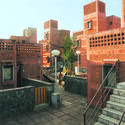
What Informality and Incrementality Reveal About Sustainable Urbanism in India - Image 1 of 4What Informality and Incrementality Reveal About Sustainable Urbanism in India - Image 2 of 4What Informality and Incrementality Reveal About Sustainable Urbanism in India - Image 3 of 4What Informality and Incrementality Reveal About Sustainable Urbanism in India - Image 4 of 4What Informality and Incrementality Reveal About Sustainable Urbanism in India - More Images+ 1

Mega-cities, Mega-projects, and Mega-slums: Exploring Urbanization in India

Subscriber Access | 

As a result of the nation’s ardent aspirations for growth and development, the social, economic, and physical landscape of India has transformed. A significant portion of the region’s population is of working age and comprises a massive market size, making India a land of opportunity especially in the eyes of foreign investors.

Reflecting this context, multiple mega-cities and mega-projects characterize the built environment and push the nation toward superpower status. On the flip side of the coin, these visionary projects along with the trend of rapid urbanization also bring in a range of side effects - the spread of informal settlements and in turn, the challenges to equitable development.

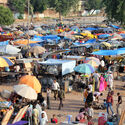
Mega-cities, Mega-projects, and Mega-slums: Exploring Urbanization in India - Image 1 of 4Mega-cities, Mega-projects, and Mega-slums: Exploring Urbanization in India - Image 2 of 4Mega-cities, Mega-projects, and Mega-slums: Exploring Urbanization in India - Image 3 of 4Mega-cities, Mega-projects, and Mega-slums: Exploring Urbanization in India - Image 4 of 4Mega-cities, Mega-projects, and Mega-slums: Exploring Urbanization in India - More Images+ 2

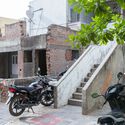
Unlocking Urban Potential: Street Vending Integration Strategies in Informal Settings

Subscriber Access | 

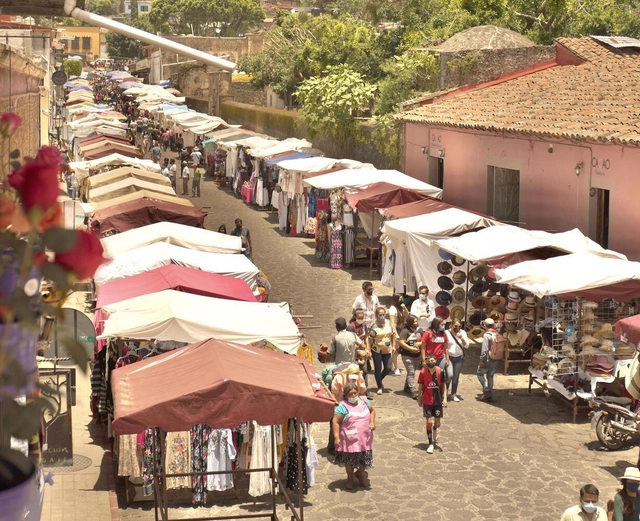
Usually defined by their open-air settings, diverse offerings, local and independent sellers, temporary nature, and acting as social hubs, street markets have been around for thousands of years. From the days of the Roman Forum to the Silk Road and the markets of ancient Greece, they are undoubtedly essential parts of urban life, or “the center of all that is unofficial.” Mostly categorized under the informal economy due to lack of regulations and authorization, street markets in the global south have often been seen as a threat to urban development. However, these erratic and adaptive urban spaces serve core functions in any developing city, acting as pillars of community in many different facets of society.

Policymakers and city officials have long struggled with informality, considering it the “antithesis of modernity.” Conventionally, the informal economy consists of activities with market value but are not formally registered, often unregulated, undocumented, and operating outside the incentive system offered by the state. Street vendors, specifically in the global south, constitute a substantial portion of the informal economy. Moreover, as cities grow and approach development, public spaces become more contested and privatized, leading to an overall mission to remove street markets or push them into formalization.

Ecological Design: Strategies to Protect Latin America and the Caribbean's Vulnerable Cities in the Face of Climate Change

Subscriber Access | 

Throughout the world's cities, in the midst of current and projected crises-- environmental, health, economic, and otherwise--one question looms: How can we prepare our urban centers' most vulnerable sectors?

Current data paints a bleak picture of cities and the impact of climate change. With urban populations skyrocketing as people around the globe seek opportunities for a better life in the world's urban centers, cities have become gluttons for energy and other resources while simultaneously producing more emissions than ever before. On top of this, 3 out of 5 cities are at high risk for natural disasters.

TED: Ingenious Homes in Unexpected Places / Iwan Baan

Subscriber Access | 

Iwan Baan’s curiosity for the built environment has led him to be one of the world’s most preeminent photographers whose skills are in constant demand by architectural elites worldwide. Constantly on the move, Baan has found himself documenting fascinating testaments to human ingenuity. From the informal vertical community of Torre David in Caracas to the floating Niagara slum of Makoko, Baan’s encounters with thriving communities in some of the most unexpected places has led him to believe that there is “no such thing as normal” and humans can truly adapt to anything.