1. ArchDaily
  2. Street

Street: The Latest Architecture and News

From London to Houston: Four Ongoing Pedestrianisation Initiatives Shaping More Walkable Cities

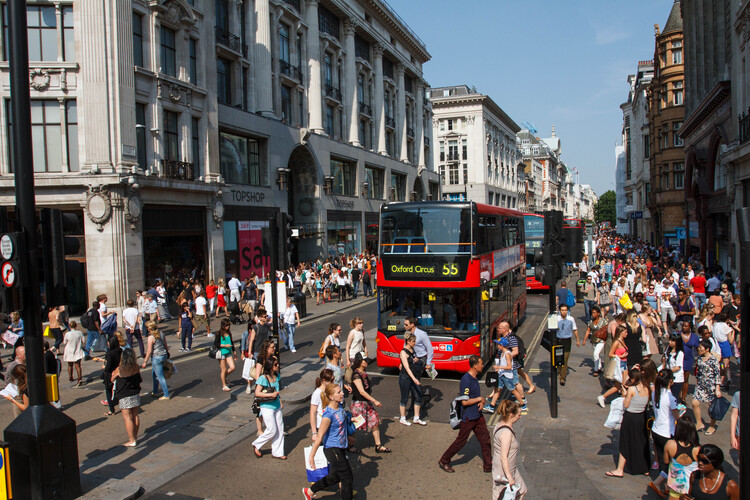
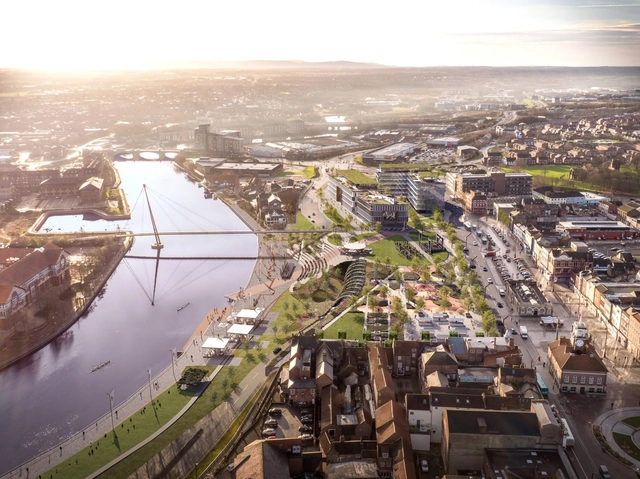
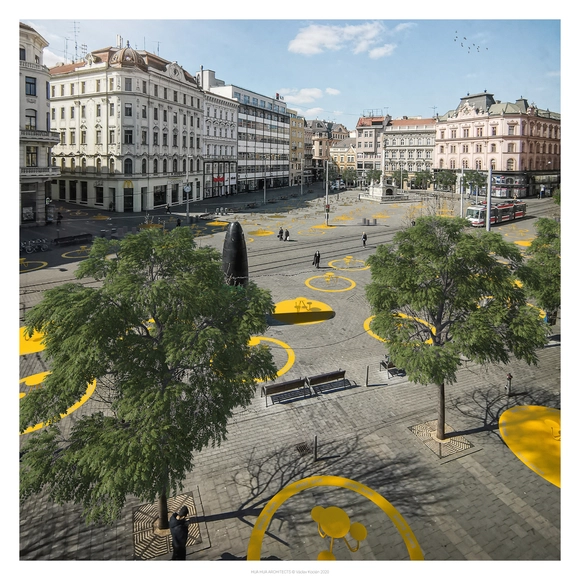
Across Europe and North America, pedestrianisation is increasingly being deployed as a context-specific urban strategy shaped by distinct economic, social, and spatial pressures. As cities continue to reassess the role of streets in the wake of economic shifts, climate pressures, and changing mobility patterns, pedestrianisation is emerging as a tool in current urban transformation efforts. Across London, New York, Houston, and Stockholm, ongoing pedestrian-first projects are testing different pathways toward more resilient and walkable cities, ranging from statutory planning and capital construction to research-driven visioning. London's Oxford Street is advancing through consultation and governance reform to address retail decline; New York's Paseo Park is moving from a temporary pandemic intervention into permanent infrastructure; Houston is accelerating the pedestrianisation of its downtown core in preparation for a global sporting event; and Stockholm's Superline is using design research to rethink the future of an inner-city motorway. These initiatives reveal how pedestrianisation is being actively negotiated, designed, and built today, adapting to local motivations while converging on a shared objective of streets that perform as resilient public spaces rather than traffic conduits.

From London to Houston: Four Ongoing Pedestrianisation Initiatives Shaping More Walkable Cities - Image 2 of 4From London to Houston: Four Ongoing Pedestrianisation Initiatives Shaping More Walkable Cities - Image 3 of 4From London to Houston: Four Ongoing Pedestrianisation Initiatives Shaping More Walkable Cities - Image 1 of 4From London to Houston: Four Ongoing Pedestrianisation Initiatives Shaping More Walkable Cities - Image 8 of 4From London to Houston: Four Ongoing Pedestrianisation Initiatives Shaping More Walkable Cities - More Images+ 12

Eyes on the Street: Jane Jacobs’ Concept and Contemporary Residential Architecture in Brazil

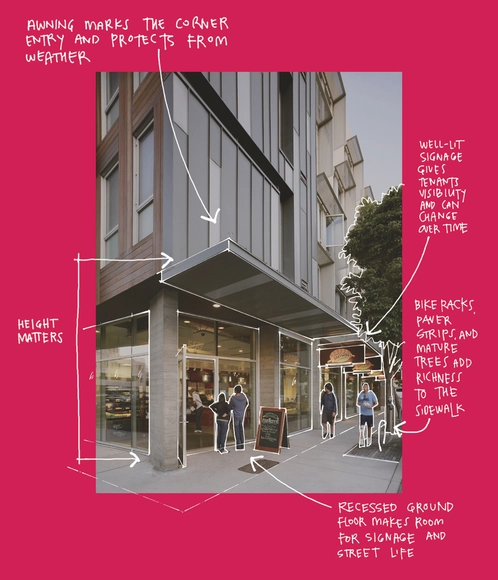
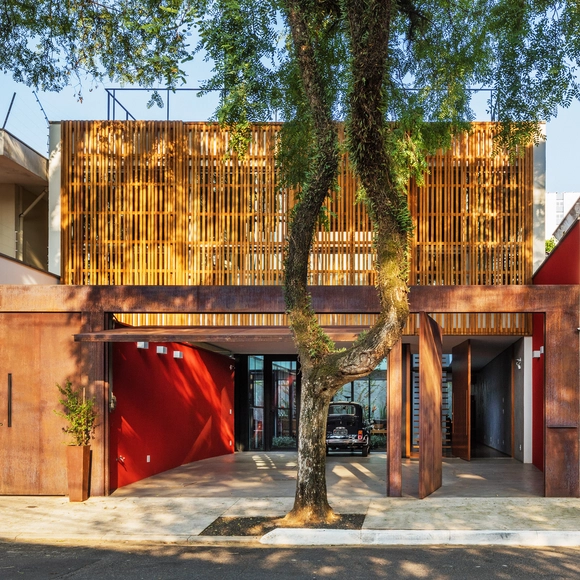
The concept of "eyes on the street" is perhaps the most famous within architectural and urban literature when it comes to urban security. Jane Jacobs uses this expression to refer to people who - consciously or unconsciously - use public spaces or observe them from their homes, generating natural surveillance. A movement that, within our discipline, is encouraged both through quality public spaces and through the powerful relationship between the public and private created through building facades. Advocating for this daily control, Jacobs believes in a way of making architecture and cities that condemns excessive verticalization, reinforced by isolated buildings and single-use ones that deny contact with the street

Eyes on the Street: Jane Jacobs’ Concept and Contemporary Residential Architecture in Brazil - Image 1 of 4Eyes on the Street: Jane Jacobs’ Concept and Contemporary Residential Architecture in Brazil - Image 2 of 4Eyes on the Street: Jane Jacobs’ Concept and Contemporary Residential Architecture in Brazil - Image 3 of 4Eyes on the Street: Jane Jacobs’ Concept and Contemporary Residential Architecture in Brazil - Image 4 of 4Eyes on the Street: Jane Jacobs’ Concept and Contemporary Residential Architecture in Brazil - More Images+ 5

Unlocking Urban Potential: Street Vending Integration Strategies in Informal Settings

Subscriber Access | 

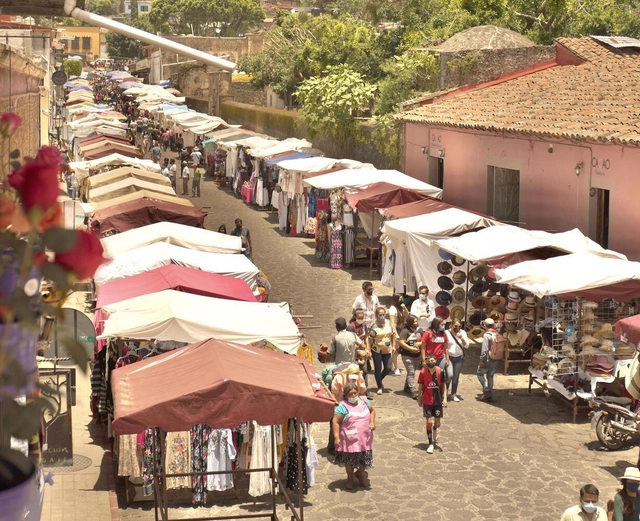
Usually defined by their open-air settings, diverse offerings, local and independent sellers, temporary nature, and acting as social hubs, street markets have been around for thousands of years. From the days of the Roman Forum to the Silk Road and the markets of ancient Greece, they are undoubtedly essential parts of urban life, or “the center of all that is unofficial.” Mostly categorized under the informal economy due to lack of regulations and authorization, street markets in the global south have often been seen as a threat to urban development. However, these erratic and adaptive urban spaces serve core functions in any developing city, acting as pillars of community in many different facets of society.

Policymakers and city officials have long struggled with informality, considering it the “antithesis of modernity.” Conventionally, the informal economy consists of activities with market value but are not formally registered, often unregulated, undocumented, and operating outside the incentive system offered by the state. Street vendors, specifically in the global south, constitute a substantial portion of the informal economy. Moreover, as cities grow and approach development, public spaces become more contested and privatized, leading to an overall mission to remove street markets or push them into formalization.

“Shared Streets; Meeting Streets”, an Urban Intervention to Rethink Public Space

Subscriber Access | 

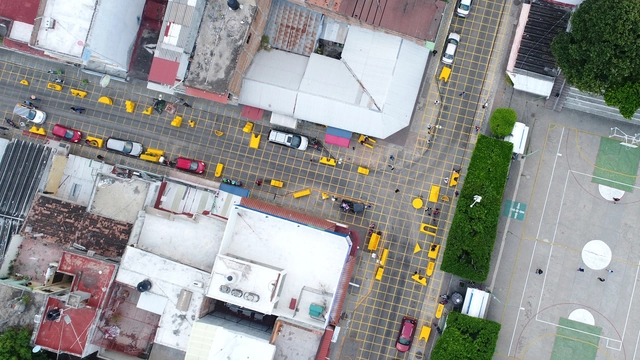
As part of a new initiative of the multidisciplinary laboratory based in Mexico, dérive LAB presents "Shared Streets", a project with a focus on urban design that seeks to spatially transform the street so that it is governed by human relations, rather than using traffic control devices; this suggests that the street is not only a space for transportation and mobility but one in which many other social, economic and cultural activities take place.

The Safety of Light: A Short History of Light in Public Spaces

The simple activity of taking a walk in the evening can easily turn from a relaxing leisurely activity to a dangerous endeavor by removing just one element from the streetscape: public lighting. While not often recognized as defining aspect of urban environments, artificial illumination has played an essential role in defining the character of modern cities. Crime control, the appeal of nightlife, the rise of the shop window, revolutionary movements, utopias, and ideals of social equity are all concepts whose development is tightly linked to the history of public lighting. Technological advancements over the past centuries have continuously shaped the appearance and symbolism of streetlamps. Still, the this element has remains a constant throughout its history.

The Safety of Light: A Short History of Light in Public Spaces - Image 1 of 4The Safety of Light: A Short History of Light in Public Spaces - Image 2 of 4The Safety of Light: A Short History of Light in Public Spaces - Image 3 of 4The Safety of Light: A Short History of Light in Public Spaces - Image 4 of 4The Safety of Light: A Short History of Light in Public Spaces - More Images+ 7

15 Years Later and What Do You Get? A Lot More Cars and a Planet in Flames

This article was originally published on Common Edge.

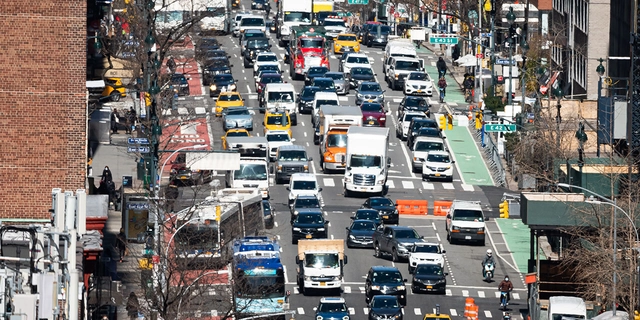
In 2007, New York City Mayor Michael Bloomberg proposed congestion pricing for Manhattan. The state legislature rejected the plan. Fifteen years later, we’re still debating the idea, fiddling while the planet burns.

The newest problem is that a new environmental study and traffic model from the MTA, The Central Business District Tolling Program Environmental Assessment, says that what’s good for 1.63 million residents of Manhattan and the planet, in general, will increase the pollution in the already unhealthy air in the Bronx. Yes, that’s a problem. Turning the perfect into the enemy of the good is also a problem. We need a plan that benefits all.

The Veranda: A Disappearing Threshold Space in India

Subscriber Access | 

An ancient Indian folktale narrates the story of a demigod, Hiranyakashipu, who was granted a boon of indestructibility. He wished for his death to never be brought about by any weapon, human or animal, not at day or night, and neither inside nor outside his residence. To cease his wrathful ways, Lord Vishnu took the form of a half-human-half-animal to slay the demigod at twilight at the threshold of his house.

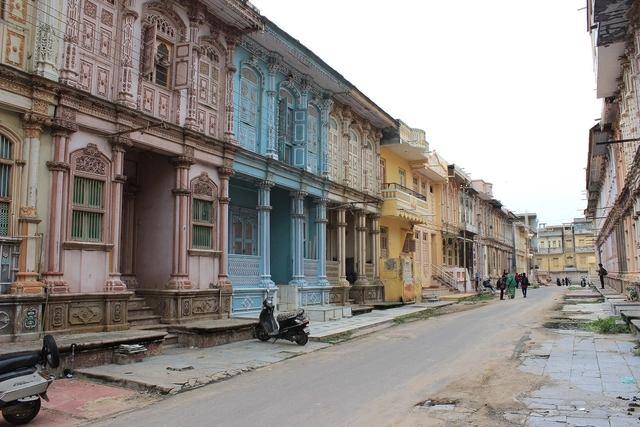
Threshold architectural spaces have always held deep cultural meaning to the people of India. In-between spaces are found in the midst of daily activities as courtyards, stairways, and verandas. The entrance to the house is revered by Indians of all social backgrounds. Throughout the country’s varied landscape, transitional entry spaces are flanked by distinctive front verandas that merge the street with the house.

The Veranda: A Disappearing Threshold Space in India  - Image 1 of 4The Veranda: A Disappearing Threshold Space in India  - Image 2 of 4The Veranda: A Disappearing Threshold Space in India  - Image 3 of 4The Veranda: A Disappearing Threshold Space in India  - Image 4 of 4The Veranda: A Disappearing Threshold Space in India  - More Images+ 1