


-
Architects: MVRDV
- Area: 30 m²
- Year: 2025
-
Professionals: Arup, Van Rossum Raadgevend Ingenieurs


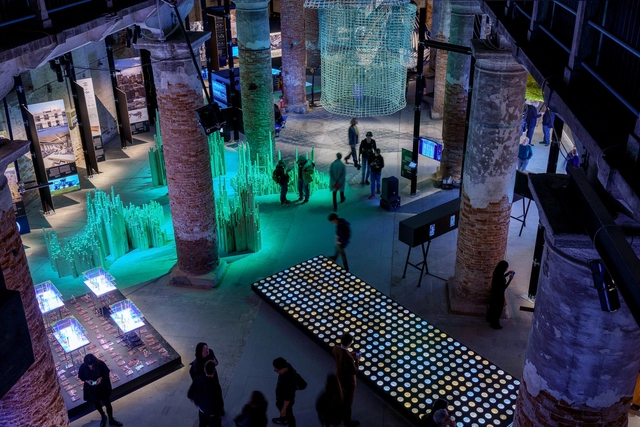
The 19th edition of one of the world's most renowned architectural events opens to the public this week. The 2025 Venice Architecture Biennale, titled Intelligens. Natural. Artificial. Collective. and curated by Carlo Ratti, will run from Saturday, May 10, to Sunday, November 23, 2025. This year's edition stands out for both its scale and its expanded range of venues, partly due to the ongoing renovation of traditional sites such as the Central Pavilion in the Giardini. The event is set to transform Venice into what the curator describes as "a living laboratory."
The inauguration ceremony, to be held on May 10, will also feature the announcement of the official awards by the International Jury, chaired by Hans Ulrich Obrist and composed of Paola Antonelli and Mpho Matsipa. On this occasion, the Golden Lion for Lifetime Achievement will be presented to philosopher Donna Haraway, while the Special Golden Lion in Memoriam will honor the late architect Italo Rota. Alongside the international exhibition, national participations and a broad range of special events will explore the Biennale's invitation, making this one of the most extensive architecture exhibitions in the Biennale's history.
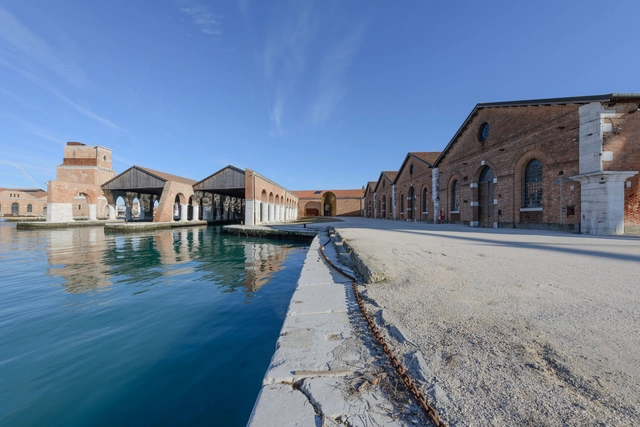
Titled Intelligens. Natural. Artificial. Collective. and curated by Carlo Ratti, the 2025 Venice Architecture Biennale will be holding the 19th International Architecture Exhibition from May 10 to November 23, 2025.
The 2025 edition of the Venice Architecture Biennale is hosting a total of 65 National Pavilions. Among them, four countries, Azerbaijan, Oman, Qatar, and Togo, will be participating for the first time. The exhibition will unfold across three main locations: 26 pavilions at the Giardini, 22 at the Arsenale, and 15 spread throughout Venice's city center. The exhibition will bring together over 750 participants, forming interdisciplinary and multi-generational teams, and is anticipated to be the largest in the Biennale's history.
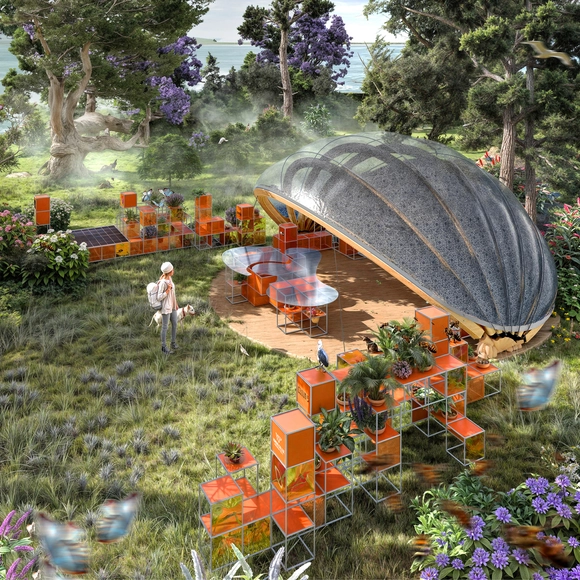
As one of the most important and visited contemporary architecture exhibitions worldwide, the Venice Architecture Biennale extends beyond the grounds of the Giardini and the Arsenale, aiming to engage the entire city in discussions on relevant issues, challenges, and opportunities within the architectural profession. This year's Biennale, curated by Carlo Ratti, explores the theme "Intelligens. Natural. Artificial. Collective," inviting visitors to consider how architecture, technology, and nature intersect to shape the future.
As part of this year's event, 11 collateral exhibitions organized by various national and international institutions offer a range of perspectives on topics such as sustainability, cultural landscapes, and adaptive architecture. These exhibitions, spread throughout Venice, contribute to the broader conversation on the evolving role of architecture in addressing global challenges and promoting a more sustainable and interconnected future.
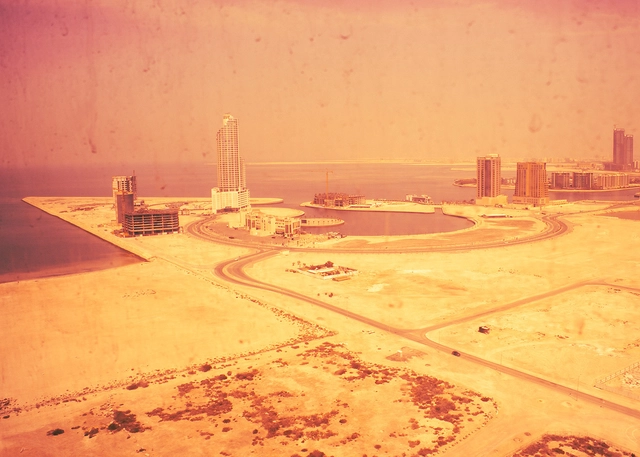
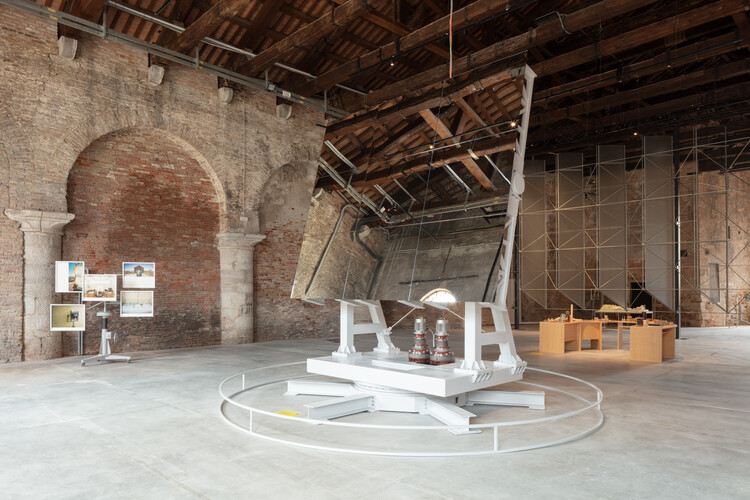
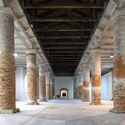
The Kingdom of Bahrain's national pavilion at the 19th International Architecture Exhibition of La Biennale di Venezia was awarded this year's Golden Lion for Best National Participation. Titled Heatwave, the exhibition was curated by architect Andrea Faraguna and located in the historic Artiglierie of the Arsenale. Through a site-specific installation, Heatwave reimagines the design of public space by exploring passive cooling strategies rooted in Bahrain's climatic realities and cultural context. The project's aim, to offer a speculative yet grounded architectural response to the environmental urgency shaping urban life today, was recognized by the Biennale's international jury, which praised its "viable proposals for extreme heat conditions."
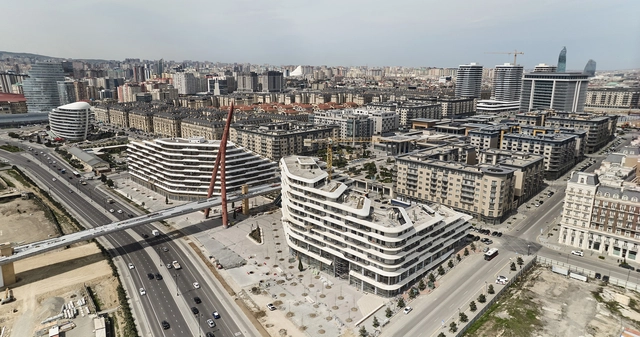
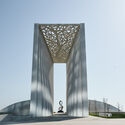
The Azerbaijan national pavilion, participating in the Venice Architecture Biennale for the first time, presents Equilibrium. Patterns of Azerbaijan. Curated by Nigar Gardashkhanova, the exhibition aligns with the overarching theme of this year's Biennale Intelligens. Natural. Artificial. Collective. Focusing on innovative design responses to the climate crisis, the pavilion emphasizes the principles of Regenerate. Innovate. Preserve. Featuring projects commissioned by Rashad Aslanov, the exhibition showcases contributions from the Azerbaijan Development Company (ADEC), Simmetrico Architettura, and Adalat Mammadov. Organized by the Heydar Aliyev Foundation and the Ministry of Culture of the Republic of Azerbaijan, with support from the Embassy of Azerbaijan in Italy, the exhibition will run from May 10 to November 23, 2025, at Castello 2127/A, near the Arsenale.

The 19th International Architecture Exhibition of La Biennale di Venezia opens in less than two weeks, on May 10, 2025, and will remain open to the public until November 23. On the day of the opening, the official Awards Ceremony will take place, during which a selected international jury will confer several official prizes, including the Golden Lion for Best National Participation. The recently announced jury includes South African architect, lecturer, and curator Mpho Matsipa; Italian curator Paola Antonelli, Senior Curator and Director of the Department of Architecture and Design at the Museum of Modern Art (MoMA) in New York; and Swiss curator, critic, and art historian Hans Ulrich Obrist, Artistic Director of the Serpentine in London, who will serve as President of the Jury.
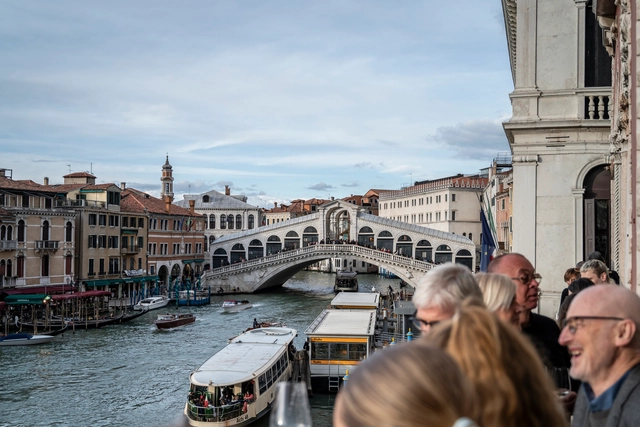
The 2025 iteration of the Time Space Existence exhibition is set to attract audiences from May 10 to November 23. Organized by the European Cultural Centre (ECC) in Venice's renowned venues—Palazzo Bembo, Palazzo Mora, and Marinaressa Gardens—this seventh edition brings together a diverse cohort of 207 architects, designers, artists, and researchers from over 52 countries. All contributions are curated under the theme of "Repair, Regenerate, and Reuse" as an exploration of architecture's capacity to engage with critical environmental, social, and cultural challenges. Highlights of the Special Projects section include ArchDaily's inaugural exhibition, presenting six architecture offices previously recognized as Best New Practices as emerging voices in the field of architectural innovations.
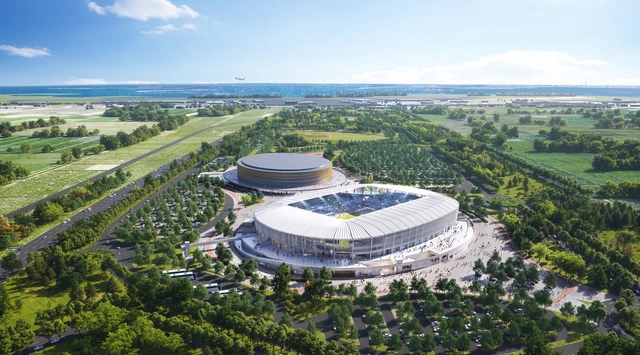
The Municipality of Venice has unveiled plans for a new 18,500-capacity stadium designed by Populous. The stadium will be built in the Bosco dello Sport in Tessera and is intended for football, Serie A rugby, and other events such as concerts. Maffeis Engineering and Populous have been commissioned for the design and engineering work by a consortium composed of Costruzioni Bordignon, Fincantieri Infrastrutture, and Ranzato Impianti, which was awarded the contract in March 2024. Soil Engineering, Seingim, and Gae Engineering are also collaborating on the project.


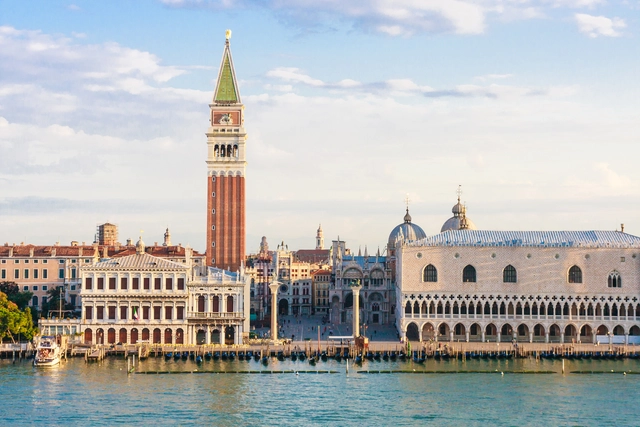
Built on a cluster of 118 small islands in the shallow Venetian Lagoon, the city of Venice, Italy, has captivated the imagination of architects and tourists alike. The area has been inhabited since ancient times, becoming a major financial and maritime power during the Middle Ages and Renaissance, as proven through the rich architecture that characterizes the city to this day. With influences from the Byzantine, Gothic, and Renaissance styles, the city represents a palimpsest of architectural narratives, overlapping and influencing each other. In recent years, Venice has become a major attraction for architects drawn to the La Biennale di Venezia, the most important Architectural Exhibition featuring national pavilions, exhibitions, and events to explore new concepts and architectural innovations.
Beyond the Biennale, Venice itself is an open-air museum for architecture lovers. While the city is best known for its historical buildings, Modernist and contemporary interventions add a new layer of interest, with many contemporary architects working with the historical fabric, like OMA's intervention and rehabilitation of Fondaco dei Tedeschi, or David Chipperfield's renovation of Procuratie Vecchie, one of the buildings that define Piazza San Marco. In addition to what the city has to offer, the site of the Venice Biennale is also marked by interventions by famous architects such as Carlo Scarpa, Sverre Fehn, and Alvar Aalto, made permanent due to their outstanding qualities.
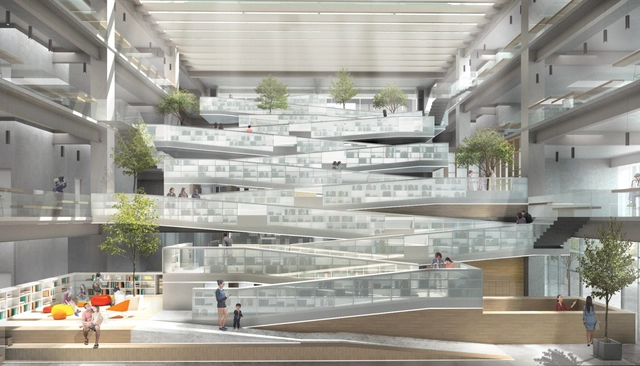
At the 19th International Architecture Exhibition - La Biennale di Venezia 2025, the collateral event titled "NON-Belief: Taiwan Intelligens of Precarity" is curated by Cheng-Luen Hsueh and co-curators Ping-Sheng Wu, Meng-Tsun Su, and Sung-Chang Leo Chiang, working alongside a team from the NCKU Department of Architecture. In line with the Biennale's main theme, "Intelligens. Natural. Artificial. Collective.", the exhibition explores the idea of "precarious intelligens," a form of resilience shaped by the intersection of natural disasters, geopolitical challenges, globalization, and an uncertain future.

American philosopher Donna Haraway and the late Italian architect and designer Italo Rota (1953–2024) are the recipients of the Golden Lion for Lifetime Achievement and the Special Golden Lion for Lifetime Achievement in Memoriam, respectively, for the 19th International Architecture Exhibition of La Biennale di Venezia, titled Intelligens. Natural. Artificial. Collective. The exhibition will take place from 10 May to 23 November 2025 across the Giardini and Arsenale venues in Venice. The awards were approved by the Board of Directors of La Biennale di Venezia, chaired by Pietrangelo Buttafuoco, following the proposal of Carlo Ratti, Curator of the 2025 Architecture Biennale.
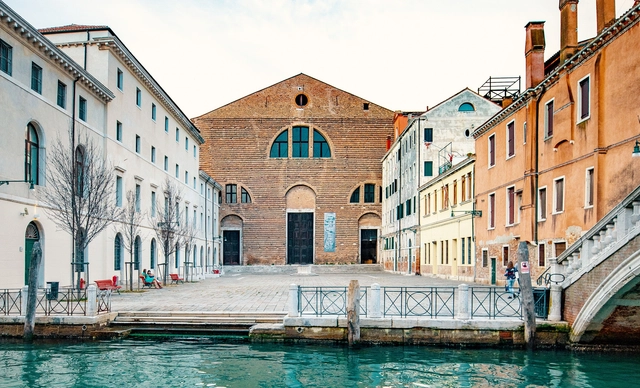
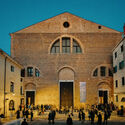
A moderated discussion hosted by the Aga Khan Award for Architecture, the Holcim Foundation Awards, the EUmies Awards, the Mies Crown Hall Americas Prize, the OBEL Award, and the Ammodo Architecture Award will take place in Venice during the opening week of the 19th Architecture Biennale. This consortium of six architecture awards, alongside international architects associated with the prizes, will gather on Friday, May 9, 2025, at TBA21–Academy's Ocean Space to discuss the overarching impact of architecture awards and their potential to promote meaningful change. Titled "Beyond the Prize," the event aims to critically reflect on these awards' purpose, trajectory, and potential in the face of contemporary social and environmental challenges.


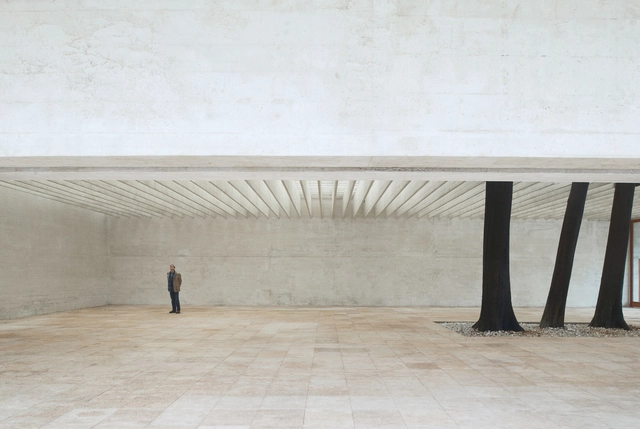
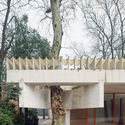
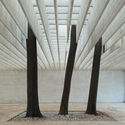
As a result of the ideas competition organized by the governments of Sweden, Finland, and Norway in 1958, Sverre Fehn's Nordic Pavilion won first prize, becoming one of the most significant works of his career and one of the most outstanding Scandinavian architectural achievements during the mid-20th century. Designed to create a space at the Venice Biennale for the biennial exhibitions of these countries, Fehn's proposal addressed several key architectural challenges—ranging from its integration with the site and incorporation of pre-existing elements to the handling of physical boundaries and uniform natural lighting. His design explored the interaction between architecture and trees, the flexibility in the exhibition space, the filtering of light, the connection between interior and exterior, the concept of movement through space, and the display of artworks.
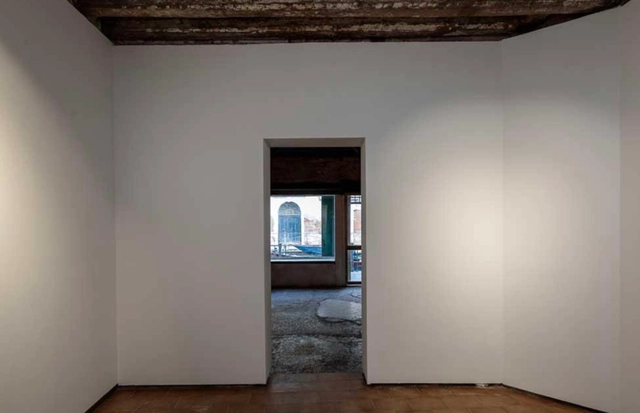
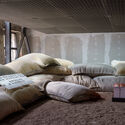
Pakistan has unveiled its national pavilion for the 19th International Architecture Exhibition - La Biennale di Venezia, set to take place from May 10 to November 23, 2025, in Venice, Italy. Titled (Fr)Agile Systems), the pavilion explores the dual nature of resilience and vulnerability in the face of climate change, using Pakistan's rich geological and cultural heritage as a lens to examine global environmental inequities. Through a striking installation featuring rock salt, a material shaped by time yet susceptible to change, the pavilion challenges dominant narratives of climate adaptation, advocating for localized, nature-based solutions rather than one-size-fits-all approaches.
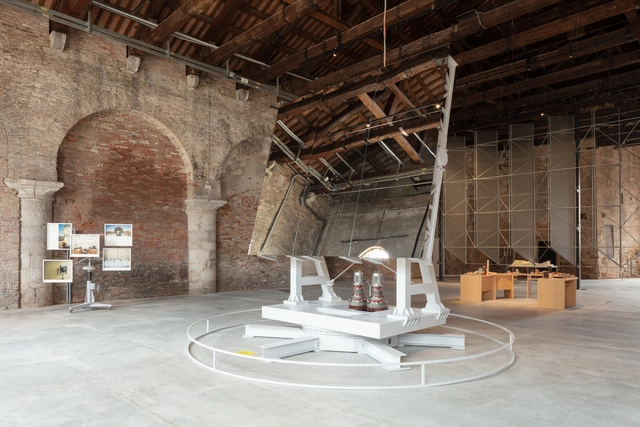
Uzbekistan's National Pavilion at the 19th International Architecture Exhibition- La Biennale di Venezia in 2025 presents "A Matter of Radiance." Curated by the architecture studio GRACE, led by Ekaterina Golovatyuk and Giacomo Cantoni, the exhibition explores Uzbekistan's modernist architectural legacy in response to the Biennale's overarching theme, "Intelligens. Natural. Artificial. Collective."
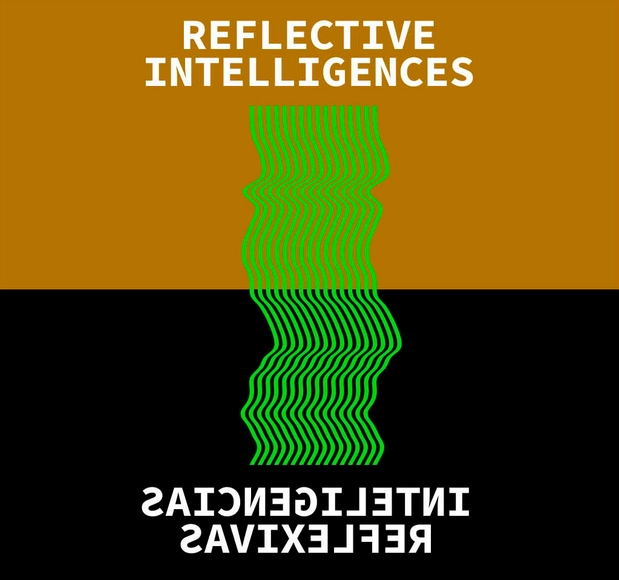
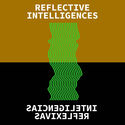
Out of 45 participating submissions for Chile's Pavilion at the 2025 Venice Architecture Biennale, the winning proposal has been recently announced. 'Reflective Intelligences,' the curatorial project by Serena Dambrosio, architect, researcher, and lecturer at Universidad Diego Portales; Nicolás Díaz Bejarano, architect, researcher, lecturer, and PhD candidate in Architecture and Urban Studies at Pontificia Universidad Católica de Chile; and Linda Schilling Cuellar, architect, urban designer,educator and doctoral candidate at the Centre for Research Architecture at Goldsmiths University.
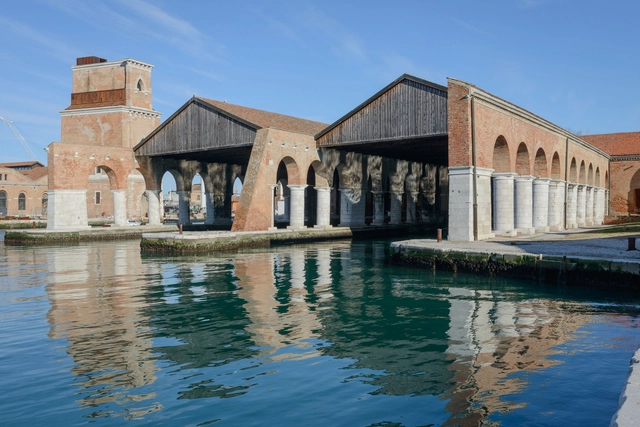
During a live presentation for the 19th International Architecture Exhibition, curator Carlo Ratti offered a glimpse into the programming of this year's edition. The 2025 Venice Architecture Biennale will include 66 National Pavilions, with 4 countries represented for the first time: the Republic of Azerbaijan, Sultanate of Oman, Qatar, and Togo. The exhibition, divided between the Giardini (26), at the Arsenale (22) and in the city center of Venice (15), explores the theme of "Intelligens. Natural. Artificial. Collective", gathering over 750 participants, including individuals and organizations forming interdisciplinary and multigenerational teams. According to the numbers released, this year's edition is shaping up to become the largest Architecture Biennale held in Venice.