1. ArchDaily
  2. Urban Realm

Urban Realm: The Latest Architecture and News

Coffee or Tea: Third Places, Kiosks, and the Retail Architecture of Duration

Subscriber Access | 

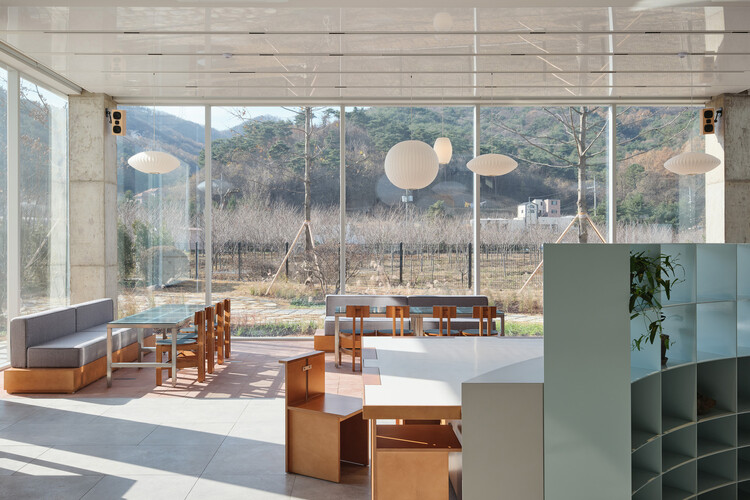
"Coffee or tea?" is one of those phrases that follows you across contexts: asked on airplanes, after a meal, in hotel lounges, and in meeting rooms. It sounds like a small question—mere preference, a quick fork in the service script. Yet it also carries a quiet cultural inheritance. Tea arrives with the long history of ritual and domestic pacing, tied to older geographies of trade and everyday etiquette. Coffee arrives with a different lineage of circulation, later industrialized into the modern café and its public-facing rituals. In both cases, the drink is never only a drink; it is a practiced relationship to time and space.

In contemporary East Asia, however, "coffee or tea" increasingly reads as something else: imperceptibly or subconsciously, it is becoming more of a choice about where you want to be. Each beverage now carries a spatial expectation. Coffee implies a room you can occupy—often a place to pause, work, meet, or cool down. Tea, despite being culturally pervasive, appears more diffusely across the city—sometimes as a dedicated destination, sometimes as a high-frequency kiosk, and very often as an embedded default within dining typologies. The result is that a question posed as taste has begun to operate as a subtle indicator of spatial preference: whether you are seeking duration or velocity, enclosure or flow, a third place or a quick node on the street.

Coffee or Tea: Third Places, Kiosks, and the Retail Architecture of Duration  - Image 1 of 4Coffee or Tea: Third Places, Kiosks, and the Retail Architecture of Duration  - Image 2 of 4Coffee or Tea: Third Places, Kiosks, and the Retail Architecture of Duration  - Image 3 of 4Coffee or Tea: Third Places, Kiosks, and the Retail Architecture of Duration  - Image 4 of 4Coffee or Tea: Third Places, Kiosks, and the Retail Architecture of Duration  - More Images+ 28

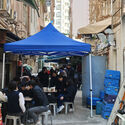
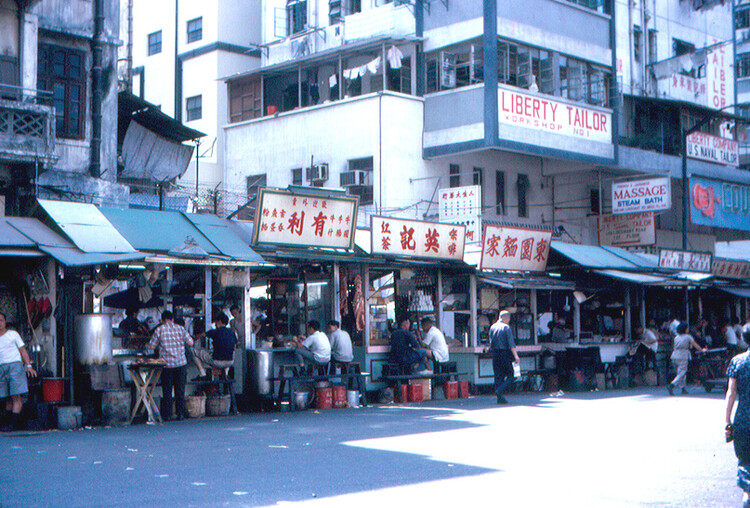
Urban Banquet at the Curb: Hong Kong’s Third-Space Dining

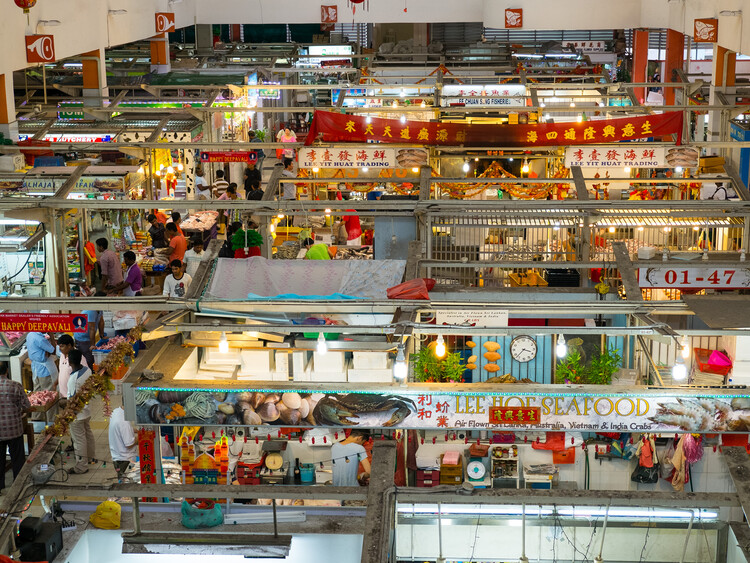
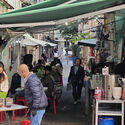
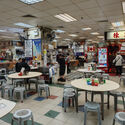
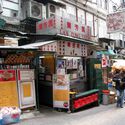
Across cities worldwide, architecture unfolds continuously at the scale of people and community—not only through new buildings, renovations, or monumental works. "Third spaces" are especially revealing. Consider the street-side culinary realm: how seating, serving, and lingering occupy the edge of the street often discloses a city's cultural codes and spatial habits. What forms of dining and inhabitation have emerged in response to local climate, regulation, and social custom—and how have they evolved over time?

In parts of Europe, for instance, al fresco in Italy and en terrasse in France name culturally specific ways of dining in public, drawing the meal into the urban field—attuned to weather, air, and the passive sociability of people-watching. Since COVID-19, New York City has similarly expanded outdoor dining, reflecting a community-driven desire to engage the streetscape while eating—an everyday, street-level "third place" within a dense metropolis.

Urban Banquet at the Curb: Hong Kong’s Third-Space Dining - Image 1 of 4Urban Banquet at the Curb: Hong Kong’s Third-Space Dining - Image 2 of 4Urban Banquet at the Curb: Hong Kong’s Third-Space Dining - Image 3 of 4Urban Banquet at the Curb: Hong Kong’s Third-Space Dining - Image 4 of 4Urban Banquet at the Curb: Hong Kong’s Third-Space Dining - More Images+ 7

Zaha Hadid Architects Unveils Cityzen Tower in Tbilisi, Georgia

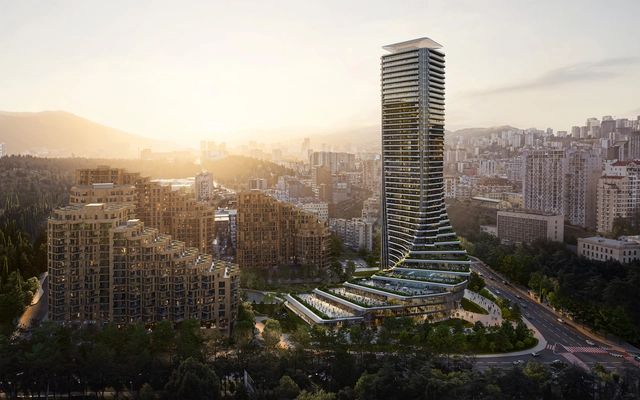
Zaha Hadid Architects has just revealed the design for Cityzen Tower, a 42-story high-rise set to become a landmark in Tbilisi, Georgia. Positioned in the Saburtalo district, the tower is part of the Cityzen development, a new civic hub integrating residential, commercial, and public spaces. Designed as a vertical extension of Tbilisi's new Central Park, the tower will bring together urban living and nature through cascading terraces and green spaces.

Zaha Hadid Architects Unveils Cityzen Tower in Tbilisi, Georgia - Image 1 of 4Zaha Hadid Architects Unveils Cityzen Tower in Tbilisi, Georgia - Image 2 of 4Zaha Hadid Architects Unveils Cityzen Tower in Tbilisi, Georgia - Image 3 of 4Zaha Hadid Architects Unveils Cityzen Tower in Tbilisi, Georgia - Image 4 of 4Zaha Hadid Architects Unveils Cityzen Tower in Tbilisi, Georgia - More Images

Redefining Urban Domesticity: How SO-IL Transforms the Concept of Home

Subscriber Access | 

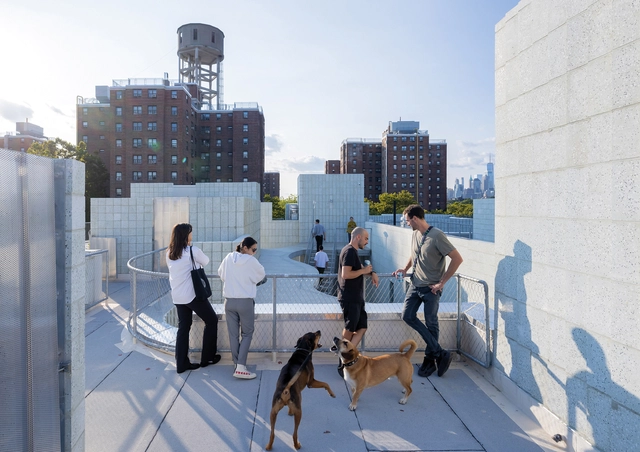
SO-IL (Solid Objectives – Idenburg Liu) is an architectural design firm based in Brooklyn, New York, founded in 2008 by Florian Idenburg and Jing Liu. Known for an architecture deeply engaged with social, cultural, and environmental contexts, the studio focuses on exploring innovative materials, creating fluid spatial experiences, and prioritizing ecological sustainability. SO-IL's work spans various scales and program types, reflecting their versatile approach to design. In 2024, their housing project 450 Warren in Brooklyn was selected as ArchDaily's Building of the Year by the audience in the housing category.

In their latest book, In Depth: Urban Domesticities Today, SO-IL explores the evolving concept of home in contemporary urban contexts, transforming it "from a source of vulnerability into a tool for empowerment." The book redefines domesticity as an active and shared experience and examines how architects can address pressing urban challenges such as affordability, density, and sustainability. SO-IL's work advocates for flexible, resilient housing that fosters community while integrating ecological and social dimensions. ArchDaily spoke with the architects about the innovative solutions and ideas presented in the book, delving into how their projects challenge conventional systems and envision a future where architecture is a tool for empowerment.

Redefining Urban Domesticity: How SO-IL Transforms the Concept of Home - Image 1 of 4Redefining Urban Domesticity: How SO-IL Transforms the Concept of Home - Image 2 of 4Redefining Urban Domesticity: How SO-IL Transforms the Concept of Home - Image 3 of 4Redefining Urban Domesticity: How SO-IL Transforms the Concept of Home - Image 4 of 4Redefining Urban Domesticity: How SO-IL Transforms the Concept of Home - More Images+ 13

C.F. Møller Architects Wins Urban Development Competition to Reimagine Luna District in Södertälje, Sweden

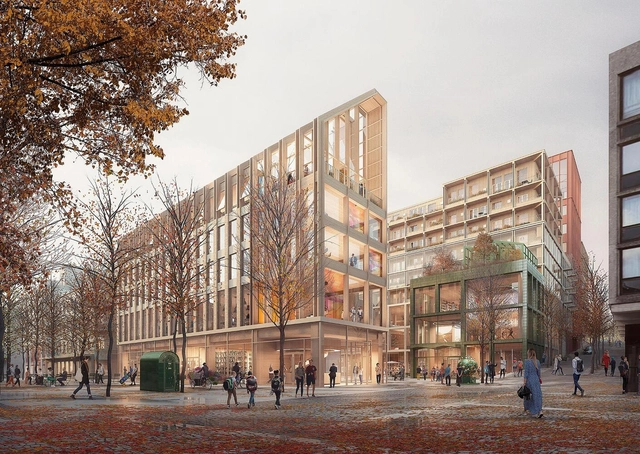
C.F. Møller Architects has just been declared the winner of the urban competition to develop the Luna District in Södertälje, Sweden. Their proposal, “The Sky is Our Roof” outlines the transformation of the Luna District, known as Lunagallerian, representing one of the most extensive urban development projects in Södertälje’s history. Set to be reimagined into several open urban districts, the project was selected out of 35 architectural firms.

Foster + Partners Unveils Xicen Science & Technology Center in Shanghai, China

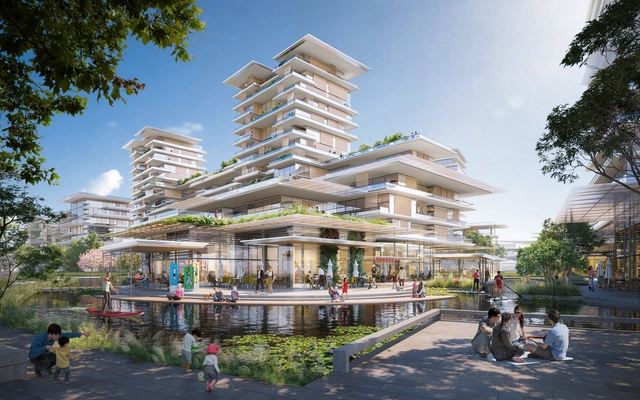
Foster + Partners has just unveiled the designs for the Xicen Science & Technology Center at the heart of the Yangtze River Delta Region in Shanghai, China. The project is strategically located along the Shanghai – Huzhou development axis, ensuring connectivity to the city center through high-speed rail links. Drawing inspiration from the timeless allure of the surrounding water towns, the center blends new and existing waterways to create a community featuring residential, commercial, and recreational spaces.

Foster + Partners Unveils Xicen Science & Technology Center in Shanghai, China - Image 1 of 4Foster + Partners Unveils Xicen Science & Technology Center in Shanghai, China - Image 2 of 4Foster + Partners Unveils Xicen Science & Technology Center in Shanghai, China - Image 3 of 4Foster + Partners Unveils Xicen Science & Technology Center in Shanghai, China - Image 4 of 4Foster + Partners Unveils Xicen Science & Technology Center in Shanghai, China - More Images+ 2

Socialising, Commerce, and Trade: The African Market Hall in a Modernised World

Subscriber Access | 

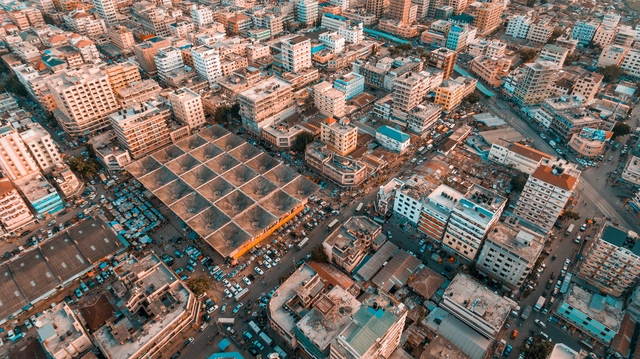
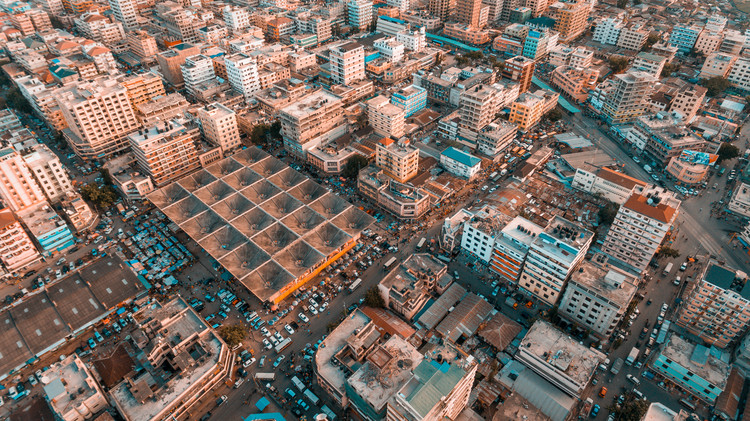
A few months ago – in July 2021, the 47-year-old Kariakoo Market went up in flames in Dar es Salaam. Designed by Tanzanian architect Beda Amuli, the market is a central landmark – a key part of Dar es Salaam’s commercial hub. Early images of a new Kariakoo Market show a taller structure, with six floors compared to the three in Amuli’s design. Conversations on social media have abounded on the new design, and if a “tower” typology is really the appropriate choice considering the unpopular nature of other similar “tower” market halls in Dar es Salaam.

Socialising, Commerce, and Trade: The African Market Hall in a Modernised World - Image 1 of 4Socialising, Commerce, and Trade: The African Market Hall in a Modernised World - Image 2 of 4Socialising, Commerce, and Trade: The African Market Hall in a Modernised World - Image 3 of 4Socialising, Commerce, and Trade: The African Market Hall in a Modernised World - Image 4 of 4Socialising, Commerce, and Trade: The African Market Hall in a Modernised World - More Images+ 6

CROSSROADS : Life in the Resilient City Documentary for SBAU 2021 Explores Dwellers' Experience of Rapidly Changing Urban Environments

Created in association with the Seoul Biennale Of Architecture And Urbanism 2021, the documentary CROSSROADS: Life in the Resilient City pieces together five stories illustrating how individuals appropriate the rapidly changing urban environments of New York, Seoul, Mumbai, Paris and Nairobi. Created by cinematographer Nils Clauss, together with filmmaker and videographer Neil Dowling, the film captures architecture and urban landscape as both the backdrop and the protagonist of these narratives blending reality and imagination.

CROSSROADS : Life in the Resilient City Documentary for SBAU 2021 Explores Dwellers' Experience of Rapidly Changing Urban Environments - Image 1 of 4CROSSROADS : Life in the Resilient City Documentary for SBAU 2021 Explores Dwellers' Experience of Rapidly Changing Urban Environments - Image 2 of 4CROSSROADS : Life in the Resilient City Documentary for SBAU 2021 Explores Dwellers' Experience of Rapidly Changing Urban Environments - Image 3 of 4CROSSROADS : Life in the Resilient City Documentary for SBAU 2021 Explores Dwellers' Experience of Rapidly Changing Urban Environments - Image 4 of 4CROSSROADS : Life in the Resilient City Documentary for SBAU 2021 Explores Dwellers' Experience of Rapidly Changing Urban Environments - More Images+ 5

The Shape of Our Existing Buildings

This article was originally published on Common Edge.

Jeffry Burchard explores in his essay the "opportunity found by extending the life and purpose of viable existing buildings", that have shaped our cities. Arguing that "we have an abundant supply of buildings", the author proposes four essential steps to transform existing buildings.

Deck Parks are Increasingly in Vogue, But Are They Always a Good Fit?

"Deck parks are increasingly in vogue in the Southwest’s downtown cores but aren’t a good fit for El Paso," writes Sito Negron. Recently a lot of cities around the world have been rethinking urban spaces dedicated to transportation, introducing public areas over highways while expanding the vehicular realm. In this week's reprint from the Architect's Newspaper, the author explores the limits of this trend and questions its implementation in some cases.

GeoGuessr Game Uses Street View to Create a Geographical Puzzle

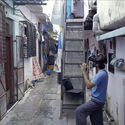
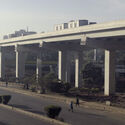
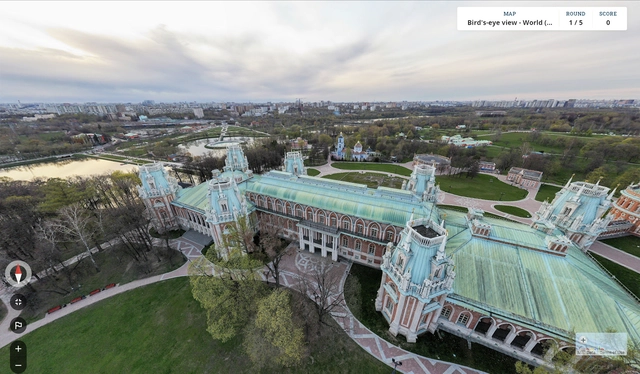
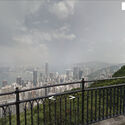
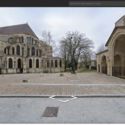
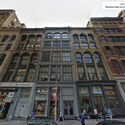
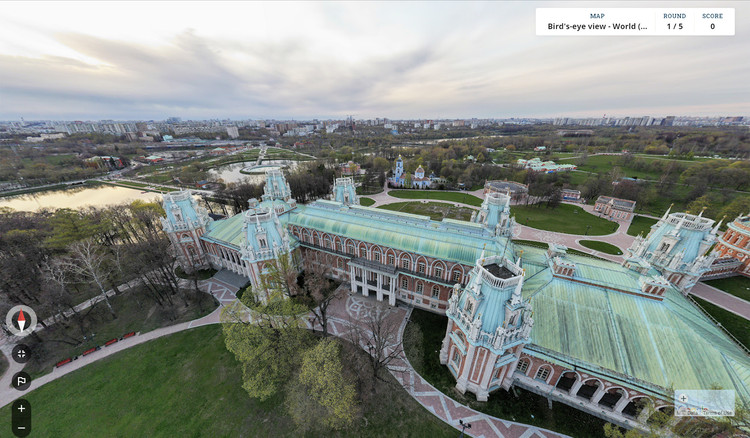
A geographic discovery game based on Google imagery, GeoGuessr requires players to guess various locations worldwide using only the clues provided by a Street view. Created in 2013, the game has taken on new relevance amidst the pandemic, as it provides a virtual travel experience. From desolate roads to famous sites, the game teases deductive reasoning, requiring players to make use of any clue, from signs, language, flags, landscape, to pinpoint their surroundings.

GeoGuessr Game Uses Street View to Create a Geographical Puzzle - Image 1 of 4GeoGuessr Game Uses Street View to Create a Geographical Puzzle - Image 2 of 4GeoGuessr Game Uses Street View to Create a Geographical Puzzle - Image 3 of 4GeoGuessr Game Uses Street View to Create a Geographical Puzzle - Image 4 of 4GeoGuessr Game Uses Street View to Create a Geographical Puzzle - More Images+ 5

Emanuel Christ and Christoph Gantenbein from Christ & Gantenbein to Curate Uzbekistan's First Participation at the 2021 Venice Biennale

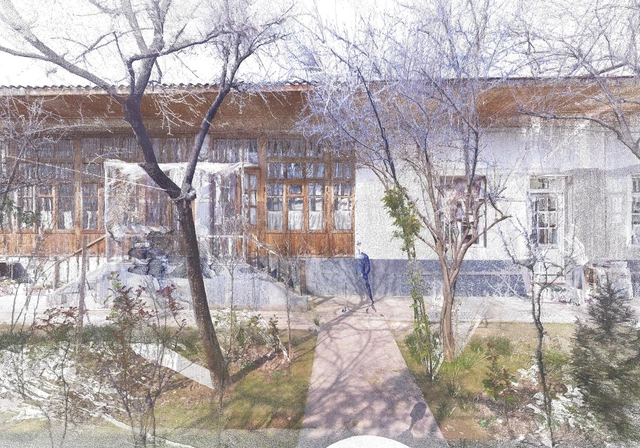
“Mahalla: Urban Rural Living” is the first participation of the Republic of Uzbekistan at the 17th International Architecture Exhibition – La Biennale di Venezia. Open to the public from May 22 to November 21, 2021, at Quarta Tesa, Arsenale, the exhibition is curated by Emanuel Christ and Christoph Gantenbein, professors of architecture and design at ETH Zurich, and founding partners of Christ & Gantenbein.

Emanuel Christ and Christoph Gantenbein from Christ & Gantenbein to Curate Uzbekistan's First Participation at the 2021 Venice Biennale - Image 1 of 4Emanuel Christ and Christoph Gantenbein from Christ & Gantenbein to Curate Uzbekistan's First Participation at the 2021 Venice Biennale - Image 2 of 4Emanuel Christ and Christoph Gantenbein from Christ & Gantenbein to Curate Uzbekistan's First Participation at the 2021 Venice Biennale - Image 3 of 4Emanuel Christ and Christoph Gantenbein from Christ & Gantenbein to Curate Uzbekistan's First Participation at the 2021 Venice Biennale - Image 4 of 4Emanuel Christ and Christoph Gantenbein from Christ & Gantenbein to Curate Uzbekistan's First Participation at the 2021 Venice Biennale - More Images+ 2

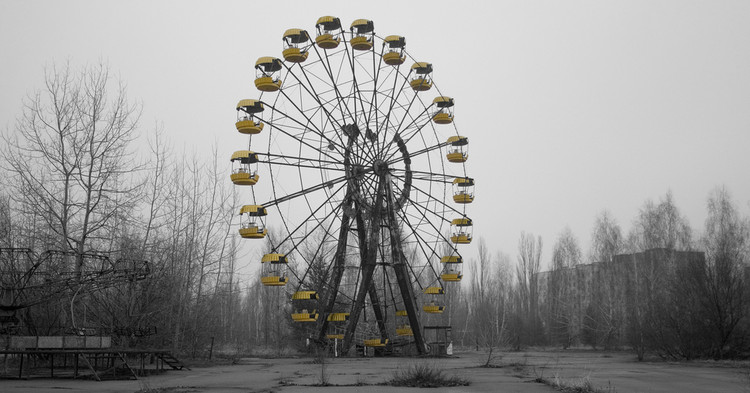
The Architecture of Chernobyl: Past, Present, and Future

The Architecture of Chernobyl: Past, Present, and Future - Image 5 of 4
Abandoned amusement park, Pripyat. Image © Flickr user oinkylicious licensed under CC BY-NC-ND 2.0

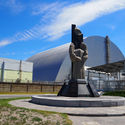
April 26th saw the 32nd anniversary of the 1986 Chernobyl Nuclear Disaster, with the explosion of the Reactor 4 of the Chernobyl Nuclear Power Plant in Ukraine causing the direct deaths of 31 people, the spreading of radioactive clouds across Europe, and the effective decommissioning of 19 miles of land in all directions from the plant. Thirty-two years later, a dual reading of the landscape is formed: one of engineering extremes, and one of eeriness and desolation.

As the anniversary of the disaster and its fallout passes, we have explored the past, present, and future of the architecture of Chernobyl, charting the journey of a landscape which has burned and smoldered, but may yet rise from the ashes.

The Architecture of Chernobyl: Past, Present, and Future - Image 1 of 4The Architecture of Chernobyl: Past, Present, and Future - Image 2 of 4The Architecture of Chernobyl: Past, Present, and Future - Image 3 of 4The Architecture of Chernobyl: Past, Present, and Future - Image 4 of 4The Architecture of Chernobyl: Past, Present, and Future - More Images+ 13