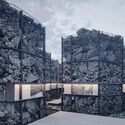
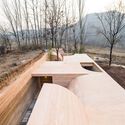
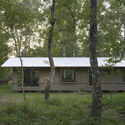
Xu Tiantian is the founding principal of DnA_Design and Architecture, an interdisciplinary practice that addresses both the physical and social dimensions of the contemporary living environment, across scales. Born in 1975 in Fujian, China, she received a Master of Architecture in Urban Design from the Harvard Graduate School of Design and a bachelor's degree in architecture from Tsinghua University in Beijing. Her recent work focuses on rural revitalization through a strategy she describes as "architectural acupuncture," understood as small-scale, site-specific interventions designed to activate local culture, agriculture, and tourism. These interventions, primarily concentrated in China's rural regions, have been recognized by UN-Habitat as a global model for urban–rural integration. In this interview with Louisiana Channel, she reflects on the role of the architect, questions architecture itself and the concept of beauty, explains her working methodology, and emphasizes the spatial dimension of nature.
Rural: The Latest Architecture and News
"Beauty in Itself Is Dangerous:" Xu Tiantian on Moving Beyond Starchitecture in Louisiana Channel Interview

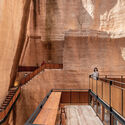
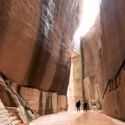
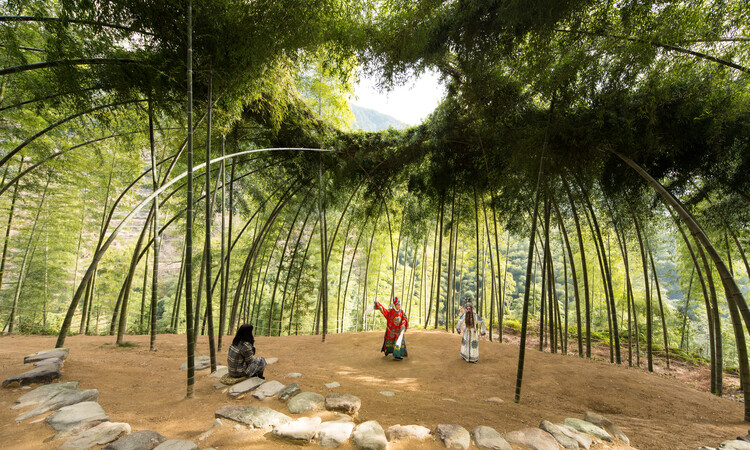
Neither Farm Nor Hotel: Why Agritourism Needs Its Own Architectural Typology

This article is part of our new Opinion section, a format for argument-driven essays on critical questions shaping our field.
Agritourism is commonly understood as a hybrid model, with equal parts of overlap between the agriculture and hospitality industries. Under this framing, agritourism is valued as a variation on an existing theme, a supplementary activity layered onto rural production. This framing no longer holds in the 21st century as the scale and independence of agritourism's growth have transformed it into a distinct economic sector, one with architectural consequences that neither the agriculture nor the hospitality industries are equipped to address in isolation.
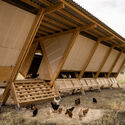

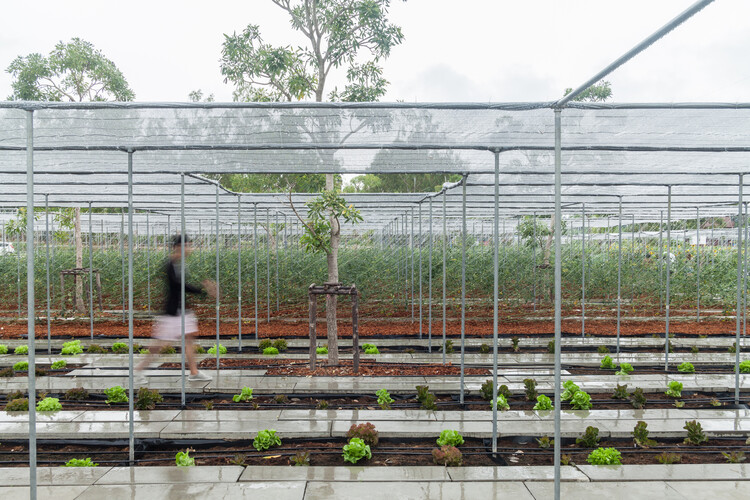
Designing for Chickens: Rethinking How Humans and Animals Share Space

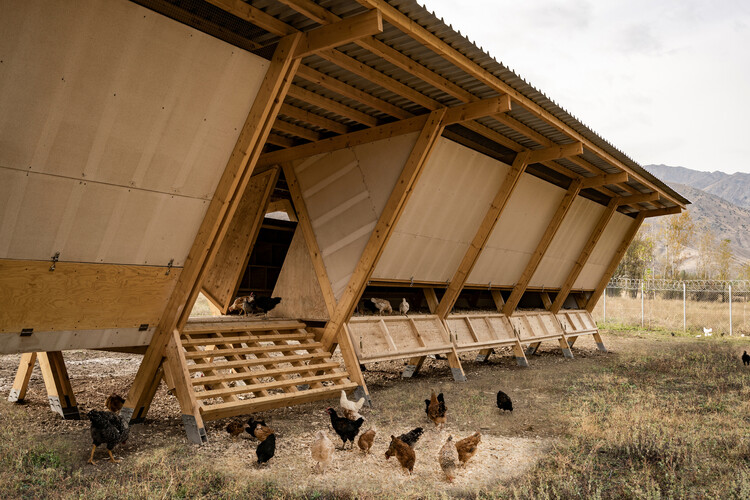
For centuries, chickens have lived alongside people in settlements of every scale, from rural farms and village compounds to dense urban neighborhoods. Across much of the world, keeping a flock has been part of everyday life, providing eggs and meat to residents, or pest control for the surrounding agricultural land. The structures built to house chickens varied according to local materials, climate, and cultural practices, yet they shared a common purpose: to create a space where chickens and humans could coexist. The chicken coop is not a new architectural typology nor a contemporary response to urban living. Instead, it is a form that has continually adapted to changing social, environmental, and spatial conditions.

Inhabited Landscapes: 22 Cultural and Community Centers in Rural Areas
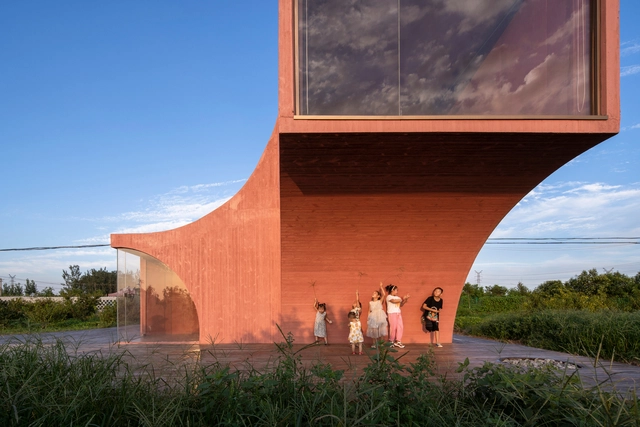
The architecture of cultural and community centers in rural areas around the world has become a rich field for experimentation, where tradition and innovation intersect. Rather than replicating standardized urban models, these projects embrace contemporary approaches tailored to local realities, blending bold design, sustainable technologies, and collaborative processes. Often developed in close partnership with local communities, they draw on regional materials and cultural symbols to create spaces that do more than host activities: they express a collective identity and a profound sense of belonging. By reimagining vernacular knowledge through a modern lens, these buildings support and inspire new ways of living in the countryside.


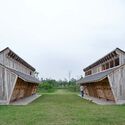
Dogtrot House: Vernacular Knowledge and Climate-Responsive Design

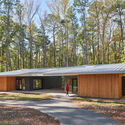
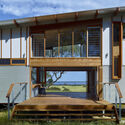
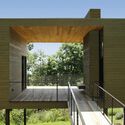
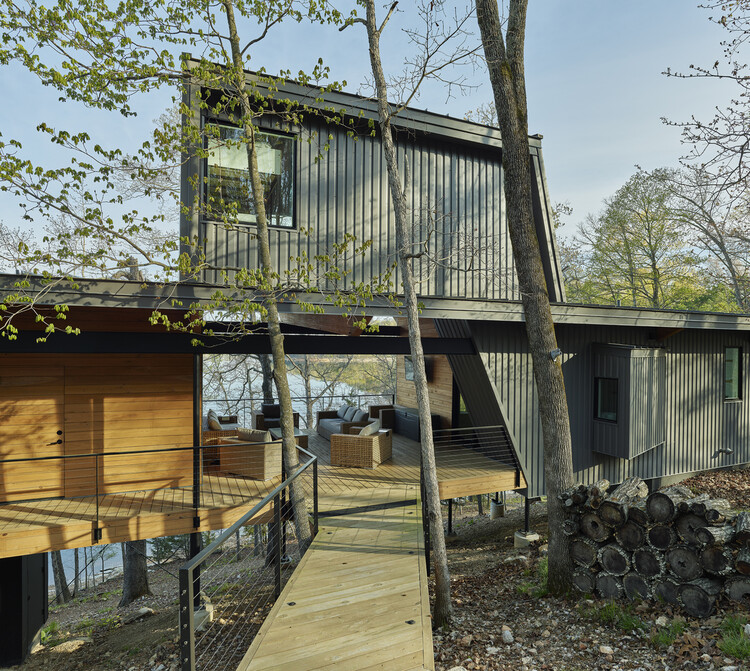
The dogtrot house emerged across the South of the United States during the late nineteenth century as a direct response to humid climates, material availability, and patterns of rural habitation. Found throughout the Appalachian Mountains, coastal Carolinas, and lowlands of Louisiana, the dogtrot house appeared in numerous regional variations, yet its fundamental spatial logic remained remarkably consistent. Two enclosed living masses are separated by an open central passage and unified beneath a continuous roof, creating a dwelling that is simultaneously economical and responsive to long, hot summers. Although architectural historians continue to debate the precise geographic origins of the dogtrot, the typology represents a broader vernacular intelligence that emerged through the convergence of environmental necessity, local construction practices, and rural living.

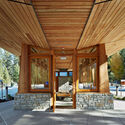
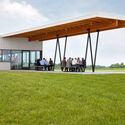
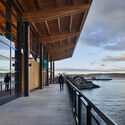
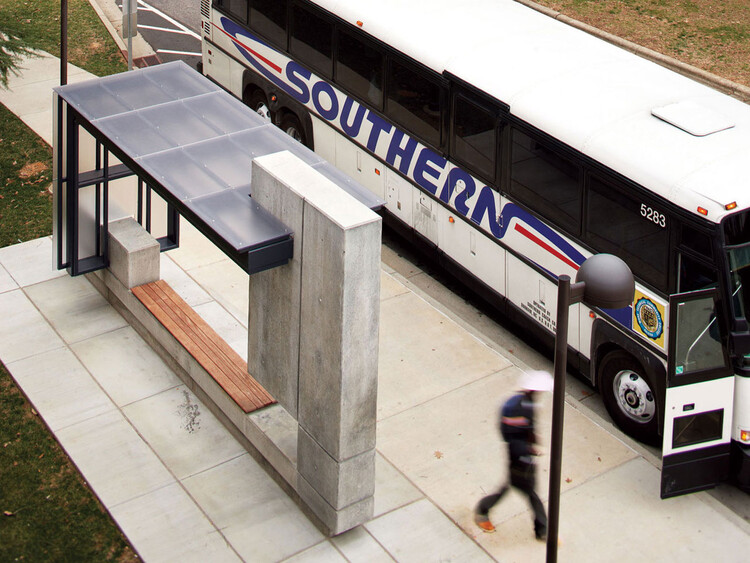
Rural Transportation Hubs: Infrastructure Design, Access, and Regional Mobility

The future of transportation hubs in the United States will not be defined by iconic metropolitan airport terminals and expansive central train stations. Rural communities contain the majority of the nation's road miles, carry nearly half of all truck vehicle miles traveled, and originate two-thirds of rail freight. These realities position rural transportation hubs as vital regional access points and distribution centers that shape national mobility outside models of urban extensions.
Rural transportation hubs in the United States are essential civic and logistical anchors whose success cannot be measured against urban metrics. Instead of replicating transport hubs of dense urban typologies, designers are developing architectural models that reflect rural realities: dispersed populations, freight-dominant infrastructure, modest multimodality, safety challenges, and social access needs. In many rural regions, a modest airport terminal sustains economic viability, a rail transfer facility connects resource-based industries to national markets, and a regional bus depot provides access to employment, education, and essential services.

Rural Futures: The Projects and Installations That Reimagined the Countryside in 2025

For several years now, the countryside has ceased to function merely as a picturesque counterpoint to the city and has instead become an active laboratory for new relationships between territory, landscape, and people. Here, environmental urgency meets collective memory; ancestral techniques converse with architectural experimentation; and local communities act as curators of their own territory. Contemporary rurality emerges less as a geography and more as a culture—inscribed in ways of life that care for the environment.
It is a vast rural expanse spread across the planet, assuming different expressions depending on context—from Asian rice fields to African agricultural settlements, from small European farms to the large estates and agro-extractive communities of the Americas. Yet, beneath this plurality, is there something that unites them? And, more importantly, how might architecture illuminate this quiet thread?

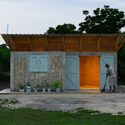
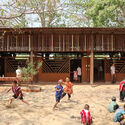
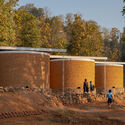
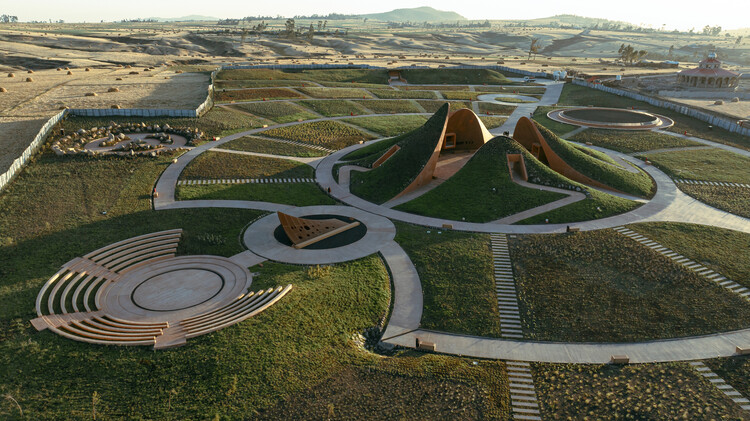
AMO / OMA Explores the Future of Rural Living with “Countryside: A Place to Live, Not to Leave” in Doha
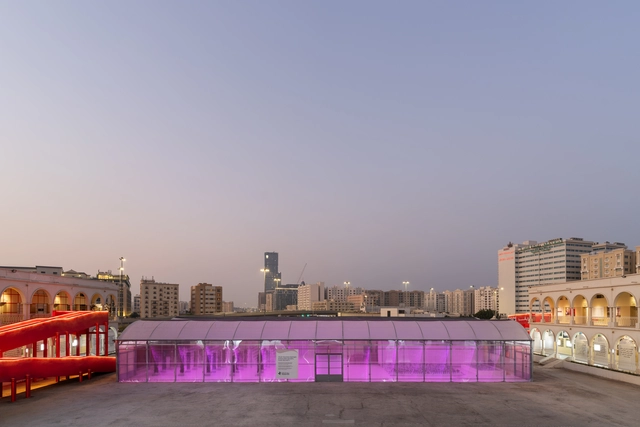
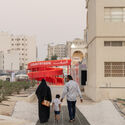
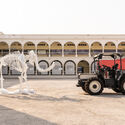
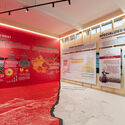
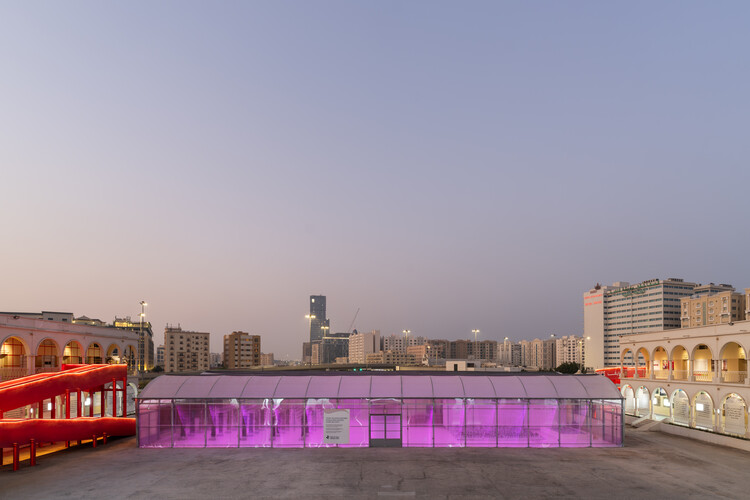
Countryside: A Place to Live, Not to Leave by AMO / OMA presents an exploration of contemporary life beyond the city, examining how rural territories adapt to global transformation. Conceived under the direction of Rem Koolhaas and Samir Bantal, with Yotam Ben Hur as project architect, the exhibition is presented by Qatar Museums in collaboration with the Qatar Fund for Development (QFFD), the Ministry of Environment and Climate Change (MoECC), Hassad Food, and Kahramaa. It is hosted across two venues in Doha, the Qatar Preparatory School and the National Museum of Qatar, and remains accessible to the public until June 30, 2026.
From Coast to Countryside: 15 Rural Hotels in Portugal
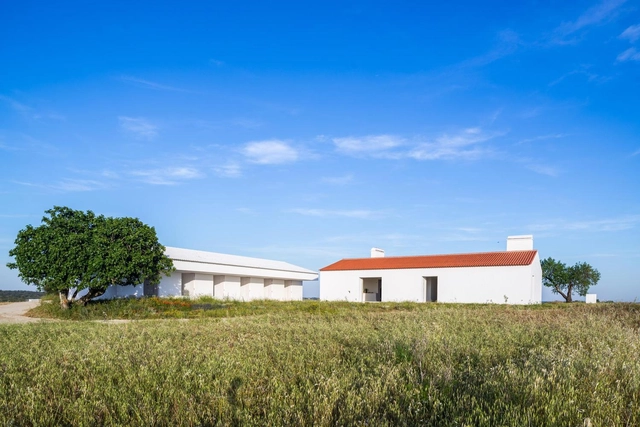
Tourism in Portugal began to develop in the late 1950s, initially centered on key destinations such as the Algarve coast, Lisbon, and the religious hub of Fátima. This focus made tourism largely a coastal activity. However, rapid growth and overburdened infrastructure in these areas led to saturation and a crisis in the sector. To address this, efforts were made to promote alternative destinations, appealing to a new wave of tourists looking for more sustainable, authentic, and locally immersive experiences.


Guesthouses and Lessons in Generosity: Spaces of Hospitality in Rural America
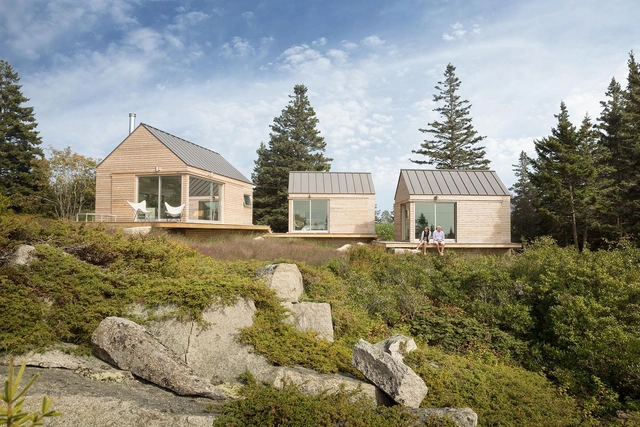
Spaces of hospitality are a mirror to how different cultures articulate generosity, care, belonging, and identity. In busy city settings, this is reflected in hotels, service systems, and curated amenities that directly shape the visitor experience. These spaces translate care into measurable forms, where success is correlated with efficiency, luxury, and brand identity.
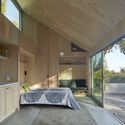
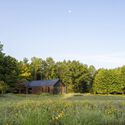
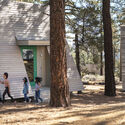
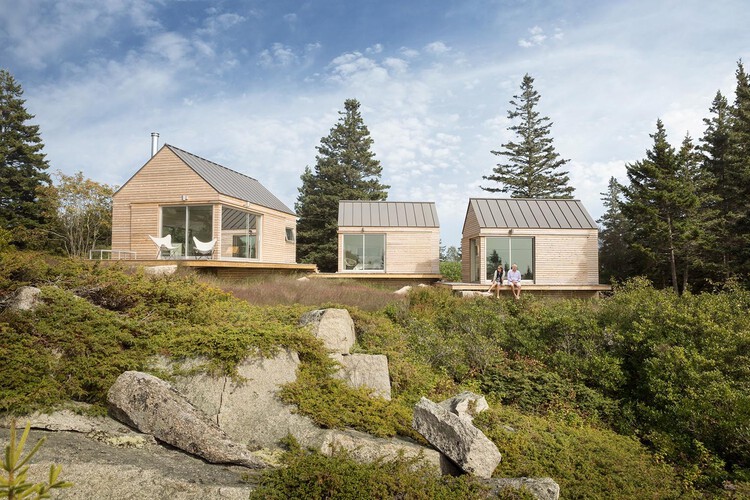
In rural America, hospitality operates with a different logic. In these environments, care is grounded in labor and community, while directly responding to the specific ecological and cultural geographies. Distance, limited infrastructure, and close social networks demand forms of architecture that are flexible and self-sufficient. Designs respond to shifting weather, local materials, and a culture where support often begins with neighbors. In this landscape, architectural thresholds of hospitality emerge in responsive, yet unexpected, ways.

Beyond the Metropolis: Strategies for Residential Projects in the Taiwanese Countryside

The island of Taiwan presents a varied natural and topographical context, characterized by a land area of 36,197 square kilometers and a high population density of 644 people per square kilometer. Its geological location, situated on the edges of the Eurasian and Philippine Sea plates, has resulted in a predominantly mountainous and rugged topography. While this forces the majority of the 23 million residents to inhabit large urban centers on the western coastal plains, the island maintains an active agricultural sector, with approximately 22% of its land allocated to farming.


World Architecture Day 2025: How We Design for Strength in an Age of Crisis
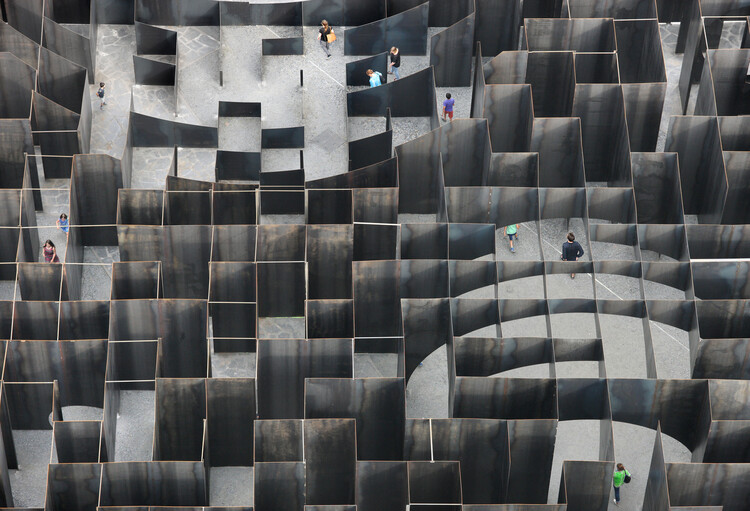
Today, on the first Monday of October, we celebrate World Architecture Day. This year, the International Union of Architects (UIA) has set the theme "Design for Strength," a powerful call to action that resonates deeply with the UN's focus on urban crisis response. In a world facing unprecedented environmental and social disruptions, this theme challenges us to move beyond temporary fixes. It asks: How can our buildings and cities not only withstand shocks but also foster equity, continuity, and resilience?
While the concept of strength in architecture can easily evoke images of reinforced concrete and steel, a more profound interpretation is emerging, one that defines strength not as mere rigidity, but as a holistic capacity to endure and adapt. This includes many facets, from ecological resilience and stewardship to long-lasting concepts of social resilience or the long-lasting conservation of existing urban structures, all contributing to a built environment more able to respond to the multitude of crises faced by cities worldwide.


Of a Feather: The Hidden Architecture of Bird Watching
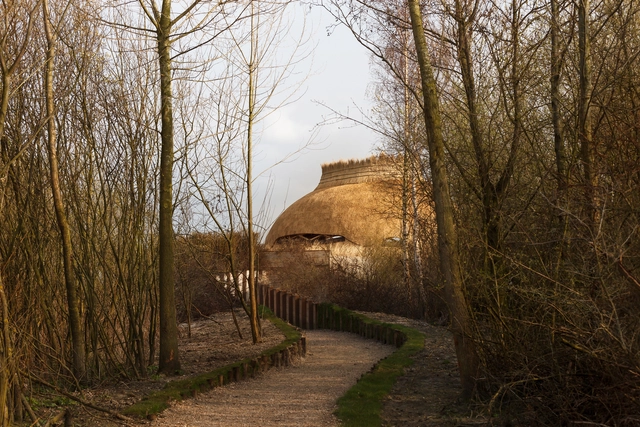
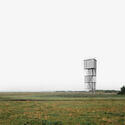
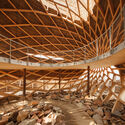
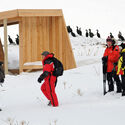
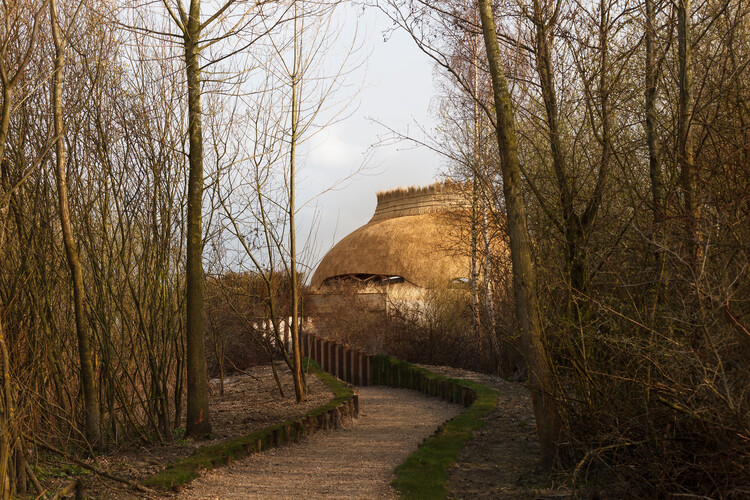
Around the world, a passionate community of bird watchers, from novice observers to seasoned ornithologists, is drawn to the subtle movements, distinct calls, and remarkable migrations of birds. This global fascination has led to the creation of thoughtfully designed spaces by architects and designers, enhancing the bird-watching experience while respecting the ecological landscapes in which they are placed.

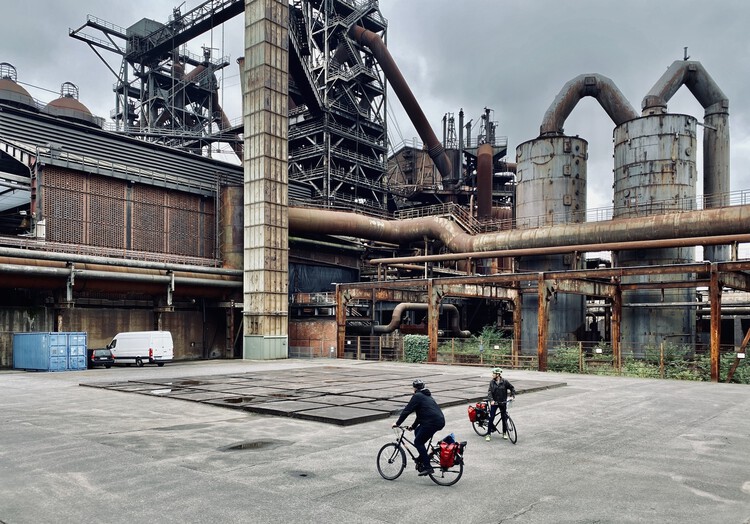
A Different Type of Rurality: Designs for Post-Industrial Heritage Transformation
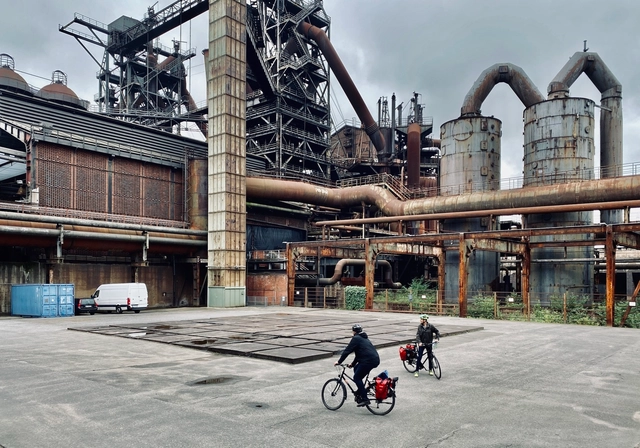
Across the rural terrains of North America and Western Europe, traces of past industry remain embedded in the land: mills rusting in meadows, smokestacks punctuating quiet townscapes, the skeletons of once-thriving economies. For decades, these sites have signified decline through the remnants of an extractive era that has shaped the environment and local identity. The challenges of remediation often encompass technical, environmental, and cultural aspects that require creativity, precision, and sensitivity.

Longevity Through Renewal: The Enduring Wisdom of Hong Kong's Water Villages

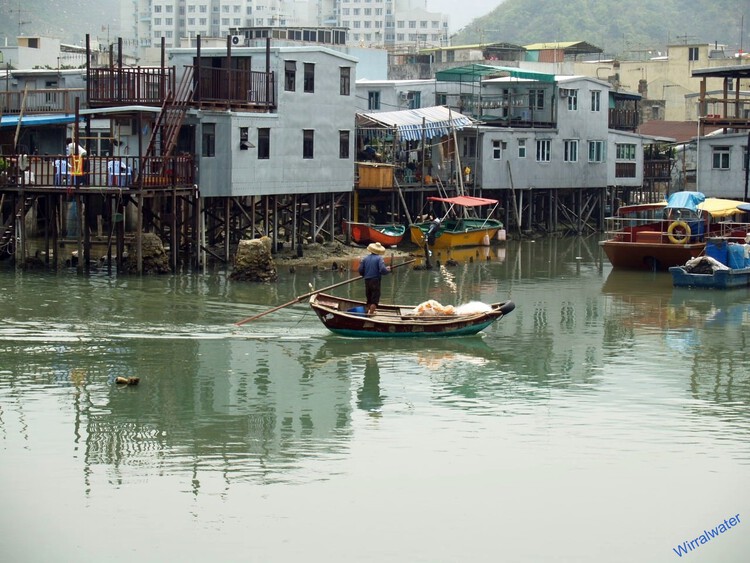
While Hong Kong is widely celebrated for its iconic harbor view, glittering skyline, and fast-paced urban lifestyle, its origins tell a different story—one deeply rooted in its relationship with water. Before transforming into a dense, vertical metropolis, Hong Kong's architectural identity was closely tied to its maritime context. Today, the city is often associated with slender, glass-clad towers that symbolize modernity. While visually striking in their pursuit of height and form, many of these buildings appear disconnected from their immediate environment, often overlooking natural site conditions, ecological responsiveness, and contextual sensitivity.
Historically, however, this was not the case. Hong Kong's earliest built environments—rural fishing villages in areas like Tai O, Aberdeen, and Shau Kei Wan—emerged through organic, community-driven spatial practices that engaged closely with their surroundings. These coastal and riverside settlements developed architectural systems tailored to the marine environment and to the rhythms of fishing life. Villages were sited around water, and construction strategies were adapted to fluctuating tides, terrain, and social use.


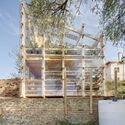
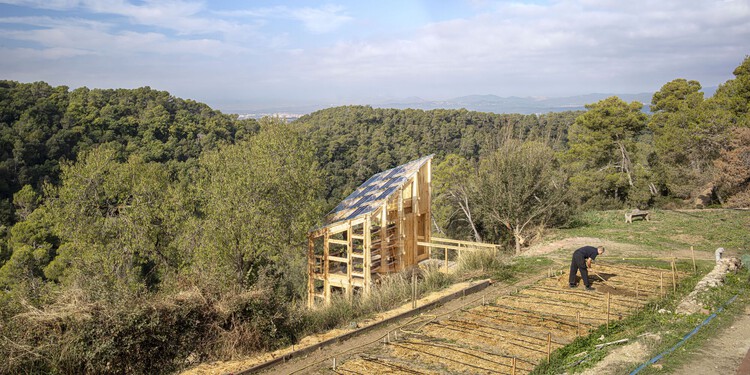
Small Structures, Big Impact: 4 Rural Prototypes for a Changing Planet
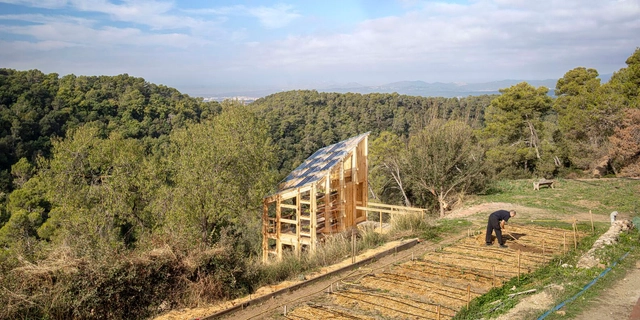
Facing an interconnected planetary climate crisis, biodiversity loss, and resource depletion, regenerative design emerges as a pathway toward building resilient and ecologically attuned rural futures. At the intersection of architecture, agriculture, and local ecosystems, new models of resilient, self-sufficient agricultural practices are emerging. These projects are not grand industrial systems but small-scale, precise, and deeply contextual architectural interventions that create spaces that foster sustainable cultivation while respecting environmental rhythms, local materials, and community knowledge.


From Extraction to Regeneration: Architecture's Role in Rural Developments in Latin America
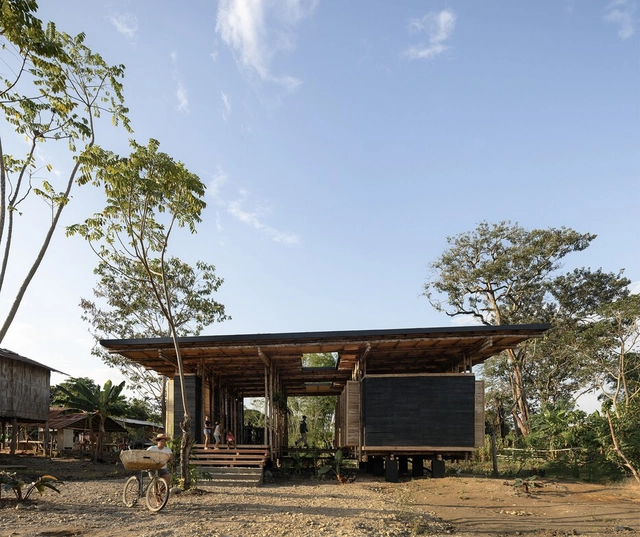
Rural areas have long played a foundational role in the social and economic development of nations. Until the 18th century, they were the primary sites of production and social organization. However, the Industrial Revolution brought profound structural shifts that reshaped this landscape. Industry took center stage, anchoring itself in urban environments and establishing a hierarchical, binary view of rural versus urban, agriculture versus industry. Within this new paradigm, two opposing narratives gained prominence: one predicted the decline of rural life in the face of urbanization and economic progress; the other envisioned its persistence and eventual renewal. Today, it is clear which of these predictions has come to pass.
Mapping as Design: A Resource-Based Approach to Rural Design in the United States
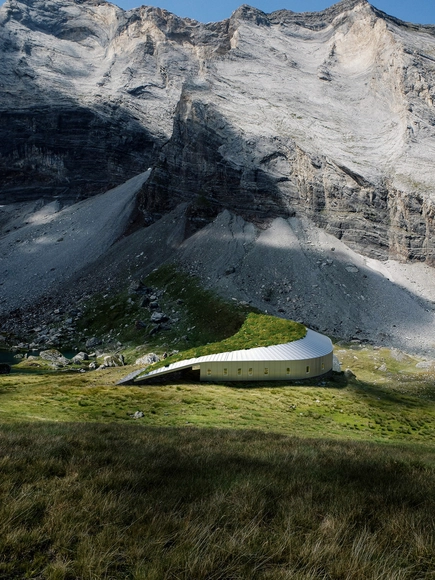
In 1982, at a conference on earth building in Tucson, Arizona, an unusual presentation challenged everything architects thought they knew about rural resources. Instead of focusing on construction techniques, the presenter, architect Pliny Fisk III, spread out a series of hand-drawn maps that revealed something extraordinary - rural Texas wasn't resource-poor, as conventional wisdom suggested, but material-rich beyond imagination. The maps showed volcanic ash perfect for lightweight concrete, caliche deposits stretching across vast territories, and mesquite forests that could supply both hardwood flooring and insulation. The revelation redefined prevailing notions of value in architecture.