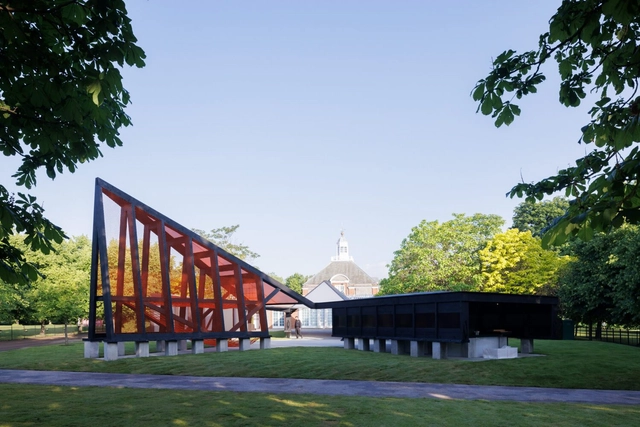
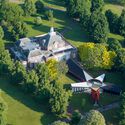
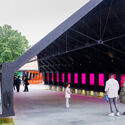
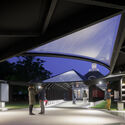
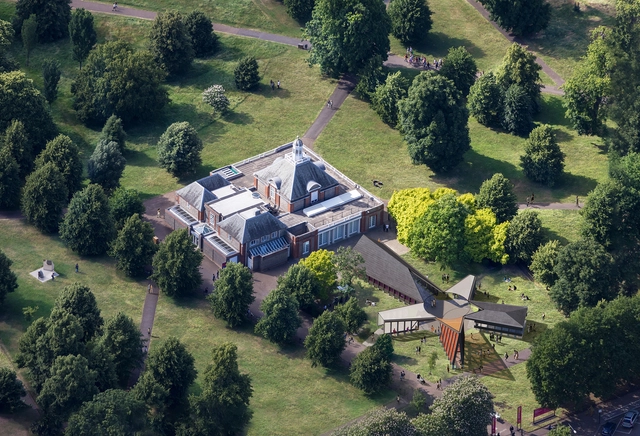
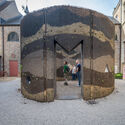
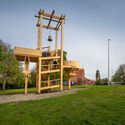
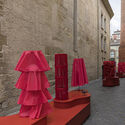
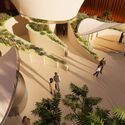
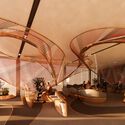
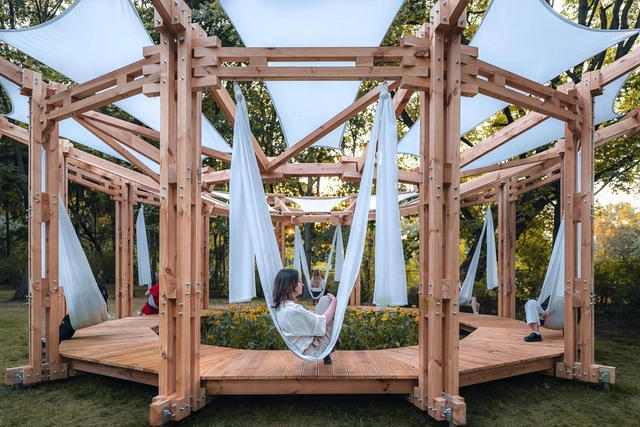
The official opening date for the 23rdSerpentine Pavilion has been announced for June 7th, 2024. The structure designed by Seoul-based Korean architect Minsuk Cho and his firm Mass Studies, will welcome visitors until October 27, 2024, in London’s Kensington Gardens. Titled “Archipelagic Void,” the pavilion is composed of five islands displayed around a central void in reference to the mandang, a type of open courtyard found in traditional Korean houses. The intervention will be activated throughout the summer with a diverse program of events, starting with a conversation between Minsuk Cho and Serpentine Artistic Director Hans Ulrich Obrist on June 7, 2024.
23rd Serpentine Pavilion by Mass Studies. Image Courtesy of Serpentine Gallery
Seoul-based Korean architect Minsuk Cho and his firm Mass Studies have been selected to design the 23rdSerpentine Pavilion, to open on June 5, 2024, in London’s Kensington Gardens. Titled “Archipelagic Void,” this iteration of the iconic commission will consist of five ‘islands’ displayed around an open space, breaking down the structure into a series of smaller elements intertwined with the park’s natural ecology. The pavilion will be open to the public from June 7, until October 27, 2024, with a press preview two days before the opening.
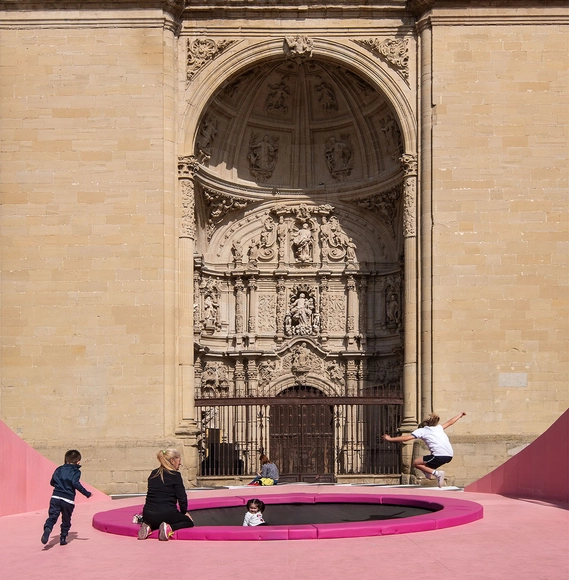
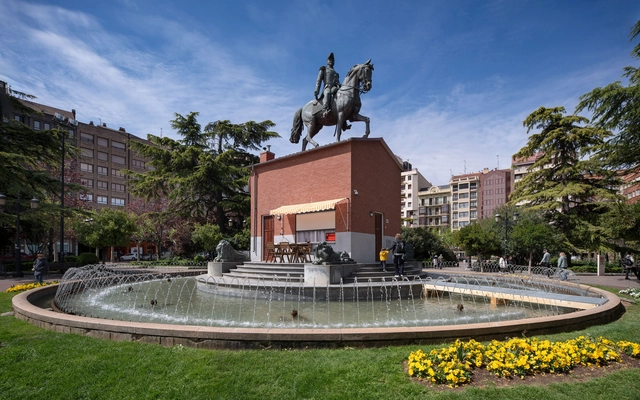
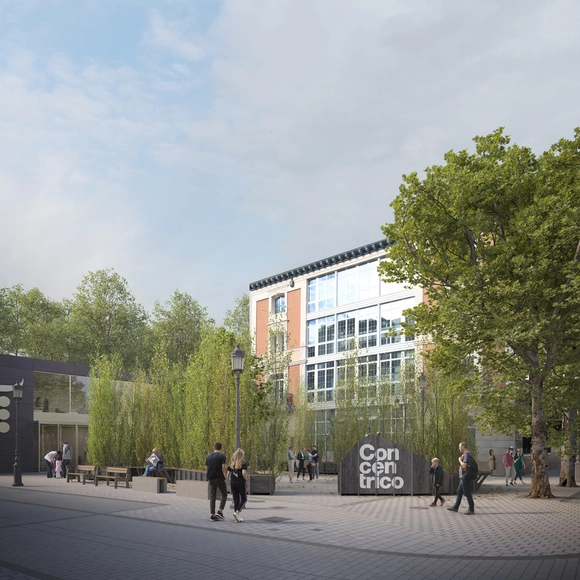
Architecture and Design Festival Concéntrico celebrates its 10th anniversary from 25 April to 1 May 2024 with an edition that aims to reflect on the impact of the annual festival upon the city of Logroño, Spain, as well as to consider how the city continues to evolve. Through installations, exhibitions, lectures, performances, workshops, and activities, Concéntrico proposes a reflection of the urban environment, welcoming architects and designers to intervene and challenge it while opening conversations about pressing matters.
While the official theme of the festival focused on the future of cities, the invited architects and designers took this suggestion further. Several overarching themes and subjects emerged during this year’s event, from the incorporation of concepts of time, an unusual element to be tacked through temporary installations, to the desire to engage more honestly with a wider public, to listen to their needs and create platforms where diverse perspectives can take center stage.
The fourth edition of the Bruges Triennial: Spaces of Possibility, curated by Shendy Gardin and Sevie Tsampalla, will be held from Saturday 13 April to Sunday 1 September 2024. This event promises to transform the streets and historic center of Bruges, Belgium, into a showcase of contemporary art and architectural interventions. With a focus on exploring the latent potential of this UNESCO World Heritage Site, the festival raises questions about how concepts like change and sustainability can interact with preservation.
The 12 selected artists and architects have been prompted to challenge the existing spaces within Bruges. Among the invited names are Boonserm Premthada’s Bangkok Project Studio, Mona Hatoum, Studio Ossidiana, and Sumayya Vally, founder of Counterspace and curator of the first Islamic Arts Biennale, among others. Until September 1st, they are presenting temporary interventions and large-scale installations that seek to reveal the hidden potential of the city, echoing the festival's theme. Against the backdrop of Bruges' rich history, this edition of the Bruges Triennial underscores the importance of adaptable urban spaces in today's ever-evolving world.
From April 25 to May 1, 2024, Logroño hosts the tenth edition of Concéntrico, a celebration of urban innovation and transformation. This year, the festival explores the future of cities, incorporating new formats, engaging diverse audiences, and tackling urban challenges through the lens of time as a catalyst for change in design. Featuring 20 interventions and activities involving over 100 professionals from 17 countries, the program encompasses processes such as renaturalizing public spaces, reimagining urban structures, and integrating recycled materials from previous editions.
Additionally, collaborations with educational centers ensure a lasting impact beyond the festival, fostering new collective practices in public spaces. Special projects such as "The street in 10 years" or initiatives involving students and pupils from local schools and educational centers further enrich the festival's engagement with communities across Spain.
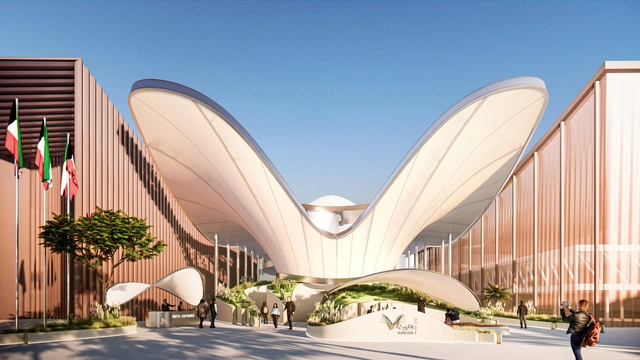
The State of Kuwait has revealed the design of the upcoming Kuwait Pavilion to take shape at World Expo 2025 in Osaka. Designed by architectural firm LAVA (Laboratory for Visionary Architecture), the temporary structure is envisioned as a “Visionary Lighthouse” representing Kuwait’s embrace of Arab cultures, arts, and social works. The pavilion, developed with main partner and contractor NUSSLI, also offers a response to the exhibition’s overarching theme, "Designing Future Society for our Lives", striving to strengthen the relationship between Kuwait and Japan and foster conversations about visions of a sustainable future.
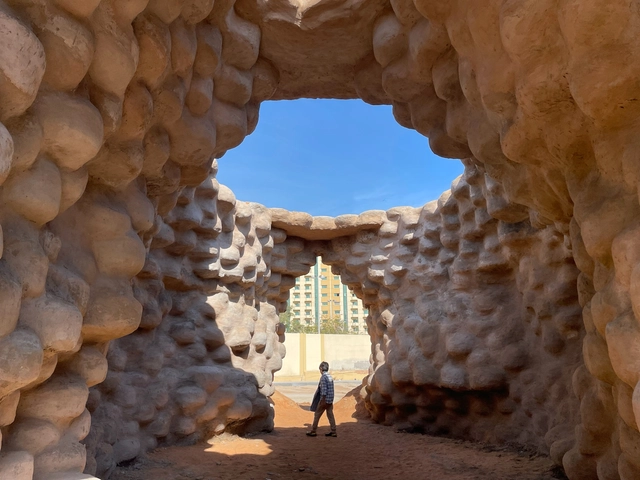
Running from November 11, 2023 until March 10, 2024, The Sharjah Architecture Triennial celebrates innovations in the built environment, particularly in the global south. The main goal of the display is to draw attention to sustainable, accessible, and equitable futures while highlighting the value of alternative responses to resource constraints. As the event draws to a close, ArchDaily explores 10 architectural installations that respond to the overarching theme through various mediums.
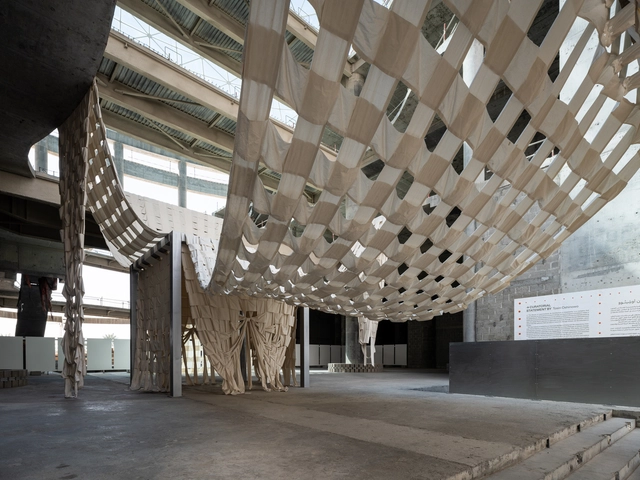
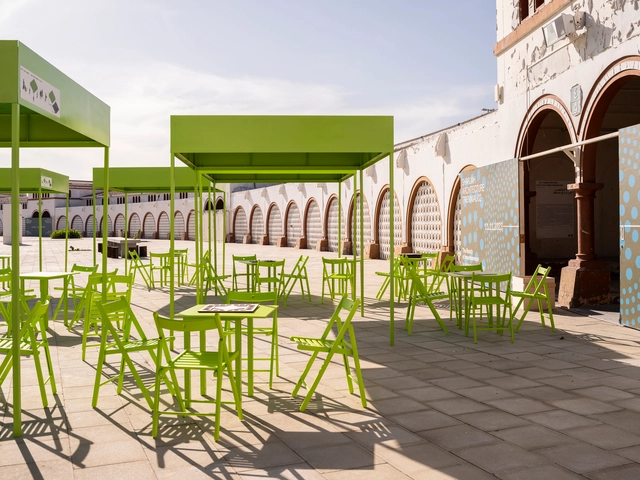
Curated by Tosin Oshinowo under the theme “The beauty of Impermanence: An Architecture of Adaptability,” the triennial has contributions from 29 architects and studios across 25 countries. From 51-1 Arquitectos transforming an unapproachable place into a dynamic play space featuring popular board games from various regions to Al Borde redefining a space with a custom-designed shading structure made with natural materials, the Sharjah Architecture Triennial presents a diverse array of architectural interventions. WaiWai's showcase spotlights three instances of modern architecture in Tashkent, Uzbekistan, highlighting their significant evolution. DAAR's "Concrete Tent" combines elements of a mobile tent and concrete house, exploring the concept of "permanent temporariness.” These installations offer innovative perspectives on adaptability, sustainability, and cultural significance within the architectural landscape.
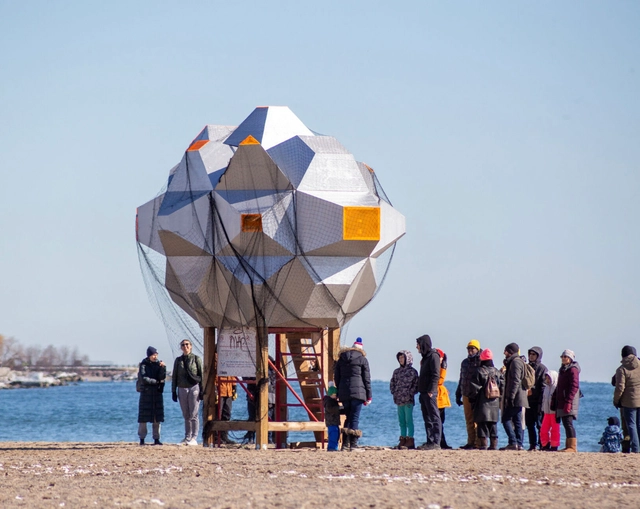
We Caught A UFO! by Xavier Madden and Katja Banovic, Croatia and Australia. Image Courtesy of Winter Stations
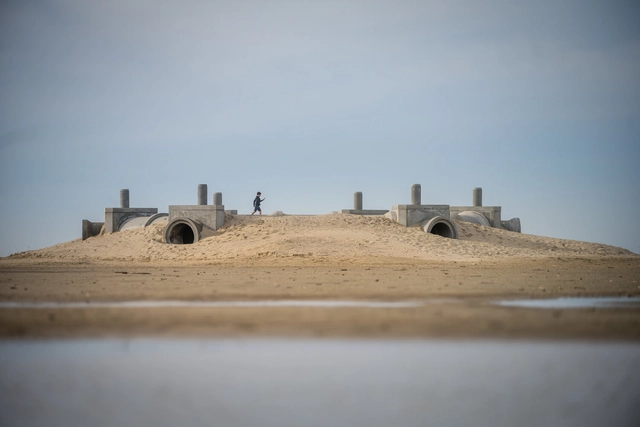
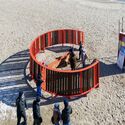
Winter Stations, now in its 10th year, has unveiled the winning designs selected from a pool of hundreds of submissions worldwide. Following an international design competition launched in November 2023, designers, artists, and architects contributed with bold proposals to reimagine the lifeguard stations along Toronto’s east-end beaches for the winter. Launched by RAW Design, Ferris + Associates, and Curio in 2014, the event aims to gather an international design and art community to join in this playful exercise of rethinking public spaces through bold temporary interventions. The winning designs were realized with the support of Anex Works, a Toronto-based fabrication group, and will be on display until the end of March.
For its 10th anniversary edition, the chosen theme for this year is “Resonance,” hoping to challenge designers to reflect on the artistic legacy and enduring impact of the Winter Stations and to embark on a journey of reinvention and reimagination. The projects were invited to recreate and reinvent installations from previous Winer Stations editions, offering moments of contemplation and remembrance. The event also continues the tradition of the Lifeguard Sands, inviting designers to incorporate them into their designs without structurally altering the stands in any manner.
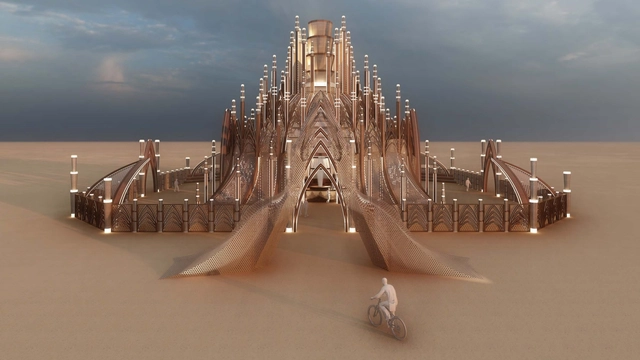
emple of Together by Caroline Ghosn, 2024. Design rendering by Maissa Sader. Image Courtesy of Burning Man
The annual festivalBurning Man has revealed the design of the 2024 Temple at Black Rock City, which will become the central installation during the festival happening between August 25th and September 2nd, 2024, in Black Rock Desert, Nevada. Titled “The Temple of Together,” the proposal is designed by Caroline Ghosn, the first BIPOC, female Temple lead artist. The proposal takes cues from neo-gothic religious architecture, combined with Art Deco styles and Lebanese Khaizaran weaving techniques to create a symbol of unity and respect. The design was selected following an international competition that seeks to find novel interventions that fit within the Burning Man tradition.
Poplar Assembly / Francisco Javier García García . Image Courtesy of Concéntrico
Now in its 10th edition, Concéntrico, the international festival of architecture and design in Logroño, has announced the winners of the open calls for urban interventions. Responding to the call to ‘Celebrate the City,’ the winning proposals will be temporarily built in Plaza Escuelas Trevijano, in Viña Lanciano of Bodegas LAN, and in Paseo del Espolón in the Spanish town of Logroño. The Festival welcomes visitors between April 25 and May 1, 2024, to explore the city through installations, exhibitions meetings, and performances.
As this bloody year draws to a close, at a moment when the message “Peace on Earth” seems altogether mute, one might well ask: What power does architecture have? How can it address violence against innocent people, whose lives have been turned upside down? How does architecture respond to staggering cruelty? What can it say? Can it raise consciousness?
https://www.archdaily.com/1011673/in-warsaw-a-student-designed-architectural-response-to-dark-timesMichael J. Crosbie
Arquitectos, Play You Are in Sharjah, 2023. Photo by Danko Stjepanovic. Image Courtesy of Sharjah Architecture Triennial
Inaugurated on November 11, 2023, and running until March 10, 2024, the Sharjah Architecture Triennial serves as a metaphor drawing attention to the design and technological innovations within the built environment, particularly in the global south. The exhibition features contributions from 29 architects and studios spanning 25 countries. Building upon Venice's global platform for experimentation at the 18th International Architecture Exhibition, the 2023 Triennial embarks on a similar journey, creating space for voices and discussions often overlooked in global exhibitions and unveiling elements that have long existed but remained unseen. With a keen awareness of the global south, but also of the global north, and an understanding of the polarities between them, as articulated by curator Tosin Oshinowo, this second edition of the exhibition focuses on "The Beauty of Impermanence: An Architecture of Adaptability."
Celebrating everything that exists, especially in the global south where places thrive amidst scarcity, the triennial adopts an optimistic approach, drawing lessons from current situations and revealing the value and sophistication of alternative responses that have emerged due to resource constraints. “We're able to celebrate them. We're able to learn from them”, adds the curator. The triennial aims to comprehend a more sustainable, accessible, and equitable future—a collective effort to address the challenges of climate change, explore the built environment, and embrace under-celebrated regional traditions. Highlighting solutions that have endured the course of time and others responding to contemporary difficulties, "The Beauty of Impermanence" emphasizes the necessity of nuanced hybridity essential for our urbanized world.
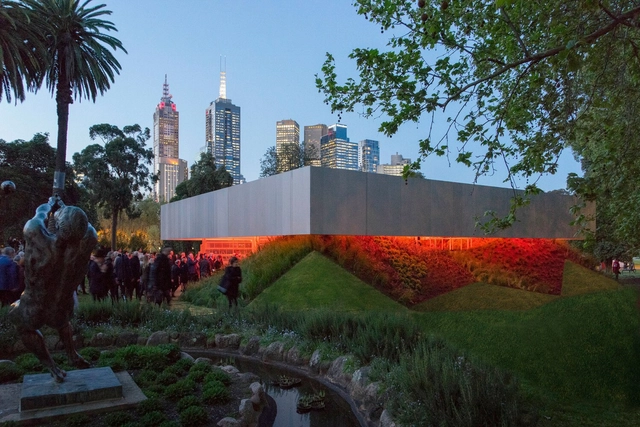
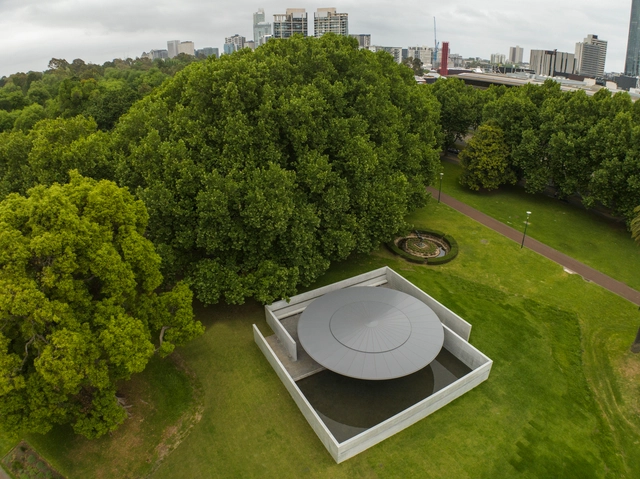
The MPavilion represents one of the most important architectural events happening annually in Melbourne, Australia. Initiated and founded by the Naomi Milgrom Foundation, the event was first launched in 2014 and has since brought internationally recognized architects to design a temporary structure in Melbourne's Queen Victoria Gardens in a system similar to London’s Serpentine Gallery Pavilion. From Sean Godsell's solar-actioned panels to Studio Mumbai‘s experimental bamboo structure, each pavilion explores craftsmanship and contemporary design while fostering a rich cultural program for several months before being disassembled and donated to one of the city’s parks. As the latest pavilion was recently inaugurated by Tadao Ando, we look back at the previous editions of Australia’s most famous annual structure.
The tenth edition of the MPavilion opens in Queen Victoria Gardens in Melbourne, Australia. The structure was designed by Pritzker Prize-winner Tadao Ando, marking the architect’s first built project in Australia. The pavilion follows his signature use of geometric shapes in harmony with the natural landscape and the precise use of exposed concrete. On November 16, 2023, the official opening inaugurates the space with a public celebration and a wide array of art commissions selected by the Naomi Milgrom Foundation. The MPavilion will remain free and open to the public from 16 November to 28 March 2024, inviting visitors to engage with its diverse cultural program and find opportunities for contemplation and tranquility in its spaces.
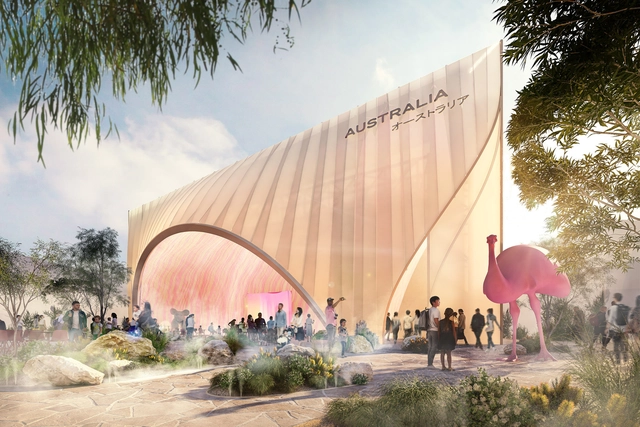
The designs for the Australian Pavilion at Expo 2025 in Osaka, Japan, have been unveiled by Australia’s Minister for Trade and Tourism. Designed by global firm Buchan, the scheme celebrates Australia’s natural beauty. Under the theme “Chasing the Sun,” the pavilion is aligned with Expo's larger theme: developing and adopting the best practices to drive sustainable co-creation. In essence, the theme is meant to capture the confident optimism the nation possesses, inspiring creative solutions and international cooperation.
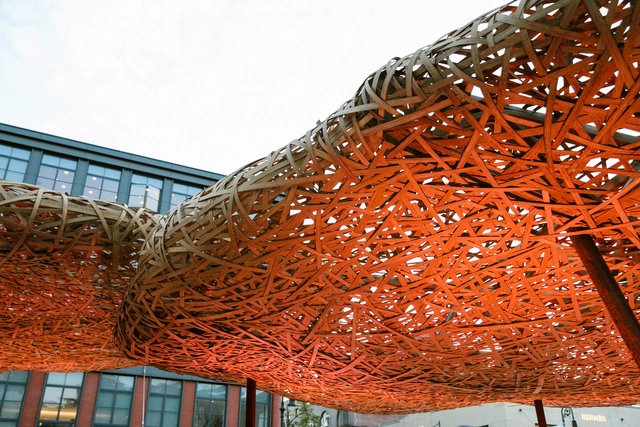
From October 12 to 18, NYCxDESIGN presents the Design Pavilion, a prominent public architectural exhibition in New York. Occurring during Archtober, a month-long celebration of architecture, this year's Design Pavilion highlights three imaginative installations spanning materiality, sustainability, social justice, and more.
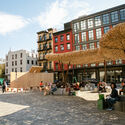
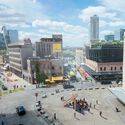
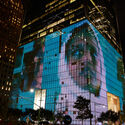
Two tangible installations have been designed to transform Gansevoort Plaza in the Meatpacking District into urban retreats, while the third exhibit offers a digital art projection at the World Trade Center Podium, addressing the nation's history of enslavement and the quest for healing. Along with the pavilions, the Design Talks program highlights and opens discussions on relevant issues of the profession, centering around themes of sustainability, repurposing, and waste reduction.
As part of the 6th edition of “Time Space Existence”, the European Cultural Center (ECC) presented the “Reconceptualizing Urban Housing” exhibition. Taking place from May 20 to November 26, 2023, it brings together a diverse array of women-led architecture practices from around the world, each offering a unique perspective on collective housing, particularly within urban settings. The showcased projects feature approaches from Europe, North America, and more developing countries like Uganda, Malaysia, and Mexico.