1. ArchDaily
  2. Social inclusion

Social inclusion: The Latest Architecture and News

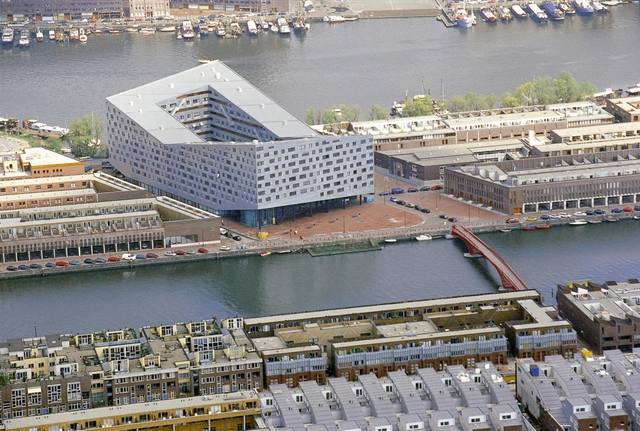
Building at the Edge: New York and Hong Kong’s Competing Waterfront Logics

Subscriber Access | 

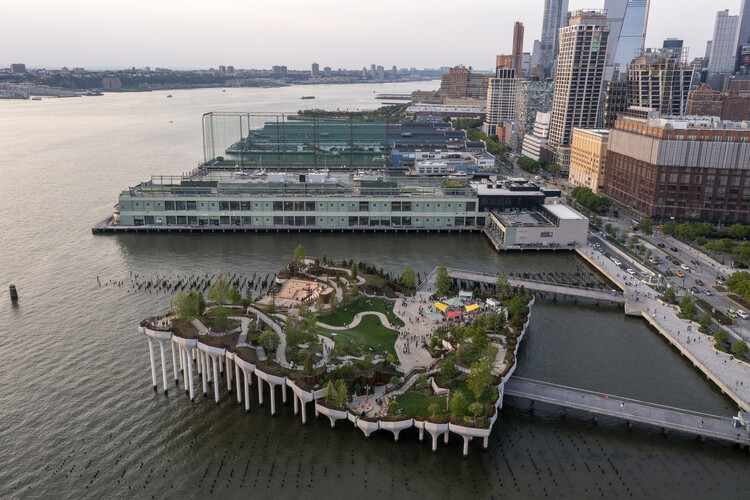
Coastal development in major cities has long been a terrain of opportunity and contention—shaped at once by the pursuit of capital (premium views, scarce land, and the promise of reclamation), by civic demands for public access and collective waterfront life, and by contemporary aspirations for sustainability and place-defining urban identity. Precisely because these agendas rarely align, extracting the full potential of waterfront sites is never straightforward.

Yet in New York City and Hong Kong, we can trace each city's ambitions—despite differing strategies, priorities, and political logics—through a set of keystone projects that anchor their coastlines. Read together, these projects reveal not only what each city chooses to value, but also what it is willing to trade off in order to build at the edge.

Building at the Edge: New York and Hong Kong’s Competing Waterfront Logics - Image 1 of 4Building at the Edge: New York and Hong Kong’s Competing Waterfront Logics - Image 2 of 4Building at the Edge: New York and Hong Kong’s Competing Waterfront Logics - Image 3 of 4Building at the Edge: New York and Hong Kong’s Competing Waterfront Logics - Image 4 of 4Building at the Edge: New York and Hong Kong’s Competing Waterfront Logics - More Images+ 15

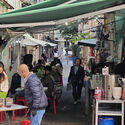
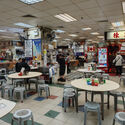
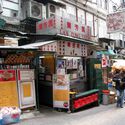
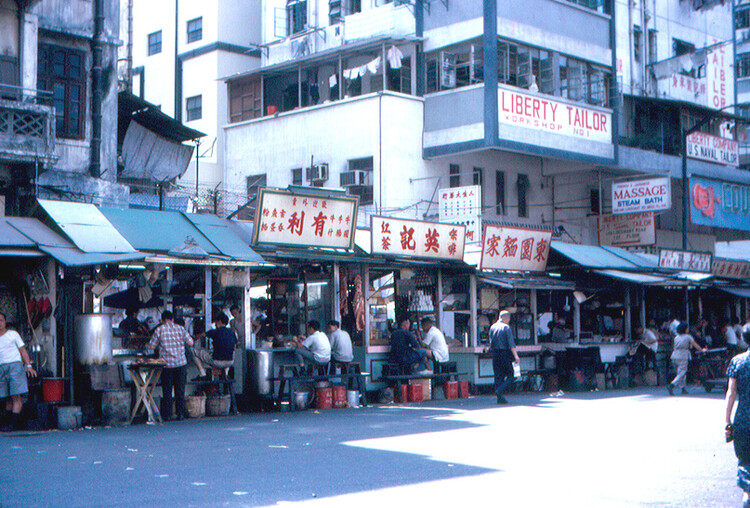
Urban Banquet at the Curb: Hong Kong’s Third-Space Dining

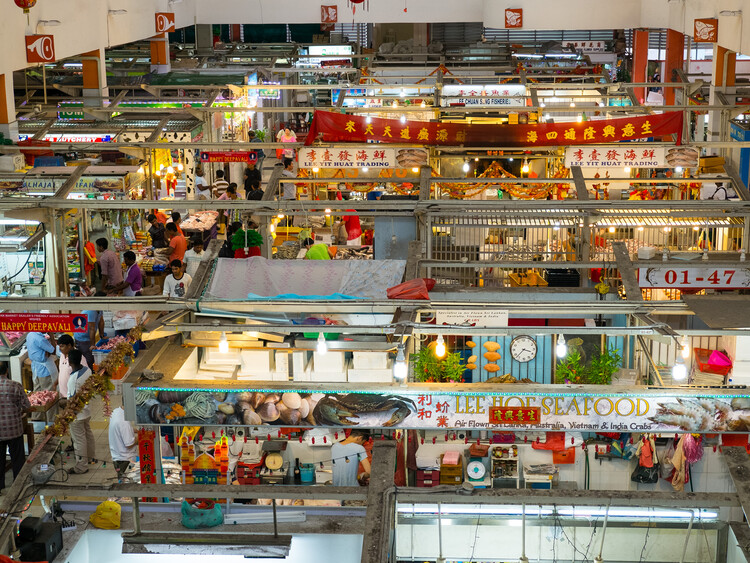
Across cities worldwide, architecture unfolds continuously at the scale of people and community—not only through new buildings, renovations, or monumental works. "Third spaces" are especially revealing. Consider the street-side culinary realm: how seating, serving, and lingering occupy the edge of the street often discloses a city's cultural codes and spatial habits. What forms of dining and inhabitation have emerged in response to local climate, regulation, and social custom—and how have they evolved over time?

In parts of Europe, for instance, al fresco in Italy and en terrasse in France name culturally specific ways of dining in public, drawing the meal into the urban field—attuned to weather, air, and the passive sociability of people-watching. Since COVID-19, New York City has similarly expanded outdoor dining, reflecting a community-driven desire to engage the streetscape while eating—an everyday, street-level "third place" within a dense metropolis.

Urban Banquet at the Curb: Hong Kong’s Third-Space Dining - Image 1 of 4Urban Banquet at the Curb: Hong Kong’s Third-Space Dining - Image 2 of 4Urban Banquet at the Curb: Hong Kong’s Third-Space Dining - Image 3 of 4Urban Banquet at the Curb: Hong Kong’s Third-Space Dining - Image 4 of 4Urban Banquet at the Curb: Hong Kong’s Third-Space Dining - More Images+ 7

Architecture in Ecuador: 16 Projects Rooted in Territory, Craft, and Collective Practice

Subscriber Access | 

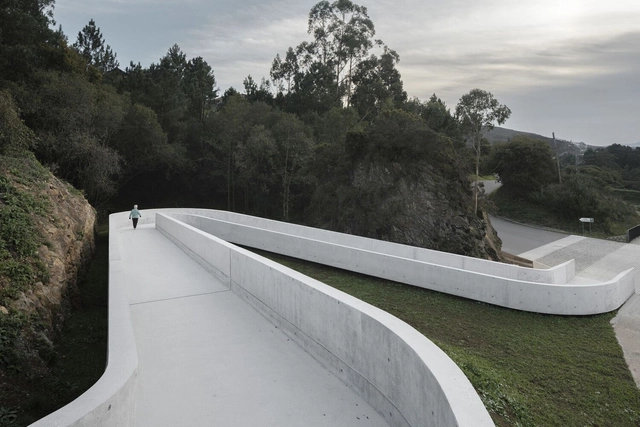
Between the Andes, the coast, and the Amazon, Ecuador's architecture has evolved as a reflection of its layered geography, a place where climate, topography, and culture unite. Throughout the territory, architecture has been an act of adaptation: from vernacular traditions rooted in collective labor and local materials to the colonial and modernist influences that reshaped its cities. This diversity has produced distinct constructive systems, from bamboo and cane structures along the coast to earth and stone constructions in the Andes, forming an archive of adaptive design that continues to influence contemporary practice.

Yet in the past decade, Ecuadorian architecture has undergone a quiet but deep transformation. New academic programs and international references have encouraged a growing awareness of climate and social justice. Emerging architects are redefining practice through workshops, collective studios, and on-site experimentation that blurs the line between design and activism. No longer focused on architecture as an object, a new generation of architects is approaching design as a process. One focused on collaboration, sustainability, and cultural identity. Their questions have shifted the design language from what to build to with whom.
Architecture in Ecuador: 16 Projects Rooted in Territory, Craft, and Collective Practice  - Image 1 of 4Architecture in Ecuador: 16 Projects Rooted in Territory, Craft, and Collective Practice  - Image 2 of 4Architecture in Ecuador: 16 Projects Rooted in Territory, Craft, and Collective Practice  - Image 3 of 4Architecture in Ecuador: 16 Projects Rooted in Territory, Craft, and Collective Practice  - Image 4 of 4Architecture in Ecuador: 16 Projects Rooted in Territory, Craft, and Collective Practice  - More Images+ 12

Make Space for Girls Launches Strategy for Gender-Inclusive Public Spaces

Make Space for Girls (MSFG) is a London-based charity that campaigns for public spaces and parks in the United Kingdom to be more inclusive of teenage girls. The organization conducts research on how public spaces are used and designed, raises awareness about perceived inequalities in their use, and collaborates with public and private institutions to promote the representation of teenage girls in the planning and design of outdoor environments. Their research indicates that their exclusion from the design of parks and public spaces often leaves them without places where they feel welcomed or valued, and that parks and public spaces for older children and teenagers are currently designed for the default male. From 8 to 15 October, the organization is running a fundraising campaign to support the implementation of its new three-year strategy aimed at promoting more inclusive public spaces.

Make Space for Girls Launches Strategy for Gender-Inclusive Public Spaces - Image 1 of 4Make Space for Girls Launches Strategy for Gender-Inclusive Public Spaces - Image 2 of 4Make Space for Girls Launches Strategy for Gender-Inclusive Public Spaces - Image 3 of 4Make Space for Girls Launches Strategy for Gender-Inclusive Public Spaces - Image 4 of 4Make Space for Girls Launches Strategy for Gender-Inclusive Public Spaces - More Images

World Architecture Day 2025: How We Design for Strength in an Age of Crisis

Today, on the first Monday of October, we celebrate World Architecture Day. This year, the International Union of Architects (UIA) has set the theme "Design for Strength," a powerful call to action that resonates deeply with the UN's focus on urban crisis response. In a world facing unprecedented environmental and social disruptions, this theme challenges us to move beyond temporary fixes. It asks: How can our buildings and cities not only withstand shocks but also foster equity, continuity, and resilience?

While the concept of strength in architecture can easily evoke images of reinforced concrete and steel, a more profound interpretation is emerging, one that defines strength not as mere rigidity, but as a holistic capacity to endure and adapt. This includes many facets, from ecological resilience and stewardship to long-lasting concepts of social resilience or the long-lasting conservation of existing urban structures, all contributing to a built environment more able to respond to the multitude of crises faced by cities worldwide.

World Architecture Day 2025: How We Design for Strength in an Age of Crisis - Image 1 of 4World Architecture Day 2025: How We Design for Strength in an Age of Crisis - Image 2 of 4World Architecture Day 2025: How We Design for Strength in an Age of Crisis - Image 3 of 4World Architecture Day 2025: How We Design for Strength in an Age of Crisis - Image 4 of 4World Architecture Day 2025: How We Design for Strength in an Age of Crisis - More Images+ 20

How Amsterdam Uses the Doughnut Economics Model to Create a Balanced Strategy for Both the People and the Environment

In 2020, in the midst of the first wave of lockdowns due to the pandemic, the municipality of Amsterdam announced its strategy for recovering from this crisis by embracing the concept of the “Doughnut Economy.” The model is developed by British economist Kate Raworth and popularized through her book, “Doughnut Economics: Seven Ways to Think Like a 21st-Century Economist”, released in 2017. Here, she argues that the true purpose of economics does not have to equal growth. Instead, the aim is to find a sweet spot, a way to balance the need to provide everyone with what they need to live a good life, a “social foundation” while limiting our impact on the environment, “the environmental ceiling.” With the help of Raworth, Amsterdam has downscaled this approach to the size of a city. The model is now used to inform city-wide strategies and developments in support of this overarching idea: providing a good quality of life for all without putting additional pressure on the planet. Other cities are following this example.

How Amsterdam Uses the Doughnut Economics Model to Create a Balanced Strategy for Both the People and the Environment - Image 1 of 4How Amsterdam Uses the Doughnut Economics Model to Create a Balanced Strategy for Both the People and the Environment - Image 2 of 4How Amsterdam Uses the Doughnut Economics Model to Create a Balanced Strategy for Both the People and the Environment - Image 3 of 4How Amsterdam Uses the Doughnut Economics Model to Create a Balanced Strategy for Both the People and the Environment - Image 4 of 4How Amsterdam Uses the Doughnut Economics Model to Create a Balanced Strategy for Both the People and the Environment - More Images+ 5

Designing for All: Exploring Empathy, Inclusivity, Accessibility and Spatial Equity in Architecture

The concept of inclusive architecture has gained prominence as the built environment evolves to reflect and address the diverse needs of humanity. This approach prioritizes empathy, accessibility, and equity, striving to create spaces that resonate with individuals across a spectrum of demographics, abilities, and cultural contexts. It moves beyond merely meeting accessibility standards or incorporating universal design elements; instead, it embodies a paradigm shift that humanizes architecture and aligns it with fundamental social values. Through this lens, inclusive architecture fosters connections, embraces diversity, and ensures that physical spaces contribute to collective well-being.

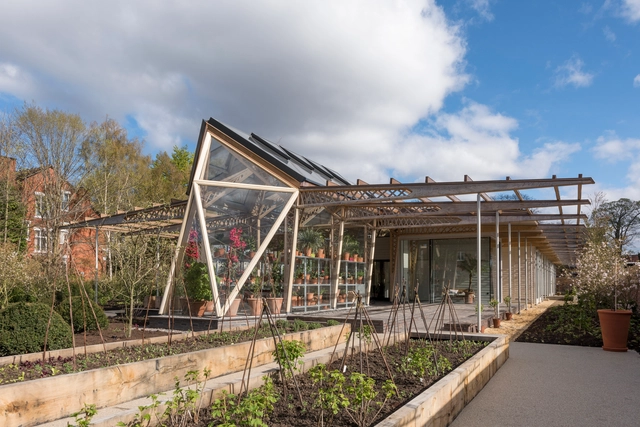
This article explores four interrelated themes — Empathy, Inclusive Architecture, and Spatial Equity and Accessibility— through selected articles published in 2024. Together, these themes reveal how architecture can respond to societal challenges and aspirations, illustrating its potential as a catalyst for social change. From designing for emotional connection to addressing spatial inequalities, the lessons of 2024 emphasize the responsibility of architects to create spaces that transcend functionality, champion inclusivity at every scale, and foster environments where everyone feels seen, valued, and empowered.

Designing for All: Exploring Empathy, Inclusivity, Accessibility and Spatial Equity in Architecture - Image 1 of 4Designing for All: Exploring Empathy, Inclusivity, Accessibility and Spatial Equity in Architecture - Image 2 of 4Designing for All: Exploring Empathy, Inclusivity, Accessibility and Spatial Equity in Architecture - Image 3 of 4Designing for All: Exploring Empathy, Inclusivity, Accessibility and Spatial Equity in Architecture - Image 4 of 4Designing for All: Exploring Empathy, Inclusivity, Accessibility and Spatial Equity in Architecture - More Images+ 11

Designing with Empathy: Architecture for Social Equity

Architecture has long been understood as a powerful tool for shaping the physical environment and social dynamics within it. However, its potential to foster social equity is often overlooked. Empathy-driven design invites architects to approach their work not only as creators of space but as facilitators of human connection and community well-being. This approach centers on understanding people's lived experiences, struggles, and aspirations — particularly marginalized communities — and responding to their needs through thoughtful, inclusive architecture. It goes beyond aesthetics and functionality, instead focusing on creating spaces fostering dignity, accessibility, and social equity. By prioritizing empathy, architects can design environments that uplift communities, address disparities, and create inclusive spaces that promote positive societal change in a tangible, human-centered way.

Designing with Empathy: Architecture for Social Equity - Image 1 of 4Designing with Empathy: Architecture for Social Equity - Image 2 of 4Designing with Empathy: Architecture for Social Equity - Image 3 of 4Designing with Empathy: Architecture for Social Equity - Image 4 of 4Designing with Empathy: Architecture for Social Equity - More Images+ 13

Empowering Children Through Public Spaces in Lebanon: In Conversation with CatalyticAction

Subscriber Access | 

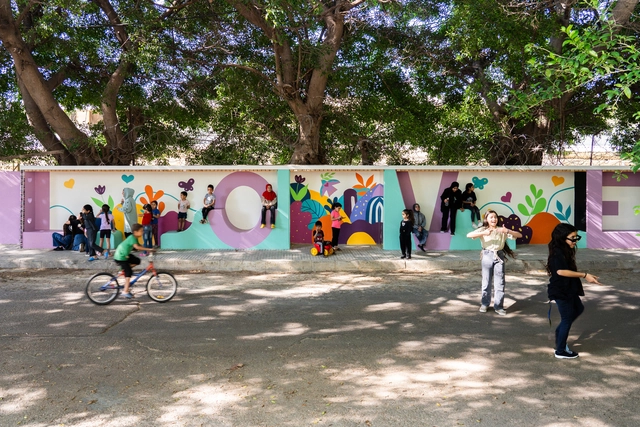
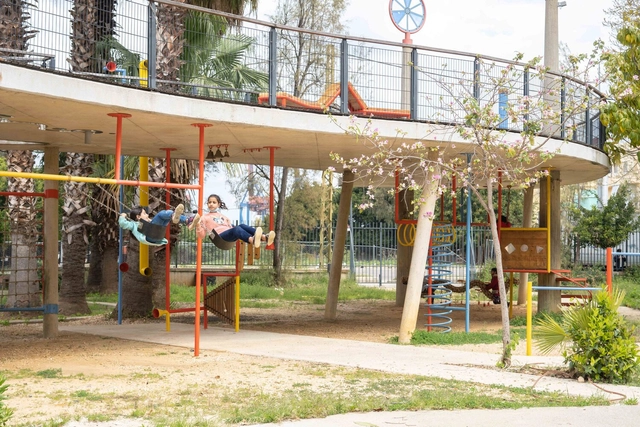
Public spaces are not always shaped by planning but by the practices they host. Their existence stems from our inherent need for connection with others. As spaces of encounter, these urban, open, and accessible areas reflect how we interact with our surroundings and each other while offering places for exercise, play, socializing, and recreation.
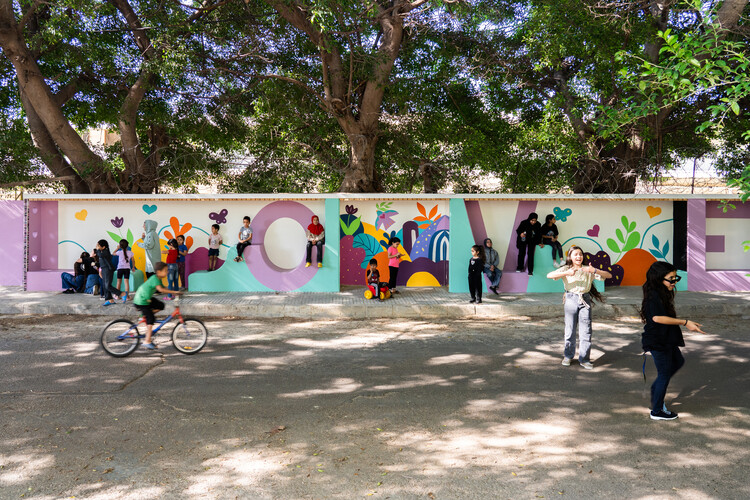
Recognizing that public spaces are more than just physical environments, CatalyticAction is dedicated to fostering a sense of community, safety, and belonging, especially for children, who are among the most vulnerable in society. Their mission is not only to create spaces where children can play and grow but also to empower them, ensuring they have a voice in shaping their surroundings. To learn more about their work, Christele Harrouk, ArchDaily's Editor-in-Chief, spoke with Joana Dabaj, Co-founder and Director of Programmes at CatalyticAction.
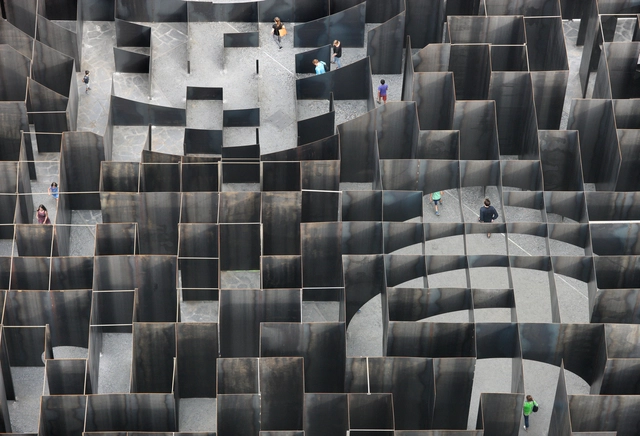
Empowering Children Through Public Spaces in Lebanon: In Conversation with CatalyticAction - Image 1 of 4Empowering Children Through Public Spaces in Lebanon: In Conversation with CatalyticAction - Image 2 of 4Empowering Children Through Public Spaces in Lebanon: In Conversation with CatalyticAction - Image 3 of 4Empowering Children Through Public Spaces in Lebanon: In Conversation with CatalyticAction - Image 4 of 4Empowering Children Through Public Spaces in Lebanon: In Conversation with CatalyticAction - More Images+ 41

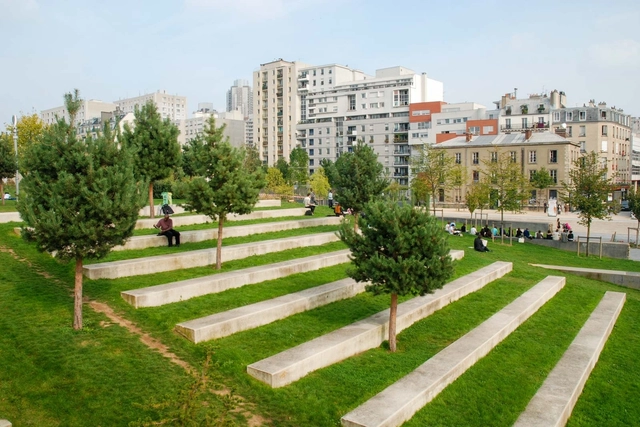
Socially Just Public Spaces Are Crucial to Flourishing Societies

One of the most radical instances of public space transformation happened recently. During the early months of the Covid-19 pandemic, public space transformed into “a medical resource, a distribution hub, an overflow space, a center of protest and resistance, a gym, a senior center, a community center, a daycare center, a schoolyard, a night club, a transportation corridor, an outdoor restaurant, a shopping mall, a children’s playground, an outdoor theater, a music venue, a nature center, and a place of belonging and ‘being at home.’”
Socially Just Public Spaces Are Crucial to Flourishing Societies - Image 1 of 4Socially Just Public Spaces Are Crucial to Flourishing Societies - Image 2 of 4Socially Just Public Spaces Are Crucial to Flourishing Societies - Image 3 of 4Socially Just Public Spaces Are Crucial to Flourishing Societies - Image 4 of 4Socially Just Public Spaces Are Crucial to Flourishing Societies - More Images

AWBQ Releases the “Architecture + Homelessness” Catalog to Promote Inclusive Practices in Cities

Architecture Without Borders Quebec (AWBQ) has made public the catalog of practices “Architecture + Homelessness: Inclusive Practices for a Supportive City.” The publication, publicly available in both English and French, is created to encourage architecture and design practices that have the potential to contribute to the well-being of people experiencing homelessness. The catalog is part of an ongoing research project initiated by AWBQ and supported by the Government of Quebec and the City of Montreal.

AWBQ Releases the “Architecture + Homelessness” Catalog to Promote Inclusive Practices in Cities - Image 1 of 4AWBQ Releases the “Architecture + Homelessness” Catalog to Promote Inclusive Practices in Cities - Image 2 of 4AWBQ Releases the “Architecture + Homelessness” Catalog to Promote Inclusive Practices in Cities - Image 3 of 4AWBQ Releases the “Architecture + Homelessness” Catalog to Promote Inclusive Practices in Cities - Image 4 of 4AWBQ Releases the “Architecture + Homelessness” Catalog to Promote Inclusive Practices in Cities - More Images+ 1

The Safety of Light: A Short History of Light in Public Spaces

The simple activity of taking a walk in the evening can easily turn from a relaxing leisurely activity to a dangerous endeavor by removing just one element from the streetscape: public lighting. While not often recognized as defining aspect of urban environments, artificial illumination has played an essential role in defining the character of modern cities. Crime control, the appeal of nightlife, the rise of the shop window, revolutionary movements, utopias, and ideals of social equity are all concepts whose development is tightly linked to the history of public lighting. Technological advancements over the past centuries have continuously shaped the appearance and symbolism of streetlamps. Still, the this element has remains a constant throughout its history.

The Safety of Light: A Short History of Light in Public Spaces - Image 1 of 4The Safety of Light: A Short History of Light in Public Spaces - Image 2 of 4The Safety of Light: A Short History of Light in Public Spaces - Image 3 of 4The Safety of Light: A Short History of Light in Public Spaces - Image 4 of 4The Safety of Light: A Short History of Light in Public Spaces - More Images+ 7

The Fetishization of Architecture: the Object Above the Subject and Processes

Subscriber Access | 

The philosopher and sociologist Henri Lefebvre coined the notion of "production of space" in 1974, breaking with the vision of space as a container or scenario of objects and social relations, to move towards space understood as a process. From this vision based on the Marxist tradition, space is a product and a producer of social relations and processes.

The Fetishization of Architecture: the Object Above the Subject and Processes - Image 1 of 4The Fetishization of Architecture: the Object Above the Subject and Processes - Image 2 of 4The Fetishization of Architecture: the Object Above the Subject and Processes - Image 3 of 4The Fetishization of Architecture: the Object Above the Subject and Processes - Image 4 of 4The Fetishization of Architecture: the Object Above the Subject and Processes - More Images+ 9