1. ArchDaily
  2. Residences

Residences: The Latest Architecture and News

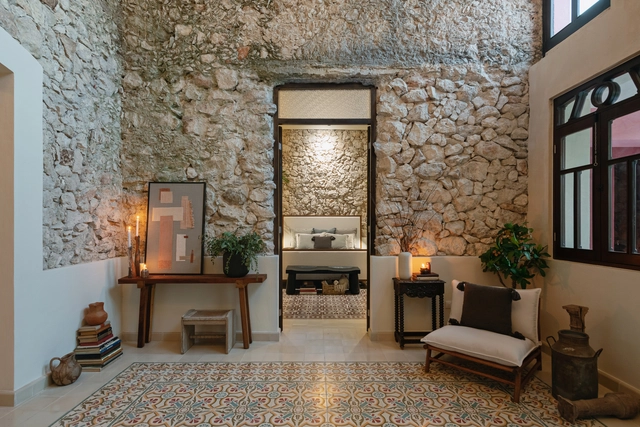
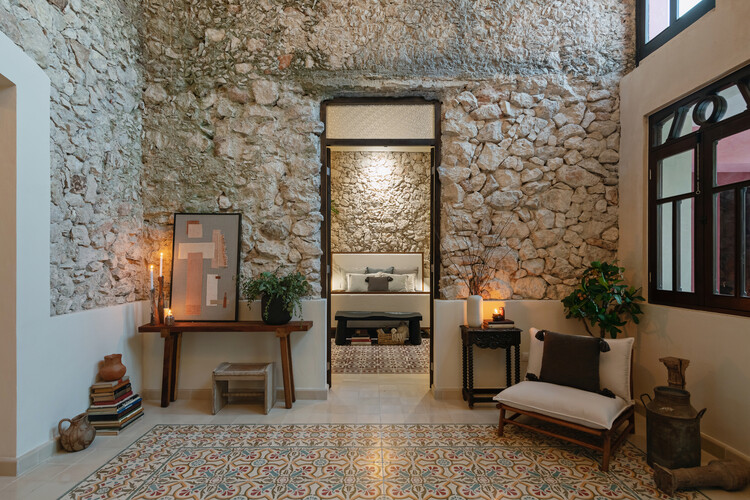
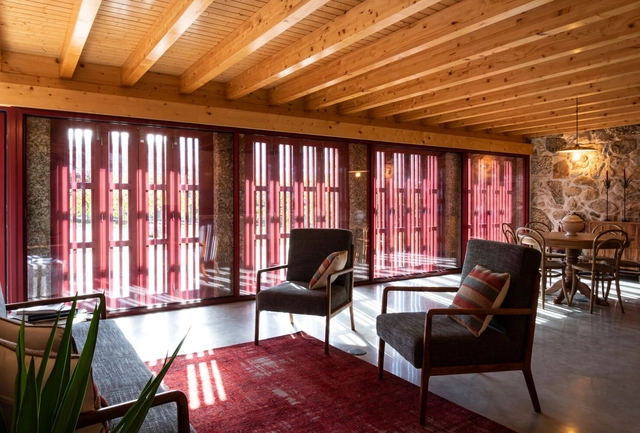
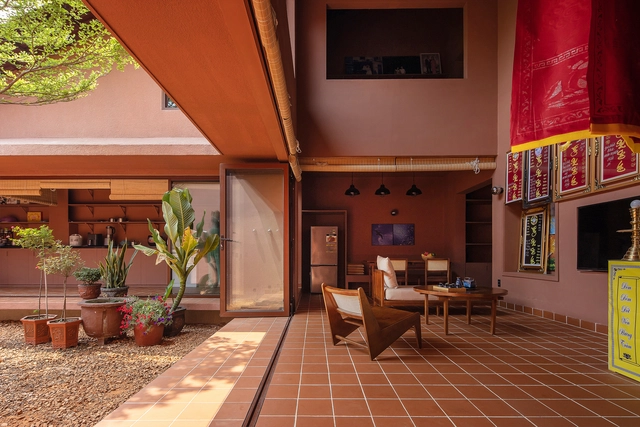
Inhabiting a Layered Past: How Contemporary Design Is Transforming Colonial Houses in Mérida, Mexico

Subscriber Access | 

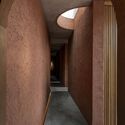
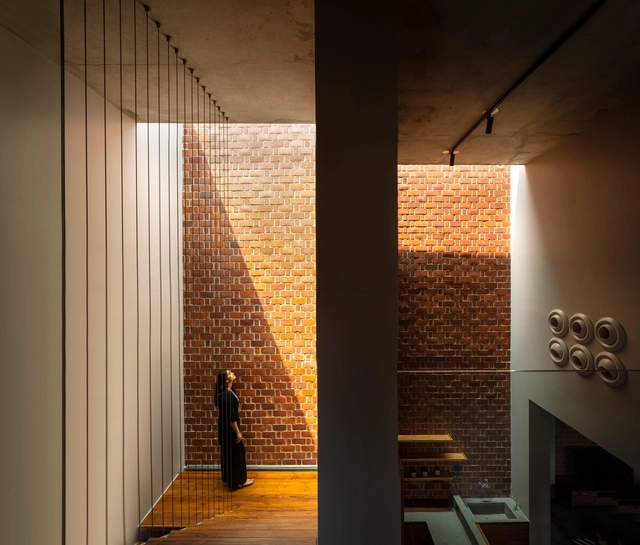
In the pursuit of connecting with the architectural traditions of cities and integrating their natural environments into design projects, the contemporary reinterpretation of colonial homes in Mexico faces the challenge of enhancing the contrast between the old and the new. Through the conservation of historical elements, the reuse of materials, and the fusion with contemporary design, the architecture of Mérida recognizes in its original colonial configuration new opportunities to create spaces in line with today’s demands. From achieving a direct connection with nature to naturally lighting and ventilating interior spaces, numerous ancient constructions, whether in ruins or not, choose to highlight their architecture by giving them a new life.

Inhabiting a Layered Past: How Contemporary Design Is Transforming Colonial Houses in Mérida, Mexico - Image 1 of 4Inhabiting a Layered Past: How Contemporary Design Is Transforming Colonial Houses in Mérida, Mexico - Image 2 of 4Inhabiting a Layered Past: How Contemporary Design Is Transforming Colonial Houses in Mérida, Mexico - Image 3 of 4Inhabiting a Layered Past: How Contemporary Design Is Transforming Colonial Houses in Mérida, Mexico - Image 4 of 4Inhabiting a Layered Past: How Contemporary Design Is Transforming Colonial Houses in Mérida, Mexico - More Images+ 26

Overprovision: Exploring Purposefully Wasteful Spaces in Residential Design

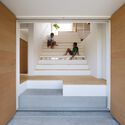
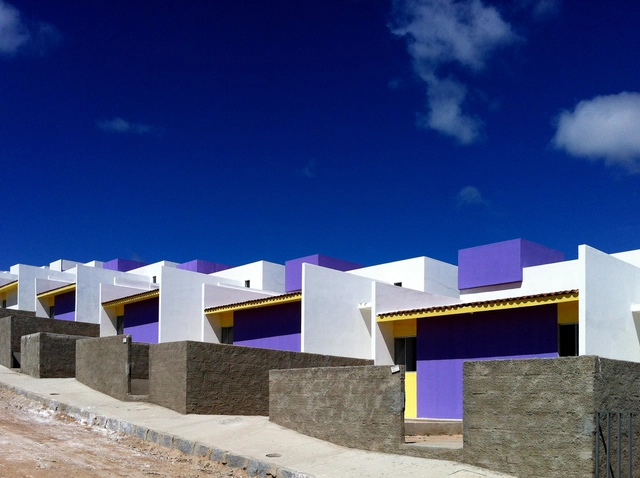
Overprovision can be seen as an architecture strategy through the lens of resilience—making spaces adaptable to changes, reinterpretations, and future needs. However, could overprovision also offer a productive lens for rethinking spatial design? Are there parallels in architectural theory or practice that align with this concept, as explored by notable figures in the discourse on space?

This question becomes particularly relevant in residential design, especially in regions like Hong Kong or Tokyo, where the demand to maximize space is a cultural and practical norm. Designers are frequently tasked with "making use of every inch" for storage or function, reflecting a tendency among residents to accumulate belongings disproportionate to their living spaces. 
Overprovision: Exploring Purposefully Wasteful Spaces in Residential Design - Image 1 of 4Overprovision: Exploring Purposefully Wasteful Spaces in Residential Design - Image 2 of 4Overprovision: Exploring Purposefully Wasteful Spaces in Residential Design - Image 3 of 4Overprovision: Exploring Purposefully Wasteful Spaces in Residential Design - Image 4 of 4Overprovision: Exploring Purposefully Wasteful Spaces in Residential Design - More Images+ 12

Houses in Argentina: Green Roofs That Blend Architecture and Landscape

Subscriber Access | 

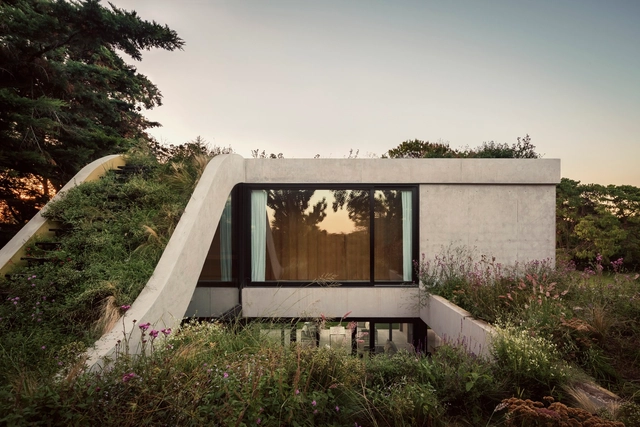
Seeking to create a fluid dialogue between architecture and its surrounding landscape, the study of topography embodies an awareness and exploration of the use of materials, self-sufficient strategies, low-maintenance solutions, and landscape designs that integrate into the natural environment and minimize the environmental impact of projects. Beyond recording variations in elevation, sun orientation, prevailing winds, or drainage slopes of the terrain, several architects in Argentina demonstrate a strong interest in developing architectural solutions capable of adapting to natural geographies and restoring the bond between nature and the human being.

Houses in Argentina: Green Roofs That Blend Architecture and Landscape - Image 1 of 4Houses in Argentina: Green Roofs That Blend Architecture and Landscape - Image 2 of 4Houses in Argentina: Green Roofs That Blend Architecture and Landscape - Image 3 of 4Houses in Argentina: Green Roofs That Blend Architecture and Landscape - Image 4 of 4Houses in Argentina: Green Roofs That Blend Architecture and Landscape - More Images+ 14

Living Together: 8 Conceptual Projects Rethinking Collective Housing in Sites from Tehran to Tirana

Subscriber Access | 

Collective living continues to be a central theme in contemporary housing discourse, one that extends beyond questions of density or typology to engage broader concerns of land use, social cohesion, and spatial identity. This selection of conceptual unbuilt projects, submitted by the ArchDaily community, explores the potentials of shared living environments, not only as functional housing solutions but as frameworks for interaction, environmental integration, and cultural continuity. Whether in urban or remote settings, they reflect a growing interest in rethinking how domestic space can support both individual privacy and communal life.

Lesley Lokko Launches Nomadic African Studio to Lead Architecture Workshops Across Africa

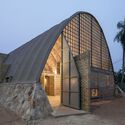
Lesley Lokko, the Scottish-Ghanaian architect, curator of the 18th Venice Architecture Biennale, and the first Black woman to receive the RIBA Royal Gold Medal, has recently launched Nomadic African Studio, an educational program for young architects. The initiative is organized by Lokko's African Futures Institute (AFI) and is inspired by her experience establishing the Biennale College Architettura in 2023, a program for graduate students, recent graduates, early-career academics, and emerging practitioners to explore new possibilities for architectural education, which has also been continued for the 2025 edition. Nomadic African Studio consists of a series of fully funded, month-long studios across the African continent, "basing locations on themes, rather than places." The first edition is set to begin in July 2025, in Fez, Morocco.

Lesley Lokko Launches Nomadic African Studio to Lead Architecture Workshops Across Africa - Image 1 of 4Lesley Lokko Launches Nomadic African Studio to Lead Architecture Workshops Across Africa - Image 2 of 4Lesley Lokko Launches Nomadic African Studio to Lead Architecture Workshops Across Africa - Image 3 of 4Lesley Lokko Launches Nomadic African Studio to Lead Architecture Workshops Across Africa - Image 4 of 4Lesley Lokko Launches Nomadic African Studio to Lead Architecture Workshops Across Africa - More Images+ 2

Living and Creating: 12 Homes with Art Studios in Latin America

Subscriber Access | 

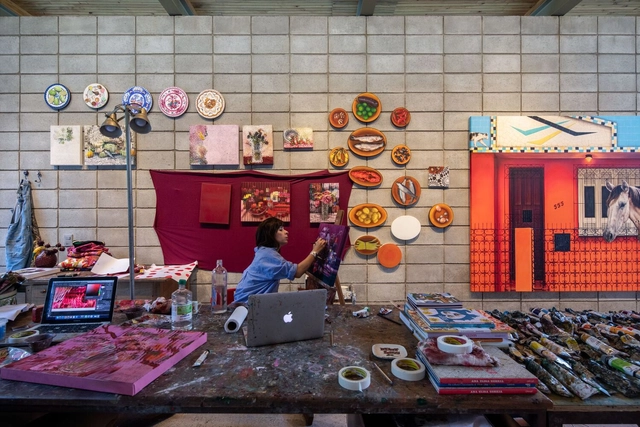
The spaces where artists create their work reveal a great deal about their creative journey—their techniques, themes, and inspirations. These places hold memories, intimacy, and emotional connections. For some artists, the studio is a secluded space, free from distractions. For others, it is a place for openness and freedom. Often, the studio becomes the home—or the home becomes the studio—blending function, desire, and necessity. Positioned at the crossroads of living and creating, leisure and work, these spaces fascinate art lovers. Many are later recreated in galleries or transformed into museums. Regardless of the artist’s fame, these spaces offer a unique look into the creative process, the artwork, and the artist's identity.

Living and Creating: 12 Homes with Art Studios in Latin America - Image 1 of 4Living and Creating: 12 Homes with Art Studios in Latin America - Image 2 of 4Living and Creating: 12 Homes with Art Studios in Latin America - Image 3 of 4Living and Creating: 12 Homes with Art Studios in Latin America - Image 4 of 4Living and Creating: 12 Homes with Art Studios in Latin America - More Images+ 12

Architecture Now: From Island Resorts to Eco-Parks, A Look at Recent Architectural Announcements from BIG, KCAP, and More

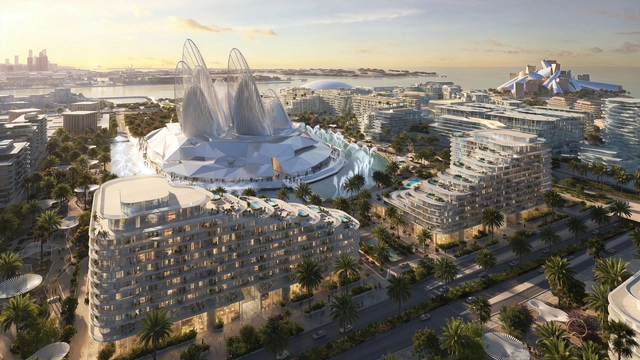
Recent architectural announcements showcase a global range of projects. This month, some of the most recognized architectural offices in the world have announced ambitious projects, some engaging with local communities, rediscovering and revitalizing existing structures, or contributing to complex architectural landscapes. Among them, BIG revealed their proposal for Saadiyat Island, a cultural district that gathers some of the world's most famous designers. Additionally, Populous revealed a new performance center, KCAP is developing a framework for an eco-industrial park, and Henley Halebrown is working to revitalize an overlooked structure in Belgium, reopening it to the local community. Read on to discover a collection of recent announcements from the architectural world, peeking into established architects' processes and recent announcements.

Architecture Now: From Island Resorts to Eco-Parks, A Look at Recent Architectural Announcements from BIG, KCAP, and More - Image 1 of 4Architecture Now: From Island Resorts to Eco-Parks, A Look at Recent Architectural Announcements from BIG, KCAP, and More - Image 2 of 4Architecture Now: From Island Resorts to Eco-Parks, A Look at Recent Architectural Announcements from BIG, KCAP, and More - Image 3 of 4Architecture Now: From Island Resorts to Eco-Parks, A Look at Recent Architectural Announcements from BIG, KCAP, and More - Image 4 of 4Architecture Now: From Island Resorts to Eco-Parks, A Look at Recent Architectural Announcements from BIG, KCAP, and More - More Images+ 22

Courtyards, Gardens, and Terraces for Seniors: Residences that Integrate Community Life into the Natural Environment

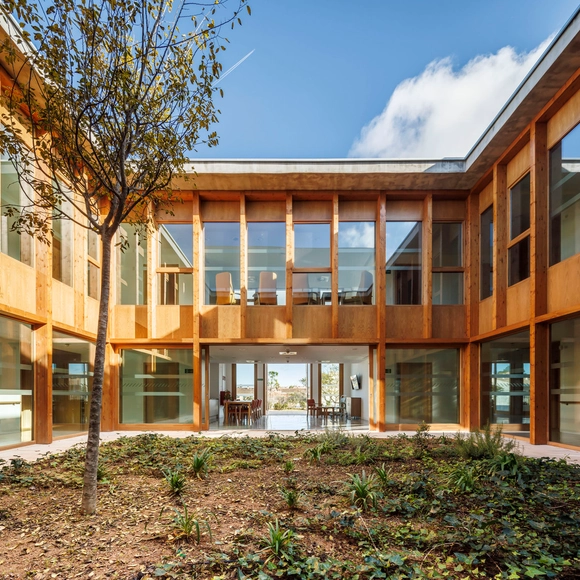
Faced with the aging of the global population, one of the most significant social transformations of the 21st century is anticipated. The design of patios, gardens, terraces, and other green areas in facilities for the elderly presents an opportunity to foster interaction, participation in various collective activities, and the establishment of gathering spaces aimed at reducing loneliness among older adults while enhancing well-being and social interaction in connection with nature. How can built environments be created to adapt to the needs of older adults?

Courtyards, Gardens, and Terraces for Seniors: Residences that Integrate Community Life into the Natural Environment - Image 1 of 4Courtyards, Gardens, and Terraces for Seniors: Residences that Integrate Community Life into the Natural Environment - Image 2 of 4Courtyards, Gardens, and Terraces for Seniors: Residences that Integrate Community Life into the Natural Environment - Image 3 of 4Courtyards, Gardens, and Terraces for Seniors: Residences that Integrate Community Life into the Natural Environment - Image 4 of 4Courtyards, Gardens, and Terraces for Seniors: Residences that Integrate Community Life into the Natural Environment - More Images+ 21

From Housing to Commerce: The Revitalization of Old Houses and Mansions

Subscriber Access | 

Throughout the city's history, buildings have changed their use and function, which is inevitable, as each era presents unique issues and requirements. Factors such as housing types, population density in specific areas, and the emergence of new businesses and services reshape the cityscape, often outpacing the adaptability of existing structures. Therefore, revitalizing or rehabilitating buildings is logical but also necessary to meet the demands of a changing landscape.

From Housing to Commerce: The Revitalization of Old Houses and Mansions - Image 1 of 4From Housing to Commerce: The Revitalization of Old Houses and Mansions - Image 2 of 4From Housing to Commerce: The Revitalization of Old Houses and Mansions - Image 3 of 4From Housing to Commerce: The Revitalization of Old Houses and Mansions - Image 4 of 4From Housing to Commerce: The Revitalization of Old Houses and Mansions - More Images+ 10

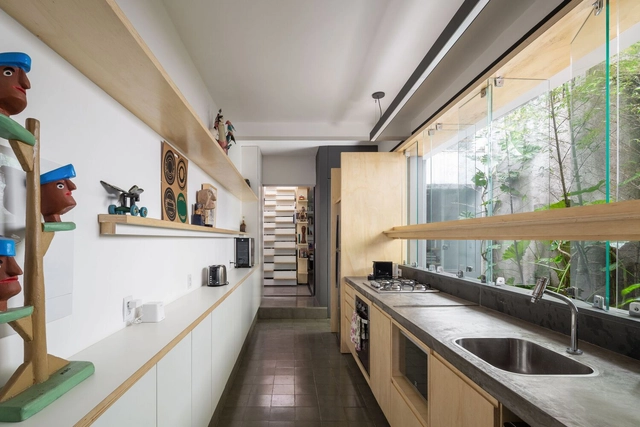
Not Every Kitchen Needs to Be Integrated: Advantages of Closed Kitchens

Subscriber Access | 

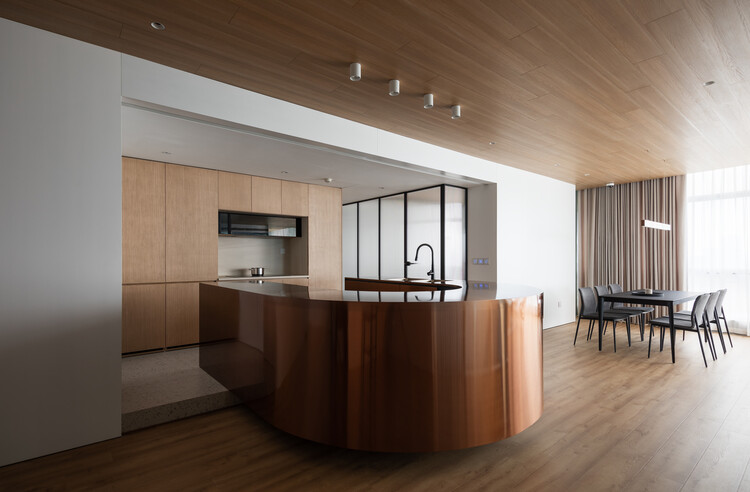
A needs program precedes every project. In certain typologies, specific activities are inherently linked to them. A meeting room in a corporate office, a collection in a museum, and bedrooms in a residence: the latter has a relatively well-defined basic needs program: bedrooms, living room, bathrooms, and kitchen. The size and arrangement of these elements in the space depend on various factors, but a house typically includes some combination of these essential components.

Not Every Kitchen Needs to Be Integrated: Advantages of Closed Kitchens - Image 1 of 4Not Every Kitchen Needs to Be Integrated: Advantages of Closed Kitchens - Image 2 of 4Not Every Kitchen Needs to Be Integrated: Advantages of Closed Kitchens - Image 3 of 4Not Every Kitchen Needs to Be Integrated: Advantages of Closed Kitchens - Image 4 of 4Not Every Kitchen Needs to Be Integrated: Advantages of Closed Kitchens - More Images+ 16

Daily Rituals: Home Spaces for Praying and Spiritual Connection

Subscriber Access | 

A home is a sacred realm, a place that embraces and honors a variety of emotions and sensations. As Gaston Bachelard asserts, it serves as our refuge in the world, our initial universe, a true cosmos in every sense of the term. Its intricate symbolism transcends mere functional aspects like room count or bathroom size. Entire universes find their place within its walls.

Daily Rituals: Home Spaces for Praying and Spiritual Connection - Image 1 of 4Daily Rituals: Home Spaces for Praying and Spiritual Connection - Image 2 of 4Daily Rituals: Home Spaces for Praying and Spiritual Connection - Image 3 of 4Daily Rituals: Home Spaces for Praying and Spiritual Connection - Image 4 of 4Daily Rituals: Home Spaces for Praying and Spiritual Connection - More Images+ 9

Little Big Architecture: Getting to Know Jirau’s Work

Subscriber Access | 

When it comes to architecture, scale is inevitably mentioned for graphic and two-dimensional representation of the built area, land size, and city extension. Architecture is a grand discipline with robust constructions and large areas, but the field of action is vast, encompassing "smaller" scales: essential housing, restricted land, and small cities.

Little Big Architecture: Getting to Know Jirau’s Work - Image 1 of 4Little Big Architecture: Getting to Know Jirau’s Work - Image 2 of 4Little Big Architecture: Getting to Know Jirau’s Work - Image 3 of 4Little Big Architecture: Getting to Know Jirau’s Work - Image 4 of 4Little Big Architecture: Getting to Know Jirau’s Work - More Images+ 11

“I Think of My Work as Imploding Rather than Exploding:” in Conversation with Michael Rotondi of Roto Architects

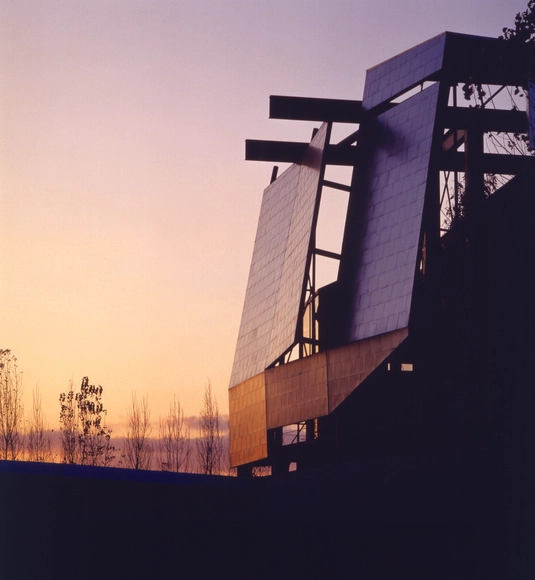
Michael Rotondi’s buildings—museums, civic centers, education facilities, monasteries, restaurants, and residences—evoke kinetic mechanisms that fold, hinge, twist, and split open. They express the architect’s feelings, thinking, and mood at the time they had been designed, and, on some occasions, during their assembly and construction. Rotondi was born in 1949 in Los Angeles.

He established his RoTo Architects, a research-based firm in his native city, in 1991 after co-heading Morphosis for 16 years with Thom Mayne. Parallel to his practicing career, the architect has been teaching and lecturing at SCI-Arc, Southern California Institute of Architecture, which he co-founded in 1972, led its graduate program from 1978-1987, and was the school’s second director for a decade from 1987 to 1997.

“I Think of My Work as Imploding Rather than Exploding:” in Conversation with Michael Rotondi of Roto Architects - Image 1 of 4“I Think of My Work as Imploding Rather than Exploding:” in Conversation with Michael Rotondi of Roto Architects - Image 2 of 4“I Think of My Work as Imploding Rather than Exploding:” in Conversation with Michael Rotondi of Roto Architects - Image 3 of 4“I Think of My Work as Imploding Rather than Exploding:” in Conversation with Michael Rotondi of Roto Architects - Image 4 of 4“I Think of My Work as Imploding Rather than Exploding:” in Conversation with Michael Rotondi of Roto Architects - More Images+ 21

BIG Reveals Concept for a Self-Sufficient Off-Grid Island for Experimental Clothing Brand in Nova Scotia, Canada

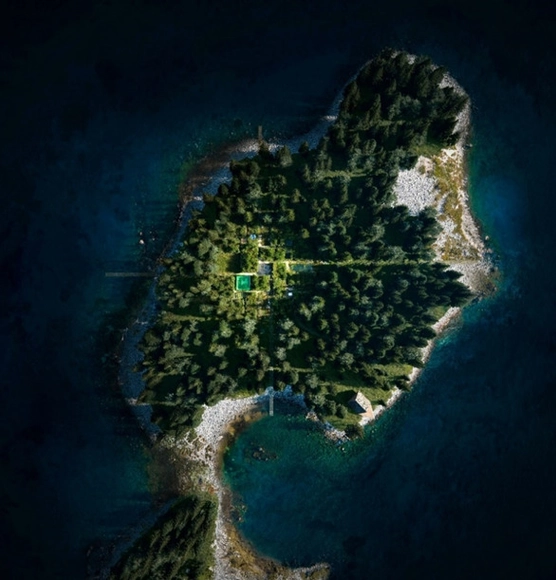
BIG has partnered with experimental clothing brand Vollebak to create the vision for a self-sufficient off-grid island in Nova Scotia, Canada. The 11-acre Vollebak Island will receive several pavilions built of natural and innovative materials such as seaweed, hempcrete, and 3D-printed concrete, all powered by carbon-neutral energy. The island, located in Jeddore Harbor, one quarter off the Nova Scotia mainland, will be auctioned via Sotheby’s Concierge Auctions beginning June 8. Bidders will vie for the chance to own the island and to be granted exclusive rights to the design vision, including the planning permission for those designs.

BIG Reveals Concept for a Self-Sufficient Off-Grid Island for Experimental Clothing Brand in Nova Scotia, Canada - Image 1 of 4BIG Reveals Concept for a Self-Sufficient Off-Grid Island for Experimental Clothing Brand in Nova Scotia, Canada - Image 2 of 4BIG Reveals Concept for a Self-Sufficient Off-Grid Island for Experimental Clothing Brand in Nova Scotia, Canada - Image 3 of 4BIG Reveals Concept for a Self-Sufficient Off-Grid Island for Experimental Clothing Brand in Nova Scotia, Canada - Image 4 of 4BIG Reveals Concept for a Self-Sufficient Off-Grid Island for Experimental Clothing Brand in Nova Scotia, Canada - More Images+ 4

Brazilian Houses: Different Functions for the Backyard

Subscriber Access | 

In tropical countries like Brazil, external areas are highly valued in residential projects. The backyards are used differently and configured according to the architectural project. Whether large or small, landscaped, with a pool, or equipped with other features, Brazilian families seek to make the most of their outdoor areas when possible.

Brazilian Houses: Different Functions for the Backyard - Image 1 of 4Brazilian Houses: Different Functions for the Backyard - Image 2 of 4Brazilian Houses: Different Functions for the Backyard - Image 3 of 4Brazilian Houses: Different Functions for the Backyard - Image 4 of 4Brazilian Houses: Different Functions for the Backyard - More Images+ 13

Uncoated: 11 Apartments With Visible Structure

Subscriber Access | 

Housing is one of the primary aspects of the architecture profession. There are many ways to explore it, from a subordinate program such as a religious cloister to the splendor of a single-family home. Luis Fernández-Galiano is torn between the "waste" of a low-density area in this type of housing and its seductive formal charm. He reminds us that high-density collective housing, such as apartments, makes more sense in an urban context.

Uncoated: 11 Apartments With Visible Structure - Image 1 of 4Uncoated: 11 Apartments With Visible Structure - Image 2 of 4Uncoated: 11 Apartments With Visible Structure - Image 3 of 4Uncoated: 11 Apartments With Visible Structure - Image 4 of 4Uncoated: 11 Apartments With Visible Structure - More Images+ 22

Ideas for Residential Backhouses and Annexes

Subscriber Access | 

Guest rooms, BBQ areas, party areas, and even libraries – a backhouse can have many uses. Common in many townhouses, this is a unique part of a residence that presents a certain freedom regarding the main program, which can be explored both with diverse uses and through the constructive solutions employed.

Ideas for Residential Backhouses and Annexes - Image 1 of 4Ideas for Residential Backhouses and Annexes - Image 2 of 4Ideas for Residential Backhouses and Annexes - Image 3 of 4Ideas for Residential Backhouses and Annexes - Image 4 of 4Ideas for Residential Backhouses and Annexes - More Images+ 6

Campos Polanco: A New Tourism Concept With Different Typologies Of Residences In Mexico City

Subscriber Access | 

As part of a new concept that offers a proposal of tourism and rest, in an art deco building, Campos Polanco opened its doors in September of this year. Located in front of the Garden of the Republic of Lebanon on one side of the Chapultepec Forest in Mexico City, the project puts in place 12 suites created for executives and digital nomads looking to get away from chain hotels to immerse themselves in the local culture in one of the most exclusive areas of the city.