1. ArchDaily
  2. Real Estate

Real Estate: The Latest Architecture and News

Podium–Tower Urbanism in Southeast Asia: Density, Management, and the Disappearing Street

Subscriber Access | 

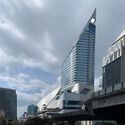
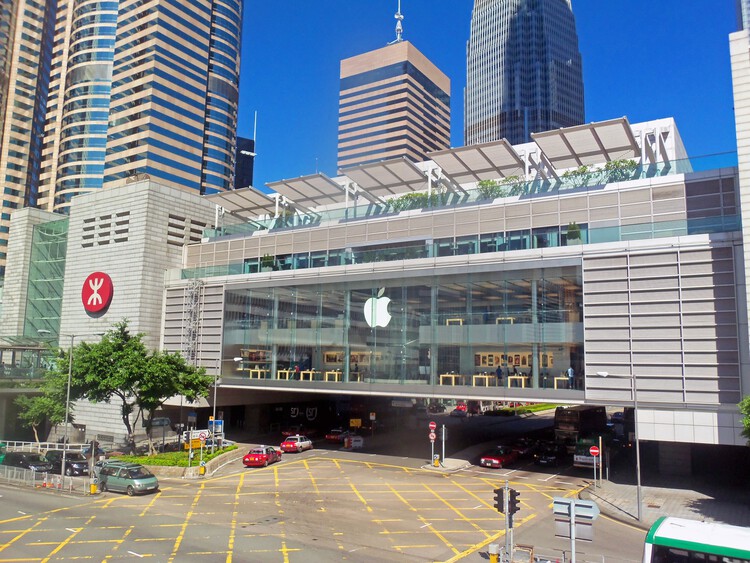
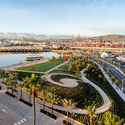
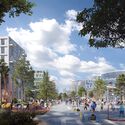
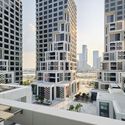
If elevated networks reveal a city that increasingly walks above the street, the podium–tower is the typology that often makes that condition feel inevitable. Across Southeast Asia, podium–tower projects have become one of the dominant languages of metropolitan growth: a system that concentrates housing, jobs, retail, and transit connections into highly legible and managed parcels. From an urban planning perspective, the model can be remarkably effective—absorbing congestion, formalizing circulation, and delivering density quickly. Yet as it spreads, the typology also raises a quieter question: what does it optimize for, and what does it erode—especially at the level of the street, where urban life is meant to be negotiated rather than curated?

At its simplest, the podium–tower is a hybrid structure consisting of a high-coverage, low-rise podium supporting one or more slender vertical towers. The podium typically carries the logistical and commercial weight of the development—retail, parking, loading, drop-offs, back-of-house services, and often amenity decks—while the tower stacks private programs above, whether residential, office, hotel, or mixed use. The promise is twofold: maximize urban density while maintaining a "human-scaled" street wall, and separate the messy logistics of city life from the quieter domain of living and work.
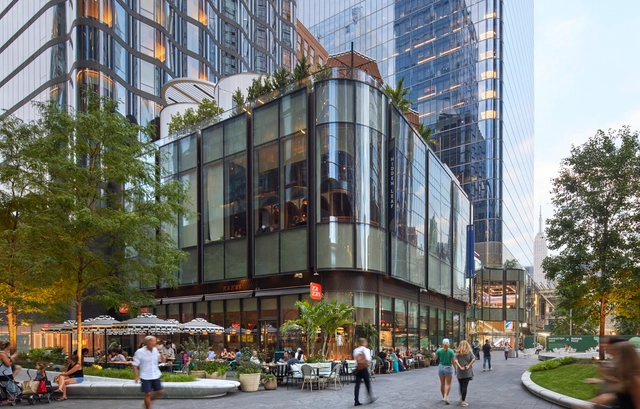
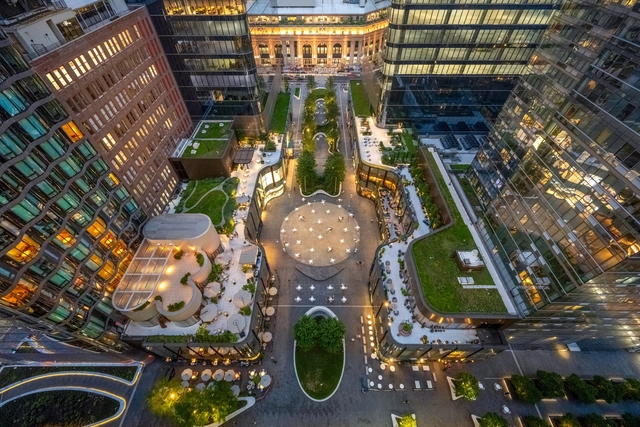
Podium–Tower Urbanism in Southeast Asia: Density, Management, and the Disappearing Street - Image 1 of 4Podium–Tower Urbanism in Southeast Asia: Density, Management, and the Disappearing Street - Image 2 of 4Podium–Tower Urbanism in Southeast Asia: Density, Management, and the Disappearing Street - Image 3 of 4Podium–Tower Urbanism in Southeast Asia: Density, Management, and the Disappearing Street - Image 4 of 4Podium–Tower Urbanism in Southeast Asia: Density, Management, and the Disappearing Street - More Images+ 14

"Luxury Without Context Is Just Excess": Elisa Orlanski Ours on Bridging Design Vision with Market Realities

Subscriber Access | 

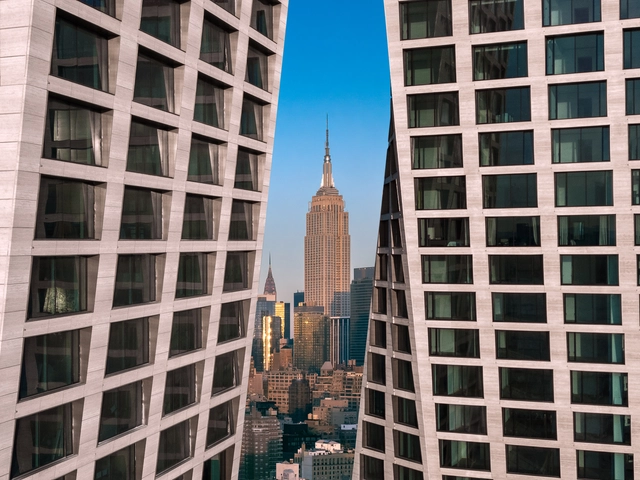
In the complex ecosystem of architectural development, where innovative concepts meet market realities, a distinct role exists to bridge diverse professional interests and realize impactful spaces. Elisa Orlanski Ours exemplifies this function. This is the domain of Elisa Orlanski Ours, a designer, educator, and industry leader. As Chief Planning & Design Officer at Corcoran Sunshine Marketing Group, Elisa founded her department two decades ago. Now, her extensive portfolio spans condominium skyscraper master plans and individual branded villas across continents, including significant New York City developments like Hudson Yards and 220 Central Park South, as well as international developments in collaboration with prominent architectural firms like SHoP Architects, BIG, Herzog & de Meuron, Adjaye Associates, and SO-IL. Her strategic perspective on bringing projects from schematic phase to final sale provides valuable insights into the industry's intricate workings. ArchDaily's Managing Editor, Maria-Cristina Florian, had the opportunity to discuss these critical topics with Elisa in the following interview.
"Luxury Without Context Is Just Excess": Elisa Orlanski Ours on Bridging Design Vision with Market Realities - Image 1 of 4"Luxury Without Context Is Just Excess": Elisa Orlanski Ours on Bridging Design Vision with Market Realities - Image 2 of 4"Luxury Without Context Is Just Excess": Elisa Orlanski Ours on Bridging Design Vision with Market Realities - Image 3 of 4"Luxury Without Context Is Just Excess": Elisa Orlanski Ours on Bridging Design Vision with Market Realities - Image 4 of 4Luxury Without Context Is Just Excess: Elisa Orlanski Ours on Bridging Design Vision with Market Realities - More Images+ 31

The Rise of Co-Living Spaces for Young Professionals in East Asia: 5 Projects Redefining Flexible Living

Subscriber Access | 

Co-living in East Asia has been rising since 2020, rapidly expanding while remaining in its early stages. At the same time, it continues to fulfill a significant demand from young professionals working in major cities. A 2020 study by real estate services firm JLL highlighted the growing demand for co-living in China and Singapore, citing key advantages such as affordability compared to private studio apartments and a contemporary urban lifestyle that fosters openness and shared experiences. Much like other industries where ownership is becoming less relevant—such as streaming services for music, films, and television, or mobility solutions like car- and bike-sharing—co-living appeals to a similar demographic that values flexibility and access over long-term commitments.

Unlike co-living initiatives in Spain, which often focus on multigenerational shared spaces, East Asian co-living primarily targets young professionals with dynamic career paths. Often required to relocate every few years, these individuals prioritize convenience and adaptability over investing in a permanent home. For them, committing to a long-term residence may not be practical, making fully furnished, professionally managed co-living spaces with built-in amenities and hygiene services an attractive option. These environments cater to fast-paced urban lifestyles, where networking at professional events often precedes solitary downtime at home.

The Rise of Co-Living Spaces for Young Professionals in East Asia: 5 Projects Redefining Flexible Living  - Image 1 of 4The Rise of Co-Living Spaces for Young Professionals in East Asia: 5 Projects Redefining Flexible Living  - Image 2 of 4The Rise of Co-Living Spaces for Young Professionals in East Asia: 5 Projects Redefining Flexible Living  - Image 3 of 4The Rise of Co-Living Spaces for Young Professionals in East Asia: 5 Projects Redefining Flexible Living  - Image 4 of 4The Rise of Co-Living Spaces for Young Professionals in East Asia: 5 Projects Redefining Flexible Living  - More Images+ 26

Got What It Takes to Reimagine Real Estate and Urban Life, the Harvard Way?

 | Sponsored Content

The Advanced Management Development Program (AMDP) stands as Harvard's premier leadership program for seasoned real estate professionals and executives, offering a unique opportunity to reshape perspectives on the evolving built environment. Tailored for high-level practitioners and firm leaders, the program spans just one year, with five weeks spent on Harvard's campus, culminating in the coveted title of Harvard alum. As one recent graduate aptly put it, "I would describe the program as a crash course in how to think differently and most importantly a chance to meet inspiring classmates who are looking to do the same thing."

Maximized Density: How Co-Living Spaces Do More with Less

Rising populations and soaring real estate prices pose significant challenged to urban housing. In a desperate hunt for affordable living options, communal co-living spaces have emerged as a creative solution, offering quality living conditions through clever space optimization strategies. By implementing innovative design techniques, these shared living communities maximize every square foot to create functional spaces within compact footprints.

Maximized Density: How Co-Living Spaces Do More with Less - Image 1 of 4Maximized Density: How Co-Living Spaces Do More with Less - Image 2 of 4Maximized Density: How Co-Living Spaces Do More with Less - Image 3 of 4Maximized Density: How Co-Living Spaces Do More with Less - Image 4 of 4Maximized Density: How Co-Living Spaces Do More with Less - More Images+ 1

Architecture for Public Health: A Joint Approach to Sustainability and Wellness

Subscriber Access | 

The built environment significantly impacts public health, yet its potential as a tool for health promotion remains largely unrecognized. Historically, architects and urban planners have explored the connections between design and health, identifying foundational factors that improve a building's health performance. Built environment professionals possess compelling evidence on how spatial interventions can improve health outcomes, yet health practitioners often lack this perspective. Breaking down these silos is essential in the creation of spaces that promote occupant well-being.

Architecture for Public Health: A Joint Approach to Sustainability and Wellness - Image 1 of 4Architecture for Public Health: A Joint Approach to Sustainability and Wellness - Image 2 of 4Architecture for Public Health: A Joint Approach to Sustainability and Wellness - Image 3 of 4Architecture for Public Health: A Joint Approach to Sustainability and Wellness - Image 4 of 4Architecture for Public Health: A Joint Approach to Sustainability and Wellness - More Images+ 1

Air Rights Explained: Balancing Private Gain with Public Good

Subscriber Access | 

Air rights transactions have become essential in urban development, allowing cities to grow vertically while preserving limited land resources. Typically defined as the right to use or sell the space above a property, air rights enable property owners to transfer unused floor area ratio (FAR) to neighboring parcels, creating increased density and financial gain opportunities. However, the definition can vary based on locality and region, as each country interprets air rights and the ability to build or transfer them differently. As urban centers face mounting pressures from limited land supply and population growth, air rights continue to offer a creative solution that fosters architectural innovation and economic efficiency.

Air Rights Explained: Balancing Private Gain with Public Good - Image 1 of 4Air Rights Explained: Balancing Private Gain with Public Good - Image 2 of 4Air Rights Explained: Balancing Private Gain with Public Good - Image 3 of 4Air Rights Explained: Balancing Private Gain with Public Good - Image 4 of 4Air Rights Explained: Balancing Private Gain with Public Good - More Images+ 9

The Triple Bottom Line in Architecture: Developing Properties for People, Planet, and Profit

Prioritizing people and the planet, when it comes to building construction and real estate development, is being seen as more than an ethical mandate - it is a highly profitable approach. Changing market demands, city ordinances, and regulations, and an emphasis on Environmental, Social, and Governance (ESG) factors are all influencing what successful development in the 21st century stands for.

In Toronto, Canada, the ongoing Downsview Airport redevelopment project showcases this mindset in practice. While traditional development has generally focused on maximizing short-term returns, the Downsview project offers a holistic alternative that can invite significant long-term profits, all while addressing broader societal and environmental concerns.

The Triple Bottom Line in Architecture: Developing Properties for People, Planet, and Profit - Image 1 of 4The Triple Bottom Line in Architecture: Developing Properties for People, Planet, and Profit - Image 2 of 4The Triple Bottom Line in Architecture: Developing Properties for People, Planet, and Profit - Image 3 of 4The Triple Bottom Line in Architecture: Developing Properties for People, Planet, and Profit - Image 4 of 4The Triple Bottom Line in Architecture: Developing Properties for People, Planet, and Profit - More Images+ 2

Urban Living in the United States: How Exclusive Residential Developments are Redefining Homeownership

Subscriber Access | 

New developments, companies, start-ups in the real estate industry are transforming perceptions and needs around home ownership and rental experiences. In a society where home ownership is attributed to personal success, innovations in the residential rental market seek to enhance the appeal of renting. Evolving consumer needs are resulting in a trend of exclusive, community-focused living models. This shift is redefining how people view their living spaces, interact with their communities, and perceive the value of their homes.

Urban Living in the United States: How Exclusive Residential Developments are Redefining Homeownership - Image 6 of 4Urban Living in the United States: How Exclusive Residential Developments are Redefining Homeownership - Image 1 of 4Urban Living in the United States: How Exclusive Residential Developments are Redefining Homeownership - Image 2 of 4Urban Living in the United States: How Exclusive Residential Developments are Redefining Homeownership - Image 3 of 4Urban Living in the United States: How Exclusive Residential Developments are Redefining Homeownership - More Images+ 2

Branded Residences: Blending Luxury Hospitality with Residential Architecture

Subscriber Access | 

Metropolitan cityscapes come with the appeal of sophistication, luxury, and exclusivity. Their glittering skylines and vibrant energy attract thousands of tourists and residents seeking luxurious experiences every year. Catering to this market, several renowned brands and real estate firms have teamed up to offer "branded residences" – a modern typology that elevates hotel-like living into a daily delight.

The concept of branded residences can be traced back nearly a century to 1927 when New York City's Sherry-Netherland Hotel and Apartments joined forces with the famous Sherry's restaurant. Over the past decade, the trend has witnessed a 230% growth with over 580 developments from 133 brands equating to nearly 100,000 residential units established worldwide. The drive for this demand goes beyond aesthetics and architectural grandeur. World-class services and amenities such as spas, fitness centers, private cinemas, and concierge services offered by luxury housing developments build on a sense of indulgence.

Branded Residences: Blending Luxury Hospitality with Residential Architecture - Image 1 of 4Branded Residences: Blending Luxury Hospitality with Residential Architecture - Featured ImageBranded Residences: Blending Luxury Hospitality with Residential Architecture - Image 2 of 4Branded Residences: Blending Luxury Hospitality with Residential Architecture - Image 3 of 4Branded Residences: Blending Luxury Hospitality with Residential Architecture - More Images

The Groundscraper: A Building Typology to Decentralize Cities

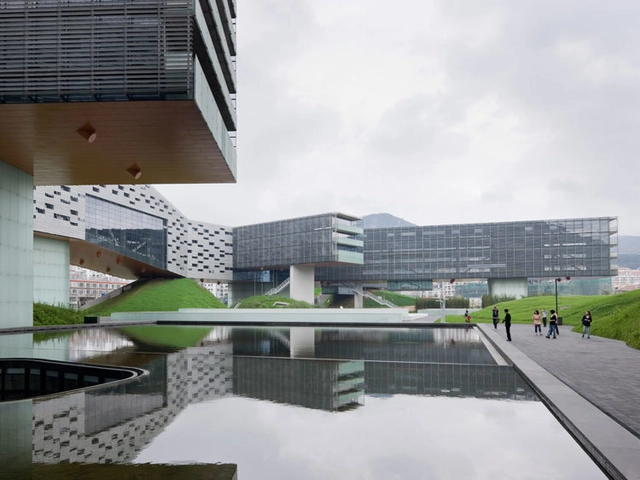
A ground scraper is essentially the opposite of a skyscraper - a large building that sprawls outward horizontally instead of soaring vertically into the sky. Though no strict definition exists, groundscrapers are generally described as extremely long but low-rise buildings with over 1 million square feet of space, sometimes called sidescrapers or landscrapers. The term came into the spotlight with Google's plans for their massive $1.3 billion London headquarters. Designed to be only 11 stories tall but over 1,000 feet long, this vast office block epitomizes using horizontal expansion to create immense space for thousands of employees.

Architecture as a Product: What Makes a Building Worth Repeating?

Architecture praxis has traditionally focused on customized, project-based services – a well-established model continually favored by industry professionals. While this approach yields remarkable built environments, it struggles to achieve scalability and longevity. The architectural industry has shown little interest in exploring alternative practices, processes and business models, considering that the traditional mode is equally vulnerable to market cycles as other industries are. Bespoke design solutions, the cornerstone of conventional practice, make standardizing processes and scaling services challenging. This focus also leads to fragmented workflows among firms and stakeholders. The stability and establishment of traditional practices can breed a risk-averse culture, hampering disruptive innovations within the industry.

Architecture as a Product: What Makes a Building Worth Repeating? - Image 1 of 4Architecture as a Product: What Makes a Building Worth Repeating? - Image 2 of 4Architecture as a Product: What Makes a Building Worth Repeating? - Image 3 of 4Architecture as a Product: What Makes a Building Worth Repeating? - Image 4 of 4Architecture as a Product: What Makes a Building Worth Repeating? - More Images+ 2

Earth Day 2024: Urban and Architectural Strategies to Navigate the Climate Crisis

Every year, Earth Day, celebrated on April 22, presents us with an opportunity to contemplate the conditions of our planet and our impact upon it. Generating around 37% of global carbon emissions, the construction industry has an important, often detrimental, role to play, thus placing an increasingly urgent responsibility on architects and builders to devise strategies for reducing this number. Still, the built environment represents the habitat for most of humanity, and so it has the potential to protect and shelter people from the risks posed by the changing climate. Read on to discover a collection of articles delving into the strategies available at urban and architectural scales for mitigating the effects of climate change and minimizing the industry’s impact upon it.

Earth Day 2024: Urban and Architectural Strategies to Navigate the Climate Crisis - Image 1 of 4Earth Day 2024: Urban and Architectural Strategies to Navigate the Climate Crisis - Image 2 of 4Earth Day 2024: Urban and Architectural Strategies to Navigate the Climate Crisis - Image 3 of 4Earth Day 2024: Urban and Architectural Strategies to Navigate the Climate Crisis - Image 4 of 4Earth Day 2024: Urban and Architectural Strategies to Navigate the Climate Crisis - More Images+ 15

Low-Cost Housing in India: A Multistakeholder Approach

Subscriber Access | 

In a nation grappling with a severe housing shortage for its economically weakest sections, the concept of "low-cost housing" has surprisingly faded from public consciousness and policy discourse. A crisis impacting millions of the nation's poorest, the need for affordable housing has become even more pressing as India's population overtakes China to emerge as the most populous nation. If left unaddressed, the housing crisis may result in mass homelessness and undignified living conditions for citizens.

Low-Cost Housing in India: A Multistakeholder Approach - Image 1 of 4Low-Cost Housing in India: A Multistakeholder Approach - Image 2 of 4Low-Cost Housing in India: A Multistakeholder Approach - Image 4 of 4Low-Cost Housing in India: A Multistakeholder Approach - Image 3 of 4Low-Cost Housing in India: A Multistakeholder Approach - More Images

Are For-Profit Developments Consistent With the Values of a Public University?

This article was originally published on Common Edge.

I am by no means an expert on public-private partnerships. But for about 10 years, as the University of California Berkeley’s campus planner and then campus architect, I watched these developments play out in higher education—sometimes from a front-row seat, sometimes as a participant. During that time, this strategy, promoted with great enthusiasm and optimism, was touted as the answer to whatever problem arose. And yet the definition of a public-private partnership was slippery. The concept itself seemed to be all things for all people, depending on what was needed, who was recommending it, and what equivalents (if any) existed outside the university. The bandwagon continues to play today, making it ever more important to nail down the pros and cons of this development strategy, not only for colleges and universities, but for all public decision-making.

Are For-Profit Developments Consistent With the Values of a Public University? - Image 1 of 4Are For-Profit Developments Consistent With the Values of a Public University? - Image 2 of 4Are For-Profit Developments Consistent With the Values of a Public University? - Image 3 of 4Are For-Profit Developments Consistent With the Values of a Public University? - Image 4 of 4Are For-Profit Developments Consistent With the Values of a Public University? - More Images

Tourism Gentrification in the United States: How Short Term Rentals Impact American Cities

Subscriber Access | 

Airbnb has undoubtedly disrupted the hospitality industry, inspiring an ecosystem of companies leveraging the sharing economy such as co-living startups. While these companies have achieved impressive financial success, they have been purported to produce problematic effects at the scale of the city. Airbnb, in particular, is alleged to have driven an increase in rental prices in cities already grappling with housing affordability challenges. Much like the case of Uber's impact on urban mobility, Airbnb's rapid growth has caused significant challenges for local governments, demanding comprehensive regulation and a re-evaluation of its functioning at the city scale.

Tourism Gentrification in the United States: How Short Term Rentals Impact American Cities  - Image 1 of 4Tourism Gentrification in the United States: How Short Term Rentals Impact American Cities  - Image 2 of 4Tourism Gentrification in the United States: How Short Term Rentals Impact American Cities  - Image 3 of 4Tourism Gentrification in the United States: How Short Term Rentals Impact American Cities  - Image 4 of 4Tourism Gentrification in the United States: How Short Term Rentals Impact American Cities  - More Images

Vacant Office Buildings in the United States: An Opportunity for Public Investment?

Subscriber Access | 

Four years after the onset of the COVID-19 pandemic, its effects are still felt in the construction and real estate sectors in the United States. Accelerated remote work and hybrid schedules are leading to a sharp decline in demand for traditional office space in cities across America. In major metros like New York and San Francisco, occupancy rates have dropped, property values have diminished and rents have fallen significantly. As architects design for the future of work, the real estate market faces divided perspectives on whether to invest in the country's growing inventory of vacant office buildings.

Embodied Carbon in Real Estate: The Hidden Contributor to Climate Change

Subscriber Access | 

The window for solving climate change is narrowing; any solution must include embodied carbon. The Sixth Assessment Report published by the IPCC (Intergovernmental Panel on Climate Change) concludes that the world can emit just 500 gigatonnes more of carbon dioxide, starting in January 2020, if we want a 50 percent chance of staying below 1.5 degrees. In 2021 alone, the world emitted about 36.3 gigatonnes of carbon, the highest amount ever recorded. We’re on track to blow through our carbon budget in the next several years. To quote the IPCC directly: “The choices and actions implemented in this decade will have impacts now and for thousands of years (high confidence).”