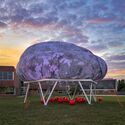
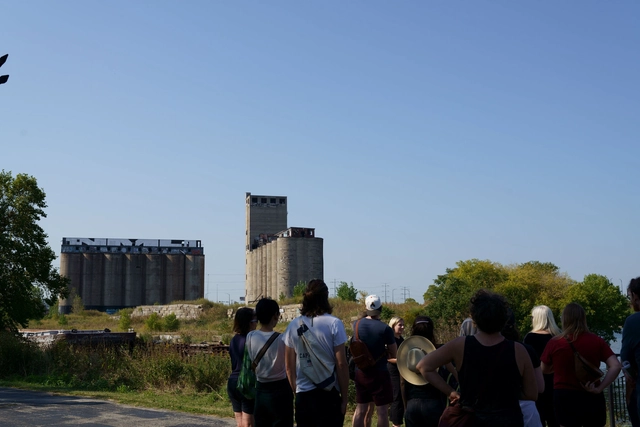
In Metropolisthis week, author Annie Howard explores Chicago's Architecture Biennial, which opened to the public on September 17th, showcasing a series of 15 site-specific interventions. Arguing that "a tour of the Damen Silos and a celebration of the Wall of Respect show a biennial struggling to achieve longer-term engagement with the city it calls home", the editor questions how much work is needed in order to make the city fully usable to its residents.
https://www.archdaily.com/971003/understanding-the-available-city-at-the-chicago-architectural-biennialAnnie Howard
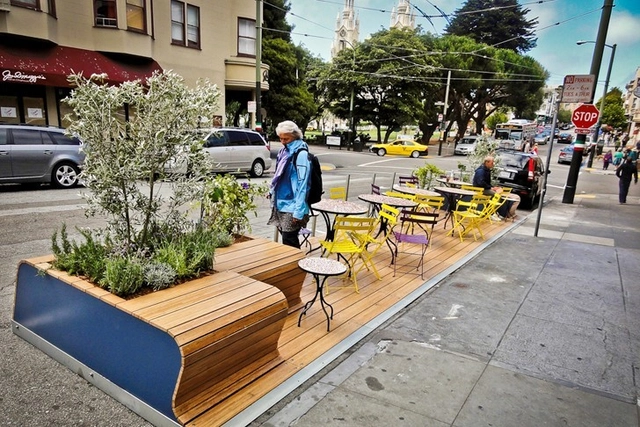
Rebar’s “walket” a prototype parklet system deployed in San Francisco’s Mission district in 2009. / Rebar. Image Courtesy of The Dirt
On a clear fall day in 2005, a group of friends and collaborators from the art collective Rebar commandeered an 8-foot-wide by 20-foot-long metered parking space in downtown San Francisco. This two-hour guerilla art installation evolved into Park(ing) Day, a global public art and design activism event that has been celebrated every year since. In 2009, Rebar and other design studios were approached by the City of San Francisco to prototype a more permanent version of Park(ing) Day. In response, we created one of the world’s first parklets in San Francisco (we called our version walklet), and through the diligent efforts of Andres Power in the Mayor’s Office and City Planning, San Francisco’s pioneering parklet program was born.
https://www.archdaily.com/968977/pandemic-era-street-spaces-parklets-patios-and-the-future-of-the-public-realmJohn Bela
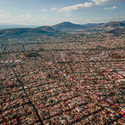
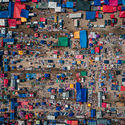
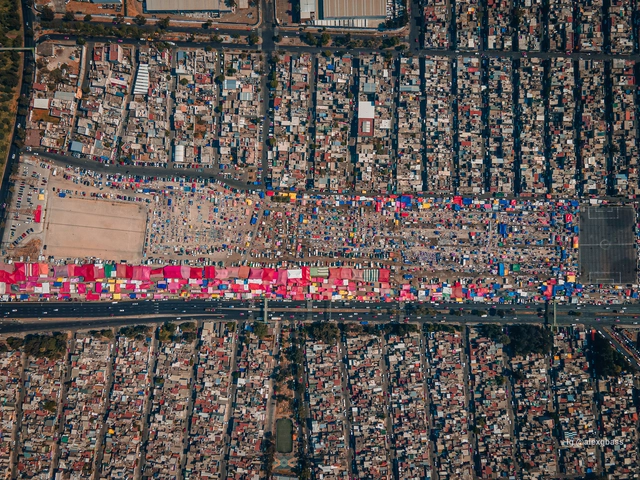
Commerce has seen many changes over the past few years, especially as people worldwide have found new ways to connect and work with one another. In spite of this rapid progress, traditional commerce and cultures remain strong in Mexico City's tianguis, derived from the Nahuatl word tianquiz(tli) for “market." These open air spaces have operated since before European invasion and colonization, when bartering was the primary means of commerce and transactions were done in large public areas like plazas and corridors. Eventually, products derived from copper and cacao became a form of currency with which to purchase basic necessities.
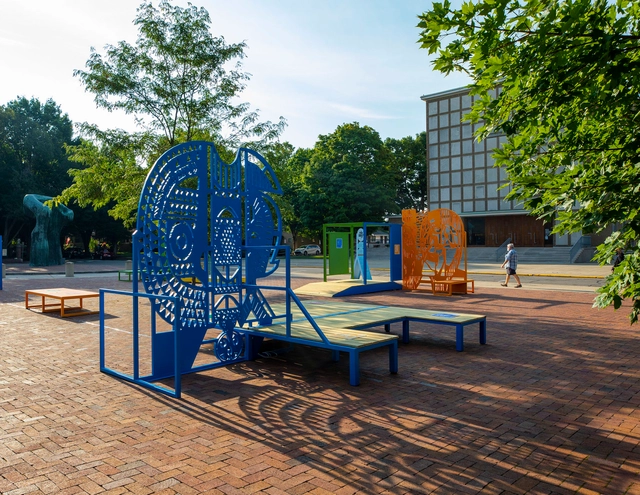
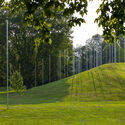
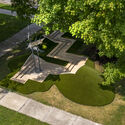
This year’s Exhibit Columbus explores the conditions of middle places as interconnections between ecosystems and the built environment through 13 temporary installations that highlight various aspects that make up the identity of the Mississippi watershed. Now at its third edition, the event builds on the Modernist cultural legacy of the Indiana city through a series of artistic and architectural explorations that activate public spaces and engage the community of Columbus.
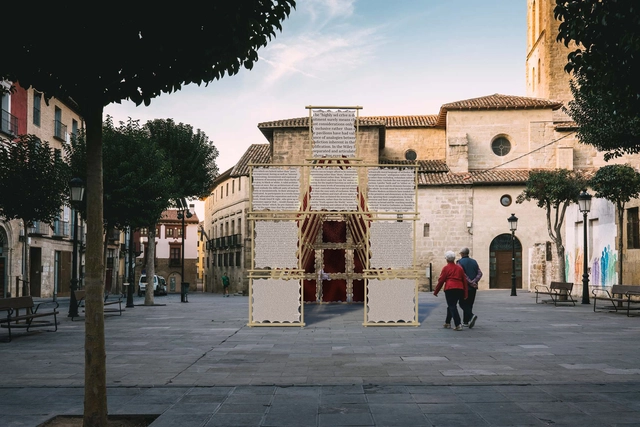
St. Bartholomew hut by Paradigma Ariadné. Image Courtesy of Concéntrico
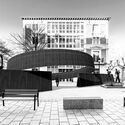
The International Architecture and Design Festival Concéntrico, now at its 7th edition, prompts an exploration of the urban environment through temporary installations inhabiting the public spaces of the city of Logroño, Spain. From September 2nd to 5th, the festival brings together an array of emerging architects and artists from all over the world to share their perspectives on urban spaces and communities.
Mogilevich’s study of how the Lindsay administration leveraged political and on-the-ground will to build pocket parks, stump for closing streets and introducing outdoor dining, and reducing racial economic inequality could point the way forward for modern architects and planners. Image Courtesy of Minnesota Press
In this week's reprint from the Architect's Newspaper, author Karen Kubey, an urbanist specializing in housing and health questions if the invention of Public Space is "Invented Or Agreed Upon?" Basing her ideas on a book by Mariana Mogilevich, The Invention of Public Space, the article asks if public spaces are a product of negotiation in the city.
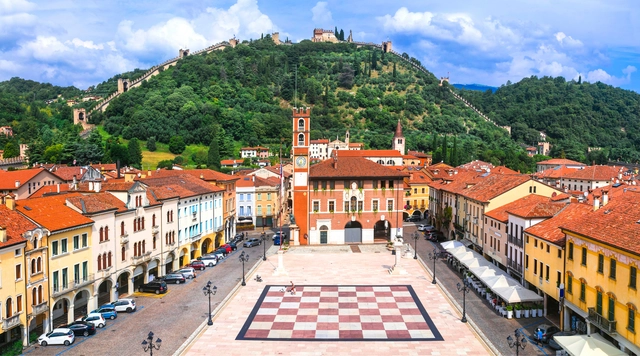
Have you ever wondered why chess sets can be found in parks and other public spaces and contemplated what their role is within these spaces? Studies have shown that sports and games work to reduce stress and improve the overall mental health of the public. Chess, one of world's most popular games, allows two people from anywhere on the globe to play regardless of language barriers, age, gender, physical ability, or social situation.
The Graceful Dancer - New Yongxin Old City’s Entertainment District. Image Courtesy of Estúdio Leonardo Zanatta
This week's curated selection of Best Unbuilt Architecture highlights public spaces and buildings submitted by the ArchDaily Community. From bridges to squares, from parks to markets and train stations, this article explores the various kinds of public infrastructure that support the urban fabric, showcasing distinct approaches worldwide.
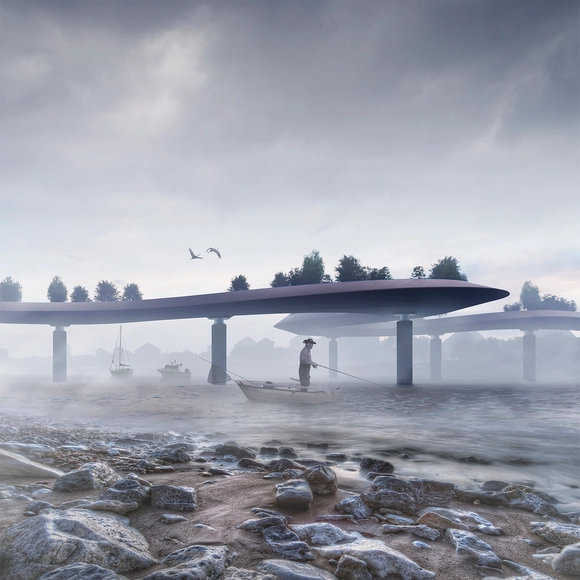
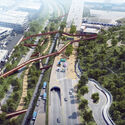
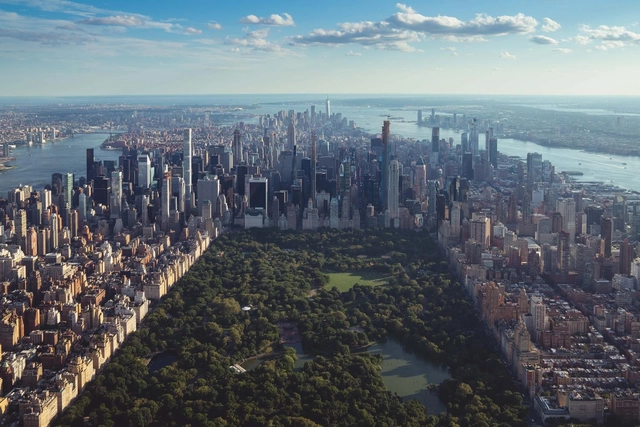
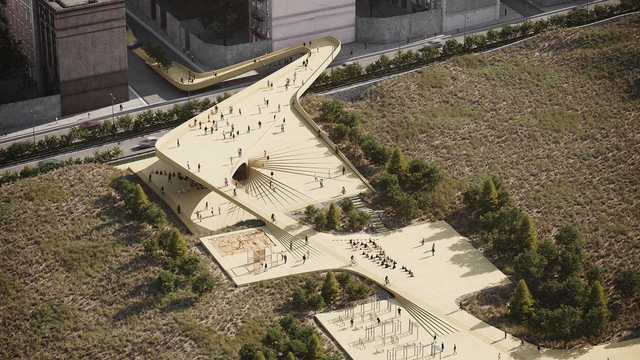
Featuring a bridge that doubles as a garden in China, the redevelopment of public spaces to meet contemporary needs in Montenegro and the Czech Republic, or a pier park in New York, the round-up spans various scales, from single architectural objects to urban strategies, to masterplans. The following projects reveal the ideas that shape public spaces and amenities in different contexts, illustrating diverse approaches towards what constitutes the backbone of the urban fabric.
Around the world, the COVID-19 pandemic exposed the fact that some of the poorest people were hit the hardest by not only the impacts the virus had on public health but also the social and economic shockwaves that came as a result. And now, as we emerge on the other side yet also enter the second wave of restrictions around the globe, urban planners and government officials are beginning to realize that the pandemic has pulled back the curtains on another inequitable feature of cities- the proximity to public parks and spaces.
This week's curated selection of Best Unbuilt Architecture highlights different competition-winning designs submitted by the ArchDaily Community. From large scale urban developments to small interventions in the landscape, from commercial projects to public spaces and urban planning strategies with an environmental focus, this article showcases a variety of design approaches, programs and scales. The proposals featured are the results of local and international competitions, either creative concepts or projects currently in progress.
The award-winning entries include a range of different projects, designed by both young architects and established firms. An adaptive reuse project for office towers in New York, the redevelopment of an industrial site in China, an abstract installation for a Russian festival, or a masterplan focused on climate resilience and ecosystems protection are a few of this week's highlights.
In a piece, originally published on Metropolis, author Lauren Gallow highlights an urban transformation in California, led by a group of local organizations and designers. The project "replaces a previously hazardous alley with play areas, public art, and native plantings", in order to reveal the untapped potential of the overlooked public realm.
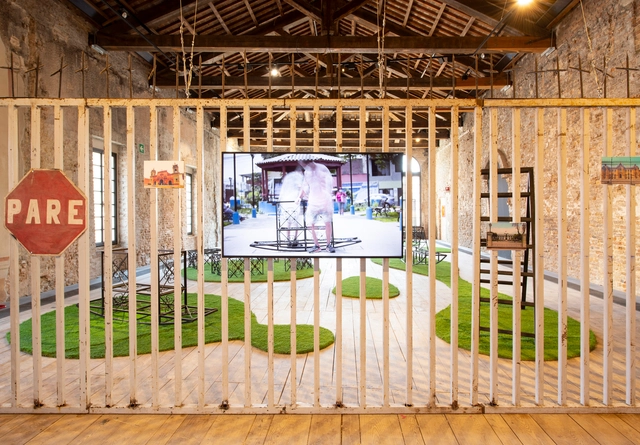
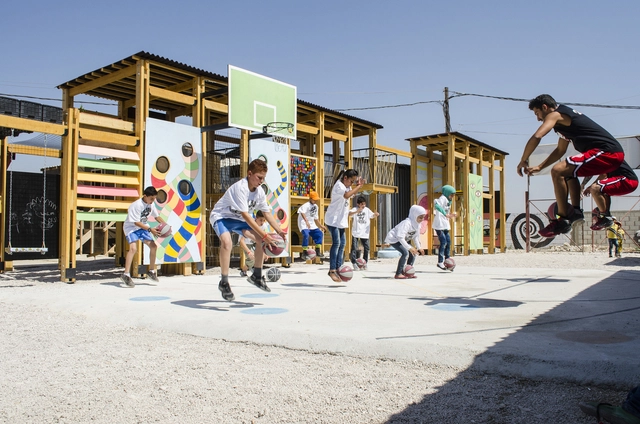
“Playground: Artifacts for Interaction”, by curator Felipe Ferrer, aims to transform the fences surrounding Peru's public spaces into tools for social integration. The project proposes removing the gates enclosing public spaces throughout Lima and Peru's other urban centers, inviting residents to freely enter and interact with the spaces. By removing these "security" mechanisms, which really serve as tools of segregation, and installing benches, playgrounds, and soccer fields, the project aims to divert all the energy, time, and resources put into installing fences and channel it into bringing new life to these public spaces.
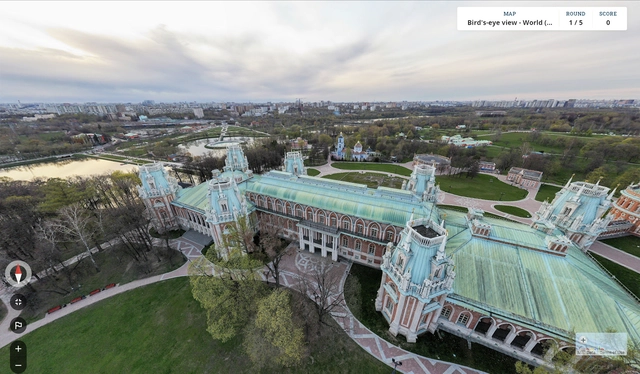
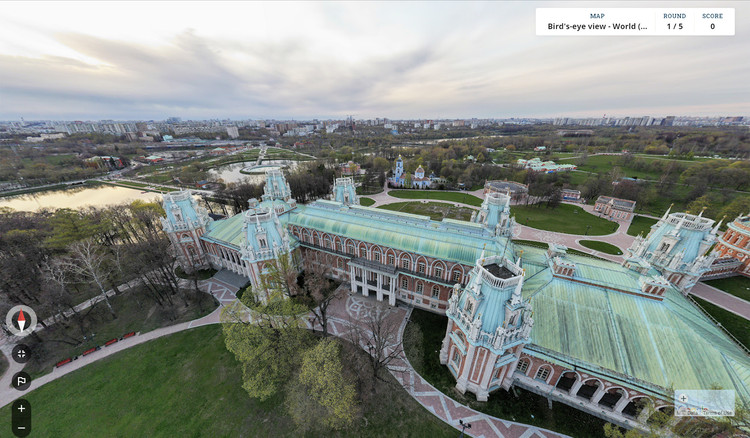
A geographic discovery game based on Google imagery, GeoGuessr requires players to guess various locations worldwide using only the clues provided by a Street view. Created in 2013, the game has taken on new relevance amidst the pandemic, as it provides a virtual travel experience. From desolate roads to famous sites, the game teases deductive reasoning, requiring players to make use of any clue, from signs, language, flags, landscape, to pinpoint their surroundings.
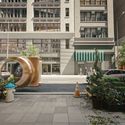
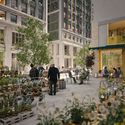
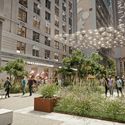
ODA has just launched its latest project, an urban vision for the future of the streets of New York. The project titled Beyond the street- Reimagining the flower district proposes to transform a city block from the outside in, altering the pedestrian experience and introducing new zoning changes that would give landowners air rights or tax credits in exchange for handing over their inner courtyards to be transformed into public/private spaces.
ArchDaily had the chance to talk with Eran Chen, founding principal and executive director of ODA, about the firm’s very special proposal that seeks to improve our urban environment. Check the interview and watch ODA’s explanatory movie.
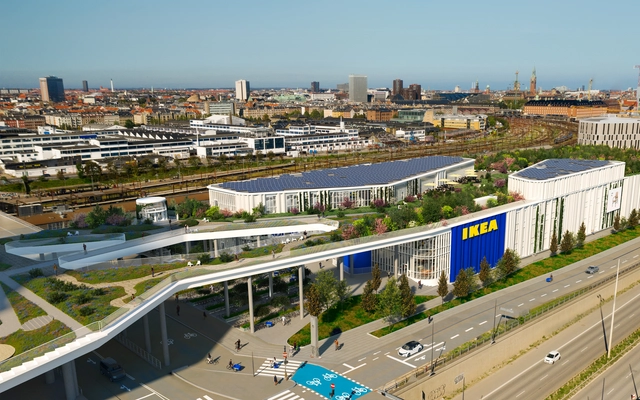
Catering to the Danish capital's aspirations regarding infrastructure and green space, the new IKEA store in Copenhagen designed by architecture studio Dorte Mandrup features a richly plated rooftop park that doubles as a new pedestrian route stretching one kilometre within Vesterbro neighbourhood. Located in one of the city's busiest area, neighbouring the central station, the historic Meatpacking District, and the inner-city harbour, the project's elevated public space offers a respite from the bustling streets, providing the area with a much needed green space.
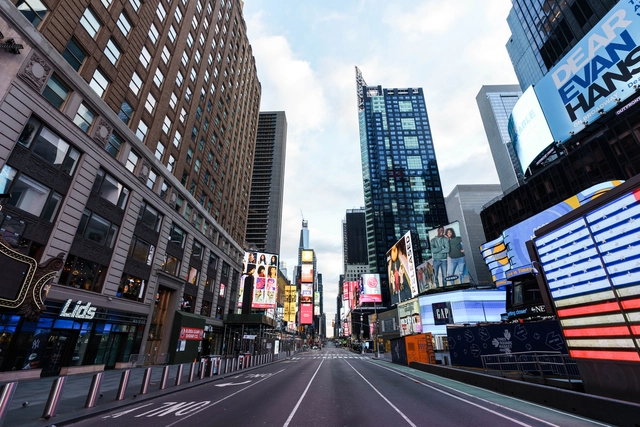
Earlier this month, New York City Mayor Bill de Blasio announced the launch of the Open Boulevards program, an initiative that would temporarily close off car traffic on boulevard segments across several blocks, expanding the public space for dining, cultural activities and artistic performances. The project builds on the successful initiatives Open streets and Open Restaurants, which transformed the city’s streetscape to better serve diners, cyclists and pedestrians amidst the pandemic.
The terms space and place are often used interchangeably, but they can mean different things depending on the context in which they are used. Placemaking shows that the creation of places transcends the material dimension and involves aspects such as sociability, uses, activities, access, connections, comfort, and image, to create bonds between people and a sense of place.




.jpg?1627416884 "© Alex González / Dronalexmx")
.jpg?1627416979 "© Alex González / Dronalexmx")