1. ArchDaily
  2. Participatory Design

Participatory Design: The Latest Architecture and News

PREVI Lima and the Politics of Resident Authorship in Social Housing

Subscriber Access | 

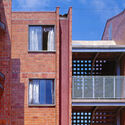
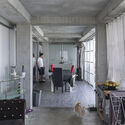
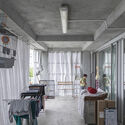
Architects are accustomed to being credited for buildings long after construction ends. Names remain attached to projects through photographs, publications, and histories, often decades after the original drawings were produced. Buildings, on the other hand, rarely remain faithful to that narrative for long. Families grow, technologies change, businesses emerge, and daily life introduces demands that no plan can fully anticipate. Over time, architecture accumulates modifications, repairs, additions, and improvisations that gradually distance it from its original form.

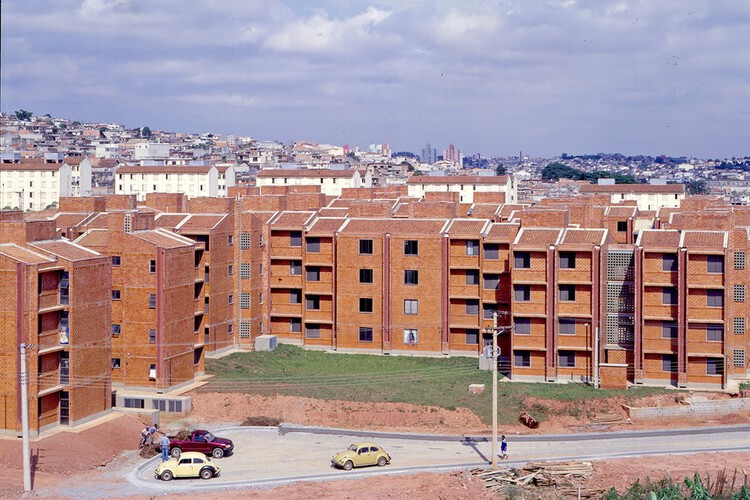
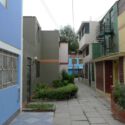
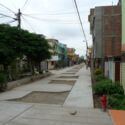
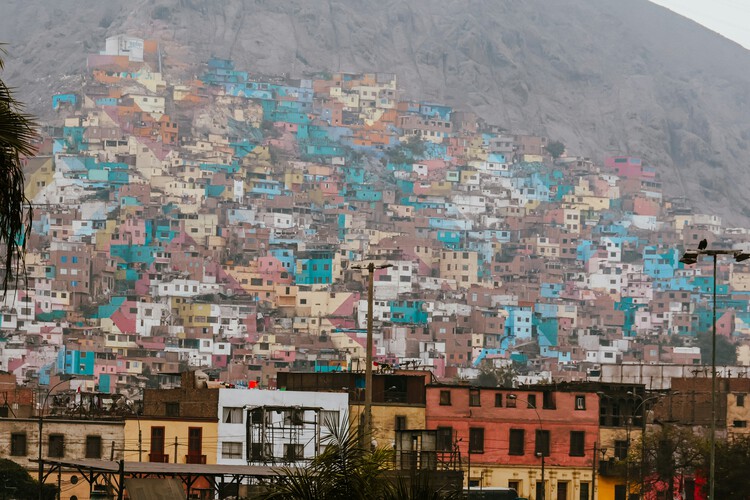
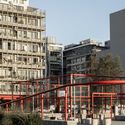
Few projects confront this question as directly as PREVI Lima. Conceived in the late 1960s as Peru's Experimental Housing Project, PREVI invited an international group of architects to develop housing prototypes capable of accommodating growth over time. The project is often remembered for its ambitious roster of designers, which included figures such as James Stirling, Aldo van Eyck, and Christopher Alexander. More than fifty years later, the neighborhood has become a record of resident decisions, revealing a form of architecture designed to remain unfinished.

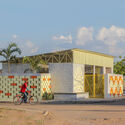
PREVI Lima and the Politics of Resident Authorship in Social Housing - Image 1 of 4PREVI Lima and the Politics of Resident Authorship in Social Housing - Image 2 of 4PREVI Lima and the Politics of Resident Authorship in Social Housing - Image 3 of 4PREVI Lima and the Politics of Resident Authorship in Social Housing - Image 4 of 4PREVI Lima and the Politics of Resident Authorship in Social Housing - More Images+ 14

When Architecture Moves: Kinetic Design and the Rituals of Space

Subscriber Access | 

For centuries, architecture has been defined by unmoving permanence. A building is assumed to be fixed, its walls and foundation immobile in space. A growing number of architects are now challenging this assumption by incorporating movement into the very fabric and tectonic structures of buildings.

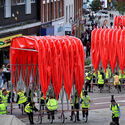
When roofs hinge, walls slide, and entire structures respond to their occupants, something remarkable happens: the architectural spaces become an active component of daily rituals. These moments of opening, closing, shifting, and translating spaces ground buildings in the present moment and demand active engagement from users. The architecture becomes less of an object or a monument and more of a choreography of participation.

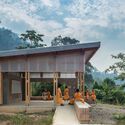
When Architecture Moves: Kinetic Design and the Rituals of Space - Image 1 of 4When Architecture Moves: Kinetic Design and the Rituals of Space - Image 2 of 4When Architecture Moves: Kinetic Design and the Rituals of Space - Image 3 of 4When Architecture Moves: Kinetic Design and the Rituals of Space - Image 4 of 4When Architecture Moves: Kinetic Design and the Rituals of Space - More Images+ 36

Architecture that Empowers Communities: The Stories Behind Francis Kéré’s Projects

Subscriber Access | 

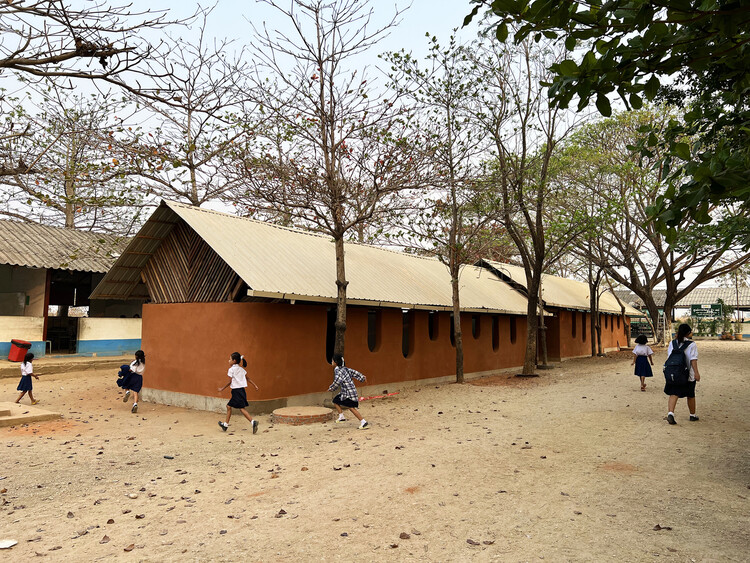
"My only concern is that my work must have a positive impact on the communities in which it is embedded," states Francis Kéré in his book Francis Kéré: Building Stories. His own life story, the context in which he was raised, and the experiences he has lived through all shape his approach to architecture. It is a commitment that extends to people and the places they call home—one that values materiality, collective learning, and the exchange of knowledge. Discovering the stories behind projects such as Primary School in Gando and Naaba Belem Goumma Secondary School inspires reflection on how to design spaces that truly serve humanity.

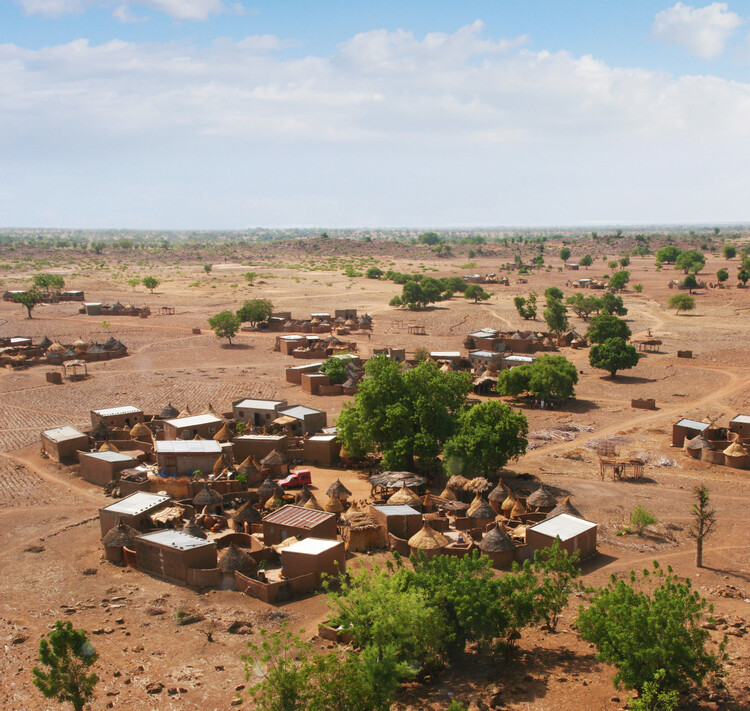
Francis Kéré's story begins in a village in sub-Saharan Africa and extends across many places. Gando was the setting of his first education, where he absorbed the essence and principles that later shaped the core values of his career alongside influences from other cultures. The structure of Gando is formed by different families who organize themselves, according to established customs, within courtyards scattered across the savanna. Growing up in this remote village in the Burkina Faso savanna fosters a strong sense of community, made tangible by the understanding that each resident of every courtyard is part of the life of the whole.

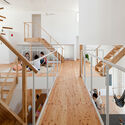
Architecture that Empowers Communities: The Stories Behind Francis Kéré’s Projects - Image 1 of 4Architecture that Empowers Communities: The Stories Behind Francis Kéré’s Projects - Image 2 of 4Architecture that Empowers Communities: The Stories Behind Francis Kéré’s Projects - Image 3 of 4Architecture that Empowers Communities: The Stories Behind Francis Kéré’s Projects - Image 4 of 4Architecture that Empowers Communities: The Stories Behind Francis Kéré’s Projects - More Images+ 25

Public Space in Use: Región Austral and the Architecture of Everyday Life

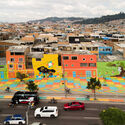
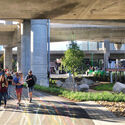
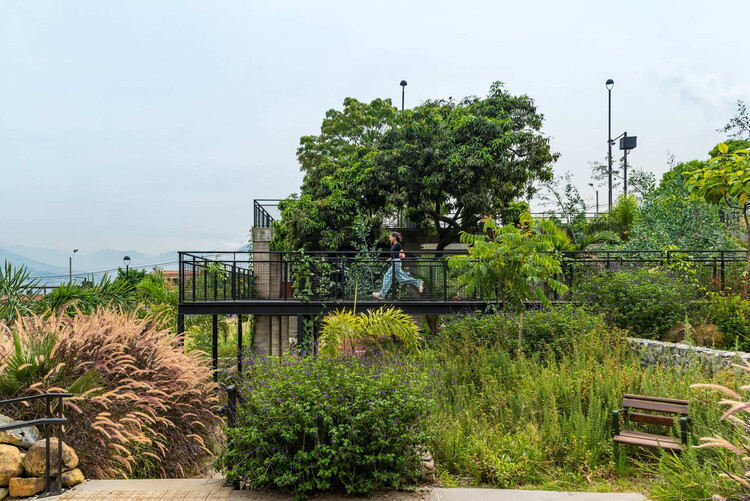
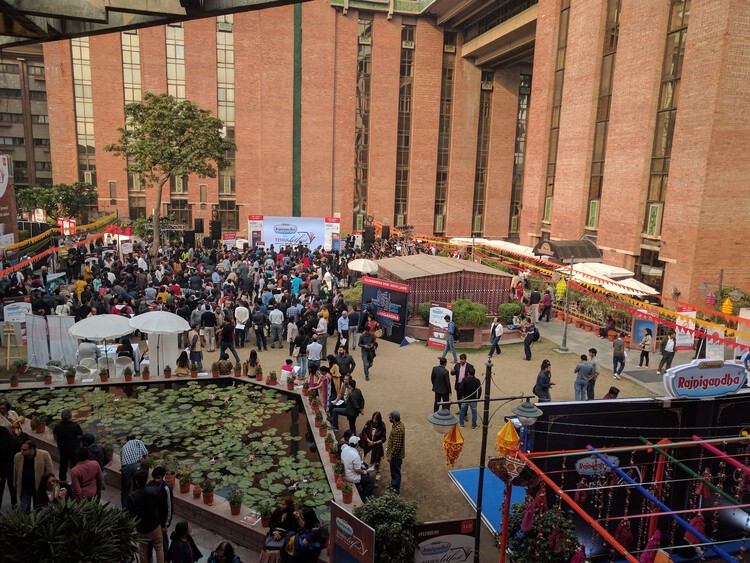
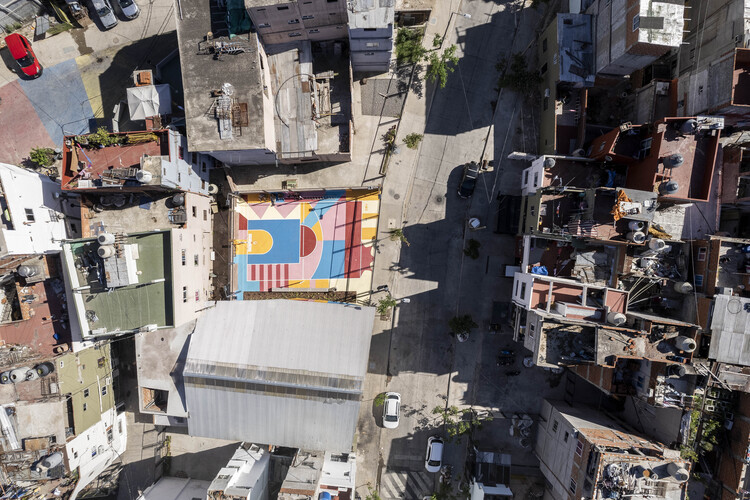
Architecture is often evaluated through what gets built. But in many cases, what matters happens after: how spaces are used, adapted, and made part of everyday life. For Región Austral, winner of ArchDaily's 2025 Next Practices Awards, this is where design really begins. Working across many contexts, the practice approaches public space not as a single object, but as something that needs to be activated, negotiated, and sustained over time. Their projects focus less on defining form and more on creating the conditions for use, with design serving as the starting point.

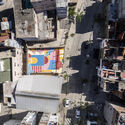
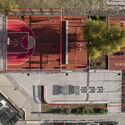
This approach can be seen across different contexts, from the Olympic Neighborhood Square to the Playón de Chacarita network. While each project responds to a specific situation, both explore how public space can support collective life in areas marked by fragmentation and inequality. Instead of following a predefined approach, the work adapts to different urban conditions, using participation and incremental strategies to shape how spaces function over time.

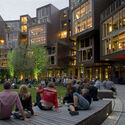
Public Space in Use: Región Austral and the Architecture of Everyday Life - Image 1 of 4Public Space in Use: Región Austral and the Architecture of Everyday Life - Featured ImagePublic Space in Use: Región Austral and the Architecture of Everyday Life - Image 2 of 4Public Space in Use: Región Austral and the Architecture of Everyday Life - Image 3 of 4Public Space in Use: Región Austral and the Architecture of Everyday Life - More Images+ 14

Atelier Tsuyoshi Tane Architects Designs Sea of Time – TOHOKU in Fukushima, Japan

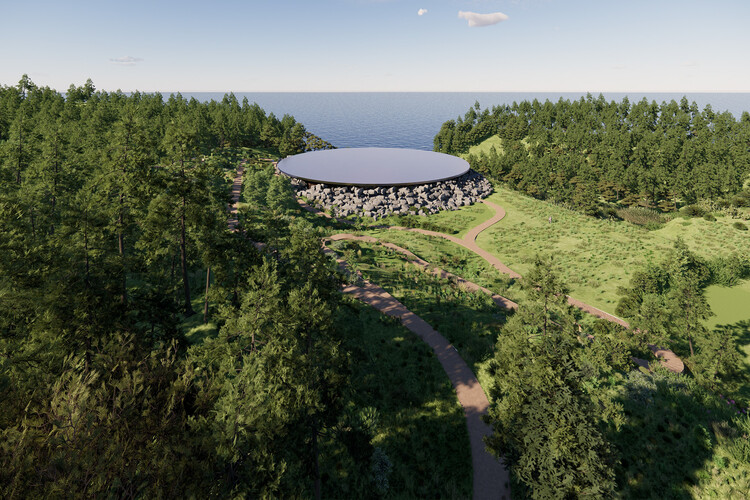
Located in Tomioka, Fukushima Prefecture, Sea of Time – TOHOKU is both an artwork by Tatsuo Miyajima and an architectural project commissioned by the artist. Designed by Japanese architect Tsuyoshi Tane of Atelier Tsuyoshi Tane Architects (ATTA), the project envisions a permanent museum to house Miyajima's artwork. Currently under development from 2024 to 2027, with an anticipated opening in spring 2028. Positioned on a cliff overlooking the Pacific Ocean, the proposal brings together architecture and installation within a site shaped by the memory of the 2011 Tōhoku earthquake and tsunami, framing both the landscape and its historical context as integral components of the design.

Atelier Tsuyoshi Tane Architects Designs Sea of Time – TOHOKU in Fukushima, Japan - Image 1 of 4Atelier Tsuyoshi Tane Architects Designs Sea of Time – TOHOKU in Fukushima, Japan - Image 2 of 4Atelier Tsuyoshi Tane Architects Designs Sea of Time – TOHOKU in Fukushima, Japan - Image 3 of 4Atelier Tsuyoshi Tane Architects Designs Sea of Time – TOHOKU in Fukushima, Japan - Image 4 of 4Atelier Tsuyoshi Tane Architects Designs Sea of Time – TOHOKU in Fukushima, Japan - More Images+ 2

Designing With, Not For: CatalyticAction’s Participatory Practice

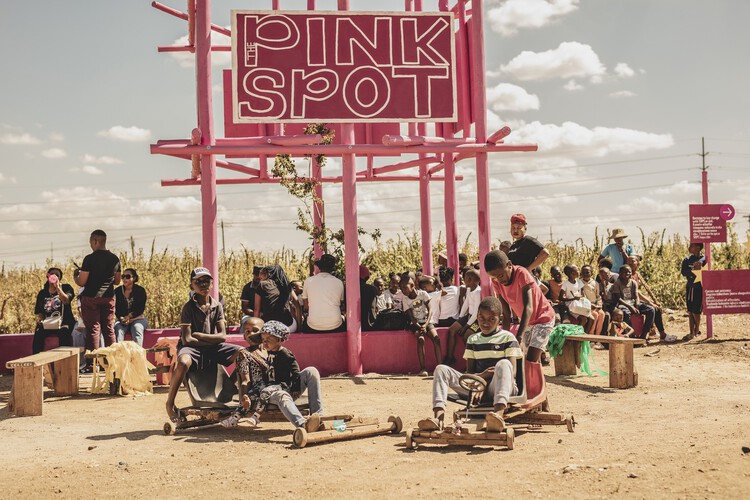
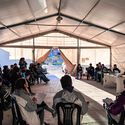
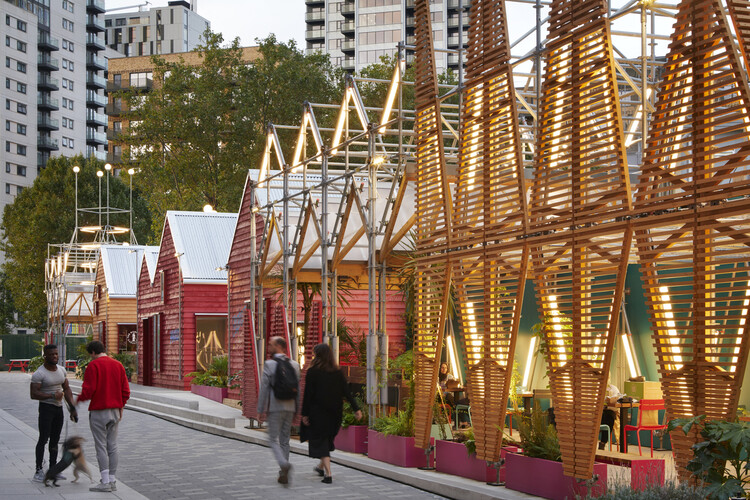
Architecture is often evaluated through finished forms, yet some practices operate in a different register, one where design unfolds through relationships, time, and use rather than through a single outcome. For CatalyticAction, participation is not a parallel social activity, but the means through which spaces are conceived, constructed, and sustained over time.

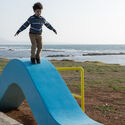
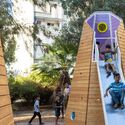
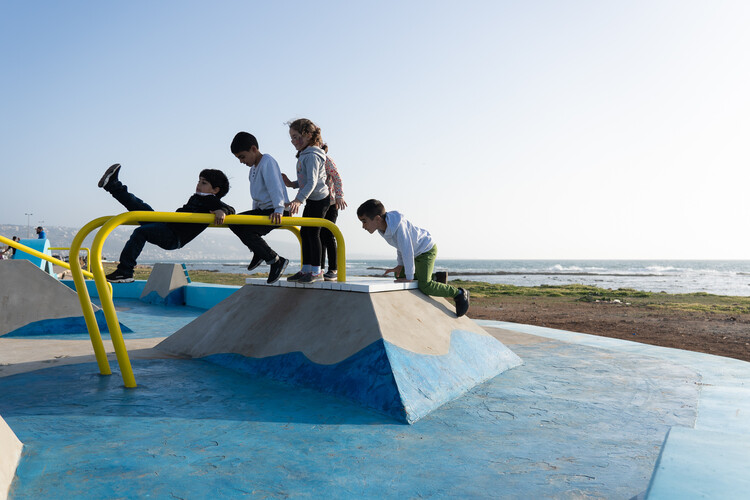
Based between Beirut and London, the practice has worked across the Middle East and Europe, developing public spaces, schools, playgrounds, and everyday urban infrastructures through long-term collaboration with local communities. Grounded in participatory research and collective decision-making, this approach was recognized through ArchDaily's 2025 Next Practices Awards, highlighting a mode of practice where architecture is understood as a shared, evolving process rather than a fixed object. In this context, architectural value is measured through continuity, use, and collective ownership, rather than through form alone.

Designing With, Not For: CatalyticAction’s Participatory Practice - Image 1 of 4Designing With, Not For: CatalyticAction’s Participatory Practice - Image 2 of 4Designing With, Not For: CatalyticAction’s Participatory Practice - Image 3 of 4Designing With, Not For: CatalyticAction’s Participatory Practice - Image 4 of 4Designing With, Not For: CatalyticAction’s Participatory Practice - More Images+ 21

“Users Are the Experts on Themselves”: How People Shape the Spaces They Use

 | In Collaboration

Does design guide usage, or does usage guide design? Students struggle to maintain focus, employees flinch under harsh lighting, and occupants withdraw from rigid spaces, often in response to environmental conditions that only become visible once a space is occupied. Light falling across a room, the resonance of sound, the texture of surfaces, or the rhythm of circulation can support focus, calm, or inspire creativity, but each can also inadvertently heighten stress and distraction. Architects and designers are exploring and questioning: how are design decisions informed, and whose knowledge is considered essential in shaping space?

Framing Life Through Voids and Verandahs: The Architecture of pk_iNCEPTiON

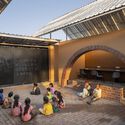
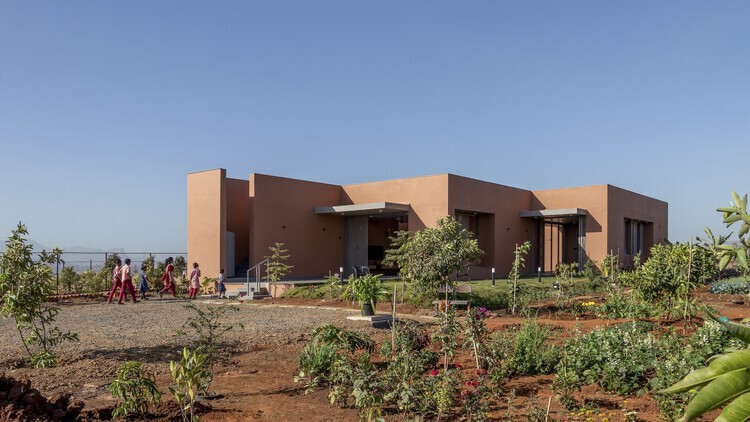
Founded as a practice working across architecture and community-focused projects, pk_iNCEPTiON is based in Maharashtra, India. The studio, one of the winners of the ArchDaily 2025 Next Practices Awards, works on rural schools, houses, libraries, and public buildings, with a focus on spatial organization and adaptability. Operating across varied social and climatic contexts, pk_iNCEPTiON approaches design through careful attention to movement, scale, and the relationship between built form and open space.
Framing Life Through Voids and Verandahs: The Architecture of pk_iNCEPTiON - Image 1 of 4Framing Life Through Voids and Verandahs: The Architecture of pk_iNCEPTiON - Image 2 of 4Framing Life Through Voids and Verandahs: The Architecture of pk_iNCEPTiON - Image 3 of 4Framing Life Through Voids and Verandahs: The Architecture of pk_iNCEPTiON - Image 4 of 4Framing Life Through Voids and Verandahs: The Architecture of pk_iNCEPTiON - More Images+ 17

EU Mies Awards Shortlist and MVRDV’s Fluid Facade in Beijing: This Week’s Review

Spanning multiple geographies and scales, this week's architecture news reflects ongoing discussions around long-term planning, institutional frameworks, and the public role of architecture. National-scale urban initiatives and large civic developments point to how planning and infrastructure are being used to reorganize cities and territorial systems, while parallel attention to stadiums, cultural facilities, and mixed-use projects highlights the expanding civic ambitions of large-scale architecture. Alongside these, interviews and heritage-focused projects foreground participatory practices and the careful reuse of existing structures, highlighting architecture's capacity to operate within complex social and political conditions. Recognition platforms and professional programs further situate these practices within a broader architectural discourse, offering insight into how contemporary work is evaluated and shared across regions.

EU Mies Awards Shortlist and MVRDV’s Fluid Facade in Beijing: This Week’s Review - Image 1 of 4EU Mies Awards Shortlist and MVRDV’s Fluid Facade in Beijing: This Week’s Review - Image 2 of 4EU Mies Awards Shortlist and MVRDV’s Fluid Facade in Beijing: This Week’s Review - Image 3 of 4EU Mies Awards Shortlist and MVRDV’s Fluid Facade in Beijing: This Week’s Review - Image 4 of 4EU Mies Awards Shortlist and MVRDV’s Fluid Facade in Beijing: This Week’s Review - More Images+ 8

Architectural Authorship in the Age of the Collective Practices

Subscriber Access | 

This article is part of our new Opinion section, a format for argument-driven essays on critical questions shaping our field.

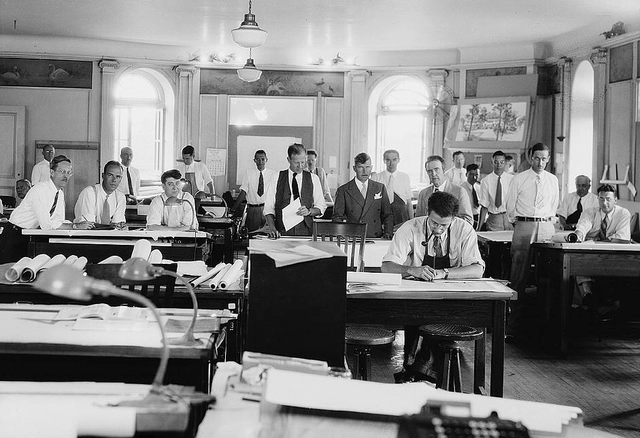
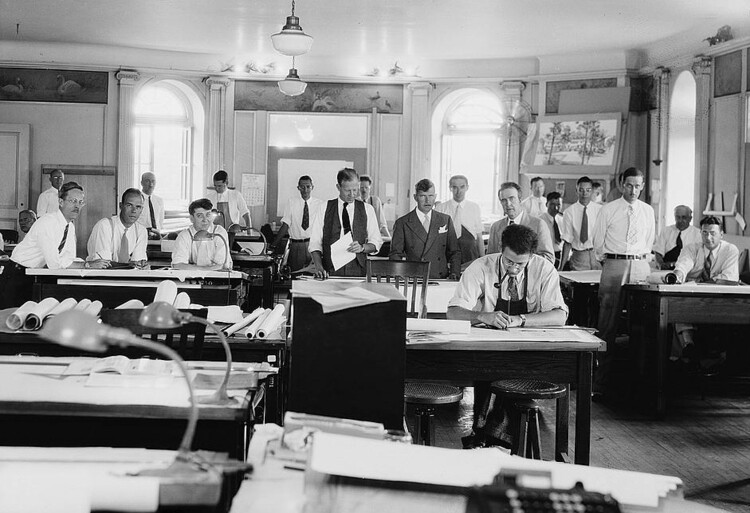
Who designs architecture today? In a professional landscape increasingly defined by collaborative workflows, generative software, and distributed teams, the figure of the architect as a singular creative author feels both anachronistic and inadequate. This article argues that architectural authorship is no longer an individual act, but a collective and distributed condition shaped by institutions, technologies, and shared forms of labor. The transition from individual to collective authorship is not simply a consequence of larger offices or digital tools; it signals a deeper structural shift in how architecture is produced, communicated, and validated.

Architectural Authorship in the Age of the Collective Practices - Image 1 of 4Architectural Authorship in the Age of the Collective Practices - Image 2 of 4Architectural Authorship in the Age of the Collective Practices - Image 3 of 4Architectural Authorship in the Age of the Collective Practices - Image 5 of 4Architectural Authorship in the Age of the Collective Practices - More Images+ 23

Cities Need Care, Not Perfection: Rethinking How We Build the Urban Future

Subscriber Access | 

What does optimism feel like in cities that can no longer rely on perfection as their ultimate ambition? Across the world, urban environments bear the weight of overlapping pressures: climate volatility, spatial inequality, political fragmentation, public distrust, and chronic infrastructural disinvestment. These realities render the idea of an ideal city increasingly detached from lived experience. Yet the hope for building better systems persists. While utopian visions may seem like an escape from the growing complexities of the modern world, the greater challenge for contemporary city-making is to confront those complexities rather than avoid them.

Cities Need Care, Not Perfection: Rethinking How We Build the Urban Future - Image 1 of 4Cities Need Care, Not Perfection: Rethinking How We Build the Urban Future - Image 2 of 4Cities Need Care, Not Perfection: Rethinking How We Build the Urban Future - Image 3 of 4Cities Need Care, Not Perfection: Rethinking How We Build the Urban Future - Image 4 of 4Cities Need Care, Not Perfection: Rethinking How We Build the Urban Future - More Images+ 16

Building Knowledge, Not Just Structures: Redefining the Architect’s Role in Times of Uncertainty

Aristotle is credited with the proverb "One swallow does not make a summer." In nature, the arrival of these migratory birds often announces the change of seasons, a universal symbol of renewal and hope. Yet it is only when many take flight that the true warmth of summer begins. The same can happen in architecture: an isolated project, however exemplary, rarely changes a reality on its own. When, however, a work teaches, inspires, and can be replicated, it becomes the harbinger of something greater.

Initiatives that combine simple technologies, local materials, and participatory processes show how building can also be an act of learning. Structures and bricks shape places of mutual teaching, where architects and residents share knowledge and build together, multiplying skills and strengthening bonds. These projects point to the possibility of a collective summer, a future in which knowledge spreads as widely as the walls that shelter it.

Building Knowledge, Not Just Structures: Redefining the Architect’s Role in Times of Uncertainty - Image 1 of 4Building Knowledge, Not Just Structures: Redefining the Architect’s Role in Times of Uncertainty - Image 2 of 4Building Knowledge, Not Just Structures: Redefining the Architect’s Role in Times of Uncertainty - Image 3 of 4Building Knowledge, Not Just Structures: Redefining the Architect’s Role in Times of Uncertainty - Image 4 of 4Building Knowledge, Not Just Structures: Redefining the Architect’s Role in Times of Uncertainty - More Images+ 10

Teaching Empathy: New Approaches to Architecture Education in Latin America

Historically, the first universities in the contemporary model were established in Europe to educate elites for the State and the Church, rather than to promote social emancipation. With the rise of capitalism, they became privileged centers for producing and reproducing modern Western culture. However, from the 1960s onward—particularly after the student uprisings of May 1968—the academic focus shifted toward market-oriented values, displacing humanist and critical ideals. The humanities lost prominence, while technical fields gained central importance, often at the expense of reflecting on the social impact of their work.

Teaching Empathy: New Approaches to Architecture Education in Latin America - Image 1 of 4Teaching Empathy: New Approaches to Architecture Education in Latin America - Image 2 of 4Teaching Empathy: New Approaches to Architecture Education in Latin America - Image 3 of 4Teaching Empathy: New Approaches to Architecture Education in Latin America - Featured ImageTeaching Empathy: New Approaches to Architecture Education in Latin America - More Images+ 6

Insights from La Feria De Diseño Medellín: Well-Being, Innovation, and Global Design Perspectives

 | Sponsored Content

Asking questions is the first step toward challenging what we take for granted and opening up new possibilities for planning and building. These questions, valuable in themselves, gain new strength when shared and examined through different perspectives. As they intersect with the experiences of professionals and brands, they weave together viewpoints that enrich the discussion. Design fairs and events around the world have become spaces where these conversations gain momentum, fostering connections and encouraging collaborative dynamics. In this landscape, Colombia has emerged as a hub, serving as a platform that promotes architecture and design across Latin America and the Caribbean while bringing the region's voice to the global stage.

Insights from La Feria De Diseño Medellín: Well-Being, Innovation, and Global Design Perspectives - Image 7 of 4Insights from La Feria De Diseño Medellín: Well-Being, Innovation, and Global Design Perspectives - Image 2 of 4Insights from La Feria De Diseño Medellín: Well-Being, Innovation, and Global Design Perspectives - Image 12 of 4Insights from La Feria De Diseño Medellín: Well-Being, Innovation, and Global Design Perspectives - Image 4 of 4Insights from La Feria De Diseño Medellín: Well-Being, Innovation, and Global Design Perspectives - More Images+ 8

Architecture and Agency: Rethinking Authorship Through Participatory Design

Subscriber Access | 

Architecture has historically produced many iconic buildings shaped by singular visions—often designed unilaterally for users, communities, and cities. While this top-down approach has enabled strong formal coherence and conceptual clarity, it has also prioritized authorship over engagement. The result: projects that may be celebrated as visionary, yet often feel disconnected from the everyday realities of those who inhabit them.

Designing for others is inherently complex. As architects, we are frequently tasked with creating environments for communities with whom we may have no personal or cultural familiarity. This distance, however, can offer valuable objectivity. It allows us to engage diverse perspectives with fresh eyes, critically analyzing the needs and constraints of multiple stakeholders. Through this process, the discipline of architecture has advanced—pushing boundaries in spatial thinking, material innovation, and structural experimentation.

Architecture and Agency: Rethinking Authorship Through Participatory Design - Image 1 of 4Architecture and Agency: Rethinking Authorship Through Participatory Design - Image 2 of 4Architecture and Agency: Rethinking Authorship Through Participatory Design - Image 3 of 4Architecture and Agency: Rethinking Authorship Through Participatory Design - Image 4 of 4Architecture and Agency: Rethinking Authorship Through Participatory Design - More Images+ 29

The Why, What, and How of Human-Centered and Successful Playground Design

 | Sponsored Content

By Jeanette Fich Jespersen, MA, Head of the KOMPAN Play Institute, Head of the steering committee of the World Playground Research Institute, University of Southern Denmark, Vice-president of International Play Association, Denmark.

"No, I don't want to go to that playground. It is boring!" This may sound like something no child would ever utter. But children do have strong opinions on what playgrounds they like, from quite early on. The reason why not only parents and caregivers but also city planners and architects should listen and adjust is more critical than ever.

LAGI 2025 Fiji Highlights Participatory Design in Renewable Infrastructure

The Land Art Generator Initiative (LAGI) has announced the winners of its 2025 competition in Marou Village, Fiji. Developed in partnership with the local community and supported by the Fiji Department of Energy, the Fiji Rural Electrification Fund, and the United Nations Development Program, LAGI 2025 invited designers from around the world to envision renewable energy and water systems that could also serve as cultural and social spaces. From over 200 entries representing 45 countries, two projects were selected: The O by Alberto Roncelli and Ligavatuvuce by Young Kang.

LAGI 2025 Fiji Highlights Participatory Design in Renewable Infrastructure - Image 1 of 4LAGI 2025 Fiji Highlights Participatory Design in Renewable Infrastructure - Image 2 of 4LAGI 2025 Fiji Highlights Participatory Design in Renewable Infrastructure - Image 3 of 4LAGI 2025 Fiji Highlights Participatory Design in Renewable Infrastructure - Image 4 of 4LAGI 2025 Fiji Highlights Participatory Design in Renewable Infrastructure - More Images+ 2

Designing with Kids: 5 Participatory Projects that Empower Young Users

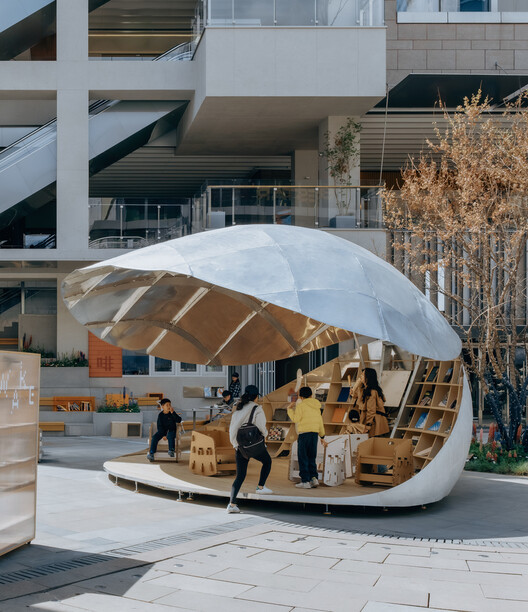
A good design should be adapted to the user's needs, and participatory design aims to reduce the distance between architects and those for whom the project is made. In this sense, projects for children that welcome them as central actors in the design process demonstrate how the potential of active listening and co-designing is reflected in spaces adapted to a smaller scale and to an audience in a phase of intense learning.

Whether they are kindergartens, schools, community centers, or public spaces, participatory projects with children show how the design process can be an enriching exchange for both sides. On the one hand, children can learn about materials, scales, decision-making, and develop spatial awareness. On the other hand, the architects responsible for making the desires and needs of the young users concrete can learn to exercise sensitivity and imagination and recognize a different worldview focused on discovery. All of this is possible through listening and open dialogue between different age groups.

Designing with Kids: 5 Participatory Projects that Empower Young Users - Image 1 of 4Designing with Kids: 5 Participatory Projects that Empower Young Users - Image 2 of 4Designing with Kids: 5 Participatory Projects that Empower Young Users - Image 3 of 4Designing with Kids: 5 Participatory Projects that Empower Young Users - Image 4 of 4Designing with Kids: 5 Participatory Projects that Empower Young Users - More Images+ 6