



-
Architects: ODILE+GUZY architectes
- Area: 3470 m²
- Year: 2015
-
Manufacturers: GFRC, MC FRANCE, Sefwood
-
Professionals: Batscop building-site pilot.



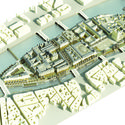
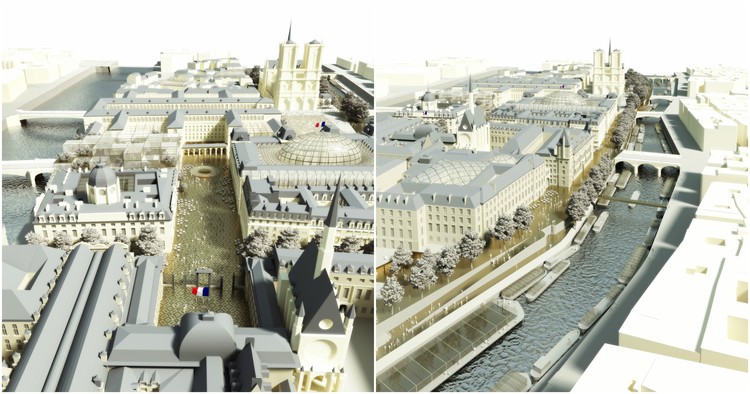
One of two islands in the Parisian Seine, the Île de la Cité is largely known to tourists as little more than the location of such popular destinations as the Notre Dame Cathedral and the Sainte Chapelle—a fate that belies the island's 2000-year history as the center of Paris. However, now there are plans underway to restore the whole island to its former importance: under Philippe Bélaval, the French Centre for National Monuments has selected Dominique Perrault Architecture to design a 25-year masterplan, titled Mission Île de la Cité, to bring back the island’s relevance as something more than a dissonant collection of tourist destinations.
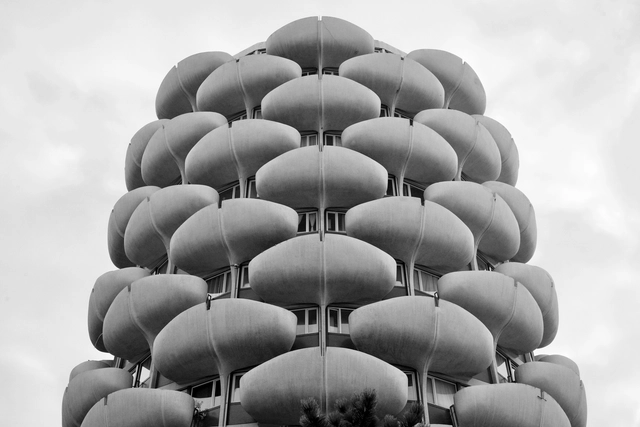
Adding to its regular releases of city guide maps, London-based publisher Blue Crow Media has now produced the Brutalist Paris Map, in collaboration with Nigel Green and Robin Wilson of Photolanguage. Having previously covered Washington D.C.’s most prominent Brutalist buildings, the latest map highlights over 40 Parisian examples of Brutalist architecture.
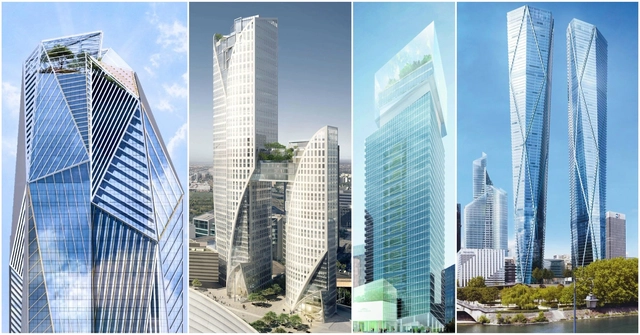
The La Défense district of Paris has announced the proposal of seven new skyscrapers by top architects including Ateliers Jean Nouvel, Foster + Partners and Christian de Portzamparc in an attempt to lure business to the city during a time of economic upheaval in the European markets.
All planned for completion no later than 2022, the new buildings would target international businessmen and researchers, especially those displaced following the United Kingdom’s exit from the European Union.
_©_Takuji_Shimmura.jpg?1487165393&format=webp&width=640&height=580)

The Design by Data Advanced Master® in Computational Design, Digital Manufacturing and Building Technologies provides attendees with a cross-disciplinary culture of computational design and a comprehensive knowledge of cutting-edge technologies in the fields of parametric architecture, robotics, digital manufacturing and 3D printing for the construction industry.
Applications are open for the second edition of the Design by Data Advanced Master® in Computational Design, Digital Manufacturing and Building Technologies opening in September 2017 in Paris. Design by Data provides attendees with a cross-disciplinary culture of computational design and a comprehensive knowledge of cutting-edge technologies in the fields of parametric architecture, robotics, digital manufacturing and 3D printing for the construction industry.
Modernisation de Roland-Garros by FFT
Stade du Roland Garros, home of one of tennis’ four grand slam tournaments, the French Open, has revealed animations of the two new stadia planned for the historic park grounds. The renovations will include a $400 million redesign of the event’s main stadium and a brand new greenhouse-inspired court, the first of its kind at a major tournament.
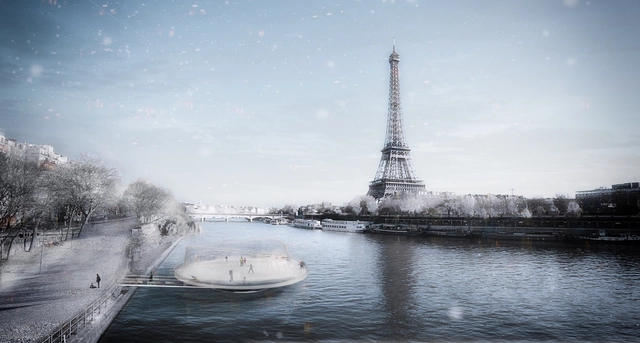
ANSKA has unveiled Spots, a series of temporary floating platforms to host micro-events for the Paris Olympic Games of 2024. Intended as an alternative to classic river typologies like barges or heavy structures, Spots are modular systems that can easily be assembled or disassembled, allowing them to become durable programmatic solutions.
While Spots was designed for the Paris Olympics, where modules would be hooked to the riverbanks to create a complimentary route for the Games, facilitating a greater exploration of the city, the micro-typology of the project could be applied “to any river and city,” as well as to Parisian suburbs and industrial areas.
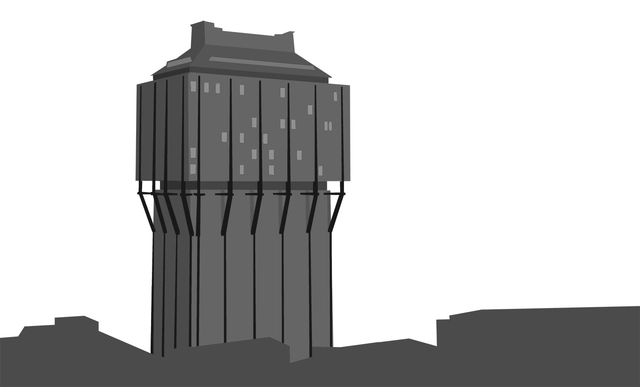
As long as there have been buildings mankind has sought to construct its way to the heavens. From stone pyramids to steel skyscrapers, successive generations of designers have devised ever more innovative ways to push the vertical boundaries of architecture. Whether stone or steel, however, each attempt to reach unprecedented heights has represented a vast undertaking in terms of both materials and labor – and the more complex the project, the greater the chance for things to go awry.
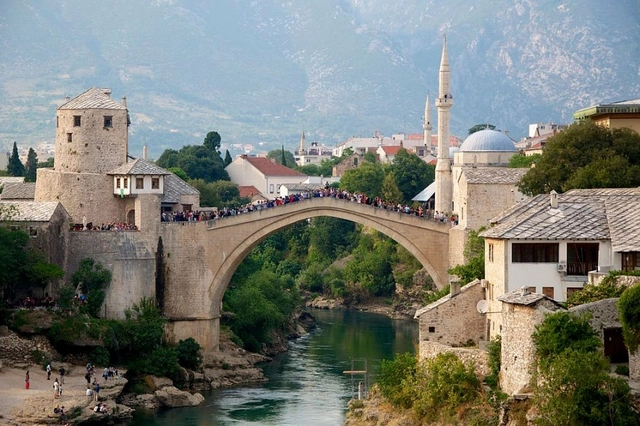
This article, written by Svetlana Kondratyeva and translated by Olga Baltsatu for Strelka Magazine, examines the most interesting cases of the role of culture in sustainable urban development based on the UNESCO report.
UNESCO published the Global Report on Culture for Sustainable Urban Development in the fall of 2016. Two UN events stimulated its creation: a document entitled Transforming our World: the 2030 Agenda for Sustainable Development, which emphasizes seventeen global goals for future international collaboration, was signed in September of 2015 at the Summit in New York. Habitat III, the conference held once in twenty years and dedicated to housing and sustainable urban development, took place in Ecuador in October of 2016. The question of culture’s role in urban development, and what problems it can solve, was raised at both events. To answer it, UNESCO summarized global experience and included successful cases of landscaping, cultural politics, events, and initiatives from different corners of the world in the report.

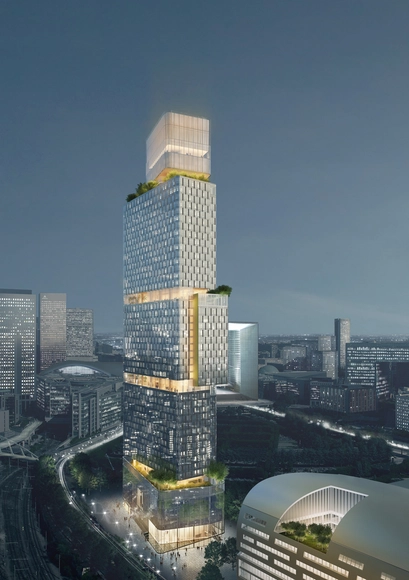
Ateliers 2/3/4/ has unveiled its design for Jardins de l’Arche Tower, a 200-meter-tall building in Nanterre La défense, Paris.
An effort to “extend the great historical axis of Paris,” the 65,000-square-meter tower will feature a series of hanging gardens around superimposed volumes.
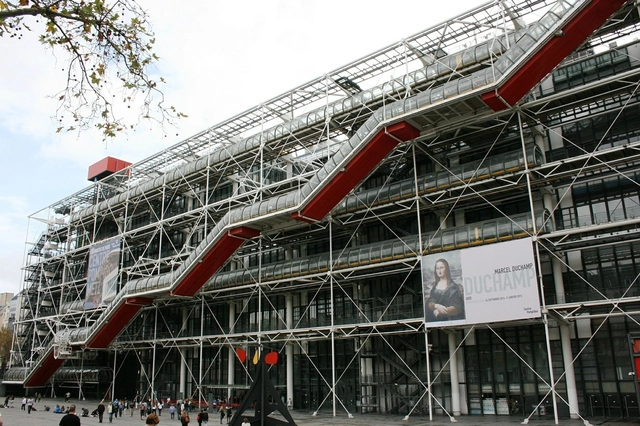
Reviled by Parisians for its shocking inside-out appearance when it first opened in 1977, the Centre Pompidou has reached its 40th birthday, and as a gift, is set to receive to 2-year, $110 million renovation that will preserve the unique structure for years to come.

The Eiffel Tower is set to undergo a massive renovation project: a 15-year, €300 Million endeavor that will preserve the attraction for decades to come.
Built 128 years ago as a temporary structure for 1889 Universal Exhibition in Paris, the tower has since grown into a global icon, attracting nearly 7 million visitors per year and serving as an important symbol of French unity during times of both celebration and tragedy.
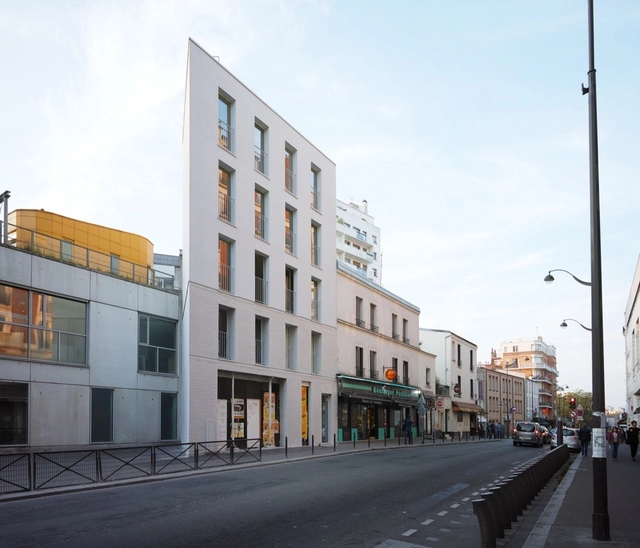
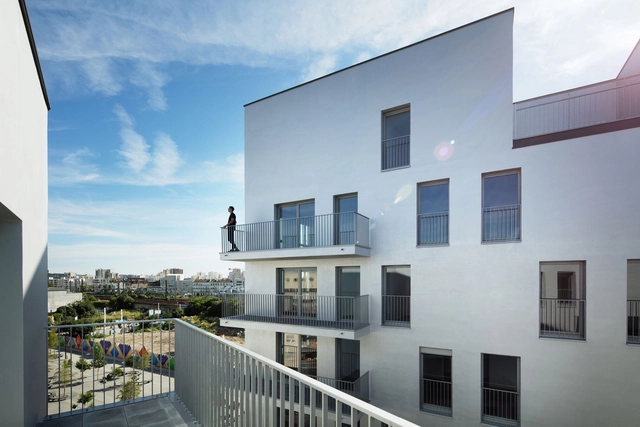
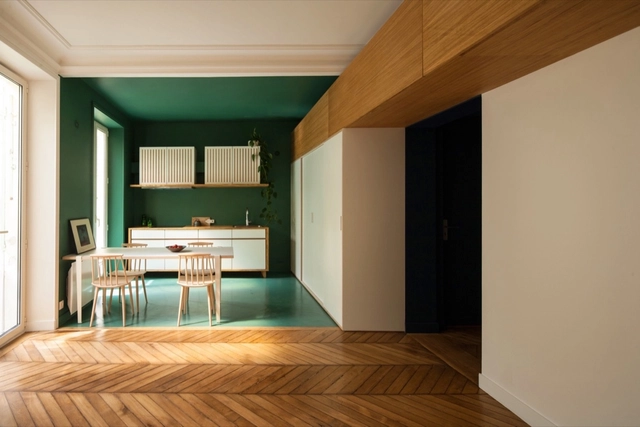













_©_Takuji_Shimmura.jpg?1487165405 "© Takuji Shimmura")
_©_Takuji_Shimmura.jpg?1487165337 "© Takuji Shimmura")
_©_Takuji_Shimmura.jpg?1487165465 "© Takuji Shimmura")
_©_Takuji_Shimmura.jpg?1487165272 "© Takuji Shimmura")
_©_Takuji_Shimmura.jpg?1487165393)