1. ArchDaily
  2. Palace

Palace: The Latest Architecture and News

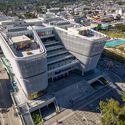
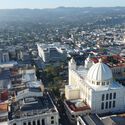
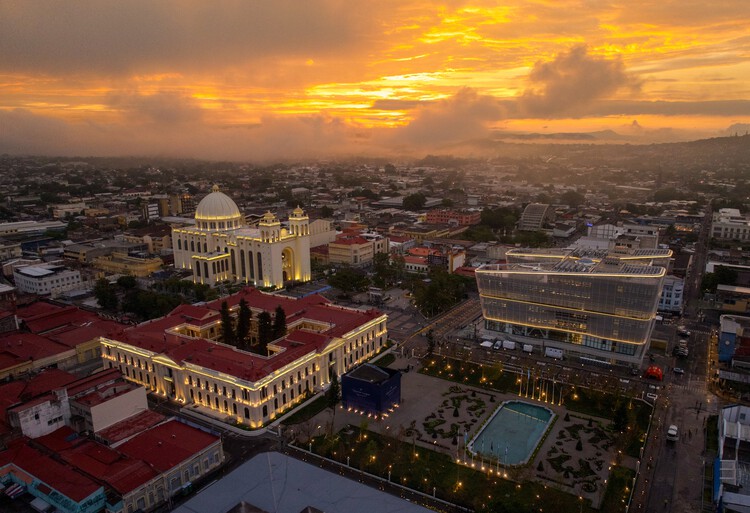
Urban Transformation of San Salvador: Contemporary Placemaking in Central America

Historic center renewal has become a recurring strategy in Central American cities seeking to reassert the symbolic, economic, and functional relevance of their traditional cores. These processes often combine physical rehabilitation, institutional investment, and stricter control over public space. San Salvador offers a recent and instructive case, which allows for understanding of how interventions in inherited civic spaces balance infrastructure improvement with heritage conservation and social regulation. It also enables the assessment of how these choices resonate within broader debates on urban transformation in the region.
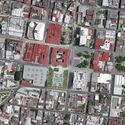
Urban Transformation of San Salvador: Contemporary Placemaking in Central America - Image 1 of 4Urban Transformation of San Salvador: Contemporary Placemaking in Central America - Image 2 of 4Urban Transformation of San Salvador: Contemporary Placemaking in Central America - Image 3 of 4Urban Transformation of San Salvador: Contemporary Placemaking in Central America - Image 4 of 4Urban Transformation of San Salvador: Contemporary Placemaking in Central America - More Images+ 5

A Narrative of Cultural Resilience: The Evolution of the Estonian Academy of Sciences

Subscriber Access | 

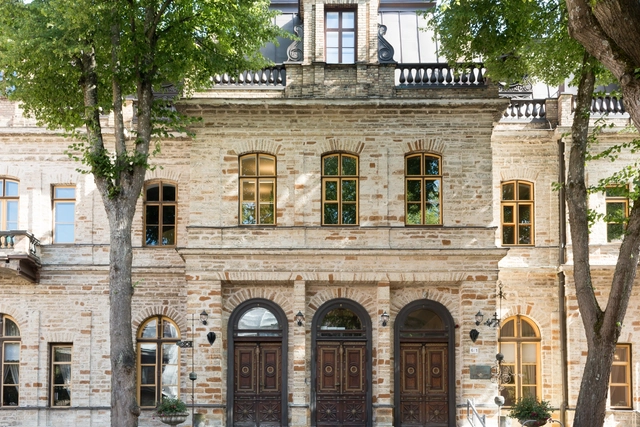
In the heart of Tallinn, where history weaves through cobblestone streets and ancient towers, stands the Ungern-Sternberg Palace — a monument that bridges the opulent past of Estonia's aristocracy with the vibrant world of contemporary academia. Now home to the Estonian Academy of Sciences, this historic building embodies Estonia's enduring dedication to knowledge and cultural preservation. Through Open House Tallinn, which highlights the city's architectural heritage, the palace's significant history, and remarkable architectural details are brought to a wider audience, offering unique insight into Estonia's cultural resilience.

Constructed in the 19th century as a symbol of aristocratic power, the palace has transformed from a private residence into a national hub of intellectual life. Its grand halls, once the scene of lavish gatherings, now foster scientific and academic pursuits, illustrating how heritage architecture can evolve alongside societal change.

A Narrative of Cultural Resilience: The Evolution of the Estonian Academy of Sciences - Image 1 of 4A Narrative of Cultural Resilience: The Evolution of the Estonian Academy of Sciences - Image 2 of 4A Narrative of Cultural Resilience: The Evolution of the Estonian Academy of Sciences - Image 3 of 4A Narrative of Cultural Resilience: The Evolution of the Estonian Academy of Sciences - Image 4 of 4A Narrative of Cultural Resilience: The Evolution of the Estonian Academy of Sciences - More Images+ 17

AD Classics: Palais des Papes / Pierre Poisson & Jean de Louvres

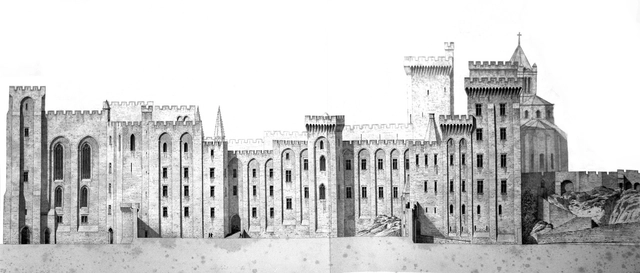
While the Roman Catholic Church is synonymous with the Eternal City (and Italian capital), the greatest monument from its medieval heyday actually stands in southern France. The relic of the Papacy’s brief departure from Rome, the Palais des Papes (“Palace of the Popes”) in Avignon is the largest Gothic palace ever built. Constructed in two main phases by two of its residents, the Palais des Papes is a grandiose architectural expression of the wealth and power of the eleven popes who called Avignon their home and base of power.

AD Classics: Palais des Papes / Pierre Poisson & Jean de Louvres - Religious Buildings, Facade, Arcade, ArchAD Classics: Palais des Papes / Pierre Poisson & Jean de Louvres - Religious Buildings, Courtyard, Facade, Arch, ArcadeAD Classics: Palais des Papes / Pierre Poisson & Jean de Louvres - Religious Buildings, Facade, CityscapeAD Classics: Palais des Papes / Pierre Poisson & Jean de Louvres - Religious BuildingsAD Classics: Palais des Papes / Pierre Poisson & Jean de Louvres - More Images+ 14

AD Classics: Forbidden City / Kuai Xiang

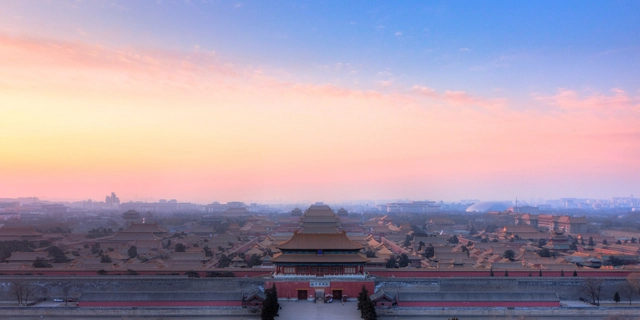
As the heart of Imperial China from 1421 until 1912, the Forbidden City—a palatial complex in the center of Beijing—represented the divine authority of the Emperors of China for over five hundred years. Built by the Ming Emperor Zhu Di as the centerpiece of his ideal capital city, the palace would host twenty-four different emperors and two dynasties over the course of its history. Even after the subsequent democratic and communist revolutions that transformed China in the early 20th Century, it remains as the most prominent built relic of a cosmopolitan empire.[1]

AD Classics: Forbidden City / Kuai Xiang - Historic PreservationAD Classics: Forbidden City / Kuai Xiang - Historic Preservation, BeamAD Classics: Forbidden City / Kuai Xiang - Historic Preservation, FacadeAD Classics: Forbidden City / Kuai Xiang - Historic PreservationAD Classics: Forbidden City / Kuai Xiang - More Images+ 5

AD Classics: Neuschwanstein Castle / Eduard Riedel

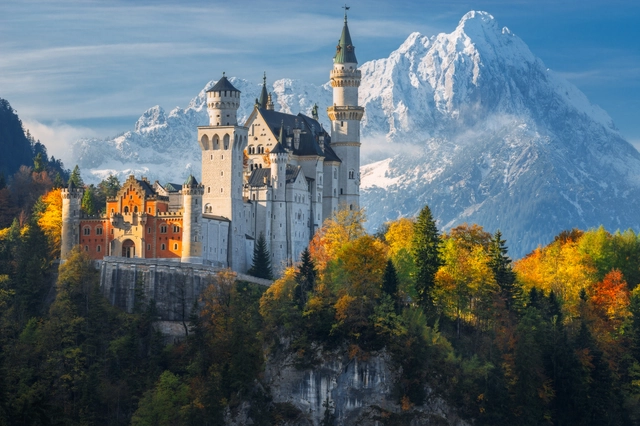
Looming over the small Bavarian town of Hohenschwangau are the turrets and towers of one of the world’s most famous “fairytale” castles. Schloß Neuschwanstein, or “New Swan Stone Castle,” was the fantastical creation of King Ludwig II – a monarch who dreamed of creating for himself an ideal medieval palace, nestled in the Alps. Though designed to represent a 13th-century Romanesque castle[1], Neuschwanstein was a thoroughly 19th-century project, constructed using industrial methods and filled with modern comforts and conveniences; indeed, without the technological advancements of the time, Ludwig could never have escaped into his medieval fantasy.[2]

AD Classics: Neuschwanstein Castle / Eduard Riedel - Other, FacadeAD Classics: Neuschwanstein Castle / Eduard Riedel - Other, Facade, Arch, ArcadeAD Classics: Neuschwanstein Castle / Eduard Riedel - Other, Facade, Arcade, Arch, ColumnAD Classics: Neuschwanstein Castle / Eduard Riedel - Other, Arcade, Arch, ColumnAD Classics: Neuschwanstein Castle / Eduard Riedel - More Images+ 8