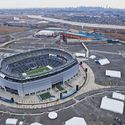
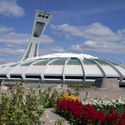
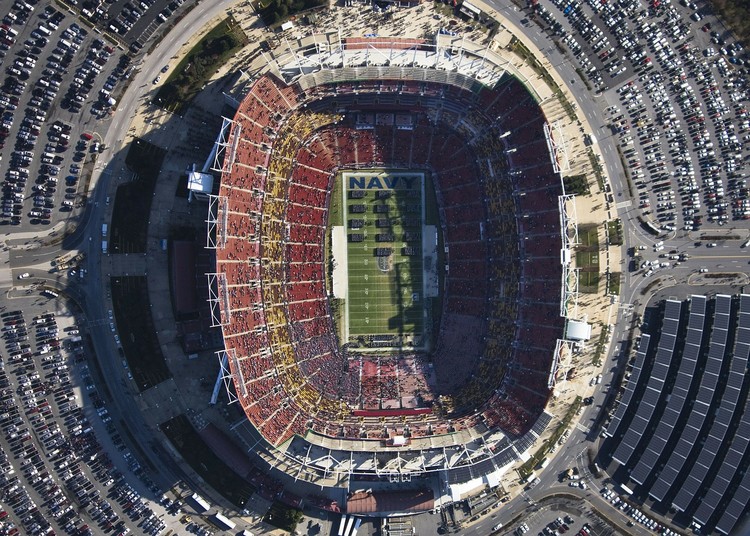
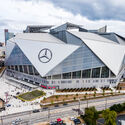
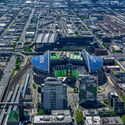
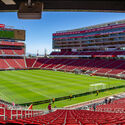
The FIFA World Cup 2026 will take place from June 11 to July 19, 2026, across North America, with matches hosted at 16 venues in Canada, Mexico, and the United States. For the first time, the tournament is being co-hosted by three countries: 11 venues in the United States, 3 in Mexico, and 2 in Canada. Since the 2018 FIFA Congress selected the venues to host the 2026 World Cup, the three North American countries have been working to deliver the tournament. This edition will be the first to feature 48 competing teams, expanded from 32. Unlike the 2022 Qatar World Cup, which required the construction of entirely new stadiums, the three host countries already have the necessary infrastructure in place, though several venues are taking the opportunity to upgrade their facilities, including Mexico City's Estadio Azteca, Arlington's AT&T Stadium, and Toronto's BMO Field.
https://www.archdaily.com/993287/explore-the-full-list-of-football-stadiums-for-the-2026-fifa-world-cup-in-united-states-mexico-and-canadaArchDaily Team
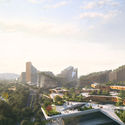
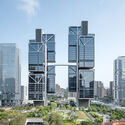
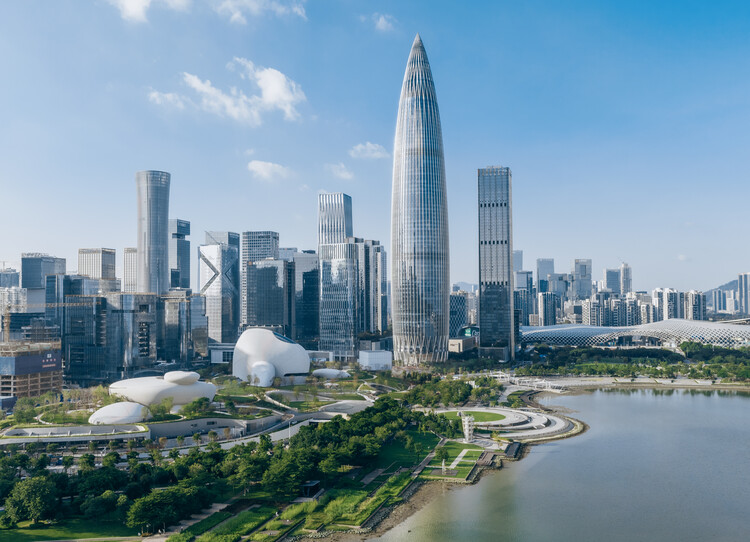
Shenzhen is China's first Special Economic Zone(SEZ), serving as a window for China's Reform and Opening-up and an emerging immigrant city. It has evolved into an influential, modern, and international metropolis, creating the world-renowned "Shenzhen Speed" and earning the reputation of the "City of Design." Architectural design stands as the most intuitive expression of Shenzhen's spirit of integration and innovation. Over the past decade (2015-2025), the development of urban architecture in Shenzhen has closely integrated with its open and inclusive urban character, ecological advantages of being nestled between mountains and the sea, and the local spirit of blending traditional culture with innovative technology, showcasing Shenzhen's unique charm and robust vitality across multiple dimensions.
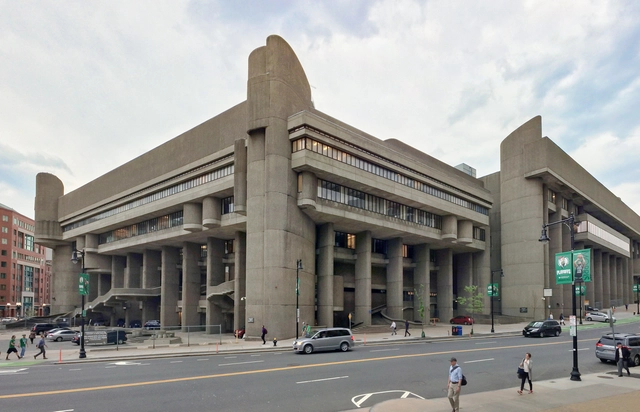
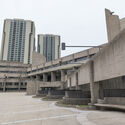
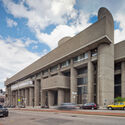
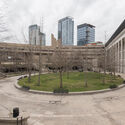
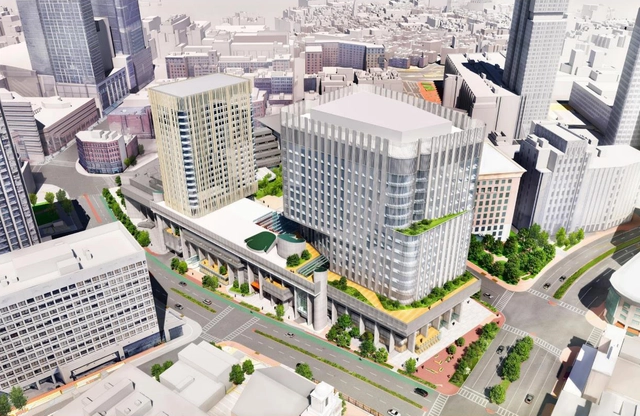
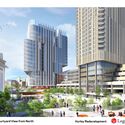
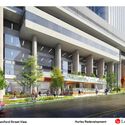
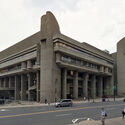
The Massachusetts administration, under Governor Maura Healey, has unveiled a new housing-centric proposal for the controversial Boston Government Service Center designed by Paul Rudolph and opened in 1971. Previously proposed to be redeveloped by the architecture office NBBJ with offices and commercial spaces, the updated vision aims to transform the Erich Lindemann and Charles F. Hurley buildings into housing facilities as part of the state’s goal to address the housing crisis while allowing for the historic preservation of the Brutalist structure.
The Commonwealth of Massachusetts has announced that Boston’s iconic concrete Government Center, the Hurley Building, will be getting a complete renovation by architecture firm NBBJ. Originally designed by Paul Rudolph, the brutalist building and its site were listed for sale in 2019. The new mixed-use development will "catalyze substantial economic development on the underutilized and uninviting site with a new life-sciences building, renovated state offices, ground-floor retail, improved public open space, and 200 units of mixed-income housing as part of a dynamic mixed-use development which will enliven and reactivate 5 acres in Downtown Boston".
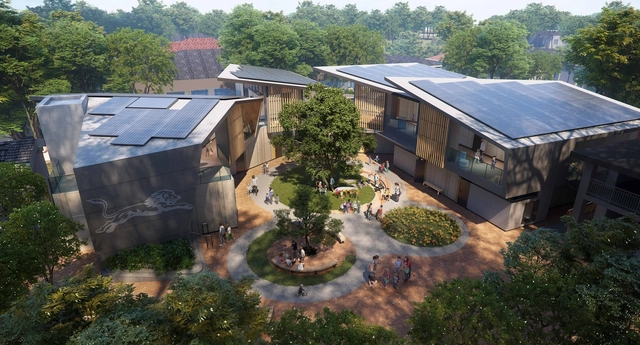
Aiming to transform the learning experience for neurodiverse students through a nature-centric environment, NBBJ has unveiled a net-zero school in Encino, California. Titled "Westmark Lower School", the new campus will foster an inclusive and engaging learning experience for students and teachers, responding to the critical condition of U.S students, where 2.3 million were diagnosed with learning differences between 2019 - 2020.
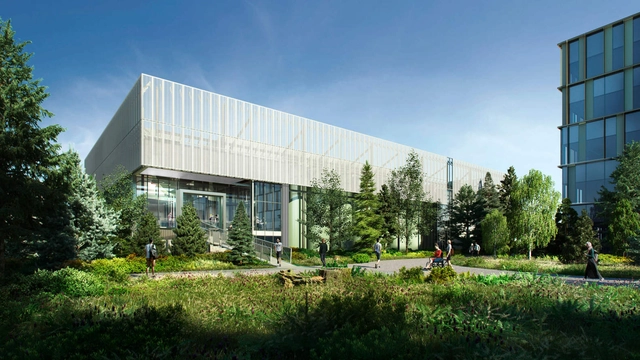
The Thermal Energy Center at Microsoft’s headquarters in Redmond, Washington, powers the campus almost entirely through electricity provided by geothermal energy exchanges. The project acts as a pilot program for the Embodied Carbon in Construction Calculator (EC3), a free database of construction EPDs and matching building impact calculator.. Image Courtesy of NBBJ
The growing consumer demand for transparency—especially around sustainability and environmental practices—has implications for industries from apparel to healthcare products. Mars Inc. recently released a cocoa sourcing map to tackle deforestation and increase accountability, and the Fashion Transparency Index pushes apparel companies to be more forthcoming about their social and environmental efforts.
Now it’s time for the building industry, characterized by a lack of information around the materials and practices used in construction and throughout a building’s lifecycle, to catch up. The cost of inaction is too high to ignore. That’s because buildings account for 39 percent of total global carbon emissions. Traditionally, most carbon reduction efforts in the building sector focus on operational carbon—a building’s everyday energy use, which accounts for roughly 28 percent of emissions. The remaining 11 percent comes from what is often ignored: embodied carbon.
https://www.archdaily.com/976015/strategies-to-reduce-embodied-carbon-in-the-built-environmentPeter Alspach, Margaret Montgomery
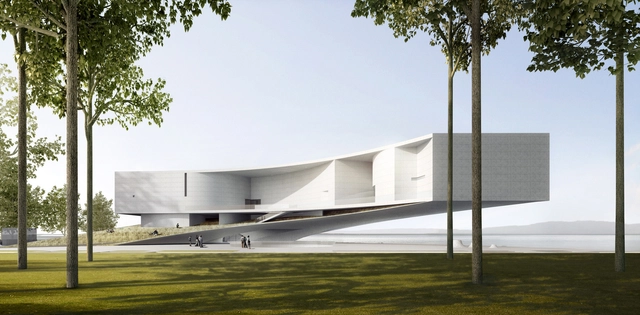
Conceptual Plan of Wuhan Nanhu Art Center. Image Courtesy of Jing Studio
This week’s curated selection of Best Unbuilt Architecture highlights commercial projects submitted by established firms. From art museums to offices, this article explores cultural functions and commercial spaces, and presents projects submitted to us from all over the world.
Featuring a reception center that merges the cultures of China and Italy by aoe architects, and a post-pandemic office building by NBBJ, this roundup explores how established architecture firms have designed buildings that optimize the functions of projects and ensure the comfort of their users. This round up also includes a collection of proposals from KPF Architects, Nordic Office of Architecture, AFF Architekten, along with many other firms, each responding to different spatial needs, facilities, and environments.
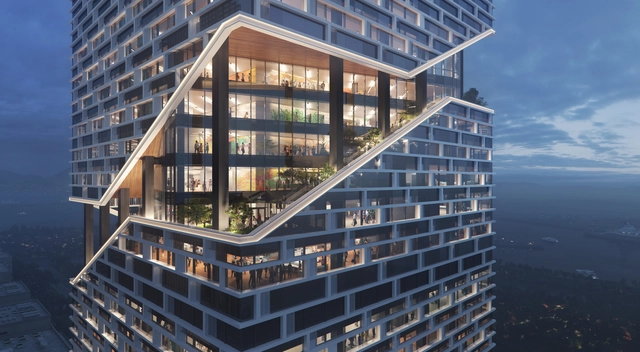
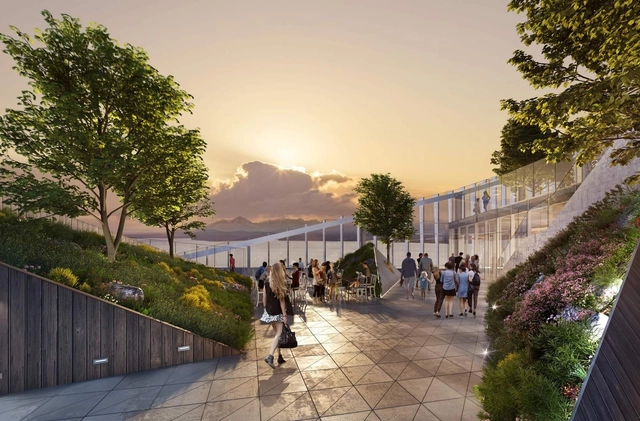
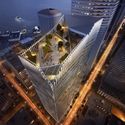
Architecture firm NBBJ have unveiled the design of The Net, a next generation office tower in Seattle that fosters wellness and community. The firm's proposal comes as an answer to the problematics that high-rise buildings impose on individuals and urban spaces, such as lack of communal integration and the difficulties of accessing fresh air from the outdoors due to mechanical ventilation systems imposed on the facades.
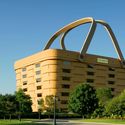
Design can sometimes be mundane- except when it’s novelty architecture. These buildings uniquely and identifiably break away from the abstract, metaphorical, and often monotonous buildings that have classified modern-day design. Instead of favoring the steel and glass skyscrapers that serve as landmarks in cities around the world, they aim to poke fun at architecture in a way that’s jovial, commercial, and perhaps slightly more functional and expressive. Unlike other buildings, they are the literal embodiment of a thing itself, putting its function widely on display instead of hiding it within four austere walls.
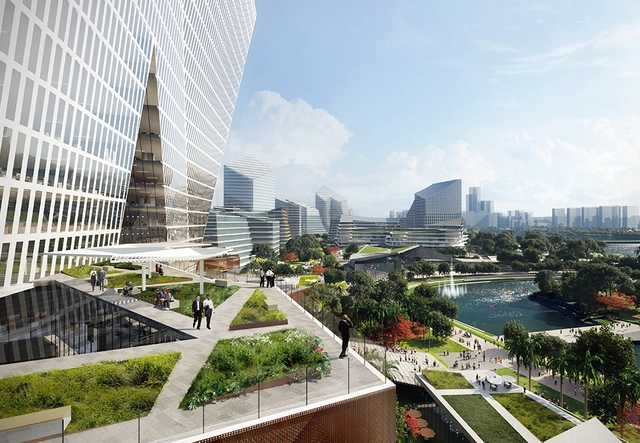
TenCent’s Net City, in Shenzen China. Image Courtesy of NBBJ
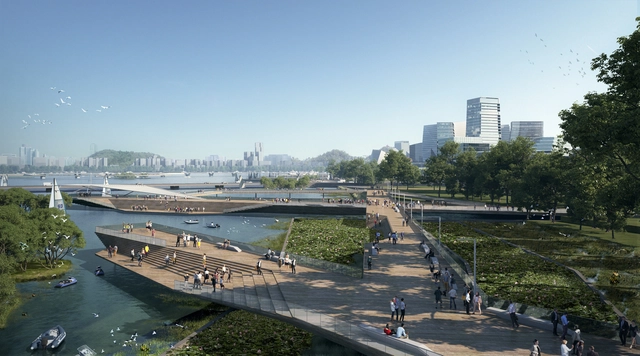
EPISODE 9 will focus on Future Cities. Our guest will be Jonathan Ward, a Design Partner at NBBJ, who is developing Chinese technology company TenCent’s Net City, in Shenzen China. At roughly the size and shape of Midtown Manhattan, Net City features a new Tencent office, a residential neighborhood, schools, retail and other amenities. The project focuses on sustainability, including photovoltaic panels on rooftops, sensors that track environmental performance and flooding, and a comprehensive transportation network that prioritizes public transit, bicycles and pedestrian access. Ward’s other notable projects for NBBJ include headquarters for Samsung in San Jose and South Korea, Ant Financial in Hangzhou, the Wellcome Trust in Cambridge, Telenor in Oslo and Reebok in Massachusetts.
Scale defines spatial experience. From a single room or space to entire masterplans and urban designs, moving between scales shows how designers zoom in or out. Working across programs and contexts around the world, architects are exploring the possibilities of scale to shape human experience. For unbuilt work, these proposals combine ideas of structure, materiality and form to redefine typologies and the future of urban environments.
This week’s curated selection of the Best Unbuilt Architecture focuses on diverse scales of building. Drawn from an array of firms and local contexts, they represent proposals submitted by the ArchDaily Community. They showcase different approaches to designing at diverse scales, from the size of a single room to a high-rise. The projects include a log driving museum in Oslo and a center for health in Hawaii, to a laboratory in Shenzhen and a skyscraper in Costa Rica.
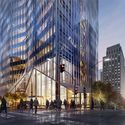
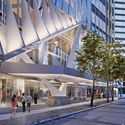
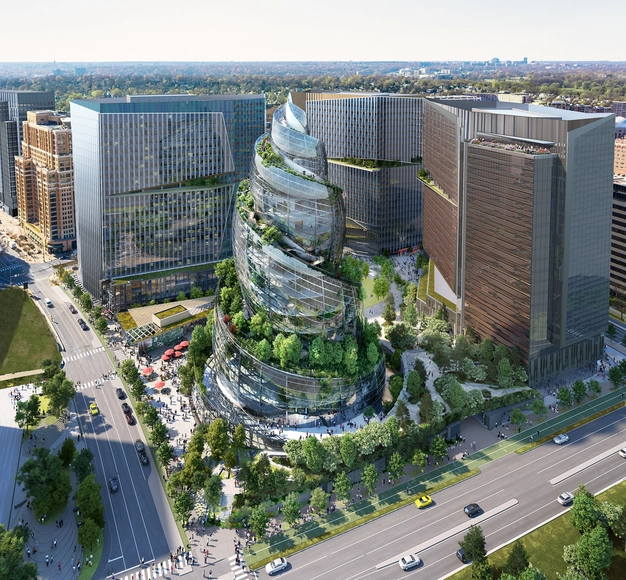
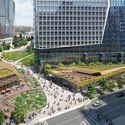
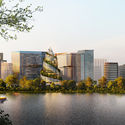
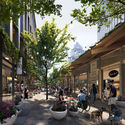
Amazon has just revealed the proposed design for its second headquarters, in Arlington, Virginia, just outside of Washington, D.C. Designed by NBBJ, the project “creates an environment that prioritizes healthy work, celebrates nature and engages the community across multiple scales.” Encompassing 2.8 million square feet of offices, public gathering areas and street-front retail, the intervention aims to create a healthier workforce and community.
Comparing revenues from the previous year, Architectural Record lines up annually a list of the Top 300 U.S. Firms. Based on the 2019 data, Gensler tops again the selection, for the ninth year in a row, and Perkins and Will takes the second position. Third, fourth and fifth places were presented for Engineering Architecture firms HDR, Jacobs, and AECOM. Other companies in the top 10 include HKS and Skidmore, Owings & Merrill.
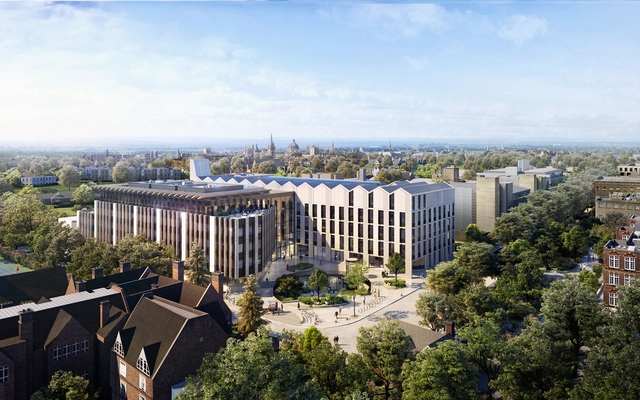
The University of Oxford and internationally-renowned architecture practice NBBJ have unveiled images of the new Life and Mind Building. The development, the University’s largest building project in its history, will be the new home of the Departments of Experimental Psychology and Biology, including Plant Sciences and Zoology, accommodating 800 students and 1,200 researchers.
NBBJ has been selected to design the new Vivo headquarters, introducing the next generation of work environments that integrates nature, health, and equal access to amenities. Located in Shenzhen’s Bao’an district, the 32-story spiraling tower highlights an innovative design that embraces the urban-coastal site and reflects the company’s values. Construction began in May 2020 and is scheduled for completion by fall 2025.
NBBJ has imagined a two million square meter “Net City” master plan in Shenzhen for Tencent, one of the largest internet companies in China and the owner of messaging app WeChat.The size of Midtown Manhattan, the new project will be among China’s first interconnected districts with office buildings, residential areas, public entertainment venues, parks, and a waterfront.
I hope you have caught your breath after this year’s FIFA World Cup. France’s win in Moscow’s Luzhniki Stadium marked the end of an era; the last World Cup with a classic format. After the 2022 Winter tournament in Qatar, the competition will be expanded to 48 teams (rather than the current 32).
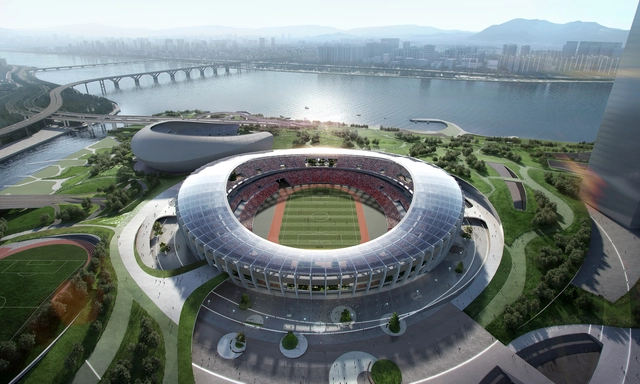
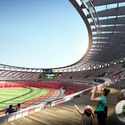
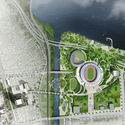
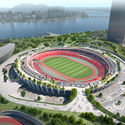
Built before the 1988 Summer Olympics, the Seoul Olympic Stadium in the Korean capital city’s Songpa District remains an active and treasured institution. Designed by Kim Swoo-geun, the stadium represents a significant moment in Korea’s modern history and remains a venue for large concerts and the home of Seoul E-Land FC.
While the Olympic Stadium itself will stand visibly intact in its original form, this spring the Korea National Urban Planning Association staged a competition for a new design of the Jamsil Sports Complex, which includes several sporting venues and buildings adjacent to the stadium, as well as almost 160,000 square meters of total area. Following the deadline earlier this month, the jury has announced NOW Architects in collaboration with NBBJ and SAMOO, as the winners of the competition.























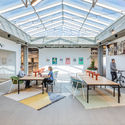

_Garrett_Rowland_Courtesy_of_Gensler_02.jpg?1598951304 "Reebok Headquarters / Gensler. Image © Garrett Rowland")