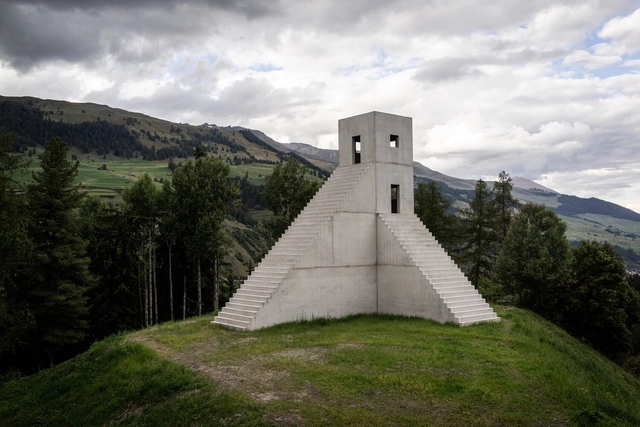
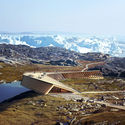
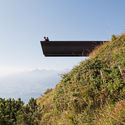
House to Watch the Sunset, concrete. Image Courtesy of Alma Zevi
Alma Zevi has developed a book offering an intimate and definitive account following the career of Swiss sculptor, painter, and architect Not Vital. This comprehensive book delves into Vital's pomading life, seeking and building homes in various cities, from Paris, New York, Beijing, and Rio de Janeiro. The book explores the artist's seminal sculpture practice and architectural projects, featuring a catalog of over 450 sculptures and related works. Drawing on archival material and personal interviews with the artist, Zevi seeks to provide a portrait of his career to date.
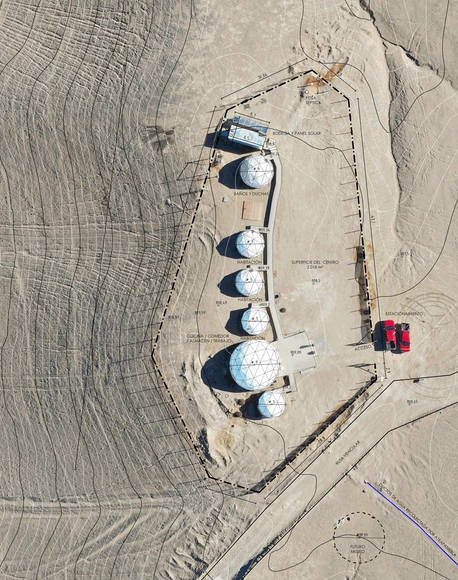
Tomás Bravo has been selected to be part of the ArchDaily's 2024 Best New Practices, highlighting his work about the dialogue between architecture and territory, and the use of advanced technologies to analyze nature and heritage through a process that involves a project in itself. Originating from Chile's diverse and complex geography, he proposes using classical architectural representation in combination with technological tools and measurement methodologies to bring the territory and heritage closer to architecture professionals and their clients.
The concept of permaculture refers to a design system capable of creating sustainable human environments based on an ethic and a series of ecological, environmental, and resilience design principles. In contact with plants, animals, buildings, and infrastructures such as water, energy, and/or communications, permaculture analyzes the possible relationships between these elements based on their position in the landscape. Its 12 design principles can be applied in multiple architecture projects of varying scales and programs, contributing, for example, to the dissemination of new ways to reduce energy consumption in homes, save water through rainwater harvesting or the recycling of greywater for sanitary systems, gardens, and more, and participate in food production, among other matters.
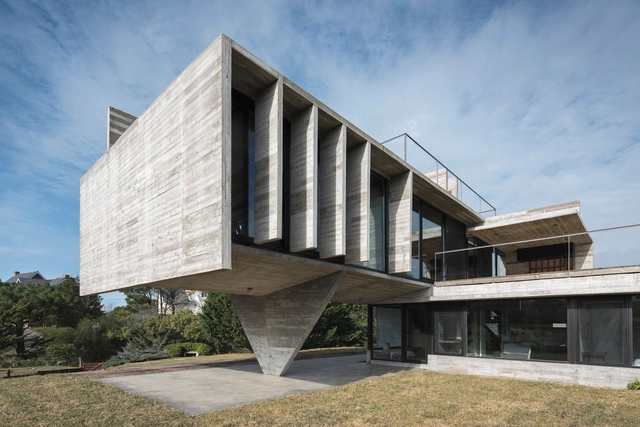
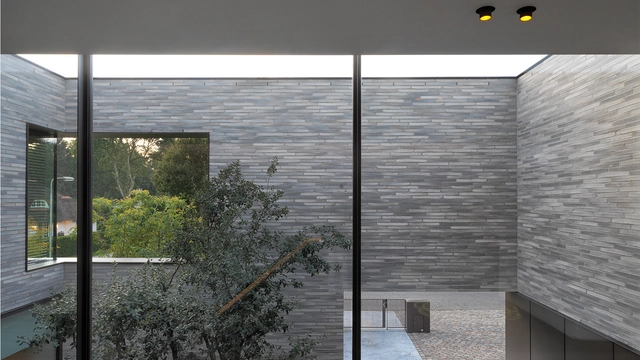
In response to the diverse topographies and natural conditions throughout the Argentine territory, the works of Luciano Kruk propose an architecture that works in harmony with the environment, the landscape, and the nature in which they are situated. Whether immersed in a forest, on sloping terrain, or on a rural plain, among other geographies, his intention is to enhance the relationship between the interior and exterior of the architecture, using concrete as the main material in most of his projects.
PORTO ALEGRE, RS, BRAZIL, 05/07/2024 - General photos of floods, Av Loureiro da Silva, CAFF and region. Photos: Gustavo Mansur/ Piratini Palace. Flickr user licensed under CC BY-NC 2.0 DEED Attribution-NonCommercial 2.0 Generic
The world has changed, and accepting this fact is no longer a matter of choice but survival. Our rainfall patterns, periods of drought, average temperatures, sea levels—everything is in constant flux. The denialist stance of many countries, including Brazil, has led to catastrophic situations like the one we are facing now.
The floods that devastated the southern region of the country in recent days cannot be considered isolated incidents. Due to global warming, climate events like this will become increasingly frequent. In other words, unfortunately, we cannot prevent them from happening, but we can—and must—make our cities more resilient to these situations.
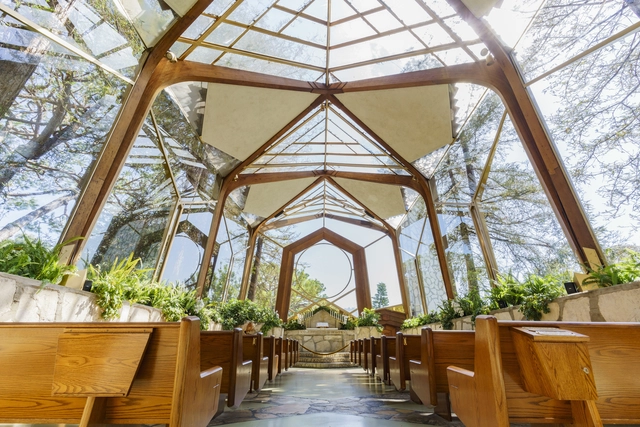
The Wayfarers Chapel, known locally as "The Glass Church," was designed by Lloyd Wright, the eldest son of architect Frank Lloyd Wright, and completed in 1951. Located in the Palos Verdes peninsula in Los Angeles, its design aimed to blend the lines between architecture and nature, with large-span glass panels opening up to space toward the redwood canopies. Last year, the structure was designated a national historic landmark. Now, due to “accelerated land movement” in the area, the structure, which has been closed off to the public since February, was announced to be disassembled to protect it from further damage.
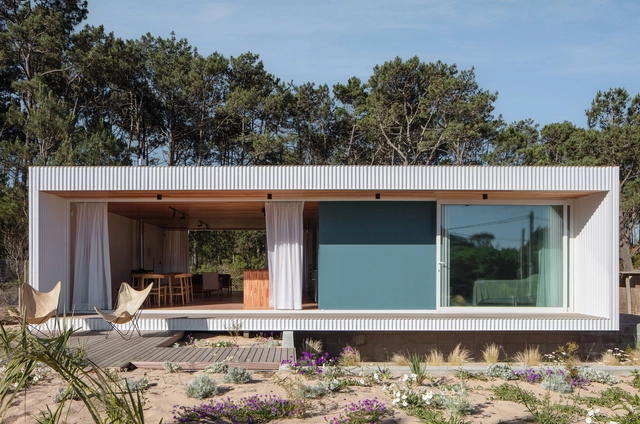
How can industrialization and environmental responsibility go hand in hand? What siting, technological, or constructive strategies can be developed without harming the surrounding landscape? The application of modular design in architecture has been in practice for years, with a history involving the pursuit of standardization and modular coordination among materials, products, and more. Over time, it has been complemented by various environmental, sustainable, ecological, and economic factors to achieve the adaptability and functionality desired by its inhabitants.
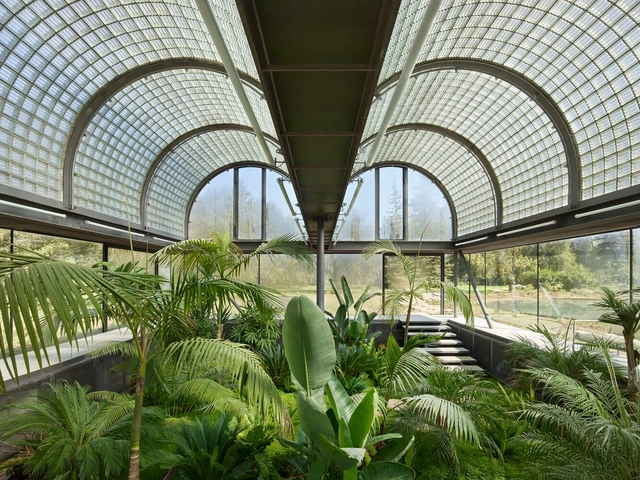
When delving into the envelope of construction and examining how the interior relates to the exterior, the concept of greenhouses emerges as an opportunity to cultivate life indoors, whether dependent on external factors or not. Defined as spaces enclosed by glass or other transparent plastic materials, greenhouses facilitate the growth of vegetables and ornamental plants even during periods of adverse external weather conditions. However, what does designing for plants involve?Climate, species, structural design, and the type of covering are just a few of the considerations to take into account.
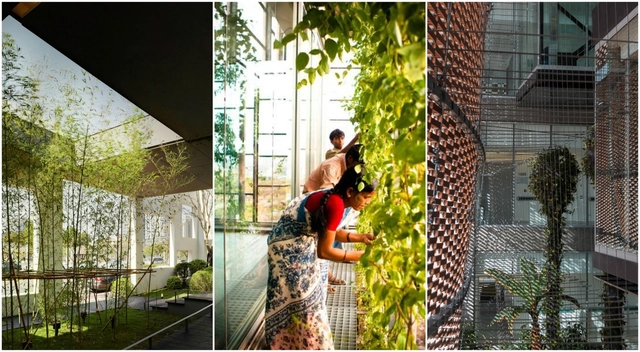
Largely driven by rural migration to cities and overall population growth, 68% of people worldwide will live in urban areas by 2050. By doing so, many will benefit from greater access to basic services, proximity to public transportation, and better education and employment opportunities. But the pursuit of living urbanized lives also leads to isolation from the outdoors –be it a forest, a meadow or the mountains– that can negatively impact our physical and mental health. Exposure to nature has long been proven to reduce stress levels, boost mood, foster productivity and, above all, enhance well-being. So, considering we typically spend around 93% of our time indoors (and that the pandemic has magnified that statistic), now more than ever we find ourselves seeking a connection with the outdoors and all its inherent benefits. Architects thus face the important challenge of bringing nature in, which is precisely where biophilic design comes into play.
Finnish architect Juhani Pallasmaa once said that "architecture is essentially an extension of nature into the man-made realm, providing the ground for perception and the horizon of experiencing and understanding the world."
In the constant hustle and bustle of the modern surroundings, it is more than needed to take a step back and listen to the sounds of something as calmly powerful as nature. Moreover, listening to the beautiful harmonies created by birds chirping and sound waves can make our inner voice louder as well.
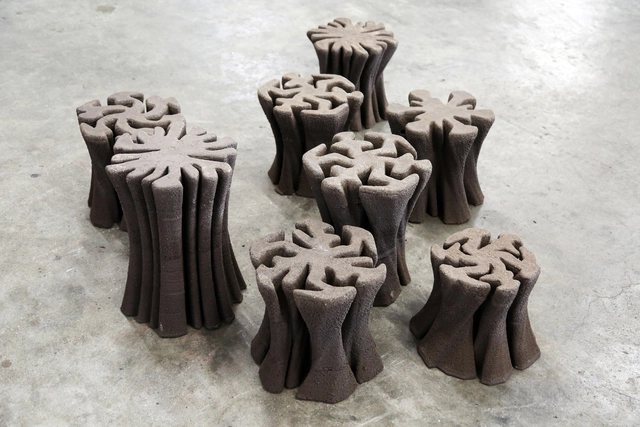
As humanity becomes aware of its impact on the environment, it has also sought ways to reverse some of the harm caused to fauna and flora, especially in cities. Our way of living, consumption and construction has caused severe damage to nature. In fact, according to a study from the Weizmann Institute of Science, we are at a point of inflection where the mass of all man-made materials is equal to the planet's biomass, and it should double by 2040. But not necessarily everything we build should have a negative impact. "The Tidal Stool" project is an example of this - part of a comprehensive revitalization project in Kuk Po Village in Shau Tau Kok in Hong Kong, which brings together two different ecologies, the anthropocentric and natural environment.
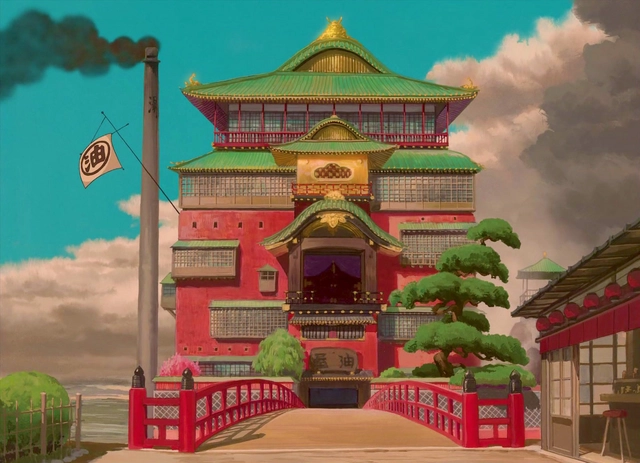
Still from 'Spirited Away' (2001). Image Courtesy of Studio Ghibli
Writers in film and animation, specifically pertaining to the genre of anime, endeavor to incorporate varied architectural backdrops to assist them in telling their stories, with influences ranging from medieval villages to futuristic metropolises. Architecture as a subject includes a wide array of elements to study, with each architectural era further inferring its context and history through its design alone. However, in film and anime, all of the contexts behind a building’s design can be condensed into a single frame, powerful enough to tell a thousand stories.
Bringing the weather inside is usually the opposite of what you want from a building envelope. However, new research from the University of Oregon, described in an article by The Washington Post, aims to show the physical and psychological benefits of letting nature inside. Signs of nature and change are both beneficial to our well-being, yet we don’t always have access to them when inside buildings—and humans are now spending 90% of our lives inside. But even in an urban setting, where nature may be hard to come by, there’s no escaping the weather. When researchers found ways to bring things like wind and dappled reflections of the sun inside, they found that exposure to these natural movements lowered heart rates, while being less distracting than similar artificially generated movements.
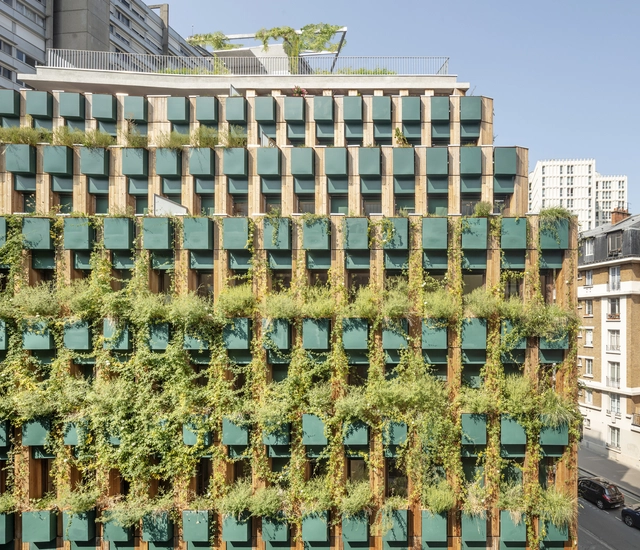
By now, green buildings are a familiar concept, but the article in The Washington Post proposes moving beyond green buildings as we know them today. While green building can be great in new construction, that excludes a lot of existing buildings that could and should also benefit from an intervention of nature. Ideally, buildings should actively demonstrate their relationship with nature, moving beyond simply “doing no harm.”
How many changes have you done to your interior space during this past year? Whether it was a change of furniture layout, repainting the walls, adding more light fixtures or perhaps even removing them, after spending so much time in one place, the space you were once used to didn’t make sense anymore. We could blame the overall situation for how we’ve been feeling lately, but as a matter of fact, the interior environment plays a huge role in how we feel or behave as well. However, if you were wondering why some neighbors seem much more undisturbed and serene even in the midst of a pandemic, it could be because the interior is greener on the other side.
Going beyond human scale is not a novelty. For centuries, builders, engineers, and architects have been creating monumental edifices to mark spirituality or political power. Larger than life palaces, governmental buildings, or temples have always attracted people’s admiration and reverence, nourishing the still not fully comprehensible obsession with large scale builds.
Nowadays, some of the largest and most impressive structures relate less to religious or governmental functions and seem to be turning towards more cultural programs. Most importantly though, today’s grandiose works are generally and openly imitative of Nature.
Building in nature constitutes a contradiction, as architecture enables immersive access to the landscape, while at the same time, natural landmarks are being slowly engulfed by tourists. The human presence in natural landscapes is an interplay of scales, a juxtaposition of archetypal shelters against the vast sceneries, as well as a negotiation between access to the landscape and environmental conservation. Exploring a variety of attitudes and formal strategies, the following takes a look at what could be learned from the experiences and design philosophies of several architects and practices that have perfected ways of addressing architecture in the landscape.
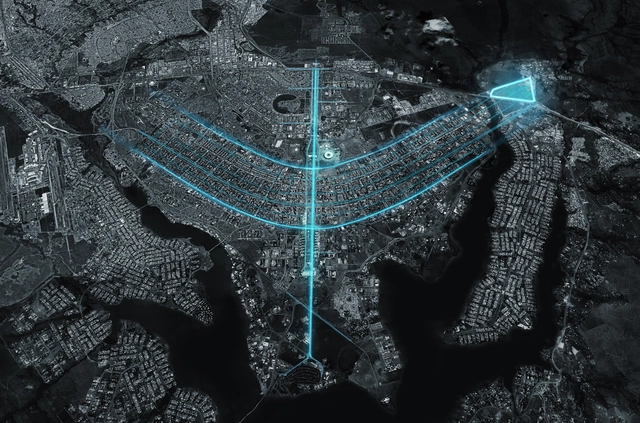
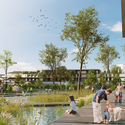
CRA - Carlo Ratti Associati has unveiled a major extension for Brazilia, reinterpreting “Lúcio Costa and Oscar Niemeyer’s modernist master plan for Biotic - a high-tech innovation district immersed in nature”. Developed in collaboration with Ernst&Young, the project that started in 2018 reimagines primarily the superblocks.












.jpg?1503108285 "© Alejandro Arango")







.jpg?1603313837&format=webp&width=640&height=580)


.jpg?1603313837)