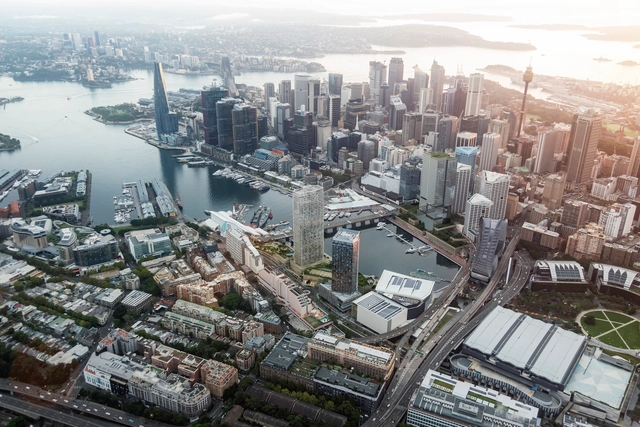
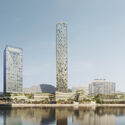
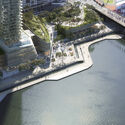
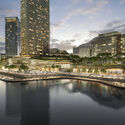
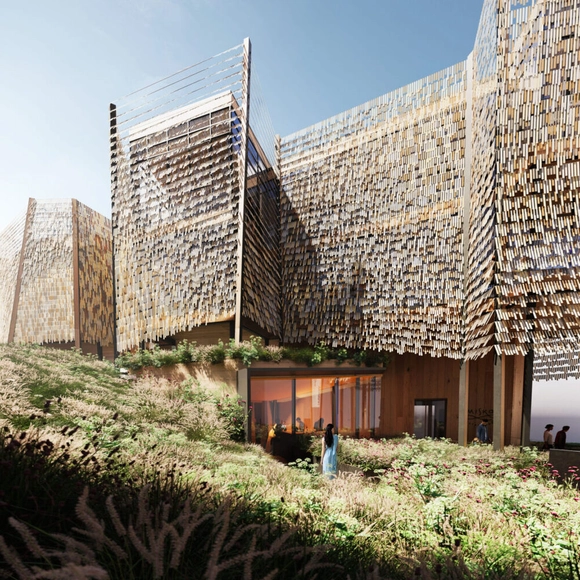
The NSW Independent Planning Commission has approved the public domain works for Sydney's Harbourside redevelopment, marking a significant milestone for the project designed by Snøhetta in collaboration with Hassell and Mirvac. First unveiled in December 2021 as the winning entry in an international design excellence competition, the scheme aims to transform Harbourside at Darling Harbour into a new, iconic destination at the heart of the city. The proposal reimagines the waterfront at Tumbalong / Darling Harbour with more than 11,200 square meters of renewed public space, featuring significant trees, planted areas, sculptural sandstone pathways, and integrated public artworks.
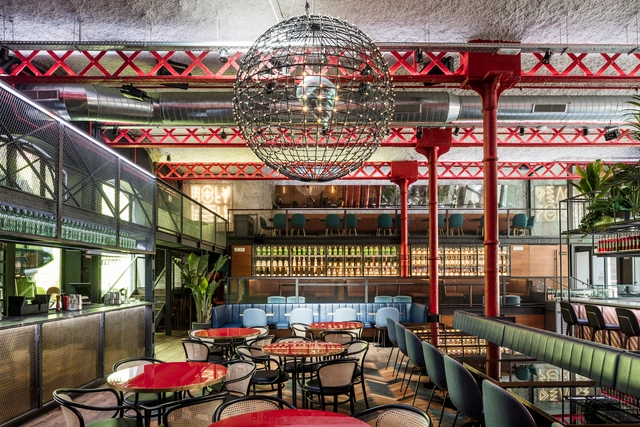
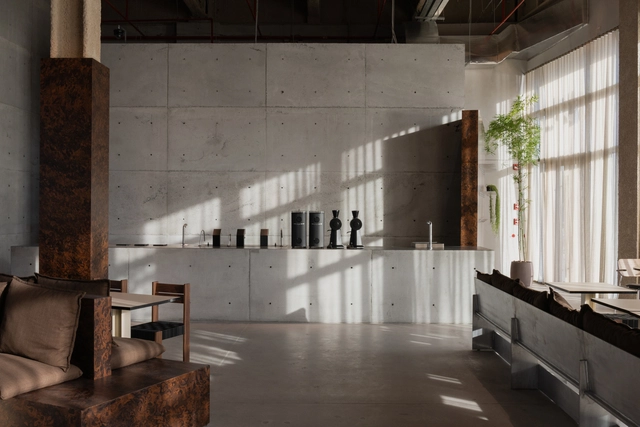
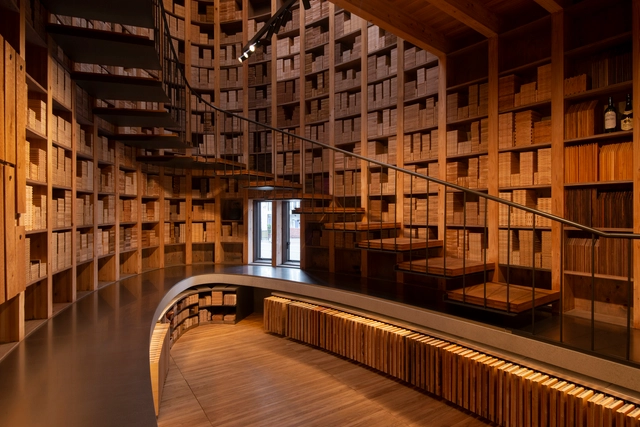
How does the design of contemporary interiors create different experiences through its materials? How does the adaptability and reuse of certain materials make it possible to generate contrasting and/or complementary atmospheres within a single space? According to each material's textures, proportions, colors, or properties, interior architecture currently recognizes the opportunity to create environments where materiality plays more than just an aesthetic role. With special attention to the final experience of its users, El Equipo Creativo aims to combine designs where landscape, nature, culture, and art stand out in interior compositions that accommodate broad programs and audiences.
When designing a space—whether at the scale of interiors, architecture, or infrastructure—materiality is a central concern. Beyond aesthetics, materials determine how a project functions, ages, and endures. Some architects—such as Wang Shu and Kengo Kuma—have built their practices on a deep sensitivity to the potential and limits of materials. But even in the most pragmatic sense, the question arises: What lasts? What doesn't? And how do materials change over time? Naturally, materials shape atmosphere and appearance—qualities that often matter most to clients. Yet increasingly, the discourse around materiality has shifted from structural substance to surface treatment. When did we start focusing more on "decorating" our spaces by layering one material over another, rather than relying on the inherent beauty and performance of the building fabric itself?
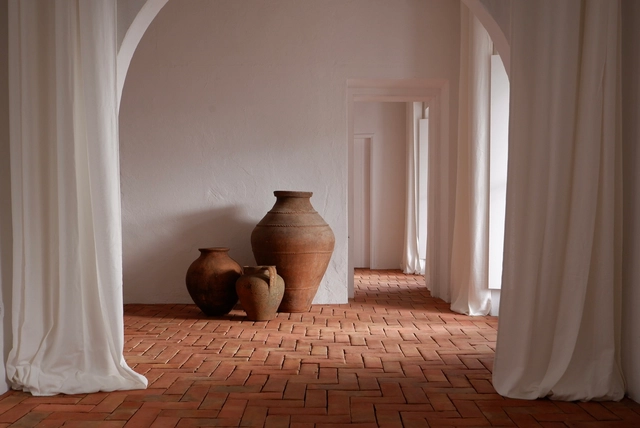
Earth-based flooring materials comprise natural elements such as clay, sand, silt, lime, and organic fibres. They offer both structural performance and sensory engagement when used in both outdoor and interior spaces. Due to their thermal properties, durability, and sustainable qualities, these materials have evolved from vernacular construction techniques into high-value architectural elements that are always being reinvented and optimized. There are several types of earthen floorings, each offering unique benefits, and they are increasingly used in interior settings.
When creating exhibition spaces, the design of the experience, the proposed route, and the transmission of certain perceptions and senses contribute to establishing different bonds and connections between the displayed objects and their visitors. Understanding a showroom as a space designed to creatively and experientially showcase products and services, what design strategies could enhance users’ interior experiences? How does interior design engage in dialogue with exhibition architecture?
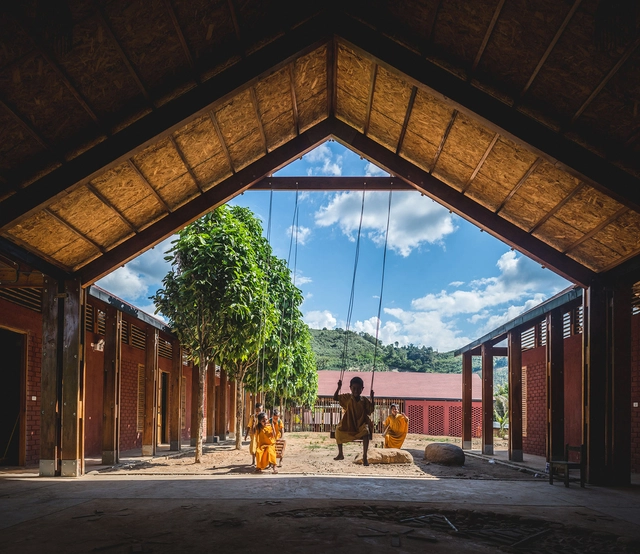
In an effort to foster a sense of belonging among its inhabitants, to value ancestral cultures, and to preserve identity, the Latin American region embraces an architecture rich in nuances and regional characteristics. The use of local materials and construction techniques, or the dialogue between modular and vernacular approaches, among other aspects, reflect the intention to promote the involvement of native communities, students and their families, Iindigenous peoples, and local builders in the design and construction processes of a wide variety of rural schools throughout Latin America.
At a time when architectural practice is increasingly tied to climate and context, the boundary between the built and the natural has become a critical site of experimentation. This month's unbuilt selection gathers eight conceptual projects that work with the edges of landscape. In Ramia by João Teles Atelier, the architecture draws directly from the metaphor of a seed breaking through soil, using wood, concrete, and water to create a sensorial route through Tulum's ecology. Meanwhile, Mobius Pier by X Atelier loops gently over the river edge, becoming both infrastructure and observation point. Similarly, Il mare degli Umbri approaches the threshold differently, restoring the historic shoreline of Lake Trasimeno and reintroducing local wetland ecologies. Each project in this collection reflects a unique position: some treat the edge as a spatial experience, others as a regulatory line, and others still as a point of cultural or ecological return.
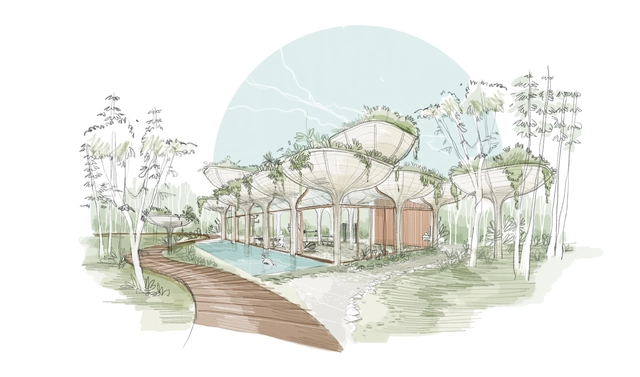
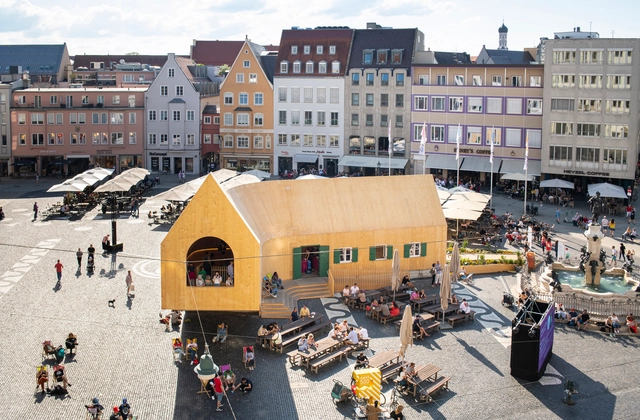
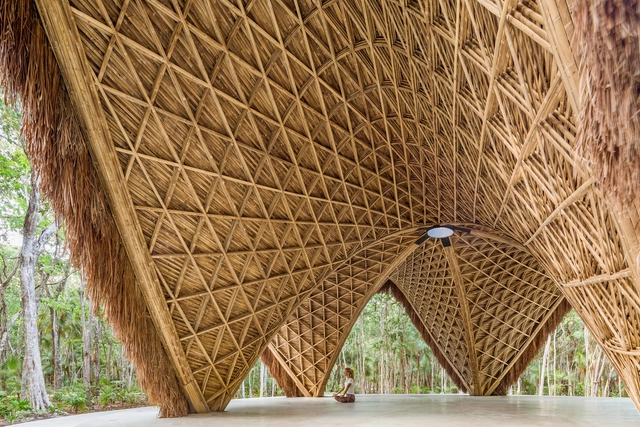
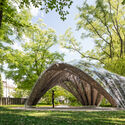
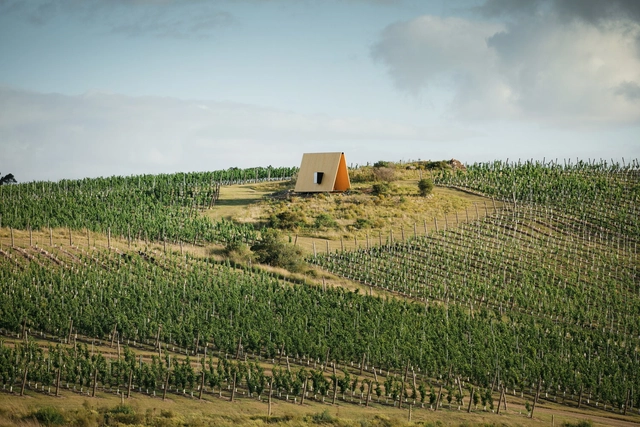
How do pavilions emerge in architecture? What role do they play in urban spaces? Beyond the multiple interpretations that exist around the world, the pavilion, as an architectural principle and typology, tends toward extroversion, often associated with a centrifugal nature and visual openness toward the horizon, which is linked to its origins as a tent offering shelter from the elements. Pavilions are usually identified as isolated and independent structures that can promote lateral openings in the urban space, panoramic or introspective views, technological reflections, and material experiments that are recognizable from the outside or once inside.
Artificial intelligence (AI) is no longer a futuristic idea in architecture — it is a concrete reality that is reshaping how we design. In seconds, computational systems can process and evaluate a wide range of variables — formal, programmatic, contextual, and regulatory — guiding architects toward highly optimized solutions. But as we embrace this algorithmic revolution, a critical question arises: can architectural intelligence be reduced to data-driven logic? In response, alternative approaches are gaining momentum — ones that value ways of building grounded in sensory experience, adaptation to place, and the intergenerational transmission of knowledge. In the exchange between artificial and ancestral forms of intelligence, a deeper understanding begins to take shape. Intelligence does not reside in the tools themselves, but in the intention and sensitivity with which we use them to navigate complex realities.
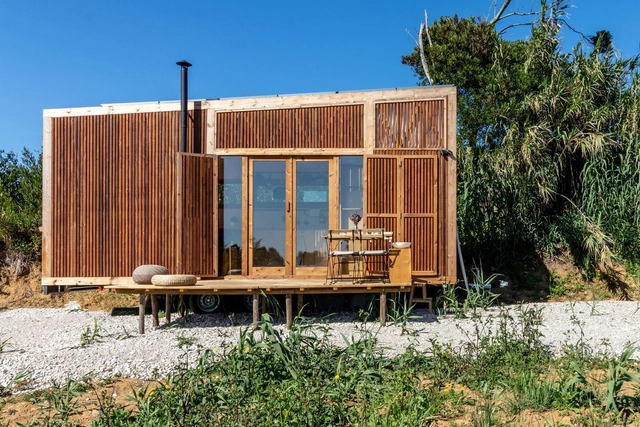
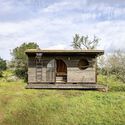
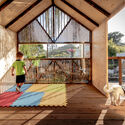
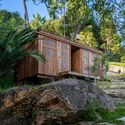
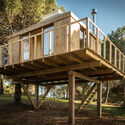
How is it possible to maximize livability in small spaces? What design decisions contribute to functionality and the fulfillment of the inhabitants' essential needs? Over the past decade, small-scale architecture has gained prominence in the quest to find new ways of living in connection with nature and in pursuit of relative self-sufficiency, among other reasons. From minimal homes or tree houses to fine carpentry solutions and sculptures, the Portuguese design studio Madeiguincho is dedicated to developing timber-based projects with the aim of promoting knowledge of wood craftsmanship as both a raw material and a building medium.
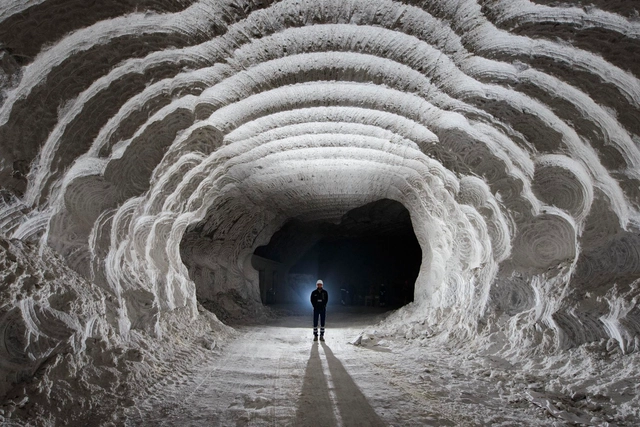
Blurring the boundaries between surface and underground, The In-between Scape and Transitorre boldly reimagine the Petralia Soprana Salt Mine as a meeting point of contrasts—where education blends with leisure, nature with architecture, and visitors become part of the story. These visionary projects, born from YACademy's Architecture for Landscape program, use bold forms and innovative materials to spark a dialogue between people and place, transforming the mine into an immersive and deeply connected experience. Drawing on a decade of expertise in designing within extraordinary natural sites, the program offers a unique educational journey into meaningful, context-driven architecture.
Throughout the course, Yacademy aims to train professional designers capable of intervening in astonishing and monumental natural contexts. Through an extensive program of lectures by master architects, exclusive site visits, hands-on workshops, and design reviews, designers will become more and more able to reconnect human design to the natural environment and be inspired by landscape to design outstanding, sustainable and impressive architectures. Moreover, the program guarantees an internship in a well-renowned architectural firm.
At a global level, contemporary architecture continues to explore tools and design methodologies to integrate nature into habitable spaces, given its proven benefits and contributions to improving people's quality of life. While there are diverse religious beliefs around the world, religious architecture generally expands beyond its uses and functions to connect with the sacred. Senses, memories, and emotions are transmitted in these spaces through the use of certain materials, spatial organizations, and even sounds and aromas that enhance experiences in atmospheres of spirituality, divinity, and reflection. In Mexico, Chile, Ecuador, Brazil, and Uruguay, projects for places of worship open to the outdoors reflect an architecture that adapts to different natural environments while maintaining the premise that each religion is tied to a social identity and requires a particular connection with its community and surrounding landscape.
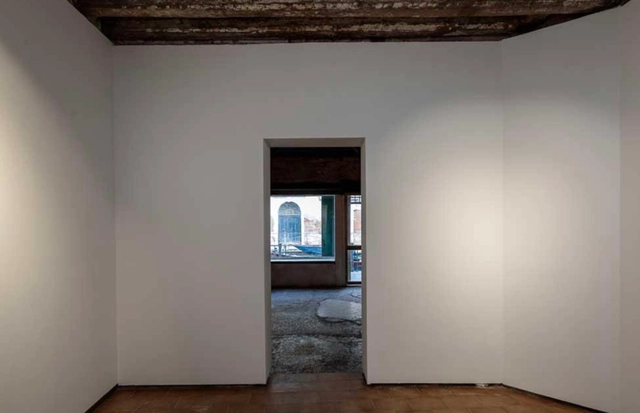
Pakistan has unveiled its national pavilion for the 19th International Architecture Exhibition - La Biennale di Venezia, set to take place from May 10 to November 23, 2025, in Venice, Italy. Titled (Fr)Agile Systems), the pavilion explores the dual nature of resilience and vulnerability in the face of climate change, using Pakistan's rich geological and cultural heritage as a lens to examine global environmental inequities. Through a striking installation featuring rock salt, a material shaped by time yet susceptible to change, the pavilion challenges dominant narratives of climate adaptation, advocating for localized, nature-based solutions rather than one-size-fits-all approaches.
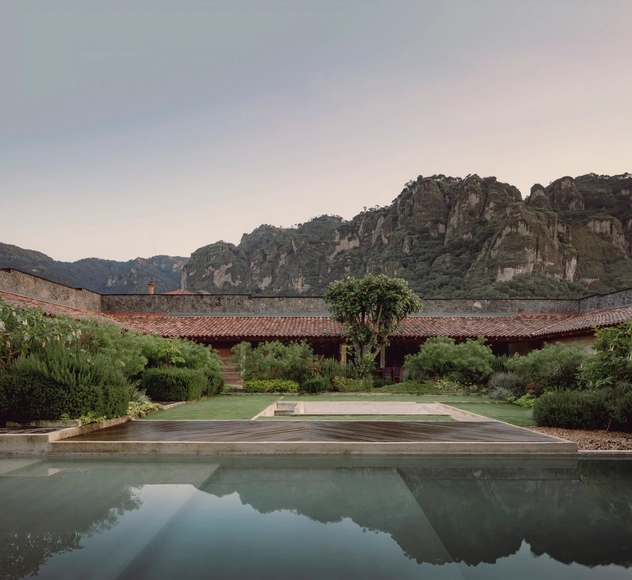
Recently selected to participate in the upcoming 2025 edition of the Latin American Architecture Biennial in Pamplona, Práctica Arquitectura has established itself as a young and promising firm in the region, specifically in Mexico. Their architectural work focuses on materializing projects that achieve a high level of sensitivity, both for those who inhabit them and for their immediate surroundings, whatever they may be. In close connection with landscapes and terrains, their projects come to life through a design that carefully considers materials, structures, and details, while ensuring a sensory and emotional experience in the spaces they create.
In a recent interview with Louisiana Channel,ecoLogic Studio discusses a new approach to architecture that explores the relationship between nature and urban design. Claudia Pasquero and Marco Poletto, the studio's lead architects, explain that modern architecture should be rethought to adapt to the changing environment and to serve as a connection between urban life and natural systems. The architects compare the current transformation in the field to the period of the Renaissance, when architecture evolved in response to the needs of society. Today, they argue, there is an opportunity for architects to learn from nature and design urban spaces that are both sustainable and functional.
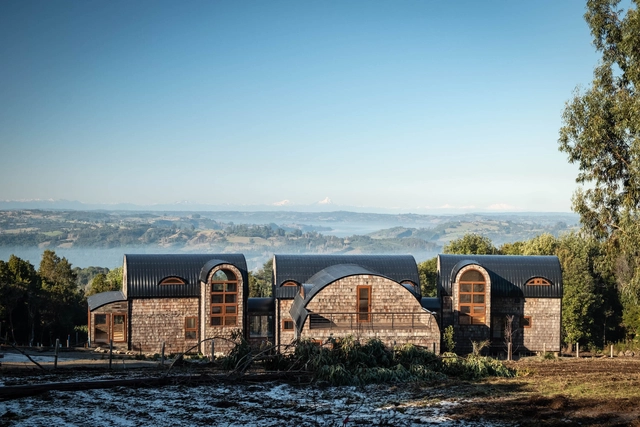
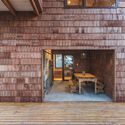
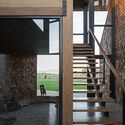
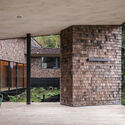
On a slope, along the banks of a river, among trees, or on an expansive hillside, each territory serves as a living testament to its local traditions. Through its architecture, the experimentation, appreciation, and use of certain materials, construction techniques, local crafts, and site-specific tools aim to preserve stories and pass on the discoveries and learnings that have shaped many of the practices still used in construction today. In Chile, the language of wooden shingles evokes a reflection rooted in history and an understanding of relationships, timelines, and life networks.
On the shores of serene lakes, where water reflects the harmony between architecture and nature, homes emerge as true retreats. Designed to offer comfort and a deep connection with the surroundings, these residences stand out worldwide for their diverse materials and scales, adapting to different landscapes and lifestyles. From remote woodencabins to sophisticated concrete and glass mansions in urban areas, each project takes advantage of natural resources and the unique characteristics of its setting.
The Hungarian Pavilion at Expo 2025 in Osaka is designed to reflect the event's central theme, "Designing Future Society for Our Lives." It explores the relationship between humans and nature, emphasizing cultural heritage and sustainability through its architecture and exhibition. The pavilion will offer an immersive experience centered around music, heritage, and the connection between people and their environment.