1. ArchDaily
  2. Natural Materials

Natural Materials: The Latest Architecture and News

Building Among the Branches: A Showcase of Contemporary Treehouse Architecture

Subscriber Access | 

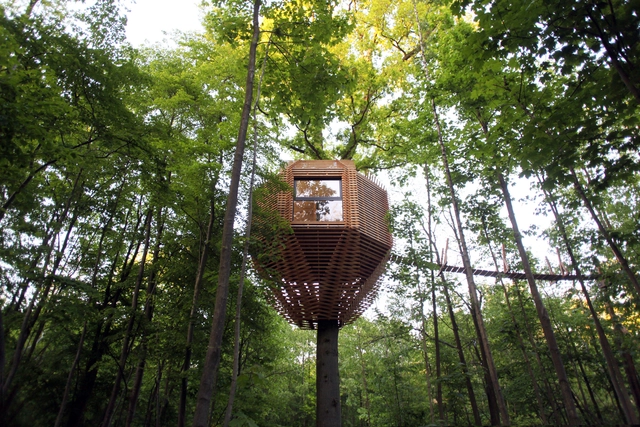
Despite their whimsical appearance, treehouses offer a unique platform for structural innovations and design explorations. Traditional treehouses rely on the trunks of trees for structural support, but, in order to ease the load supported by the tree, contemporary projects often introduce additional systems, such as stilts to maintain the image while offering additional support. One of the key advantages of elevating them in this way is the reduced environmental footprint. Treehouses can be designed to leave the forest floor untouched, preserving small-scale ecosystems. By freeing up the ground below, they minimize disruptions to native flora and fauna, allowing nature to thrive undisturbed. Similarly, many architects use the local topography to create seamless connections, incorporating ramps, stairs, or bridges that integrate with the landscape. These solutions not only improve accessibility but also enhance the overall experience creating an architectural promenade that moves between the treehouse and its surroundings.

"This sensitivity to the environment is reflected not only in the structural design but also in the careful selection of materials. The use of natural materials like wood, also helps the structure blend with its environment. Some designers have gone further by employing alternative materials such as mirrored panels to reflect the surrounding forest and mask the treehouse's presence entirely, demonstrating that the choice of material can contribute to creating a project that feels like an extension of its setting rather than an imposition on it. This collection highlights notable examples from Sweden, Denmark, Indonesia, and France, showcasing their diverse approaches.

Building Among the Branches: A Showcase of Contemporary Treehouse Architecture - Image 1 of 4Building Among the Branches: A Showcase of Contemporary Treehouse Architecture - Image 2 of 4Building Among the Branches: A Showcase of Contemporary Treehouse Architecture - Image 3 of 4Building Among the Branches: A Showcase of Contemporary Treehouse Architecture - Image 4 of 4Building Among the Branches: A Showcase of Contemporary Treehouse Architecture - More Images+ 6

On the New Life of Buildings: Concepts, Reflections, and Adaptive Reuse Projects of 2024

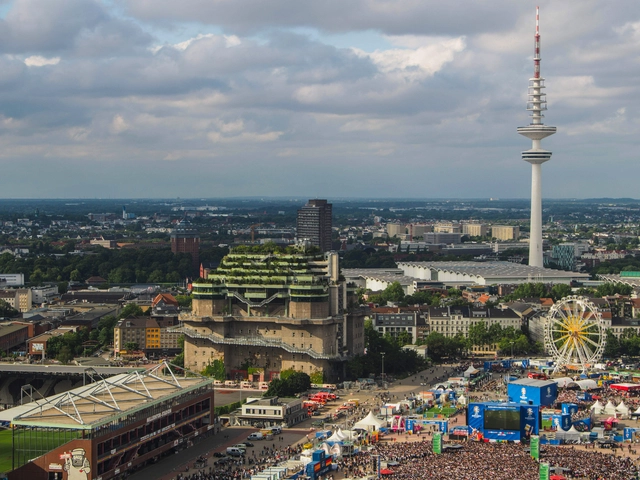
Discussing adaptive reuse involves exploring multiple fields of action and disciplines, interpreting opposing perspectives and opinions from various stakeholders, and even sparking the reactivation or revitalization of certain spaces in favor of communities. In recent years, notable projects have emerged, such as the conversion of factories and industrial warehouses, as well as the transformation of industrial structures into modern offices. Adaptive reuse of existing buildings has continued to evolve and expand globally throughout 2024, aiming to improve the quality of life for residents while also contributing to environmental sustainability.
On the New Life of Buildings: Concepts, Reflections, and Adaptive Reuse Projects of 2024 - Image 1 of 4On the New Life of Buildings: Concepts, Reflections, and Adaptive Reuse Projects of 2024 - Image 2 of 4On the New Life of Buildings: Concepts, Reflections, and Adaptive Reuse Projects of 2024 - Image 3 of 4On the New Life of Buildings: Concepts, Reflections, and Adaptive Reuse Projects of 2024 - Image 4 of 4On the New Life of Buildings: Concepts, Reflections, and Adaptive Reuse Projects of 2024 - More Images+ 19

Straw, Earth and Bamboo: Innovative Use of Natural Materials in 2024 Projects from the Global South

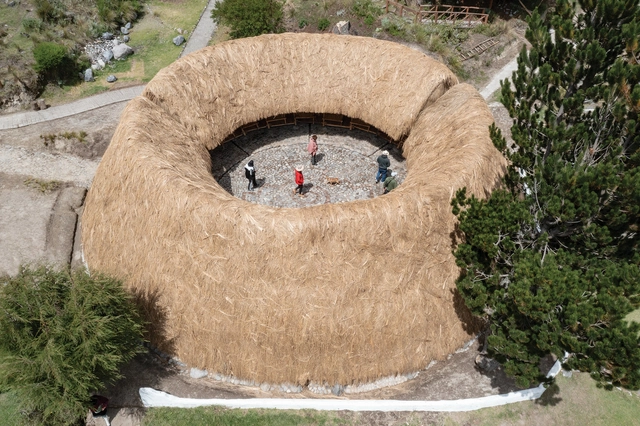
Sustainability has been a central theme in architectural discussions for years, encompassing not only the profession’s role in combating climate change and transitioning to low-carbon economies but also preserving cultural heritage and celebrating vernacular traditions. In 2024, a wave of projects and studies stood out for their innovative use of natural materials, particularly in the Global South. These initiatives skillfully blend creativity and technology with renewable resources, demonstrating how architecture can deliver high-quality spaces that align with contemporary demands for sustainability and environmental responsibility.

Straw, Earth and Bamboo: Innovative Use of Natural Materials in 2024 Projects from the Global South - Image 1 of 4Straw, Earth and Bamboo: Innovative Use of Natural Materials in 2024 Projects from the Global South - Image 2 of 4Straw, Earth and Bamboo: Innovative Use of Natural Materials in 2024 Projects from the Global South - Image 3 of 4Straw, Earth and Bamboo: Innovative Use of Natural Materials in 2024 Projects from the Global South - Image 4 of 4Straw, Earth and Bamboo: Innovative Use of Natural Materials in 2024 Projects from the Global South - More Images+ 9

Estudio Rare: An Architecture of Experimentation Through Art

Selected as one of ArchDaily's Best New Practices 2024, Estudio Rare defines itself as an interdisciplinary experimental space. Based in Córdoba, Argentina, its three founding partners, Agustín Willnecker, Iván Ferrero, and Mateo Unamuno, met while studying at the Faculty of Architecture of the National University of Córdoba. With a young but notable trajectory, the Rare team offers a free and dynamic perspective on design, architecture, and construction. Their works, regardless of scale or commission, demonstrate a close relationship with art, reflecting the diverse interests and personal backgrounds of each team member and their collaborators.

Estudio Rare: An Architecture of Experimentation Through Art - Image 1 of 4Estudio Rare: An Architecture of Experimentation Through Art - Image 2 of 4Estudio Rare: An Architecture of Experimentation Through Art - Image 3 of 4Estudio Rare: An Architecture of Experimentation Through Art - Image 4 of 4Estudio Rare: An Architecture of Experimentation Through Art - More Images+ 15

Integrating Nature as a Building Material: Exploring the Works of Estudio Planta

Combining experience, knowledge, tradition, innovation, and experimentation, Estudio Planta, based in Buenos Aires, Argentina, focuses on fostering the relationship between architecture and nature by using vegetation as a building material and integrating outdoor spaces into daily life. Addressing the unique characteristics of each site, programmatic innovation, sustainability, care for noble materials, and construction details, the practice defines its identity by proposing ways of living in harmony with its inhabitants and understanding the legacy that architecture can leave for society.

Integrating Nature as a Building Material: Exploring the Works of Estudio Planta - Image 1 of 4Integrating Nature as a Building Material: Exploring the Works of Estudio Planta - Image 2 of 4Integrating Nature as a Building Material: Exploring the Works of Estudio Planta - Image 3 of 4Integrating Nature as a Building Material: Exploring the Works of Estudio Planta - Image 4 of 4Integrating Nature as a Building Material: Exploring the Works of Estudio Planta - More Images+ 5

Capturing Serenity: 10 Beach Houses that Enhance the Caribbean Oceanfront Landscape

Subscriber Access | 

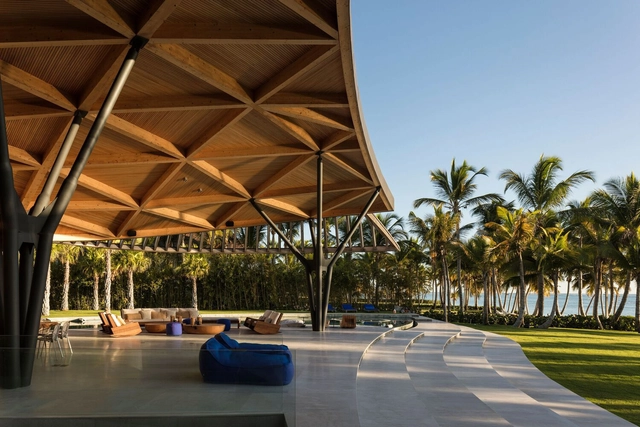
Beach houses along the Caribbean coast perfectly blend comfort, nature, and tranquility. With landscapes of white sands and crystal-clear waters, the Caribbean is home to some of the world’s most enchanting seaside retreats. Whether situated on popular islands like the Dominican Republic and Cozumel in Mexico or secluded spots like the untouched beaches of Costa Rica, these homes are designed to fully immerse guests in the lush natural surroundings, providing a uniquely serene experience.

Capturing Serenity: 10 Beach Houses that Enhance the Caribbean Oceanfront Landscape - Image 1 of 4Capturing Serenity: 10 Beach Houses that Enhance the Caribbean Oceanfront Landscape - Image 2 of 4Capturing Serenity: 10 Beach Houses that Enhance the Caribbean Oceanfront Landscape - Image 3 of 4Capturing Serenity: 10 Beach Houses that Enhance the Caribbean Oceanfront Landscape - Image 4 of 4Capturing Serenity: 10 Beach Houses that Enhance the Caribbean Oceanfront Landscape - More Images+ 20

Vibrancy and Utility: Embracing Color in Urban Apartment Kitchens

Subscriber Access | 

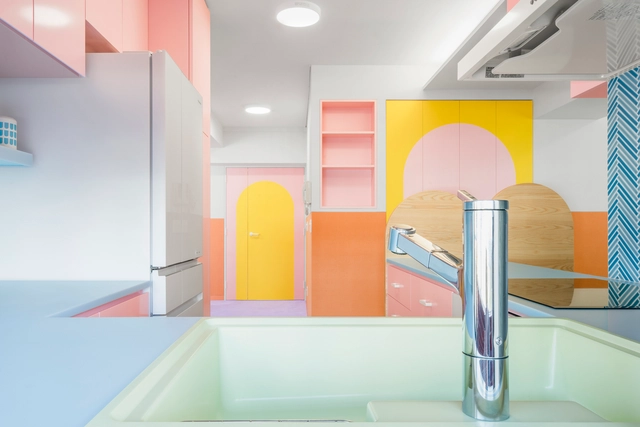
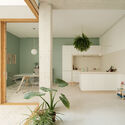
Urban apartments are frequently praised for their clever use of space, but what of their approach to color? Thoughtfully incorporating color is more than an aesthetic decision; it has the potential to shape emotional responses, influence mood, and create spatial illusions. Research in color psychology shows that colors affect our social, cultural, and psychological reactions, making them powerful design tools. Variations of blue, for instance, have been shown to slow melatonin production, keeping people more awake and alert, while shades of green relieve strain on our nervous systems, helping us feel calmer and more grounded. Color in architectural spaces can even alter our perception, creating illusions of depth, movement, and texture that influence how we experience space. Warmer hues like oranges and reds tend to make a room feel more intimate and cozy, while cool whites and blues lend a sense of openness, making spaces appear taller and more expansive.

Vibrancy and Utility: Embracing Color in Urban Apartment Kitchens - Image 2 of 4Vibrancy and Utility: Embracing Color in Urban Apartment Kitchens - Image 1 of 4Vibrancy and Utility: Embracing Color in Urban Apartment Kitchens - Image 8 of 4Vibrancy and Utility: Embracing Color in Urban Apartment Kitchens - Image 3 of 4Vibrancy and Utility: Embracing Color in Urban Apartment Kitchens - More Images+ 29

Modular Factory Construction: Discover iHouse Estudio's Projects in Uruguay

Subscriber Access | 

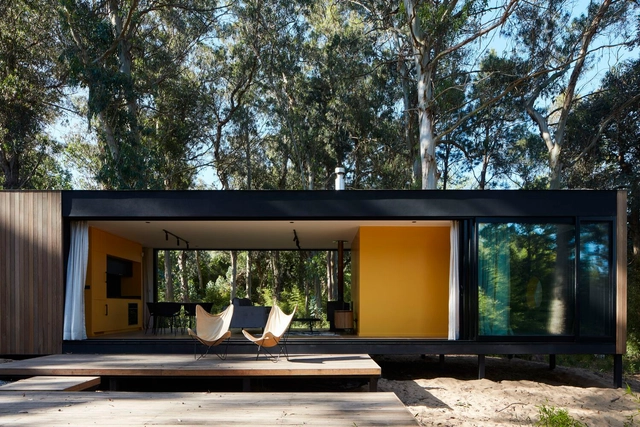
Emphasizing the enhancement of the landscape in a respectful and environmentally friendly manner, the creative and architectural process of iHouse estudio, an architecture firm based in Montevideo, Uruguay, proposes a way of living in contact with nature by integrating an industrialized construction system. With the development of a sustainable design, their objective is to contribute to environmental preservation. Additionally, by reducing energy consumption, efficiently utilizing natural resources, and properly managing water, they aim to promote the health and well-being of the inhabitants, offering significant tangible benefits in their daily lives.

Modular Factory Construction: Discover iHouse Estudio's Projects in Uruguay - Image 1 of 4Modular Factory Construction: Discover iHouse Estudio's Projects in Uruguay - Image 2 of 4Modular Factory Construction: Discover iHouse Estudio's Projects in Uruguay - Image 3 of 4Modular Factory Construction: Discover iHouse Estudio's Projects in Uruguay - Image 4 of 4Modular Factory Construction: Discover iHouse Estudio's Projects in Uruguay - More Images+ 14

Smart, Eco-Conscious Architecture and Décor Inspired by Nature’s Finest Materials

 | Sponsored Content

A new generation of sustainable practices is transforming the architectural landscape. What is its 'secret'? The combination of innovation, ecological awareness, and, fundamentally, the revaluation of natural resources that have accompanied humanity since its earliest days. While this knowledge was never truly lost, the techniques associated with these materials have long remained in the background. Today, they are making a resurgence, adapting to modern challenges, and reestablishing themselves as essential, timeless elements in tomorrow's architecture.

Building Outdoor Learning Spaces: 5 Community Projects by Semillas in Peru

Subscriber Access | 

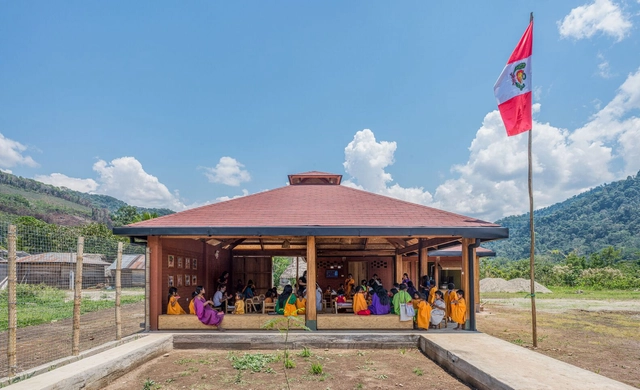
How is it possible to open educational spaces to the outdoors, and what are the appropriate conditions for their development? What bioclimatic strategies can be implemented to contribute to environmental comfort and the cultural preservation of communities? By conceiving outdoor learning spaces and blurring the boundaries between indoors and outdoors, the educational infrastructures projected by the Semillas association in the Peruvian jungle invite reflection on the opportunities for gathering, meeting, and community participation among students, families, and local residents. Linked to the site's uses and customs, this conception of space represents a way of living where the implementation of bioclimatic strategies, along with the use of local materials and construction techniques, come together to create an architecture connected to its environment and history.

Building Outdoor Learning Spaces: 5 Community Projects by Semillas in Peru - Image 1 of 4Building Outdoor Learning Spaces: 5 Community Projects by Semillas in Peru - Image 2 of 4Building Outdoor Learning Spaces: 5 Community Projects by Semillas in Peru - Image 3 of 4Building Outdoor Learning Spaces: 5 Community Projects by Semillas in Peru - Image 4 of 4Building Outdoor Learning Spaces: 5 Community Projects by Semillas in Peru - More Images+ 7