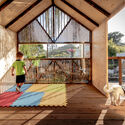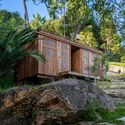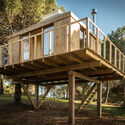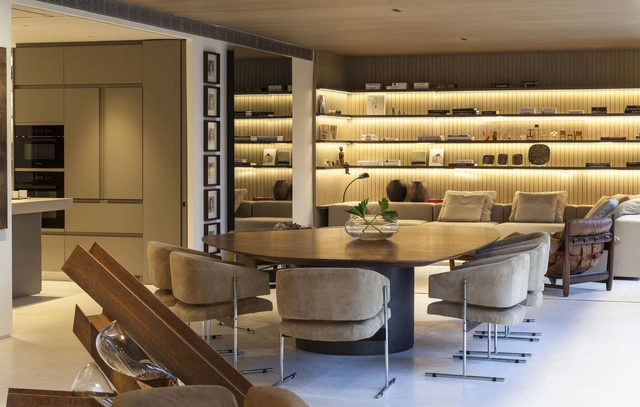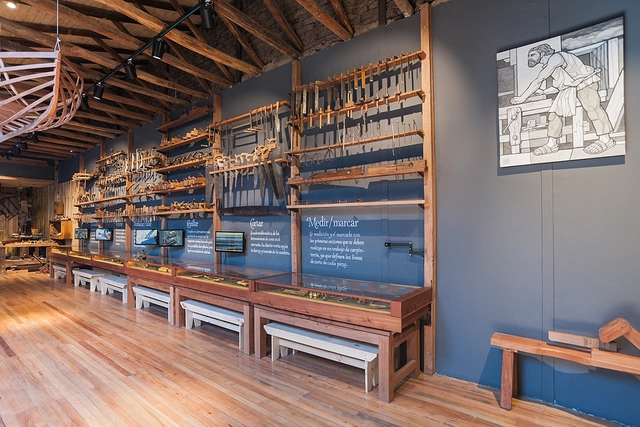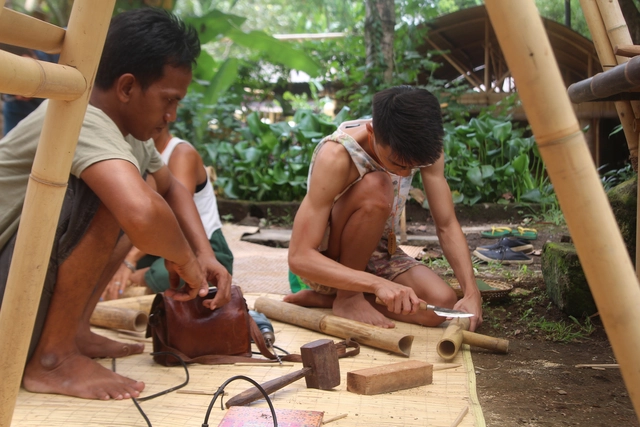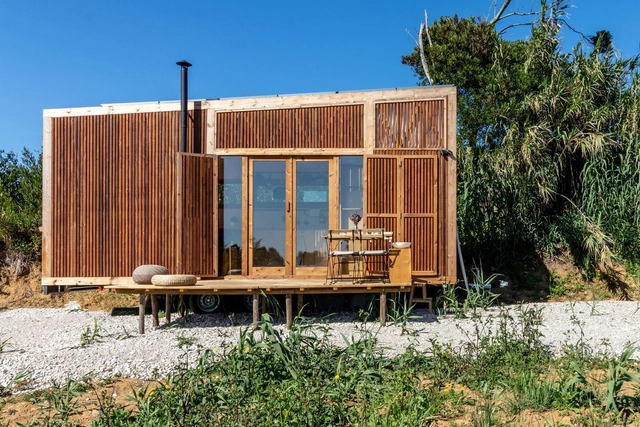
How is it possible to maximize livability in small spaces? What design decisions contribute to functionality and the fulfillment of the inhabitants' essential needs? Over the past decade, small-scale architecture has gained prominence in the quest to find new ways of living in connection with nature and in pursuit of relative self-sufficiency, among other reasons. From minimal homes or tree houses to fine carpentry solutions and sculptures, the Portuguese design studio Madeiguincho is dedicated to developing timber-based projects with the aim of promoting knowledge of wood craftsmanship as both a raw material and a building medium.
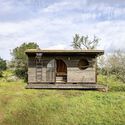
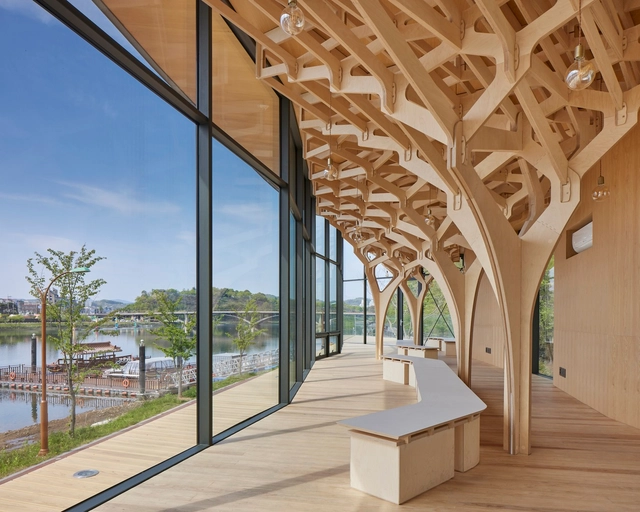
By imagining an alternative reality and rediscovering his cultural background, architect Jae Kyung Kim of JK-AR established his identity as an architect when creating his practice, selected as one of ArchDaily’s New Practices 2023. After studying and working in South Korea and the US, he’d noticed an absence of traditional Asian architecture, which had peaked his interest. He began to thoroughly look at a possibility where the traditional timber buildings of East Asia had still been relevant and continued to evolve.
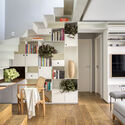
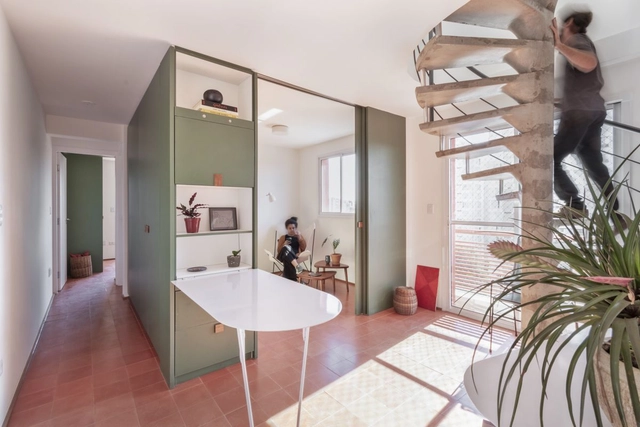
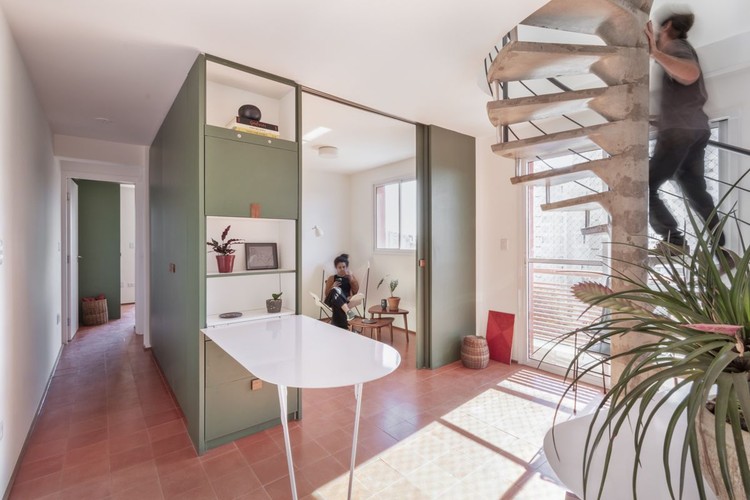
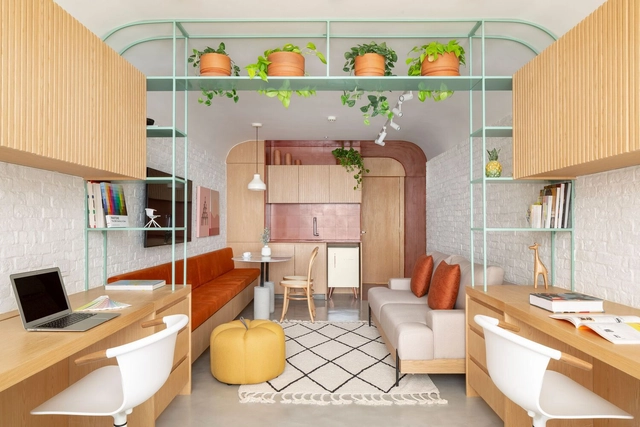
Making a space more practical, facilitating daily tasks, creating unity in interior design, providing different possibilities for an area without modifying it, and adding beauty are not easy tasks. Still, some elements are essential for achieving them: cabinets and shelves.
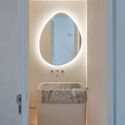
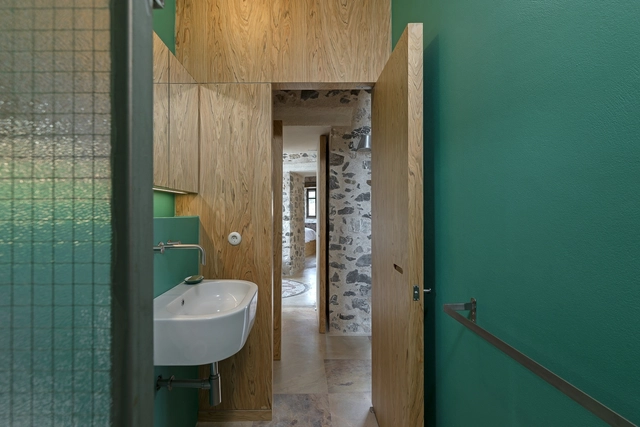
Thinking about woodworking in wet areas is one of the key parts of interior design. In the case of bathrooms, besides creating spaces for storing toiletries or towels, woodworking can serve as an element that composes the space by bringing different possibilities of decoration or even hiding pipes.
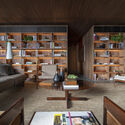
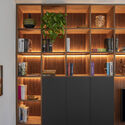
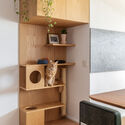
The design of cabinets and shelves is fundamental for the composition of the interior of a house. Their functions can be the most diverse - home libraries, storage, artwork and decorative elements display -, but with a little architectural ingenuity it is possible to make them protagonists, adding not only an aesthetic value to the room, but making the environment more versatile. Therefore, we have separated some tips and references to inspire your next project.
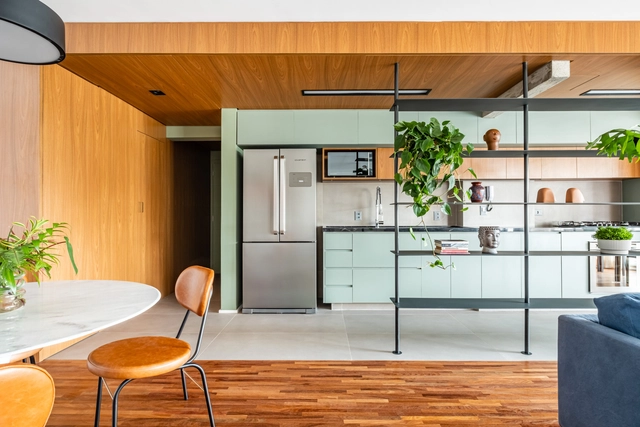
No matter what your kitchen type is, one thing is for sure: the need for cabinets. Designing a project that is functional and can incorporate all the equipment, food and ingredients can be a difficult task depending on the available area. Often, along with countertops and other coverings, cabinets are responsible for setting the tone of this environment, revealing the importance of a good design.
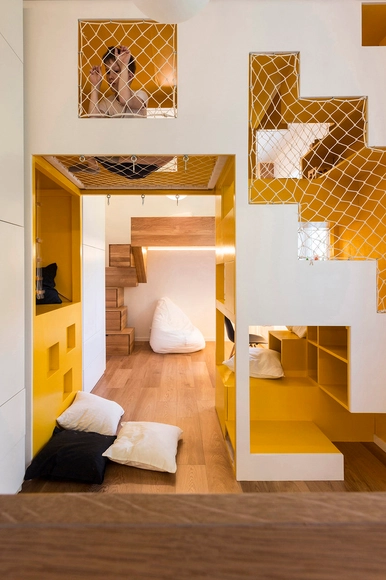
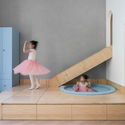
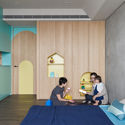
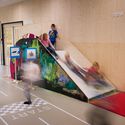
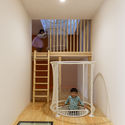
The environment we inhabit influences us directly. For kids, this environment must be especially safe and accessible, yet simultaneously stimulating, so that they can move and develop freely without jeopardizing their physical safety. We have already written about how to create playgrounds in interior spaces. Today, we put together a series of examples that use the warmth and versatility of wood to create interactive, creative, and fun interiors for children.