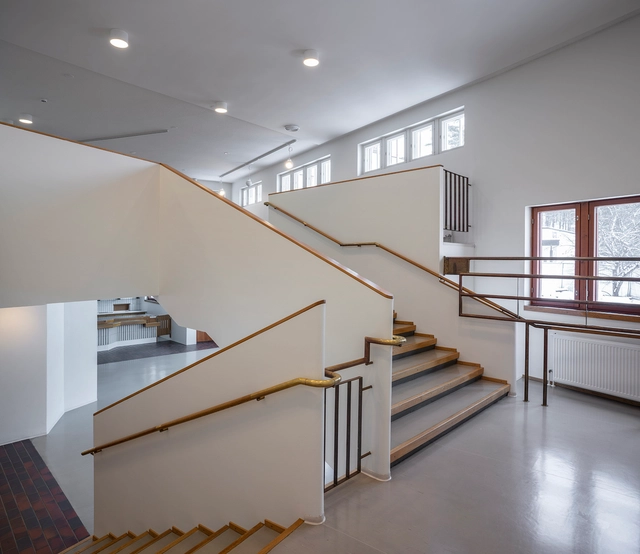
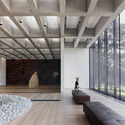
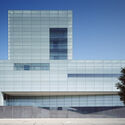
The new Aalto2 Museum, designed by A-Konsultit Architects, will showcase the cultural legacy of the architecture and design of renowned architect Alvar Aalto. The Museum will open to the public on 27 May 2023, fulfilling the architect's desire to establish a venue for the fusion of various mediums and art forms at the Ruusupuisto park in Jyväskylä, in Central Finland.
The Alto2 Museum Centre comprises three buildings: the renovated Alvar Aalto Museum, the Museum of Central Finland, and the new addition of the Aalto2 center which will join them this year. The original Alvar Aalto Museum will open its doors after having undergone structural repairs, and changes in facilities to serve the new Aalto2 concept. The Aalto2 design connects both museums and is based on an international competition held in 2015, which attracted nearly 700 entries worldwide, demonstrating the international appeal of Aalto’s architectural style.
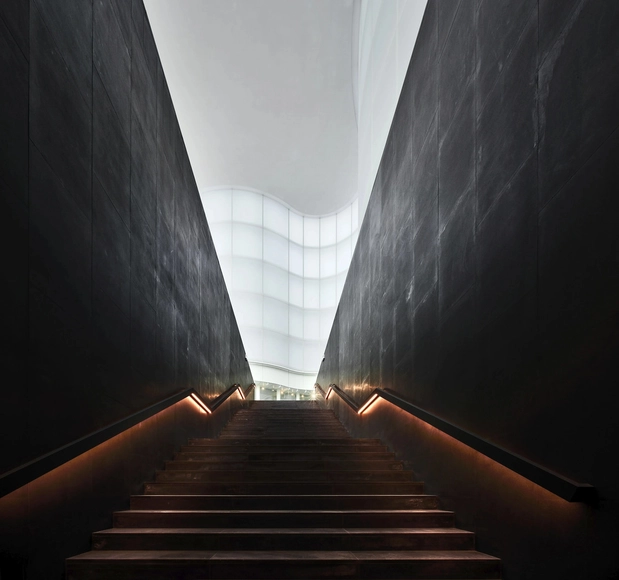
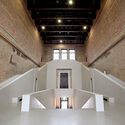
David Chipperfield, laureate of the 2023 Pritzker Prize, has designed over a dozen museums throughout his career, with some still under construction. As a typology that has significant urban and social impact, Chipperfield and his team have skillfully leveraged each commission to transform neighborhoods and cities while still honoring the essence of the place and what was there before. His museums make powerful statements without being obtrusive, and this is reflected in the choice of materials and the construction solutions used.
Like an oversized minimalism, Chipperfield gives the materials space to unfold and be understood. In his galleries and museums, the materials appear exposed, clean, and highlighted through contrast. They give character to the space while giving prominence to the art on display, generating suitable atmospheres for its proper appreciation. Regularity, continuity, and repetition help shape this background, while the filtered light finishes building the right scene.
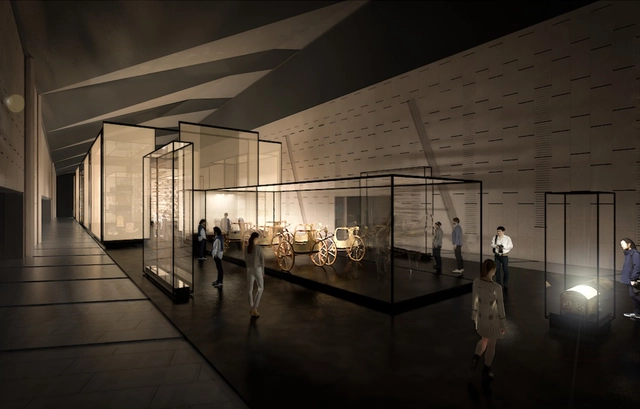
Two decades in the making, the Grand Egyptian Museum (GEM) in Cairo is one of the most anticipated cultural buildings, set to be an architectural marvel and a leading scientific, historical and archeological study center. The vast, billion-dollar mega-project occupies a site of around 500,000 square meters adjacent to the Pyramids UNESCO World Heritage Site in the Giza Plateau. Within its halls, what will soon be the world’s largest archeological museum will showcase 3,500 years of ancient Egyptian history, revealed through a collection of more than 100,000 artifacts –many of which will be displayed for the first time.
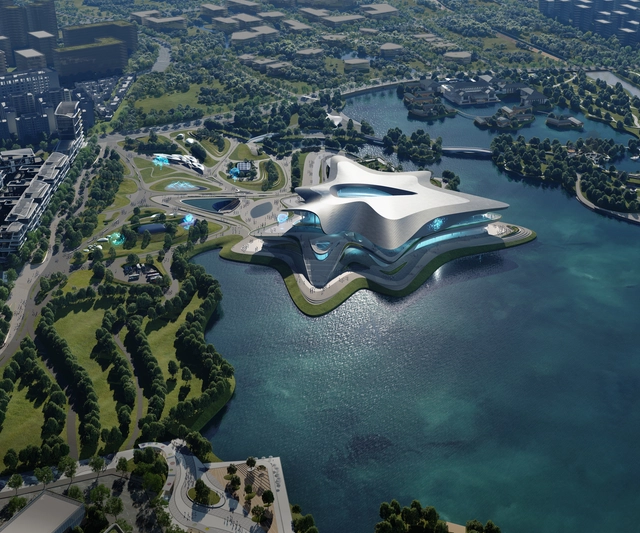
The world’s largest science fiction event Worldcon will take place in the Chengdu Science Fiction Museum, designed by Zaha Hadid Architects. Under construction, the 59,000 sq. m venue that will host the 81st annual World Science Fiction Convention and the Hugo Awards, is set to become a vibrant center of innovation and gathering place for the “leading incubator of science fiction writing in China”. In fact, the city of Chengdu, home to over 20 million residents, is transforming into an important global center of scientific innovation and research.
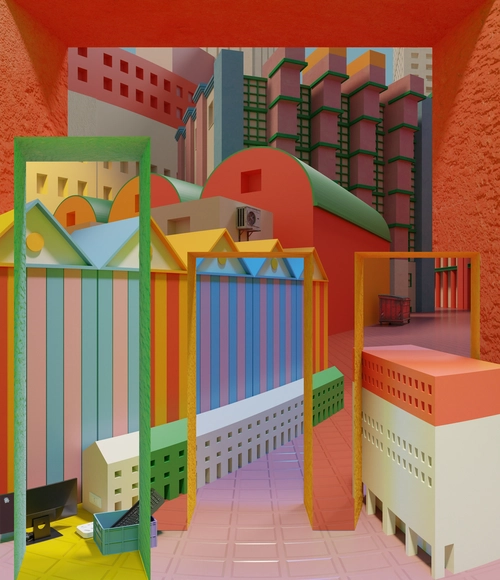
Through the “Search History” exhibition at MAXXI Museum in Rome, Lara Lesmes and Fredrik Hellberg, directors of the architecture and art studio Space Popular, set out to explore the work of Also Rossi and to translate his notions of “urban fact” and “analogous city” to the virtual realm. The installation is a reflection on the proliferation of metaverse platforms and the concept of virtual urbanism. The exhibition is part of the fifth edition of Studio Visit, a partnership between Alcantara and the MAXXI Museo nazionale delle arti del XXI secolo, which challenges designers to put forward a personal reinterpretation of the works of the masters in the MAXXI Architecture Collections.
In June 2020, the statue of 17th-century slave trader Edward Colston was toppled in the southwestern city of Bristol in England. Before this, the statue sat on a plinth in a prominent public park, before being hauled into Bristol Harbour by Black Lives Matter protestors. This act has led to a long-overdue reckoning in the UK and other Western nations, a reckoning that has necessitated a deeper analysis of monuments that line cities, and how deeply imperialism can be interlinked with parts of the built environment. The ever-green question is, what do we do with these buildings?
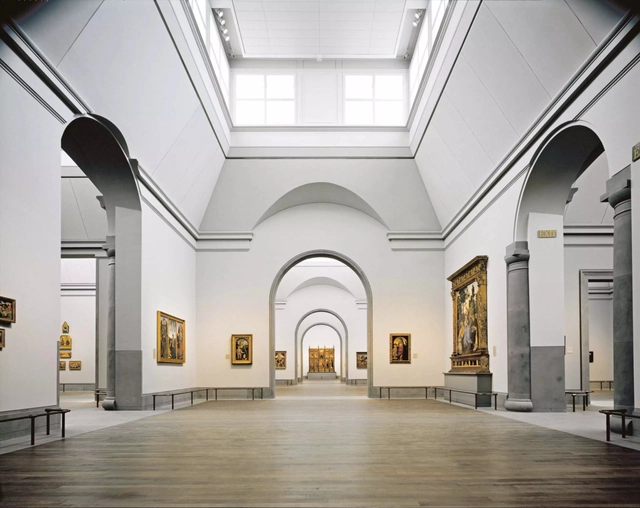
Despite its dazzling collection of masterpieces, London’s National Gallery has been cursed with a series of ill-advised architectural schemes over its two-century existence. Only once have its leaders made a truly inspired and visionary choice: in the mid-1980s, the gallery held a competition, won by Venturi, Rauch and Scott Brown (VRSB) of Philadelphia, to build a special collections building.
The addition was constructed from 1988 to 1991, using funds donated by the Sainsbury family as a gift to the nation and was immediately hailed as one of the finest buildings of its type erected in the 20th century. It has remained popular with Londoners and has served well as an expansion of William Wilkins’s undistinguished classical building ever since. Experts on the work of Robert Venturi, John Rauch, and Denise Scott Brown consider it one of their masterpieces. Apparently, the National Gallery has a different opinion.
https://www.archdaily.com/985449/in-london-a-venturi-scott-brown-masterpiece-is-threatenedMark Alan Hewitt
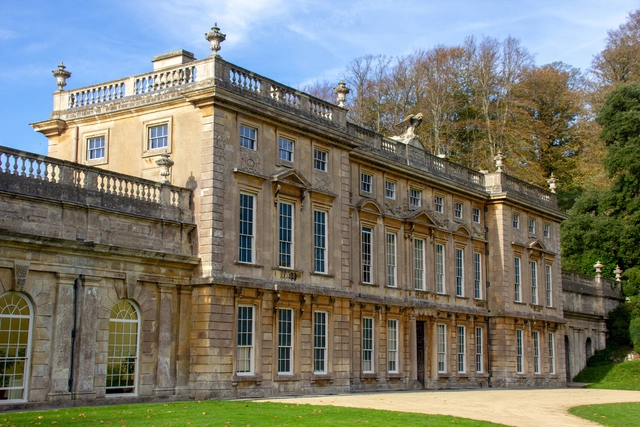
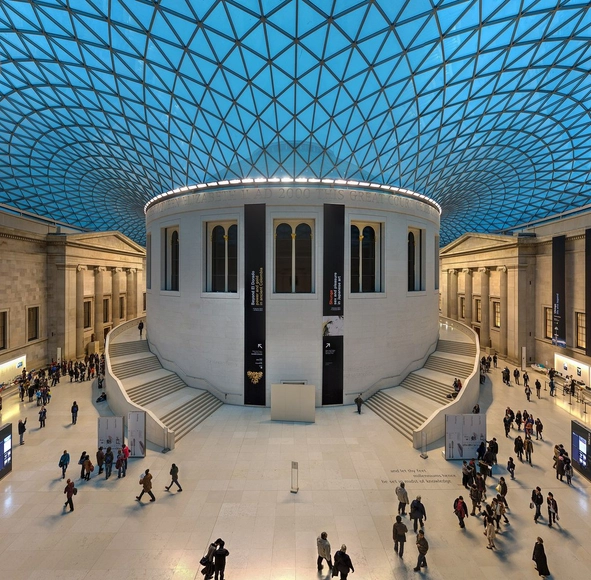
Across the globe, museums function as cultural landmarks – spaces of significance that quite often become defining symbols of a city’s architectural landscape. Historical examples such as the Museum de Fundatie in the Netherlands and The Louvre Museum in France continue to attract millions of visitors, with contemporary architectural interventions to them redefining their spatial contribution to their local context.
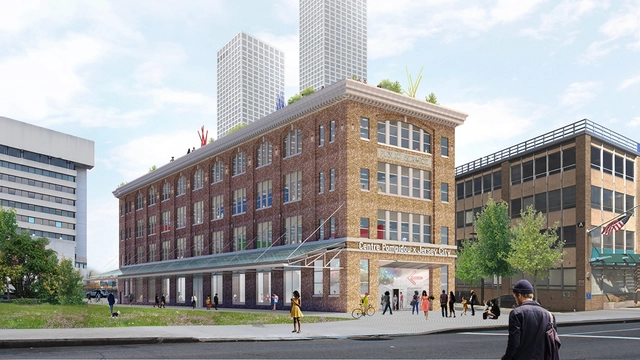
Three years after OMA was selected by the Jersey City Redevelopment Agency (JCRA) to design a new museum in Journal Square, the city’s downtown hub, it was revealed this morning that the building would be home to none other than the Pompidou Center’s first North American satellite: The Centre Pompidou × Jersey City.
"Is a museum defined by its collection? Or by its architecture? In The Art Museum in Modern Times, Charles Saumarez Smith suggests it is both and still something more". Lauren McQuistion, an architectural designer and Ph.D. Candidate in the Constructed Environment at the University of Virginia School of Architecture discusses in her Architect's Newspaper piece, Saumarez's book, exploring the notion of a modern museum.
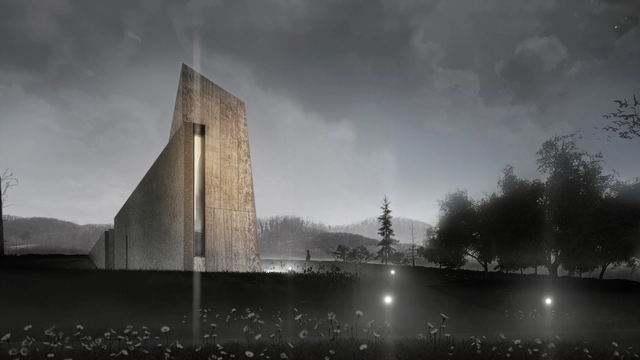
Zovik Chapel and Cemetery. Image Courtesy of Nenad Fabijanić
10 projects, 10 functions. Featuring a multitude of different programs, this week's curated selection of Best Unbuilt Architecture highlights diverse and innovative conceptual approaches. Submitted by our readers, this variety of proposals includes sports, religious, cultural, educational, and social purposes.
Compiling projects from all over the world, this article puts together a Buddhist temple in Bangkok, Thailand, a ring-shaped experience center and eco-tourism catalyst for Latvia, a cemetery in Bosnia and Herzegovina, and the biggest extreme sports park in Russia. Moreover, unconventional office spaces are underlined with an innovation start-up center in Vietnam, headquarters in Shenzhen, and Tirana's new municipality building.
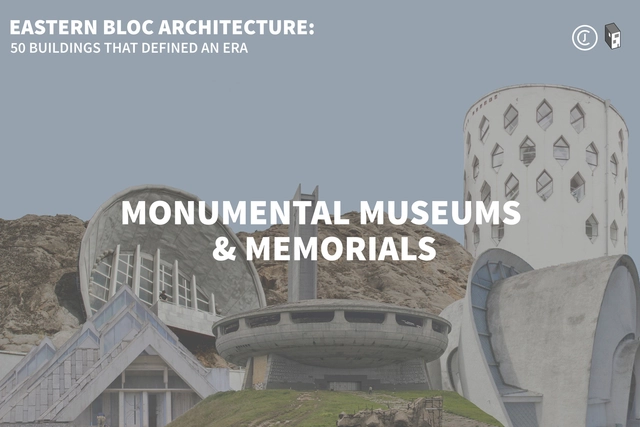
This article is part of "Eastern Bloc Architecture: 50 Buildings that Defined an Era", a collaborative series by The Calvert Journal and ArchDaily highlighting iconic architecture that had shaped the Eastern world. Every week both publications will be releasing a listing rounding up five Eastern Bloc projects of certain typology. Read on for your weekly dose: Monumental Museums and Memorials.
Reimagining Museums for Climate Action. Design by Polytechnic
Reimagining Museums for Climate Action asks designers, architects, academics, artists, poets, philosophers, museum professionals and the public at large to radically (re)imagine and (re)design the museum as an institution, to help bring about more equitable and sustainable futures in the climate change era. The competition aims to explore how museums can help society transform to a low carbon future, adapt to the impacts of climate change, and safeguard ecosystems.
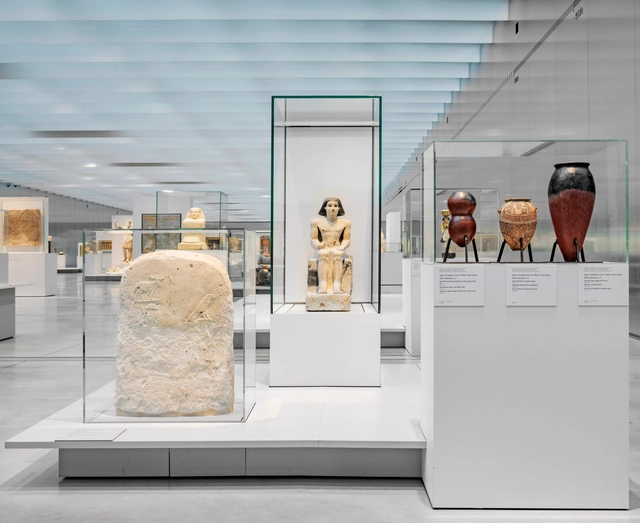
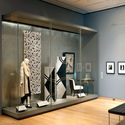
Museums are complex organizations: curators, exhibition designers, conservationists, editors, and marketers have to work together to ensure that artworks in galleries and exhibitions are properly displayed to the public. Instrumental to this process is the use of effective display cases, which must both protect the art and highlight it aesthetically. Below, we delineate some of these visual and practical considerations with photographic examples from Goppion, giving some indication how one should choose which display cases to use.
With no shortage of historical buildings in need of expansion or repurposing, alterations of older architecture via contemporary interventions have flourished in the past four decades – particularly in service of new or growing art museums. These spaces represent the resilience of our historical legacy through contemporary times, demonstrating that the combination even of two vastly different architectural styles can be both beautiful and impressive. Here are ten of the best examples of contemporary interventions on historical buildings in art museums around the world.
https://www.archdaily.com/920474/10-historical-museum-buildings-with-contemporary-interventionsLilly Cao