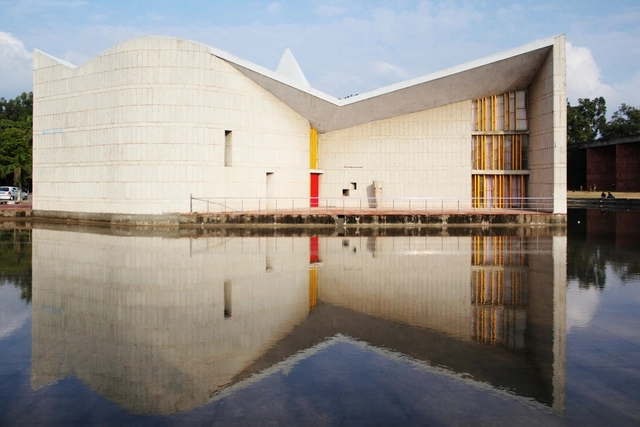
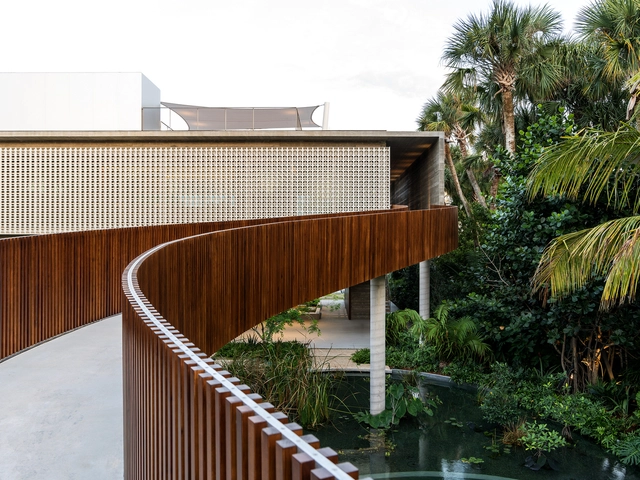
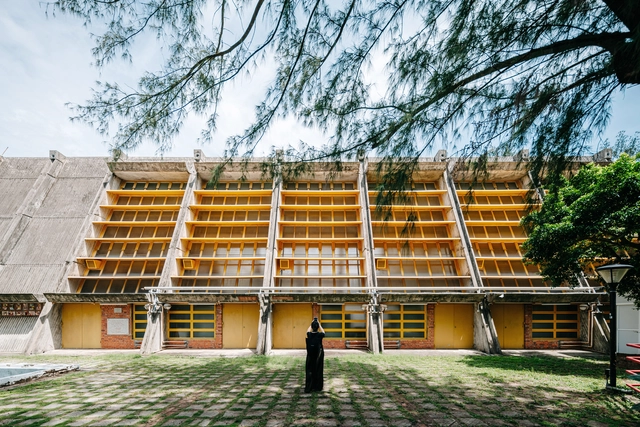
When India gained independence in 1947, the nation faced a decision that would determine the course of its architectural future: brick or concrete. A seemingly mundane choice of material was rooted in a deeper philosophical divide between two potential outcomes for post-colonial India's built environment. Pioneering figures in India's struggle for independence held opposing views - Mahatma Gandhi advocated for traditional craftsmanship while Jawaharlal Nehru embraced modernism. The architecture one sees in the subcontinent today is a mosaic of both, begging the question: was modernism in India a foreign imposition or a celebrated import?
In modernist architecture, promenade architecturale emerged as a key design strategy, embodying the principles of functionality, aesthetics, and integration with the urban context. Le Corbusier’s iconic projects, such as Villa La Roche (1925) and Villa Savoye (1929), exemplify this idea by guiding visitors through an ascending journey that culminates in the rooftop garden—a space where the building and nature seamlessly interact. A century later, this concept remains influential, continuing to shape contemporary designs that explore the relationship between movement and space in various architectural typologies, including houses, museums, libraries, and parks.
In the heart of Cairo, amid its historic landmarks and evolving urban fabric, a distinct modernist architectural movement took shape in the 1950s and 60s. It reflected the city's response to rapid political, economic, and social changes. When it arrived, modernism in Cairo was not just an imported style but a "pragmatic response to the needs of a growing city." Architects focused on functionality, efficiency, and adapting designs to the local climate and cultural context. Following the 1952 revolution, Egypt underwent significant transformations under President Gamal Abdel Nasser's leadership. In fact, the government sought to build a new national identity that reflected progress and the nation's self-sufficiency. Architecture played a crucial role in this effort, with a strong focus on modernization and development. The state invested in large-scale projects to accommodate the needs of a rapidly growing population and expanding industries. This period marked a shift from colonial-era influences toward a search for a distinct architectural identity that aligned with the political and social aspirations of the time.
Modernism in architecture emerged at the beginning of the twentieth century, fueled by advancements in science and engineering and a deliberate departure from historical styles. It championed a focus on social equity, urban development, efficiency, and functional design, marking a significant shift in architectural philosophy. Originating primarily in Europe and the United States, modernism captivated the global imagination with its innovative redefinition of space and architecture. Its spread to Asia was facilitated by cross-cultural exchanges—East Asian architects who studied under prominent modernists and European architects working in East Asia through international collaborations or colonial-era influences.
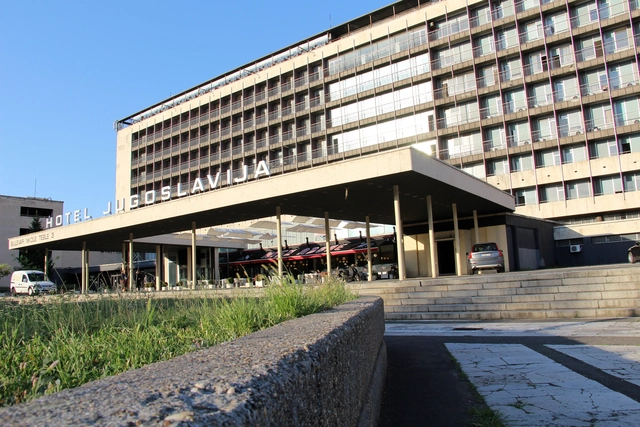
The demolition of Hotel Jugoslavija, a notable example of modernist architecture in Belgrade, has begun, making way for new development in the city's rapidly changing urban landscape. Constructed in 1969 in New Belgrade, the hotel was once among the largest and most prominent in Europe, reflecting the aspirations of the Socialist Federal Republic of Yugoslavia (SFRY) during its peak. Designed by Zagreb architect Lavoslav Horvat, the eight-story hotel was a key project under the leadership of Josip Broz Tito. It showcased the modernist principles of the time, combining functionality with imposing architectural forms. Its interiors featured luxurious details, including a Swarovski chandelier comprised of 40,000 crystals, which underscored the building's significance as a flagship of Yugoslavia's international presence.
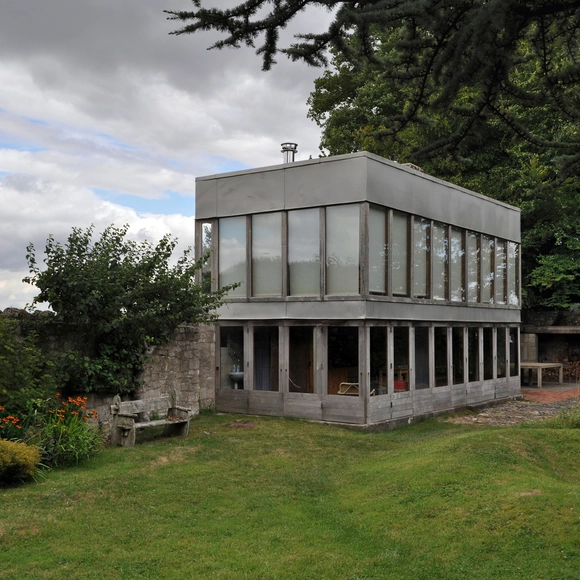
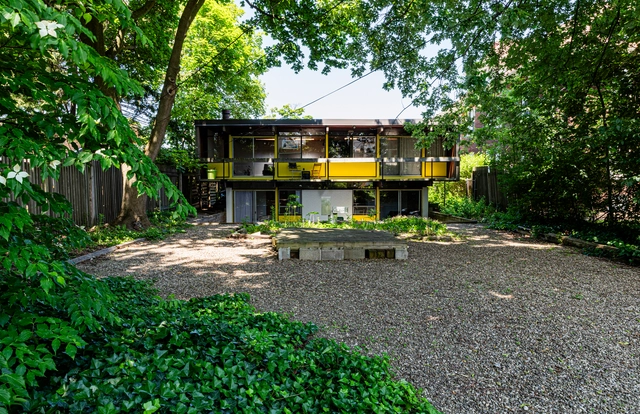
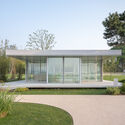
Upper Lawn's thoughtful interplay between the new and the existing is particularly compelling. Built on the remains of an 18th-century English farmhouse, the pavilion repurposes thick masonry walls from the original structure, incorporating elements such as the well, trees, and lawn into its design. Using prefabricated materials like timber, glass, and aluminum, the Smithsons constructed a light-filled space that harmonizes with its surroundings, embodying their principle of "as found architecture" — a concept rooted in honoring and adapting to preexisting conditions rather than imposing on them.
Religious architecture in Asia is evolving by incorporating modernist influences while preserving its spiritual essence. Clean lines, minimalist aesthetics, and materials like concrete, steel, and glass are a common sight. These interventions often replace or complement the intricate ornamentation and natural materials traditionally associated with sacred spaces in the region. This approach allows these structures to achieve a universal appeal while still reflecting their cultural and spiritual foundations.
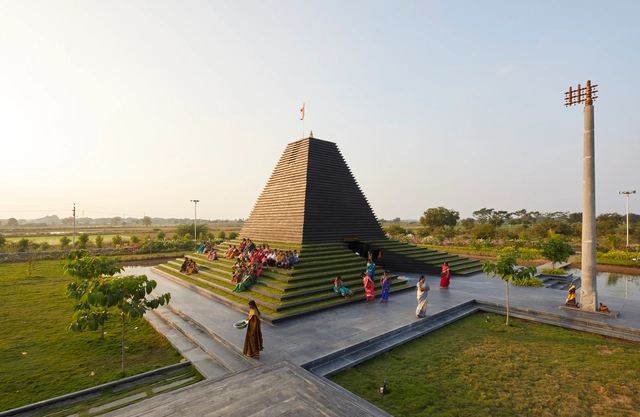
Several examples highlight this blend of tradition and modernity. The Cloud of Luster Chapel in Japan uses slender columns and abundant natural light to create a luminous atmosphere, evoking Frank Lloyd Wright's Johnson Wax Building. The Temple of Steps in India incorporates cascading steps that emulate the traditional Ghats, combining cultural symbolism with Brutalist aesthetics. Similarly, the Water-Moon Monastery in Taiwan employs concrete, straight lines, and reflective pools in a manner influenced by Le Corbusier's Five Points of Architecture. Finally, the Jetavana Buddhist Temple in South Korea and the Upper Cloister in China integrate their layouts with the surrounding stone and hillside, drawing parallels to Wright's desert houses. Together, these projects demonstrate how Asian religious architecture is redefining sacred spaces through a modernist lens while honoring their traditional heritage.
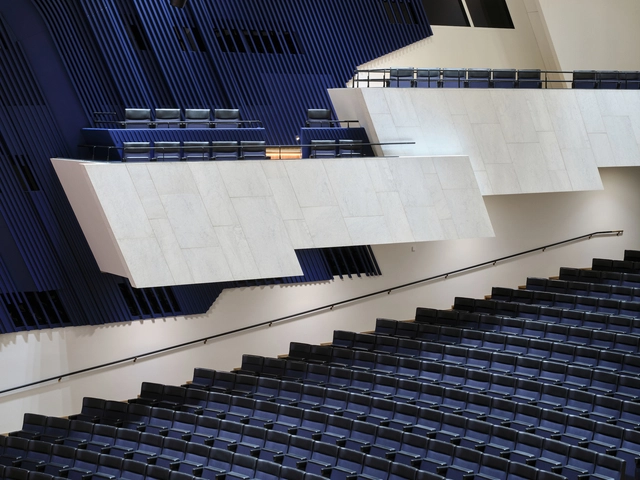
Originally designed by Modernist architect and designer Alvar Aalto in 1971, Finlandia Hall represents one of Helsinki's most important modernist works of architecture. In early 2022, an extensive renovation project began, led by Finnish architecture firm Arkkitehdit NRT, aiming to make the venue more accessible to the wider public and create additional services while respecting Alvar Aalto's original design. After three years of renovation, Finlandia Hall officially reopens on Saturday, 4 January 2025.
The Getty Foundation's Conserving Black Modernism initiative, launched in 2022, represents a pivotal effort to preserve and celebrate the architectural contributions of African American architects in the Modernist movement. This initiative, a partnership with the National Trust for Historic Preservation's African American Cultural Heritage Action Fund, aims to address historical oversight and ensure the legacy of these trailblazing architects is protected for future generations. Over three funding cycles from 2023 to 2025, the program supports conservation planning, professional training, and storytelling to highlight the cultural and architectural significance of these sites.
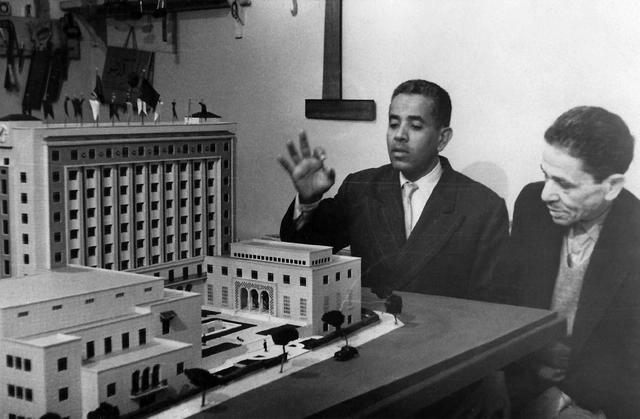
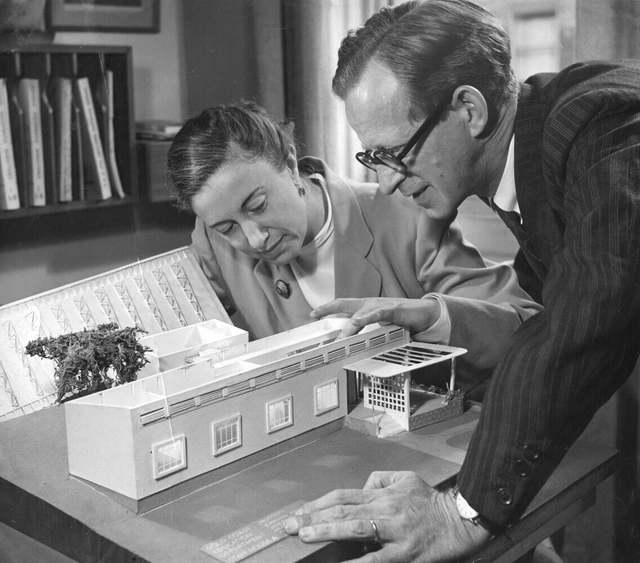
ane Drew and Maxwell Fry with a model of one of their many buildings for the Gold Coast, 1945. / Tropical Modernism - Architecture and Independence at the V&A South Kensington . Image Courtesy of RIBA
Reflecting on 2024, numerous architectural exhibitions have opened worldwide, addressing various themes, exhibition formats, and featured architects. Architectural design and architecture practice influence our daily lives in subtle and often unnoticed ways, where the end-users embrace built environments as they are. This reaction may arise from a combination of factors, such as a sense of powerlessness to enact significant change after a building is constructed or the experience of growing up in environments over which individuals had little or no agency in shaping. For these reasons, architectural exhibitions serve an essential purpose, offering society a chance to pause, reflect, and critically examine the myriad issues that surface during designing and building. These issues are often overlooked or need to be acknowledged, as practitioners may prioritize delivering projects within strict timelines over exploring more profound reflections.
In 2024, museums, galleries, and curators responded to the evolving challenges within the built environment with various approaches. Some exhibitions questioned the ethics of building materials and the practices behind supply chains, drawing attention to the broader implications of material choices. Others focused on documenting architectural movements worldwide, emphasizing their cultural and historical significance and the urgent need to preserve and adapt rather than replace them with entirely new builds. These efforts highlight the role of exhibitions in raising awareness about pressing issues while fostering a more critical dialogue about the architectural discipline.
If there is one book every architecture student must have on their shelf, it must be an architectural history. There is no more comprehensive yet compact alternative than Kenneth Frampton's Modern Architecture: A Critical History, originally published in 1980 by Thames & Hudson. Its much-expanded latest fifth 734-page, 813-illustration edition came out in 2020. In 2023, I discussed the book at length with the author in a video interview, now available on YouTube.
Regarding one compact yet fundamental survey of the evolution of the Modern movement, Modern Architecture: A Critical History is unquestionably the most authoritative, complete, and in-depth chronicle. The most valuable addition to the new book is the introduction of new chapters focusing on regions such as Canada, Mexico, Colombia, Australia, China, India, and Sri Lanka, among others. These chapters shed light on many before-overlooked practices that operated outside of traditional centers of power, namely Western Europe, the United States, and Japan.
The mid-twentieth century marked a transformative period for Africa as 29 countries achieved independence between 1956 and 1964, signaling the dawn of the nation-state across the continent. This era resonated with a spirit of liberation and progress, paralleling the global movements of that time, such as the establishment of international organizations like the United Nations (1945) and the Organization of African Unity (1963). Within this context, Modernist architecture emerged as a powerful symbol of national identity, ambition, and the collective aspiration for a brighter future. As newly independent nations sought to define themselves apart from their colonial pasts, the adoption of Modern Movement principles facilitated the construction of key infrastructures, such as convention centers, parliament buildings, and hotels, as well as the development of architectural education, as native-trained architects begun to either replace or cooperate with foreign-born professionals.
This article inaugurates a new series titled Rediscovering Modernism in Africa, aiming to explore the architectural legacy of the Modern Movement in Africa, highlighting its role in nation-building and the evolution of architectural education, while shedding light on the architects and movements that shaped this transformative era.
How many stories are hidden behind every line and every wall? Each project serves a purpose, and its creation leaves a lasting impression on the environment it inhabits. ArchDaily's AD Narratives series seeks to uncover the fascinating—and often unexpected—stories that breathe life into selected projects. Through in-depth research, the series delves into the unique details of the design and construction processes, exploring the cultural, social, and political contexts that have shaped each work.
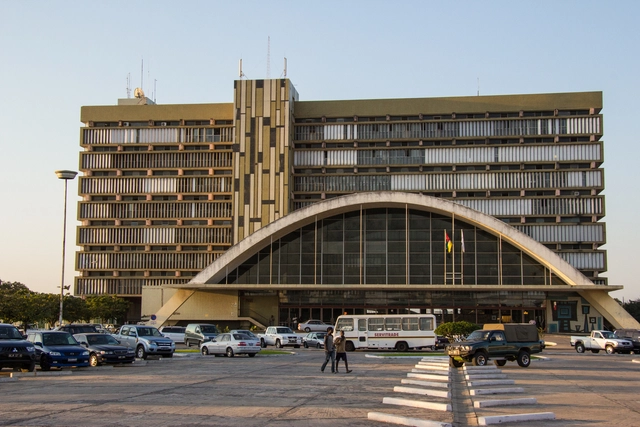
As, one by one, the African nations gained their independence in the middle of the twentieth century, building programs were central to the process of nation-building. In several of those countries, this included the construction of the state's institutions such as their respective national assembly. These buildings not only facilitate the legislative process but also symbolize the new nation's governance, identity, and aspirations. The period of independence movements also coincided with the introduction of the Modern Movement across the continent, which was associated with progress and a break from the colonial past. Across Africa, some national assemblies were constructed early and were part of the nationalization process that preceded independence, while some were constructed long after.
India's global identity has developed alongside its aspirations for a unique architectural future. Over time, the country's architectural landscape has evolved from vernacular traditions to foreign influences, from post-colonial revivals to modern digital expressions. Computational design has played an influential role in shaping contemporary styles, empowering homegrown architectural firms to experiment with form and structure.
In the 21st century, Glass has become a cornerstone material for architecture. Once limited to apertures and openings, Glass now dominates entire facades, especially in high-rise buildings where transparent cladding material is preferred to maximize views. The technological advancements in Glass have been remarkable, transitioning from single-pane panels, such as those used in Bauhaus' iron window frames, to today's triple-pane systems with specialized gas infills, such as argon, designed to address Glass's long-standing thermal limitations.
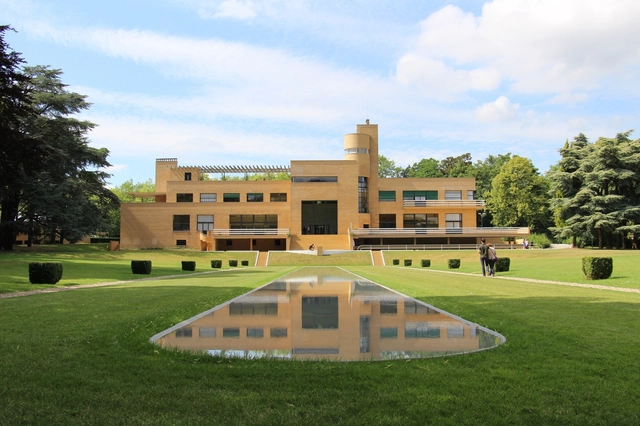
The Villa Cavrois stands as a powerful testament to early modernist architecture and the vision of architect Robert Mallet-Stevens. Built between 1929 and 1932 in Croix, France, this landmark residence was commissioned by Paul Cavrois, a prominent textile industrialist, to embody modern values and house his growing family. Mallet-Stevens' design merges Modernist ideals with a luxurious, functional aesthetic that breaks sharply from traditional styles, creating a space defined by clean lines, balanced proportions, and innovative materials.
More than just a family home, Villa Cavrois was designed as an architectural manifesto, presenting bold new ideas in residential design that would inspire generations. Its meticulously crafted layout, advanced technological features, and harmonious connection to the surrounding landscape positioned it as a symbol of modern living.
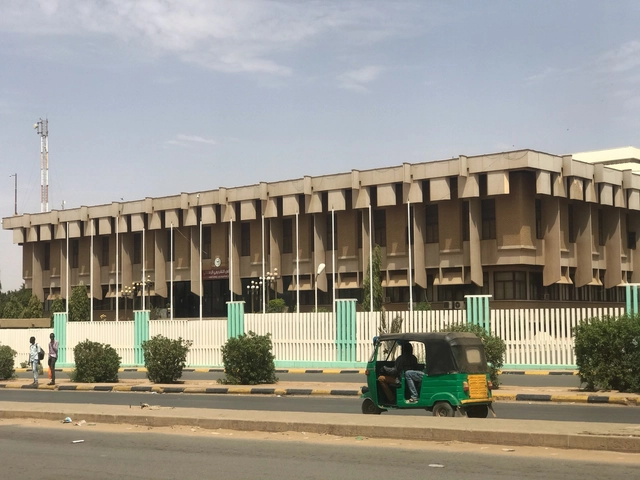
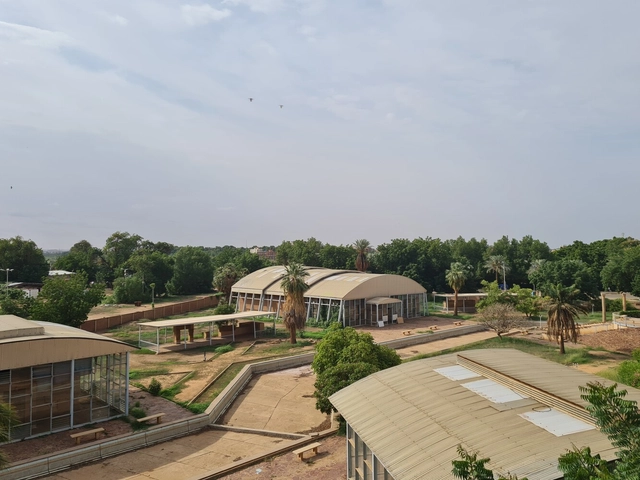
Two museums in Africa built in the mid-twentieth century carry the name 'National Museum.' They reflect the story of their respective nation's history and are tied to notions of national identity. Both are also examples of fine architecture built on the principles of Modernism, a movement associated with nation-building in Africa. However, their inception and purpose followed very different paths. This article explores the under-reported architecture of the National Museum of Ghana in Accra and the Sudan National Museum in Khartoum.