1. ArchDaily
  2. Modernism

Modernism: The Latest Architecture and News

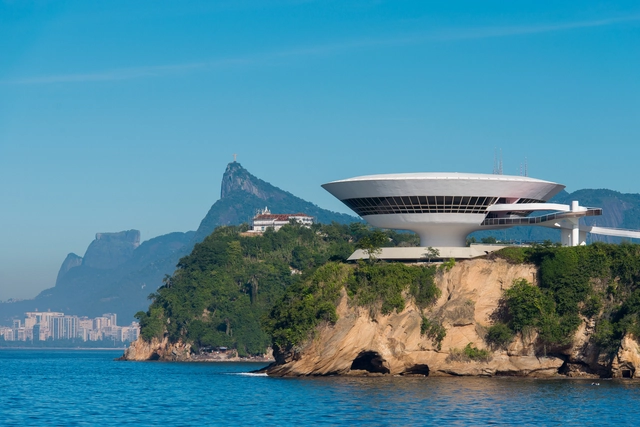
A Lighthouse in Rio de Janeiro's Landscape: the Niterói Contemporary Art Museum by Oscar Niemeyer

Located on the top of the Boa Viagem viewpoint in the city of Niterói, the Niterói Contemporary Art Museum - MAC was designed by architect Oscar Niemeyer. Inaugurated in 1996, it is a modern architectural masterpiece dedicated to housing a collection of Brazilian contemporary art from the 1960s to the 1990s. Rising above the cliff like a lighthouse, it appears to float in the air, resting on a water basin. Facing Rio de Janeiro’s Guanabara Bay in Brazil, its circular lines and revolutionary double-curved form stand out on the horizon, offering an open plaza of 2,500 square meters alongside a reflective pool that gives the structure a remarkable sense of lightness.

A Lighthouse in Rio de Janeiro's Landscape: the Niterói Contemporary Art Museum by Oscar Niemeyer - Image 1 of 4A Lighthouse in Rio de Janeiro's Landscape: the Niterói Contemporary Art Museum by Oscar Niemeyer - Image 2 of 4A Lighthouse in Rio de Janeiro's Landscape: the Niterói Contemporary Art Museum by Oscar Niemeyer - Image 3 of 4A Lighthouse in Rio de Janeiro's Landscape: the Niterói Contemporary Art Museum by Oscar Niemeyer - Image 4 of 4A Lighthouse in Rio de Janeiro's Landscape: the Niterói Contemporary Art Museum by Oscar Niemeyer - More Images+ 33

Van Nelle Factory: The Story Behind a Modernist Icon in Rotterdam

Subscriber Access | 

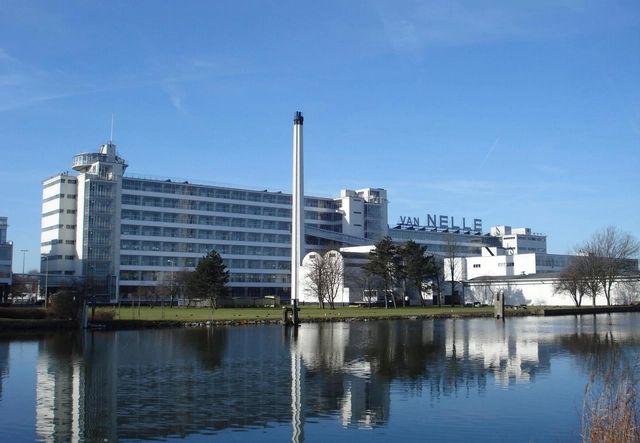
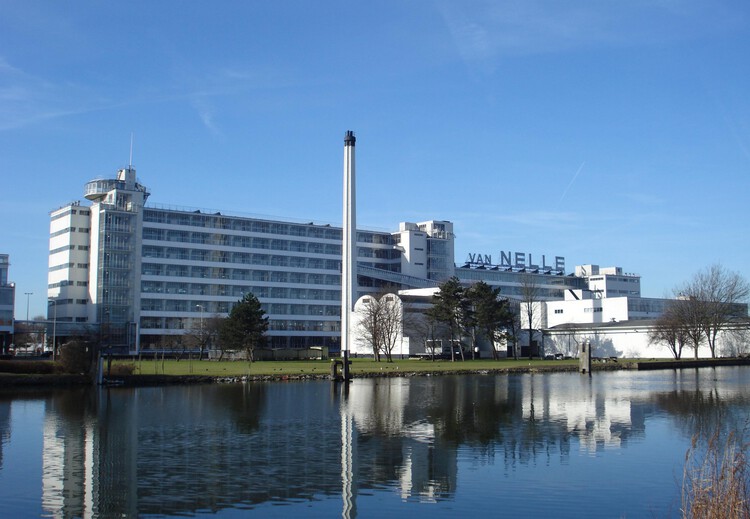
The Van Nelle Factory, located in Rotterdam, is one of the most significant examples of Modernist Industrial Architecture. Designed by Johannes Andreas Brinkman and Leendert van der Vlugt between 1925 and 1931, with the involvement of Mart Stam — a pioneer in modernist furniture design and architecture — the factory was conceived as a progressive and functional building for processing coffee, tea, and tobacco.

Envisioned as a "daylight factory", the Van Nelle complex introduced revolutionary architectural and social concepts for its time. By integrating glass, steel, and concrete into an open, rational layout, it demonstrated how design could transform industrial processes while improving the lives of the people within. It was not merely a space for production but a symbol of optimism, representing the potential of architecture to reshape industries and communities.

Van Nelle Factory: The Story Behind a Modernist Icon in Rotterdam - Image 1 of 4Van Nelle Factory: The Story Behind a Modernist Icon in Rotterdam - Image 2 of 4Van Nelle Factory: The Story Behind a Modernist Icon in Rotterdam - Image 3 of 4Van Nelle Factory: The Story Behind a Modernist Icon in Rotterdam - Image 4 of 4Van Nelle Factory: The Story Behind a Modernist Icon in Rotterdam - More Images+ 37

Brutalism and Bureaucracy: An Architectural Language of Authority in the Postwar United States

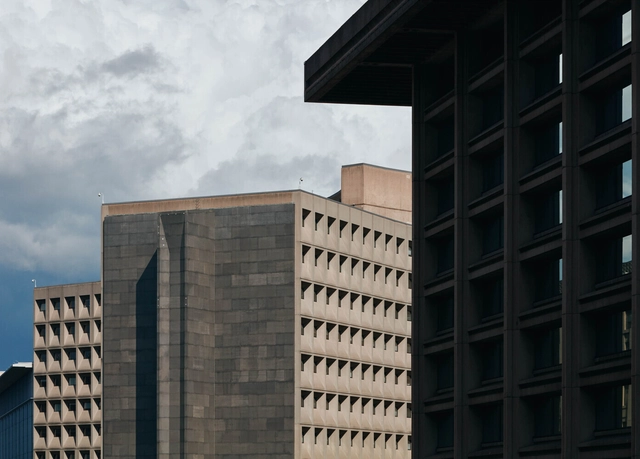
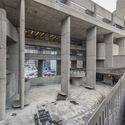
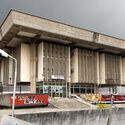
Brutalist architecture in the United States is a monument to collective postwar optimism and reassurance that the city and federal governments are in authority. Conceived as an embodiment of strength and efficiency, Brutalist structures were quickly adopted for the architectural language of civic and governmental institutions in the mid-to-late twentieth century in the United States. Towering monoliths of raw concrete rose across the nation, projecting an image of institutional permanence while simultaneously provoking debate over their social and psychological impact.

Brutalism and Bureaucracy: An Architectural Language of Authority in the Postwar United States - Image 1 of 4Brutalism and Bureaucracy: An Architectural Language of Authority in the Postwar United States - Image 2 of 4Brutalism and Bureaucracy: An Architectural Language of Authority in the Postwar United States - Image 3 of 4Brutalism and Bureaucracy: An Architectural Language of Authority in the Postwar United States - Image 4 of 4Brutalism and Bureaucracy: An Architectural Language of Authority in the Postwar United States - More Images+ 7

Uzbekistan’s 2025 Venice Biennale Pavilion Explores Soviet-Era Solar Furnace and Modernist Legacy

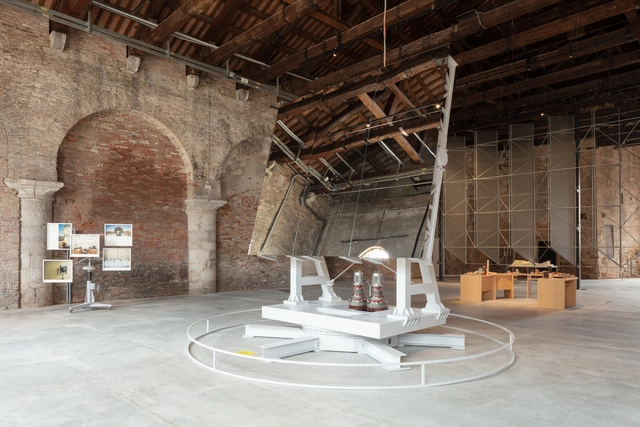
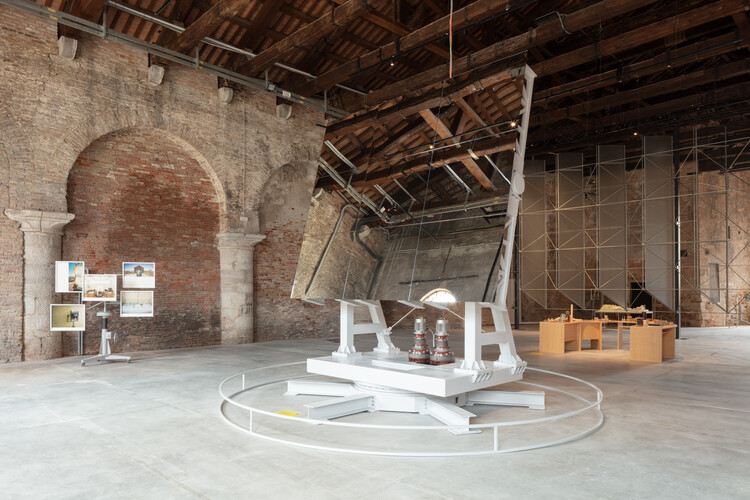
Uzbekistan's National Pavilion at the 19th International Architecture Exhibition- La Biennale di Venezia in 2025 presents "A Matter of Radiance." Curated by the architecture studio GRACE, led by Ekaterina Golovatyuk and Giacomo Cantoni, the exhibition explores Uzbekistan's modernist architectural legacy in response to the Biennale's overarching theme, "Intelligens. Natural. Artificial. Collective."

Uzbekistan’s 2025 Venice Biennale Pavilion Explores Soviet-Era Solar Furnace and Modernist Legacy - Image 1 of 4Uzbekistan’s 2025 Venice Biennale Pavilion Explores Soviet-Era Solar Furnace and Modernist Legacy - Image 2 of 4Uzbekistan’s 2025 Venice Biennale Pavilion Explores Soviet-Era Solar Furnace and Modernist Legacy - Image 3 of 4Uzbekistan’s 2025 Venice Biennale Pavilion Explores Soviet-Era Solar Furnace and Modernist Legacy - Image 4 of 4Uzbekistan’s 2025 Venice Biennale Pavilion Explores Soviet-Era Solar Furnace and Modernist Legacy - More Images+ 17

8 Houses That Defined Modern Architecture in Argentina

Subscriber Access | 

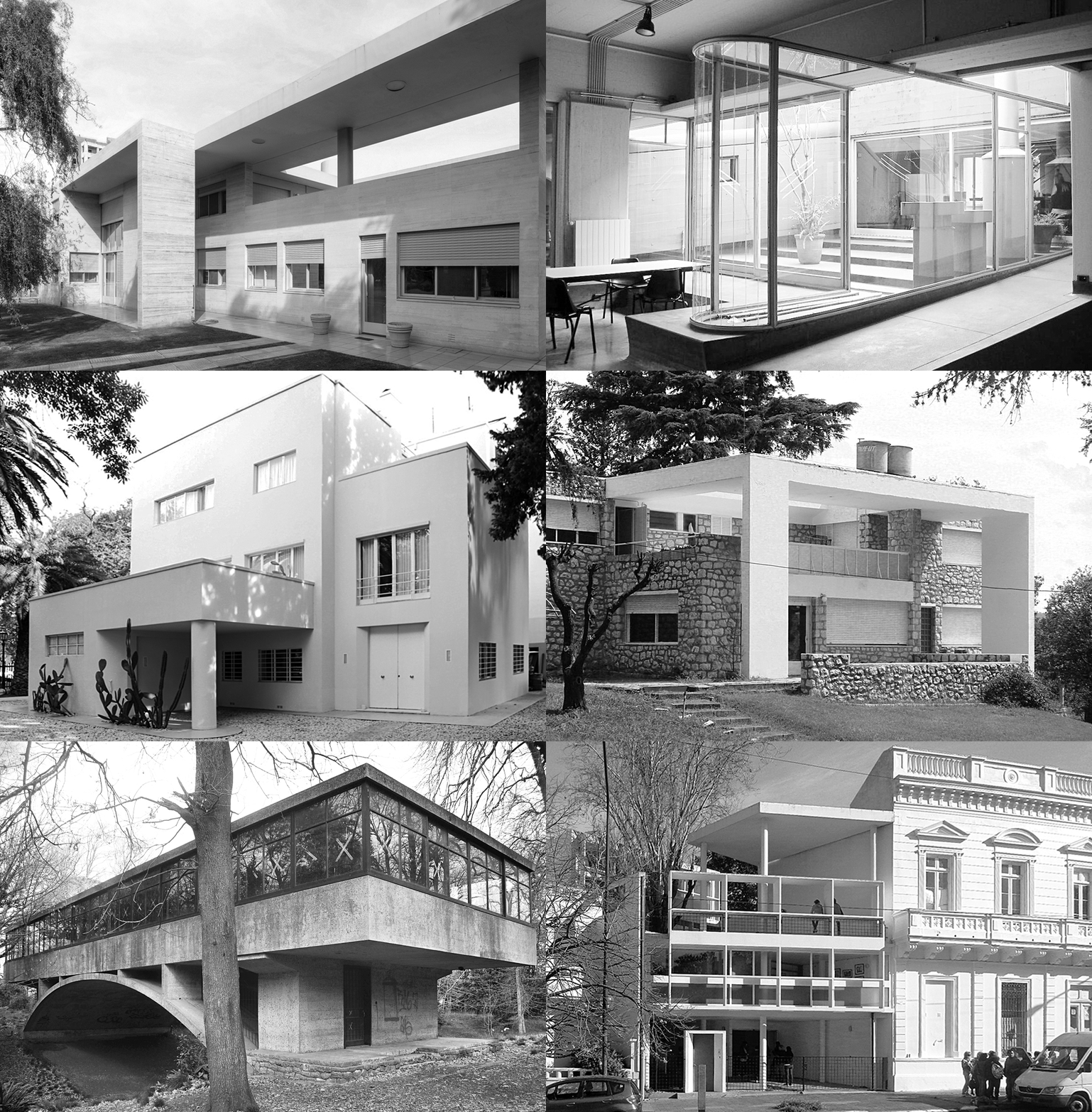
Modernism played an undeniable role in the renewal of architectural ideals, contributing a new attitude toward understanding new ways of living, construction techniques, and aesthetics, marking profound changes in the general perception of the world. In Argentina, while it is complex to define modern architectural production periodically, it is possible to mention some architects who began, starting in the 1920s, to engage with these ideas. The intellectual contributions and architectural creations of Alejandro Virasoro, Alberto Prebisch, Ernesto Vautier, Fermín Beretervide, Wladimiro Acosta, Alejo Martinez, Antonio and Carlos Vilar, Juan Kurchan, Jorge Ferrari Hardoy, Antonio Bonet, Abel López Chas, Eduardo Catalano, Eduardo Sacriste, and Amancio Williams, among others, often included original approaches associated with new modes of thought, manifesting an architecture resulting from the analysis of the local and regional conditions of their cities.

Following Oscar Niemeyer's Legacy: The Story Behind the Araras State Theater in Brazil

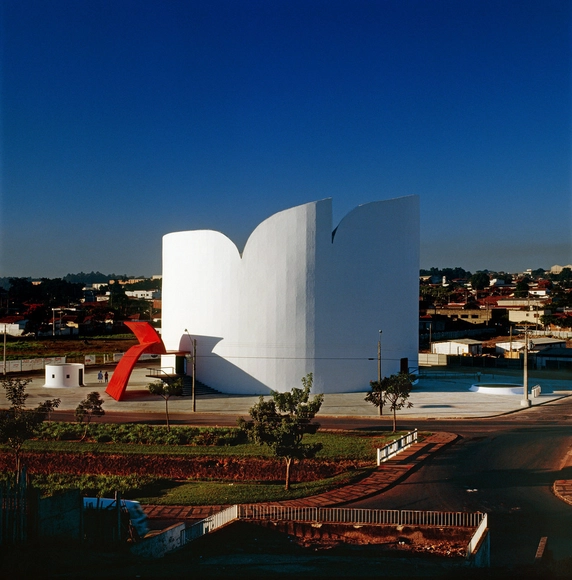
Inaugurated in 1991, the Maestro Francisco Paulo Russo State Theater in Araras is considered one of the city's and the region's main cultural venues. Designed by architect Oscar Niemeyer, one of the leading figures of the Modern Movement, the theater was equipped with all the necessary infrastructure to host local, national, and international cultural events between 1995 and 2005. Niemeyer left behind a legacy in which his signature free-form architectural style integrates influences from various sources while also engaging in a dialogue with the identity of a tropical country.

Following Oscar Niemeyer's Legacy: The Story Behind the Araras State Theater in Brazil - Image 1 of 4Following Oscar Niemeyer's Legacy: The Story Behind the Araras State Theater in Brazil - Image 2 of 4Following Oscar Niemeyer's Legacy: The Story Behind the Araras State Theater in Brazil - Image 3 of 4Following Oscar Niemeyer's Legacy: The Story Behind the Araras State Theater in Brazil - Image 4 of 4Following Oscar Niemeyer's Legacy: The Story Behind the Araras State Theater in Brazil - More Images+ 8

The Timeless Appeal of Modernism in Technology and Digital Architecture

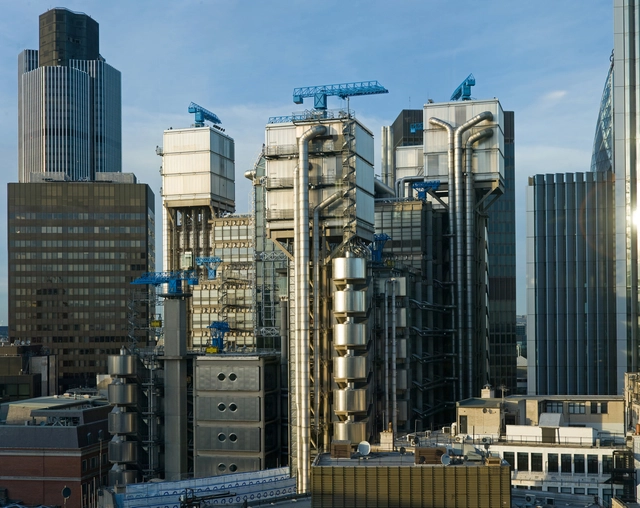
Modernism, a movement that sought to break away from traditional forms and embrace the future, laid the groundwork for many technological and digital advancements in contemporary architecture. As the Industrial Revolution brought about mass production, new materials, and technological innovation, architects like Le Corbusier, Walter Gropius, and Mies van der Rohe championed the ethos of "form follows function" and a rational approach to design. Their principles resonate in the digital age, where computational design and high-tech materials redefine form and construction.

The 20th century's modernist ideals — efficiency, simplicity, and functionality — created a foundation for architects to experiment with structural clarity and material honesty. High-tech architecture, which emerged in the late 20th century, evolved from these principles, merging modernism's clean lines with advanced engineering and technology. This paved the way for parametricism and algorithm-driven design processes, revolutionizing architecture and enabling complex forms previously thought impossible.

The Timeless Appeal of Modernism in Technology and Digital Architecture - Image 1 of 4The Timeless Appeal of Modernism in Technology and Digital Architecture - Image 2 of 4The Timeless Appeal of Modernism in Technology and Digital Architecture - Image 3 of 4The Timeless Appeal of Modernism in Technology and Digital Architecture - Image 4 of 4The Timeless Appeal of Modernism in Technology and Digital Architecture - More Images+ 45

Make It New: Exhibition in London Explores Sir John Soane's Modernist Influence Through Unseen Drawings

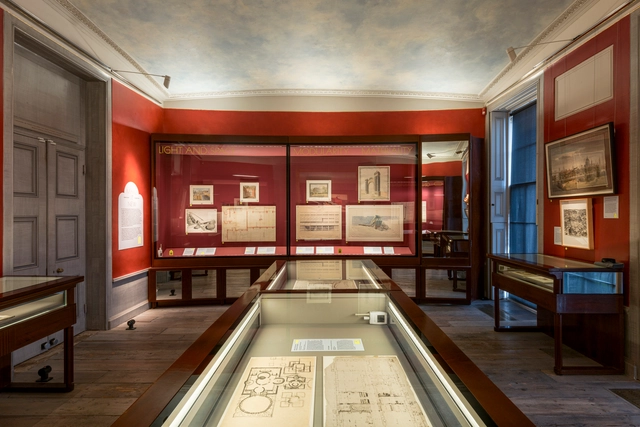
"Soane and Modernism: Make it New" brings together architectural drawings from Sir John Soane's extensive collection in dialogue with works by renowned modernist figures, including Le Corbusier, Frank Lloyd Wright, Adolf Loos, and Ernő Goldfinger. Curated by Dr. Erin McKellar, Assistant Curator of Exhibitions at Sir John Soane's Museum, the exhibition highlights the presence of 20th-century modern architectural design ideals in the work of 19th-century architect Sir John Soane. The selection of works is based on the idea that Soane's designs can be considered a precursor to many architectural principles adopted in the twentieth century.

Make It New: Exhibition in London Explores Sir John Soane's Modernist Influence Through Unseen Drawings - Image 1 of 4Make It New: Exhibition in London Explores Sir John Soane's Modernist Influence Through Unseen Drawings - Image 2 of 4Make It New: Exhibition in London Explores Sir John Soane's Modernist Influence Through Unseen Drawings - Image 3 of 4Make It New: Exhibition in London Explores Sir John Soane's Modernist Influence Through Unseen Drawings - Image 4 of 4Make It New: Exhibition in London Explores Sir John Soane's Modernist Influence Through Unseen Drawings - More Images+ 12

Why Do Modernist Principles Still Underpin Design Education in Brazil? Five Professors Share Their Perspectives

The complex relationship between architectural education and modernist principles in Brazil raises important questions about contemporary architectural practice. To explore this topic, we invited five professors from different Brazilian universities to share their perspectives: Eduardo Lopes (Universidade do Vale do Itajaí), Eduardo Westphal (Universidade Federal de Santa Catarina), Fábio Mosaner (Universidade Federal de Pernambuco), Marta Bogéa (Faculdade de Arquitetura e Urbanismo da Universidade de São Paulo), and Rodrigo Bastos (Universidade Federal de Santa Catarina). Their insights highlight modernism's lasting influence on architectural education while raising key questions for the current architectural debate.

Why Do Modernist Principles Still Underpin Design Education in Brazil? Five Professors Share Their Perspectives - Image 1 of 4Why Do Modernist Principles Still Underpin Design Education in Brazil? Five Professors Share Their Perspectives - Image 2 of 4Why Do Modernist Principles Still Underpin Design Education in Brazil? Five Professors Share Their Perspectives - Image 3 of 4Why Do Modernist Principles Still Underpin Design Education in Brazil? Five Professors Share Their Perspectives - Image 4 of 4Why Do Modernist Principles Still Underpin Design Education in Brazil? Five Professors Share Their Perspectives - More Images+ 5

Formal and Material Experimentation: Key Lessons from Modernist Architecture Pioneers

Wars, decolonization, economic crises, civil movements, and industrial-technological revolutions: the 20th century was a period of radical and far-reaching transformations. These upheavals reshaped societies and redefined how people expressed their evolving aspirations, with architecture leading the way. Machines and industrialization promised technological progress and modernization, advocating for a clean break from the ornamented, historically rooted styles of the past while embracing a vision focused on functionality, efficiency, and innovation. This shift, embodied by modernism, introduced new concepts, methods, and material uses—all shaped through experimentation.

Imported Modernism: The Untold Story of Bahrain’s 1976 Cultural Centre Competition

Subscriber Access | 

Architecture competitions have long been a means for nations to shape their identity, cultural landscapes, and built environment. They provide a platform for international architects to contribute to national projects, often reflecting broader ambitions of modernization and global recognition. In 1976, Bahrain launched potentially the first major architectural competition—a call for designs for a National Cultural Centre, bringing some of the world's leading architects into the Gulf's emerging architectural discourse. Though the winning design by Timo Penttilä was never built, the competition remains a key moment in Bahrain's history, illustrating the challenges of translating external visions into local realities.

Imported Modernism: The Untold Story of Bahrain’s 1976 Cultural Centre Competition - Image 1 of 4Imported Modernism: The Untold Story of Bahrain’s 1976 Cultural Centre Competition - Image 2 of 4Imported Modernism: The Untold Story of Bahrain’s 1976 Cultural Centre Competition - Image 3 of 4Imported Modernism: The Untold Story of Bahrain’s 1976 Cultural Centre Competition - Image 4 of 4Imported Modernism: The Untold Story of Bahrain’s 1976 Cultural Centre Competition - More Images+ 5

Healing Through Design: The Story Behind Alvar Aalto’s Paimio Sanatorium

Subscriber Access | 

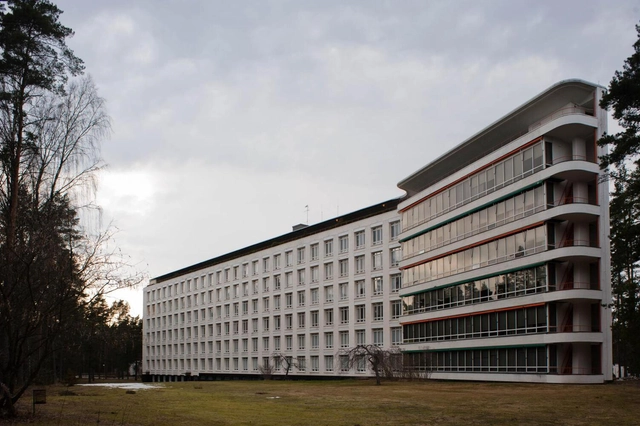
In the early 20th century, tuberculosis presented a significant public health challenge across Europe, prompting the construction of specialized facilities for patient recovery. The Paimio Sanatorium in Finland stands as a groundbreaking example of architecture's potential to promote healing. Designed by Alvar Aalto between 1929 and 1933, the sanatorium combined innovative design principles with a deep understanding of human needs, setting new benchmarks for healthcare architecture.

Alvar Aalto, a leading figure in modernist architecture, envisioned the Paimio Sanatorium as more than a functional response to a medical crisis. He crafted a space where architecture became an instrument of care, integrating natural light, ventilation, and harmonious forms to support physical and emotional well-being. This project marked a turning point in Aalto's career, showcasing his ability to blend modernist ideals with a profound sensitivity to context and human experience.

Healing Through Design: The Story Behind Alvar Aalto’s Paimio Sanatorium - Image 1 of 4Healing Through Design: The Story Behind Alvar Aalto’s Paimio Sanatorium - Image 2 of 4Healing Through Design: The Story Behind Alvar Aalto’s Paimio Sanatorium - Image 3 of 4Healing Through Design: The Story Behind Alvar Aalto’s Paimio Sanatorium - Image 4 of 4Healing Through Design: The Story Behind Alvar Aalto’s Paimio Sanatorium - More Images+ 23

Architecture and Coloniality: Brazilian Modernism in Critical Perspective

Brazilian modern architecture is often celebrated as a landmark of innovation and national identity, projecting the country onto the international stage with iconic works and a distinctive aesthetic. However, recent research and publications have highlighted its deep entanglement with colonial narratives, both in its influences and its social impact. Although modernism emerged as an attempt to break away from European academic traditions, it remained dependent on foreign references and incorporated strategies of domination that echoed colonial logic.

Architecture and Coloniality: Brazilian Modernism in Critical Perspective  - Image 1 of 4Architecture and Coloniality: Brazilian Modernism in Critical Perspective  - Image 2 of 4Architecture and Coloniality: Brazilian Modernism in Critical Perspective  - Image 3 of 4Architecture and Coloniality: Brazilian Modernism in Critical Perspective  - Image 4 of 4Architecture and Coloniality: Brazilian Modernism in Critical Perspective  - More Images+ 7

Modernism in Africa: Shedding Light on Nigeria’s Rich Heritage of Education Buildings

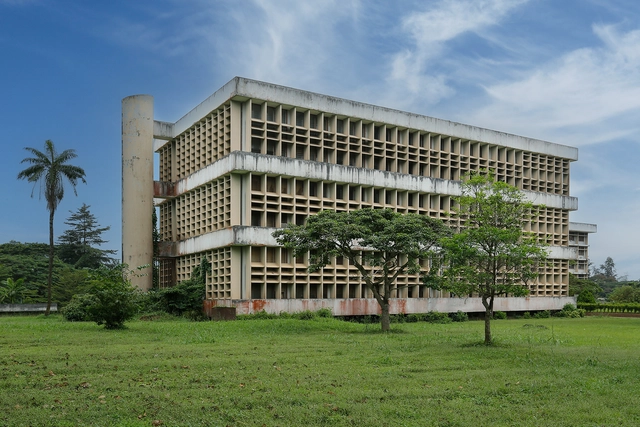
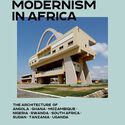
In late 2024, an important addition was made to the growing literature on Modern architecture in Africa. "Modernism in Africa: The Architecture of Angola, Ghana, Mozambique, Nigeria, Rwanda, South Africa, Sudan, Tanzania, Uganda" was published by Docomomo International and Birkhäuser, shedding light on multiple previously unpublished buildings. The book has a focus on education, although other building types are included. Amongst these are several university buildings in Nigeria which are explored here. Like other Modern buildings on the continent, they illustrate historical narratives of independence, decoloniality, international relations, and architectural education.

Modernism in Africa: Shedding Light on Nigeria’s Rich Heritage of Education Buildings - Image 1 of 4Modernism in Africa: Shedding Light on Nigeria’s Rich Heritage of Education Buildings - Featured ImageModernism in Africa: Shedding Light on Nigeria’s Rich Heritage of Education Buildings - Image 2 of 4Modernism in Africa: Shedding Light on Nigeria’s Rich Heritage of Education Buildings - Image 3 of 4Modernism in Africa: Shedding Light on Nigeria’s Rich Heritage of Education Buildings - More Images+ 10

Designing for Density: How Modernist Principles Continue to Shape Social Housing Solutions Today

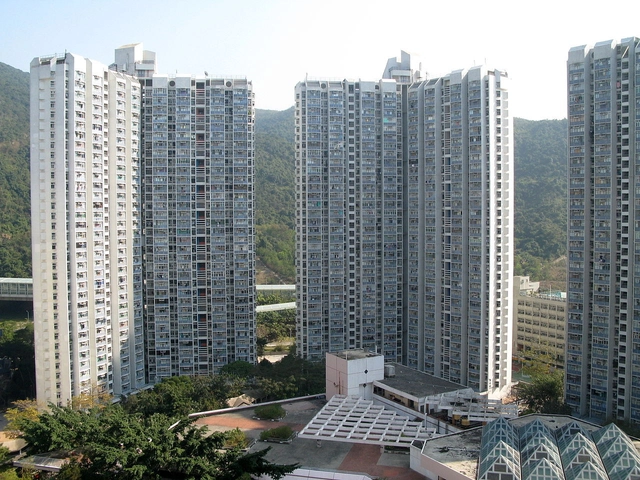
When discussing modernist living, several iconic private residential projects may first come to mind—Le Corbusier's Villa Savoye, the Case Study Houses, most notably by Richard Neutra, Pierre Koenig, and Charles and Ray Eames, as well as the glass houses by Mies van der Rohe and Philip Johnson. Most of these projects exemplified an idealized vision of modern living, set in picturesque landscapes and characterized by experimentation with new construction methods, materials, and spatial concepts. Their designs embraced openness, blurring the boundaries between private and public spaces, largely unburdened by constraints such as density, efficiency, accessibility, public transit integration, or communal considerations.

While these modern homes remain influential in contemporary residential design, they also—perhaps unexpectedly—laid the groundwork for high-density housing principles. Concepts such as the interplay between public and private space, modular construction, and prefabrication, initially explored in these private residences, have been adapted to the vastly different constraints of social housing. 

Designing for Density: How Modernist Principles Continue to Shape Social Housing Solutions Today - Image 1 of 4Designing for Density: How Modernist Principles Continue to Shape Social Housing Solutions Today - Image 2 of 4Designing for Density: How Modernist Principles Continue to Shape Social Housing Solutions Today - Image 3 of 4Designing for Density: How Modernist Principles Continue to Shape Social Housing Solutions Today - Image 4 of 4Designing for Density: How Modernist Principles Continue to Shape Social Housing Solutions Today - More Images+ 26

Adapting Modernism in Argentina: The Case of Grupo Austral and Los Eucaliptos Building

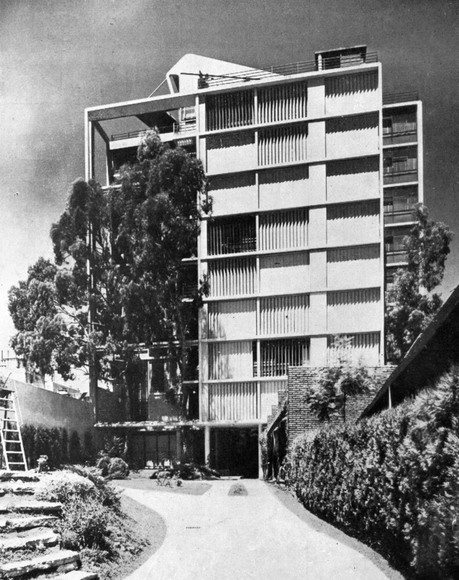
At the intersection of the inevitable influence of the international modern movement and Argentinian architectural tradition, the Grupo Austral emerges as a collective of architects proposing a reinterpretation of Le Corbusier's rationalism, adapting it to the particularities of the local context. In this framework, we can speak of an international architecture that is not merely incorporated but can be considered "appropriated" architecture, meaning it is rooted in Argentina's climatic conditions, lifestyles, and local materials. This leads us to question: How does European architecture correspond with the local? Is it the product of similar situations or a process of transferring architectural images, as has happened throughout history? Is it a mix of both factors? Can we talk about appropriated architecture?

Adapting Modernism in Argentina: The Case of Grupo Austral and Los Eucaliptos Building - Image 1 of 4Adapting Modernism in Argentina: The Case of Grupo Austral and Los Eucaliptos Building - Image 2 of 4Adapting Modernism in Argentina: The Case of Grupo Austral and Los Eucaliptos Building - Image 3 of 4Adapting Modernism in Argentina: The Case of Grupo Austral and Los Eucaliptos Building - Image 4 of 4Adapting Modernism in Argentina: The Case of Grupo Austral and Los Eucaliptos Building - More Images+ 7

Modernism Reconsidered: Revisiting the Movement’s Complex Relationship with Sustainability

Modernism emerged in the early 20th century as a revolutionary movement that rejected historical styles, prioritizing functionality, innovation, and rationality. Grounded in the promise of industrial progress, architects like Walter Gropius, Le Corbusier, and Ludwig Mies van der Rohe championed using new materials and construction methods, striving for a universal architectural language. Their work introduced radical ideas: open floor plans, expansive glazing for natural light, and pilotis that elevated structures, symbolizing a new architectural era. However, alongside its groundbreaking ideas, modernism's relationship with sustainability has sparked ongoing debates.

While modernist architects sought to address social and economic challenges through affordable housing and efficient design, their reliance on energy-intensive materials like concrete and steel created unintended environmental consequences. The large-scale industrialization celebrated by modernists often disregarded local climates and ecological systems, leading to inefficiencies. Yet, the principles of functionality and adaptability embedded in modernist architecture laid the groundwork for what we now recognize as sustainable practices. From Le Corbusier's rooftop gardens to Frank Lloyd Wright's integration of nature, the seeds of environmentally conscious design were undeniably present, albeit limited in their execution.

Modernism Reconsidered: Revisiting the Movement’s Complex Relationship with Sustainability - Image 1 of 4Modernism Reconsidered: Revisiting the Movement’s Complex Relationship with Sustainability - Image 2 of 4Modernism Reconsidered: Revisiting the Movement’s Complex Relationship with Sustainability - Image 3 of 4Modernism Reconsidered: Revisiting the Movement’s Complex Relationship with Sustainability - Image 4 of 4Modernism Reconsidered: Revisiting the Movement’s Complex Relationship with Sustainability - More Images+ 25

Tegucigalpa’s Modernist Revolution: Metroplan and the Shift in the Urban Identity of 1970s Honduras

Subscriber Access | 

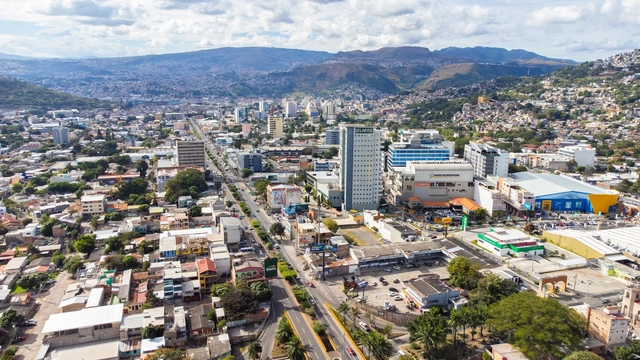
In 1975, Honduras was under a military regime that had been in power for over a decade, led at the time by General Juan Alberto Melgar Castro. During this period, Tegucigalpa underwent several big and unprecedented changes. The influx of people from various parts of the country due to rural migration transformed the city from a compact urban area into an expanding metropolis. This unexpected growth prompted the government to implement a municipal development and planning scheme, a project that would define the city's future and the evolution of its old town. This article was developed with the collaboration of the Honduran architect Lisandro Calderón, who specializes in Urban Planning and is currently a professor at the Central American Technological University (UNITEC), located in Tegucigalpa, Honduras.

Tegucigalpa’s Modernist Revolution: Metroplan and the Shift in the Urban Identity of 1970s Honduras  - Image 1 of 4Tegucigalpa’s Modernist Revolution: Metroplan and the Shift in the Urban Identity of 1970s Honduras  - Image 2 of 4Tegucigalpa’s Modernist Revolution: Metroplan and the Shift in the Urban Identity of 1970s Honduras  - Image 3 of 4Tegucigalpa’s Modernist Revolution: Metroplan and the Shift in the Urban Identity of 1970s Honduras  - Image 4 of 4Tegucigalpa’s Modernist Revolution: Metroplan and the Shift in the Urban Identity of 1970s Honduras  - More Images+ 12