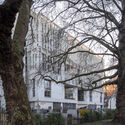
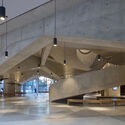
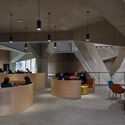
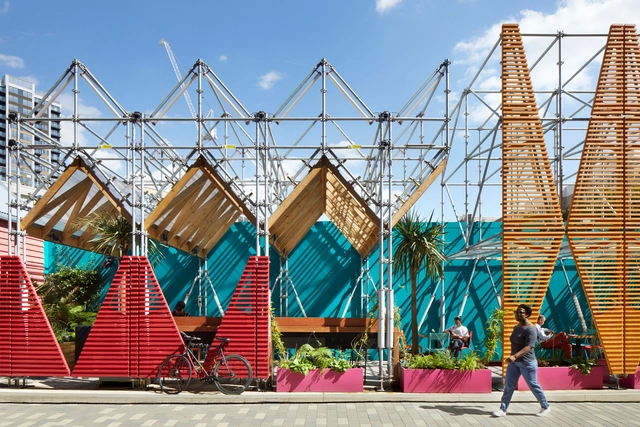
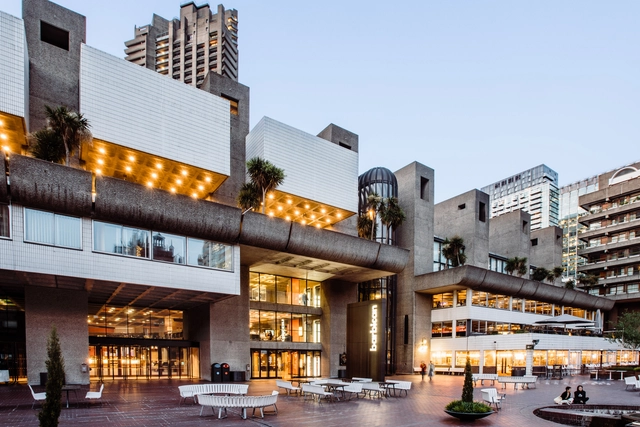
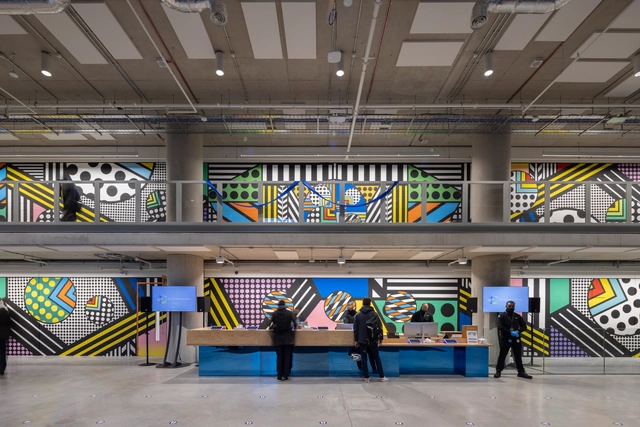
A collaborative design team led by Allies and Morrison and Asif Khan Studio has been selected to renew the famed Barbican Centre in London, United Kingdom. The winning design proposal preserves the building’s original architectural language and provides new opportunities for the center's diverse community of artists, audiences, and partners, boosting the building’s accessibility and performance quality.
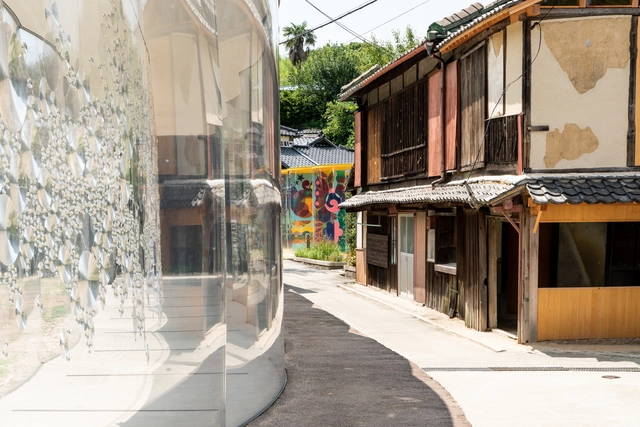
A new exhibition at the Japan House in London explores the large-scale art and architecture project driving the transformation of the Japanese island of Inujima for the past 13 years. Titled Symbiosis: Living Island, the show co-curated by the project's artistic director Yūko Hasegawa and architect Kazuyo Sejima showcases how the innovative scheme of accessible art, pavilions and creative projects brought together artists and locals in the effort to revitalize and secure a future for this island in the Seto Inland Sea confronted with diminishing population. Running from 21 May to 4 September 2022, the exhibition takes visitors on a journey around the island that illustrates the transformative impact of the Inujima' Art House Project' through architectural models, photography, videos and testimonies of the residents.
Global Finance's ranking of the world's best cities to live in, during 2022 has just been released. Centered on 8 different parameters that calculate and compare the quality of life of people living in urban areas such as economy, culture, population, environment, etc., this year’s edition also took into consideration Covid-19 deaths per thousand for each country, to reflect the new reality we live in. With data from the Global City Power index, Johns Hopkins University, Statista, and Macrotrends, the list seeks to have a complete vision, putting together traditional metrics with new factors.
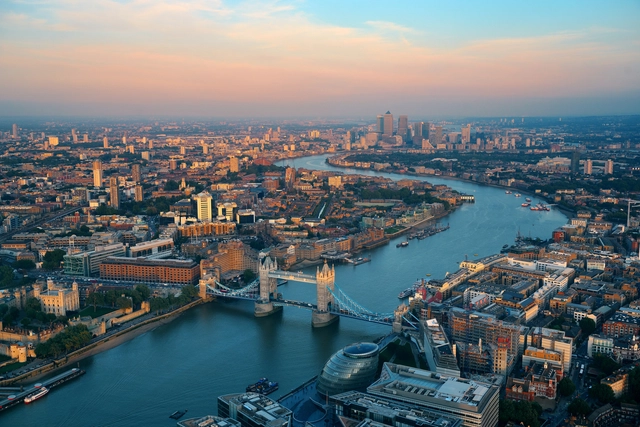
Claiming the first position is London, U.K, a city that although didn’t get high rankings in its Covid-19 metrics, still topped the list, mainly due to its scores in culture, accessibility, and population growth. Tokyo was selected for the second position, showing weakness in one parameter, population, as its numbers have been declining for the past 10 years. Shanghai followed next, in the third position, because of relatively low Covid-19 death figures and strong population growth. Singapore and Melbourne came in 4th and 5th positions.
For centuries and centuries we’ve built – and the diversity in our global built environment is a testament to that. The many different cultures around the globe have had different ways of building throughout history, adapting locally found materials to construct their structures. Today, in our globalized present, building materials are transported across the globe far from their origins, a situation that means two buildings on completely opposites sides of the world can be more or less identical.
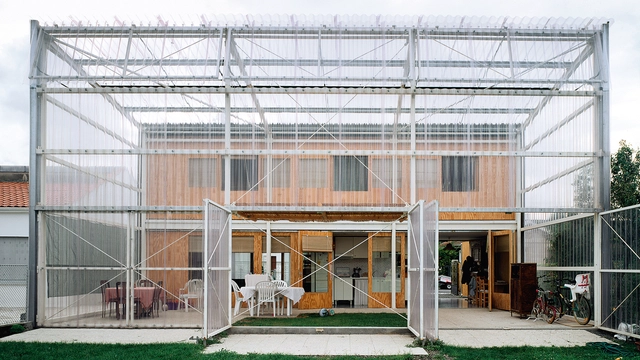
In the architectural conversations taking place today, sustainability is a key topic of interest. Architecture firms embrace the term as a key part of their design ethos, and architecture schools globally have integrated designing “green” architecture as a core component of their curriculums. This sustainability conversation has also filtered down into more individual actions one can take within their immediate context. Online, for instance, guides abound on how you can make your home more eco-friendly and energy-efficient.
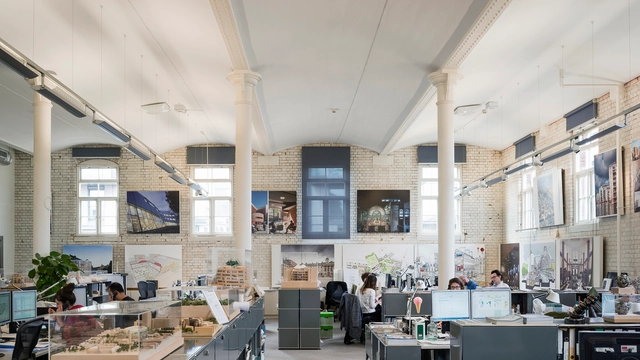
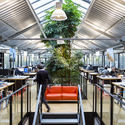
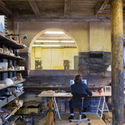
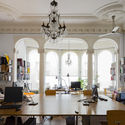
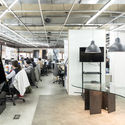
Moving forward with his "ultra-marathon of photoshoots", architectural photographer Marc Goodwin is putting together an Atlas of Architectural Atmospheres by Arcmospheres, a project that seeks to document diverse architecture and design studios from around the world. Since 2016, the architectural photographer has been traveling "far and wide to capture the atmospheres of architecture studios in order to produce an online and print resource for the architecture community", and after a two-year hiatus due to the pandemic, Goodwin resumed his project with an exploration of Berlin's architecture offices, capturing the work environment of renowned firms such as Hesse, LAVA, JWA, and FAR frohn&rojas, to name a few.
Designed by Herzog & de Meuron, Tate Modern’s Switch House was Tate Modern’s latest extension in 2016, radical in form and surface, yet intimately relative to the vast building to which it joins, which opened as London’s foremost modern art gallery in 2000. Shot recently by Bahaa Ghoussainy, the building that opened in 2016, is a model for museums in the 21st century.
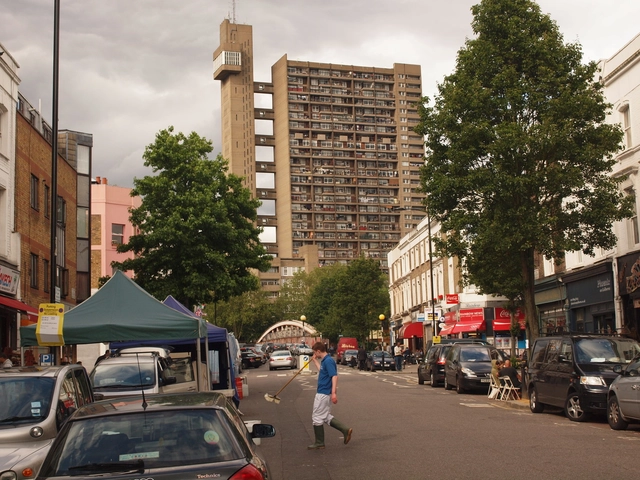
For more than a century, a street market known as ‘The Blue’ was the beating heart of Bermondsey in Southeast London. On Saturdays gone by, hundreds flocked to the historic neighborhood, a site with roots reaching back to the 11th century when it was once a pilgrimage route to Bermondsey Abbey. Market punters used to sample goods from more than 200 stalls that famously sold everything under the sun. “You can buy anything down The Blue” was the phrase everyone went by.
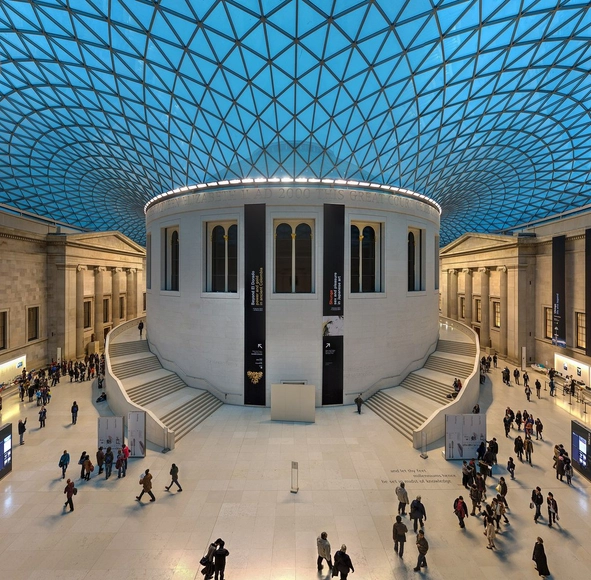
Across the globe, museums function as cultural landmarks – spaces of significance that quite often become defining symbols of a city’s architectural landscape. Historical examples such as the Museum de Fundatie in the Netherlands and The Louvre Museum in France continue to attract millions of visitors, with contemporary architectural interventions to them redefining their spatial contribution to their local context.
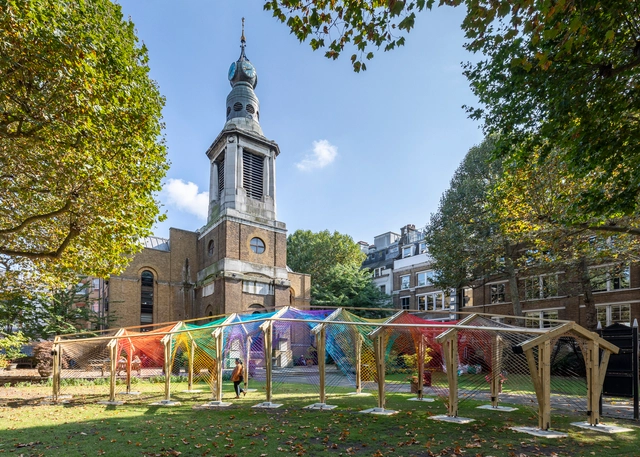
The London Festival of Architecture (LFA), the world’s largest annual architecture festival is returning for its 13th edition this summer, transforming the city's neighborhoods into a public display of installations, exhibitions, talks, and special events. Following two years of digitalized editions, this year's LFA falls under the theme of ‘act’, and will see a return of physical events alongside digital realms across the capital.




.jpg?1651131882 "Royal Festival Hall by Allies and Morrison. Image © Allies and Morrison")
.jpg?1651131879 "Southbank Centre by Allies and Morrison. Image © Allies and Morrison")
.jpg?1651131774 "Expo 2020 Dubai Portals by Asif Khan Studio. Image © Asif Khan Studio")























.jpg?1645645621&format=webp&width=640&height=580)