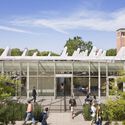
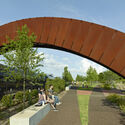
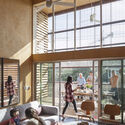
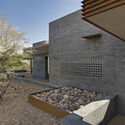
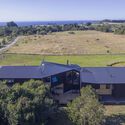
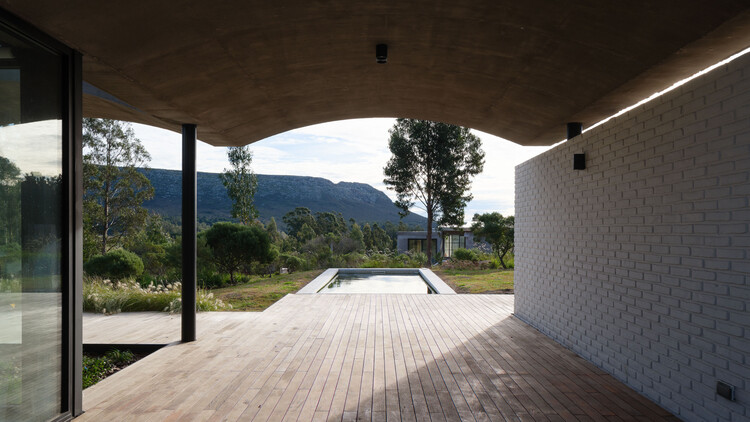
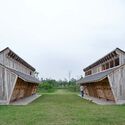
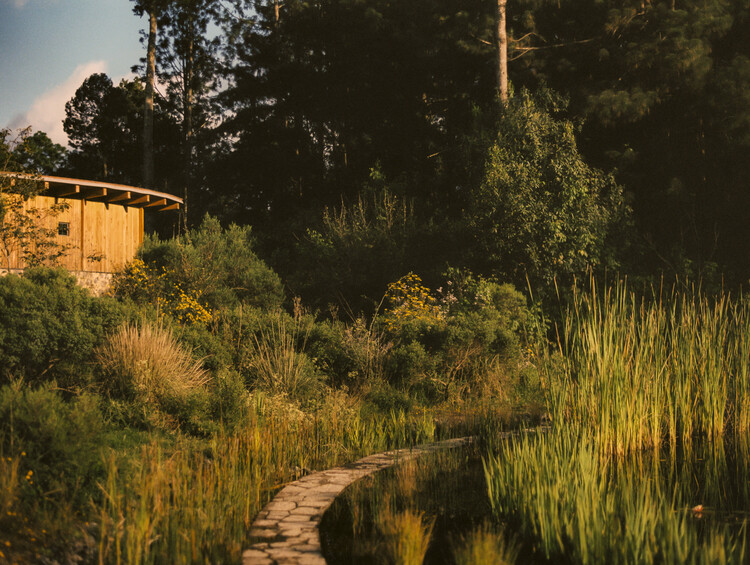
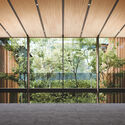
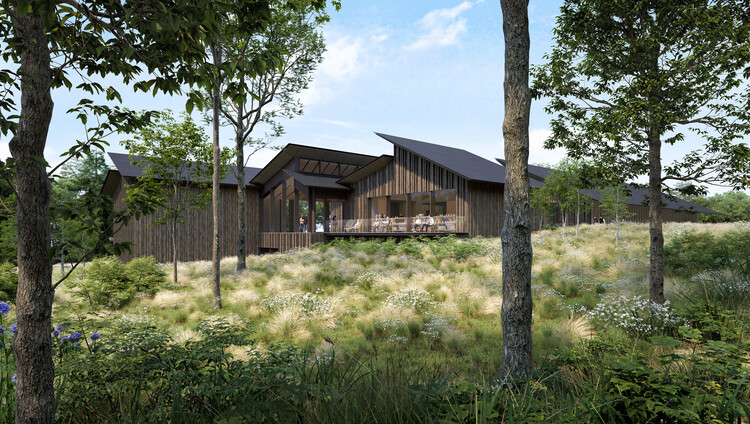
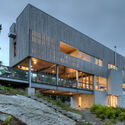
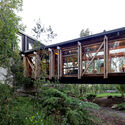
Seaside House / Koistinen Hellborg Architects. Image Courtesy of Randers Tegl
Brick and wood can establish a dialogue between architectural permanence and the textures of coastal environments. In Höllviken, on the southern coast of Sweden, Seaside House by Koistinen Hellborg Architects explores how materiality, light, and spatial organization can shape a home in relationship with its natural surroundings. Located among sandy terrain, heathland, moss, and pine trees, and within walking distance of the sea, the house responds to a landscape defined by subtle color variations, seasonal changes, and a strong connection to the outdoors.
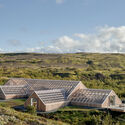
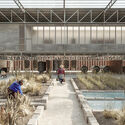
First Prize Winner + Buildner Student Award: Linear Ritual. Image Courtesy of Buildner
Buildner has announced the results of the Iceland Slow Sauna architecture competition, developed in partnership with Slow Travel Mývatn. Set beside Þúfa – Private Homestay in the volcanic landscape of Lake Mývatn in northern Iceland, the competition invited architects and designers to create a compact retreat combining a sauna and greenhouse within a single architectural experience. Rooted in the Icelandic tradition of bathing as a ritual of stillness and renewal, the brief asked participants to explore how heat, light, vegetation, and landscape could shape an intimate place of recovery and connection to nature.
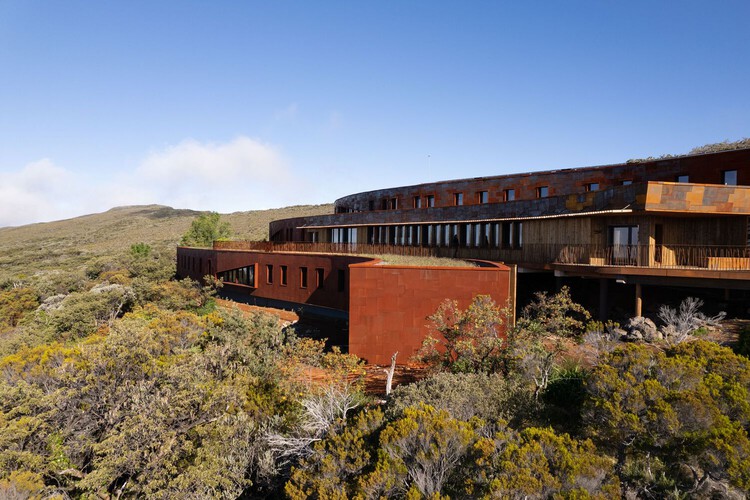
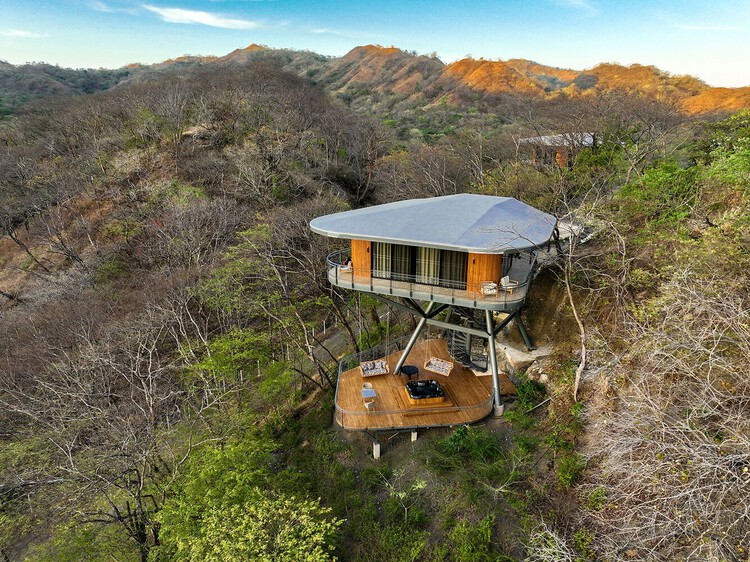
Volcanic landscapes make geological change unusually visible. Lava hardens into new ground, and plants slowly take hold across it. Ash can remain in the landscape for years. Around active volcanoes, these processes are still underway, affecting where and how people build.
Yet these landscapes continue to attract houses and places of retreat. Their isolation and unusual terrain are often part of the appeal. Building there means bringing everyday life into a landscape that can still change.
This article is part of "Thresholds", a special edition printed newspaper by Cobe Notes x ArchDaily.
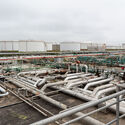
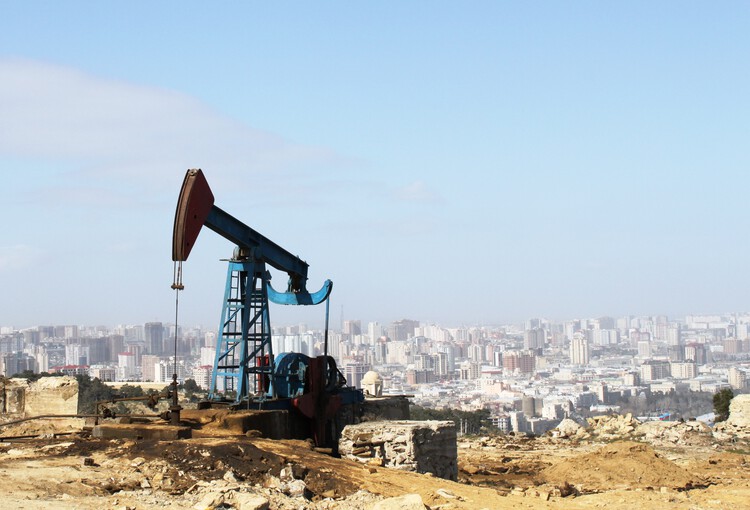
Beneath the ground lies a material that has quietly shaped the architecture of the modern world. Petroleum is rarely discussed within architectural discourse, yet the extraction, circulation, and consumption of oil have profoundly reorganized the spatial logic of territories. Pipelines, refineries, drilling platforms, ports, highways, and petrochemical complexes form a vast infrastructural landscape that sustains contemporary life, composing a dispersed architecture of energy.
Throughout the twentieth and twenty-first centuries, oil became the material foundation of industrial society. It fueled transportation, powered factories, and supported the growth of cities whose spatial organisation depended on continuous energy flows. Yet the infrastructures that enable these flows rarely become objects of architectural inquiry. Attention remains largely directed toward form, typology, or urban density, while the material systems that sustain these environments tend to remain displaced within the discipline.
Argentina's vast territory reveals multiple ways of building shaped by its geographic, climatic, and cultural diversity. When designing single-family homes in Córdoba, Mendoza, Santa Fe, and Buenos Aires, numerous young Argentine architecture firms respond to distinct material, landscape, and cultural conditions by working with the resources, construction systems, and crafts available in each area. The house becomes a means of interpreting its context, engaging with local traditions, and incorporating new approaches to architectural production.
As the setting for everyday life, the house is part of an ongoing experience, acting as a complex and subtle organism that responds not only to its inhabitants' way of life but also to the landscapes in which it is situated. After presenting different perspectives and definitions by figures such as Le Corbusier, Ernesto Rogers, and Lewis Mumford, Argentine architect Eduardo Sacriste emphasizes in his book Qué es la casa its role as a reflection of the past, sharing the present and illuminating the future.
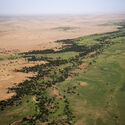
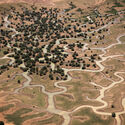
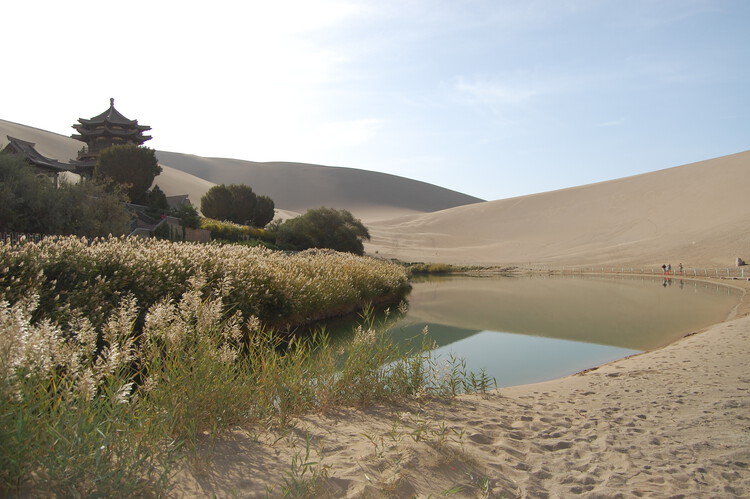
The idea of a "Great Green Wall" designates a large-scale reforestation initiative undertaken specifically to halt desertification. Currently underway in Africa to prevent the advancement of the Sahara Desert and in China around the Gobi Desert, it is a landscape, agriculture, economic, and social development project in reaction to the rise of global temperatures, over-farming, and unsuitable land management. Both projects, currently underway, are intersectional initiatives involving governments from different countries, civil society organisations, and both individual volunteers and organised groups, guided by the idea of a unified response to global environmental issues through wildlife restoration. It is a large-scale, infrastructural application of a 'green' or 'wildlife corridor': a linear strip of vegetation or natural landscape that connects fragmented ecosystems and wildlife populations separated by human development on a continental scale.
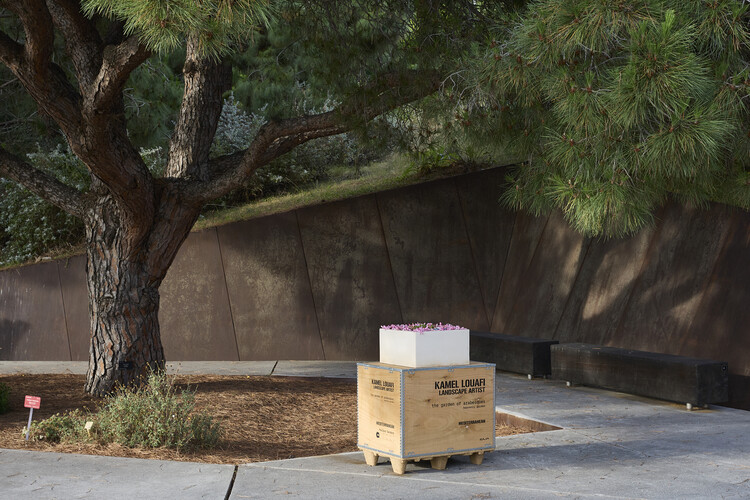
Parlour Gardens exhibition at Barcelona's Botanical Garden. June to October 2026. Image Courtesy of Marina Cervera
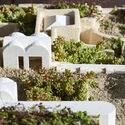
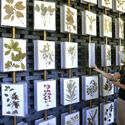
As part of the official programme for Barcelona as the UNESCO-UIA World Capital of Architecture, the Jardí Botànic de Barcelona is hosting "Parlour Gardens: Dreams from the Rooftop," a display of ceramic installations proposing a journey through landscape architecture. Curated by Marina Cervera (Barcelona International Landscape Biennial, CEO of NablaBCN), James Hayter (former president of IFLA, Oxigen), and José Luis Cortés (former president of the UIA), the exhibition marks a century since the 1926 invention of the jardinets de saló (living room or parlour gardens), miniature ceramic landscape worlds created originally by Nicolau M. Rubió i Tudurí, Llorenç Artigas, and Raoul Dufy. Installations by 14 global landscape architects will be scattered across the botanical grounds, grouped by homoclimatic zones to pair each design with fitting regional plant life, through 4 October 2026.
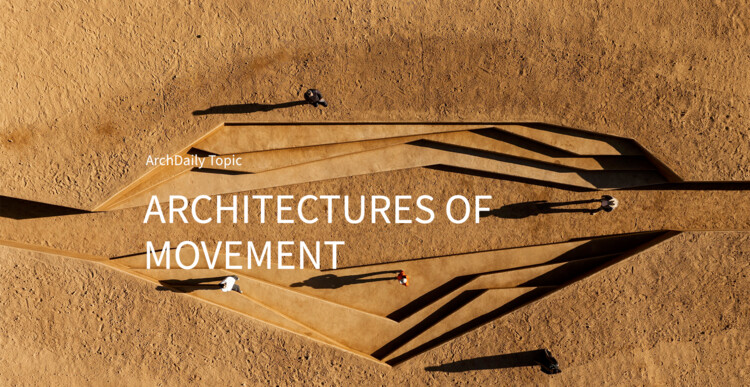
Every twelve years, the banks of the Ganges at Prayagraj become one of the largest cities on Earth — and then disappear. The Maha Kumbh Mela draws over 400 million pilgrims across six weeks, requiring the construction of a full urban infrastructure: pontoon bridges, field hospitals, kilometers of temporary roads, a grid of tent cities visible from space. When the festival ends, it is dismantled entirely. No gathering in human history produces a more complete architecture of movement; built for arrival, engineered for transience, and designed to leave no permanent trace. The Kumbh Mela is exceptional in scale, but not in condition: movement has become a defining spatial problem of the century.
This month, ArchDaily explores Architectures of Movement: Land, Borders, and the Politics of Belonging, a theme that examines how mobility reshapes architecture's relationship to territory, ownership, and identity. The topic does not treat movement as a crisis to be managed, but as a fundamental lens through which to reconsider what buildings, cities, and borders actually do: who they accommodate, who they exclude, and what they make permanent.
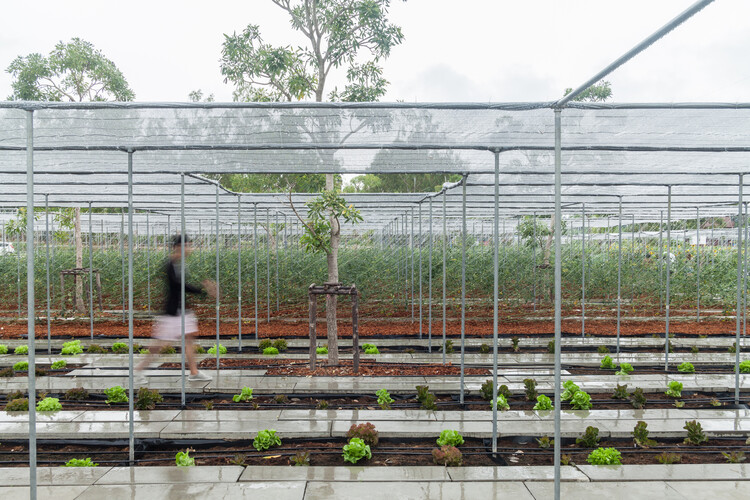
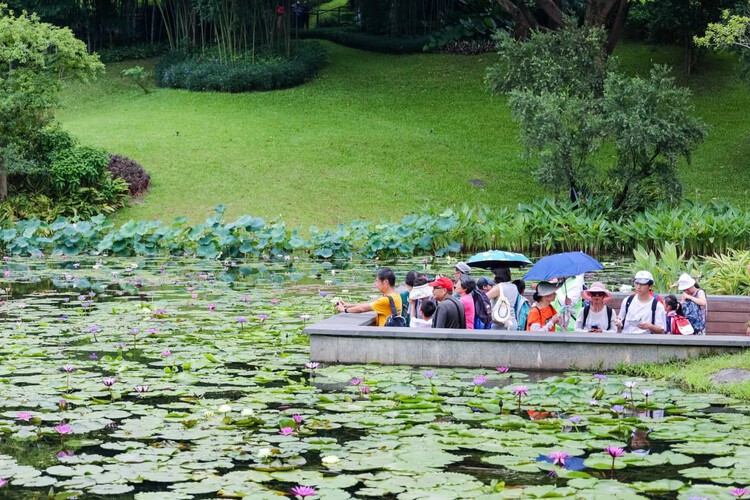
Guangzhou Yunxi Botanical Garden / AECOM + Architectural Design & Research Institute of SCUT + Guangzhou Landscape Architectural Design & Research Institute. Image Courtesy of Yunxi Botanical Garden
While human life depends heavily on plants for the medicines, building materials, and fuel they provide, they also play a vital role in many ecological processes. From climate regulation through carbon dioxide absorption to soil fertility and the purification of air and water, plant diversity offers opportunities to address some of the most pressing challenges of this century, including food security, energy availability, climate change, and habitat degradation. In this context, botanical gardens act as living refuges that foster innovation, adaptation, and human resilience. But what can architectural practice learn from botany and its methods?
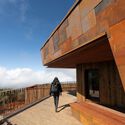
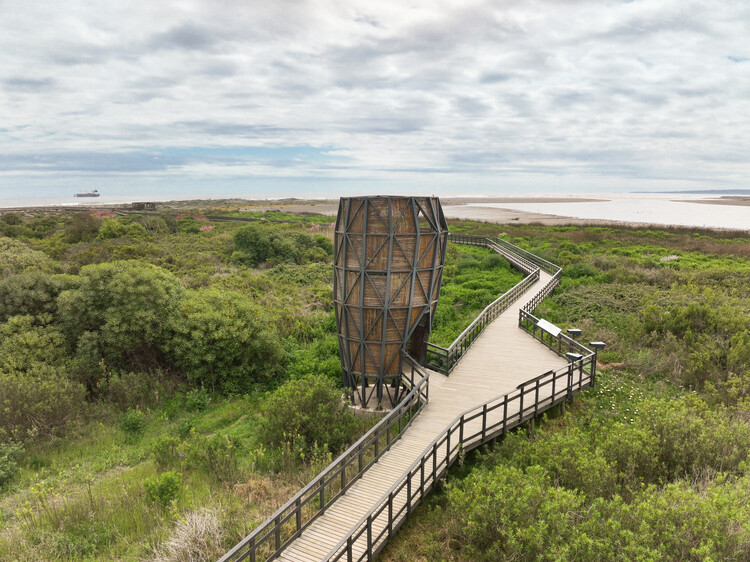
Siete Colores Observation Tower. Image Courtesy of Fundación Cosmos
How can architectural design become an active tool for conservation? By considering nature as an inexhaustible source of inspiration, a harmonious connection with it frames the countless interrelationships that exist among humans, living organisms, and natural cycles. Designing with the landscape means learning to coexist with its temporal dynamics without controlling its processes. Traditions, ecology, and the past and present of a place all contribute to creating spaces that interpret their communities. Landscape architecture can draw inspiration from birds, plants, and other natural elements to shape the complex, dynamic network of ecosystems and human activities that make up the environment.
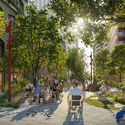
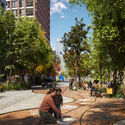
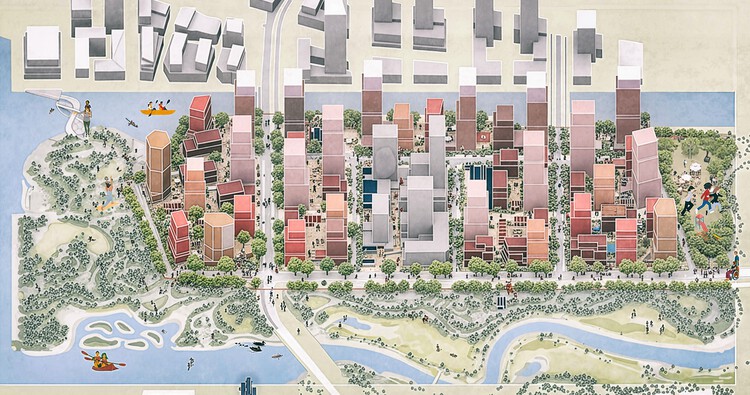
Landscape and urban design studio SLA has unveiled the design for the public realm and streetscapes of Toronto's new 39.8-hectare waterfront community. The urban landscape project "Ookwemin Minising" is located in the Port Lands, an industrial and recreational district southeast of downtown Toronto, currently undergoing urban revitalization to transform the area from a former industrial zone into a naturalized river valley, mixed-use neighbourhoods, and public parkland. The overall transformation is being led by Waterfront Toronto, a publicly funded, not-for-profit corporation established in 2001 to oversee the regeneration of the area, as part of a broader government initiative to renaturalize urban areas and increase housing density. The redevelopment of Ookwemin Minising is expected to be completed in phases between 2031 and 2040.
Videos
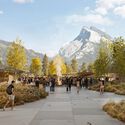
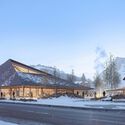
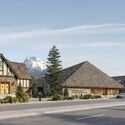
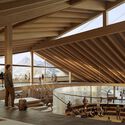
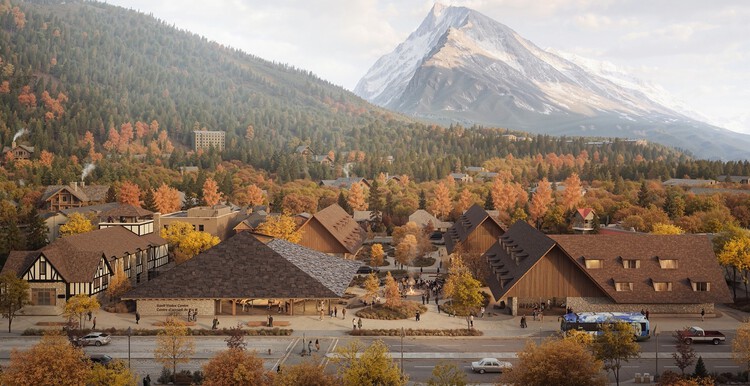
Winning design for a reimagined visitor centre and community space in Banff National Park. Paul Raff Studio and Kengo Kuma & Associates, 2026. Image Courtesy of Parks Canada
On May 13, 2026, Parks Canada, the federal agency responsible for protecting and managing Canada's natural and cultural heritage, announced the winning design for a reimagined visitor centre and community space in Banff National Park. The competition was organized in partnership with the Royal Architectural Institute of Canada (RAIC) as part of the 200-Block Banff Avenue Redevelopment Project. The proposal by Paul Raff Studio and Kengo Kuma & Associates was selected from a shortlist of five pre-qualified teams that also included EVOQ + Ryder, KPMB Architects, Revery Architecture, and Stantec Architecture. An independent jury assembled by the RAIC selected the design for its approach to landscape, sustainability principles, and its balance between conservation, heritage, Indigenous perspectives, and visitor experience, among other considerations.
Based in Mexico City, Estudio Ome, founded by Susana Rojas Saviñón and Hortense Blanchard, is an architectural and landscape practice working across forests, volcanic terrains, urban fragments, and former industrial sites. Winner of the ArchDaily 2025 Next Practices Awards, the studio develops projects through sustained observation of ecological and territorial conditions, where design decisions arise directly from the behavior of soil, water, vegetation, and ground.
Each project begins with repeated encounters. The terrain is first approached through walking and prolonged observation, letting drainage patterns, erosion, and seasonal shifts become legible before any formal measurement occurs. These visits form the basis for interpreting both visible and subterranean layers—hydrology and historical transformations that continue to exert force on the surface.
Courtesy of Kengo Kuma & Associates and Field Operations
The Brandywine Conservancy & Museum of Art, located near Philadelphia, is dedicated to promoting the natural and cultural connections between the region's landscape, historic sites, and artists. The Conservancy protects land and waterways throughout the Brandywine Valley and other priority conservation areas, while the Museum houses a collection of American art, with particular strengths in landscape and still life painting, portraiture, and illustration. On May 6, 2026, the institution announced a project to transform its 15-acre campus, including the renovation of the historic museum building, a new museum building by Kengo Kuma & Associates, and conservation and landscape interventions by Field Operations that will create a publicly accessible 325-acre reserve with ten miles of trails.
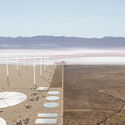
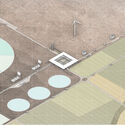
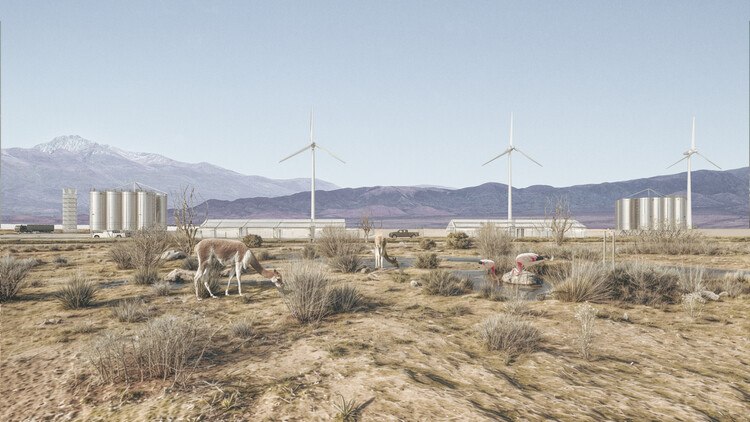
Remediation areas. Image Courtesy of Ezequiel Lopez, Maria Victoria Echegaray, and Agustina Durandez
When people think of Argentina, they often picture landmarks like the Obelisk of Buenos Aires. Yet the country spans over 2,780,400 km², making it one of the largest in South America and home to a wide range of landscapes and realities that frequently go unnoticed. In fact, the province of Jujuy in northern Argentina lies within the Lithium Triangle: a high-altitude region shared with Bolivia and Chile that contains roughly 54% of the world's lithium reserves. Within this territory sits the Olaroz Salt Flat, a site where today two competing dynamics converge: the expansion of industrial lithium extraction and the preservation of ancestral culture and lands inhabited by Kolla and Atacama communities, creating a clash of high-capacity industrial extraction and traditional, low-impact agrarian practices.
In light of this problem, one of the winning teams of the ArchDaily Student Project Awards, made up of Ezequiel Lopez, Maria Victoria Echegaray, and Agustina Durandez, decided to look into the issue. This was done as part of their thesis project for the Bachelor's in Architecture program at the National University of Córdoba. Their work stems from an interest in engaging with territories that remain peripheral to architectural discourse, using the thesis as an opportunity for sustained, in-depth research. This allowed them to formulate informed design responses grounded in both territorial and socio-economic realities. Rejecting the binary between extraction and preservation, the project approaches the territory as a system where both can coexist through spatial and technical mediation.