1. ArchDaily
  2. Housing Complex

Housing Complex: The Latest Architecture and News

Designed to Repeat, Forced to Adapt: The Parallel Architecture of Socialist Housing

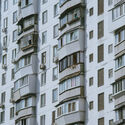
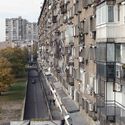
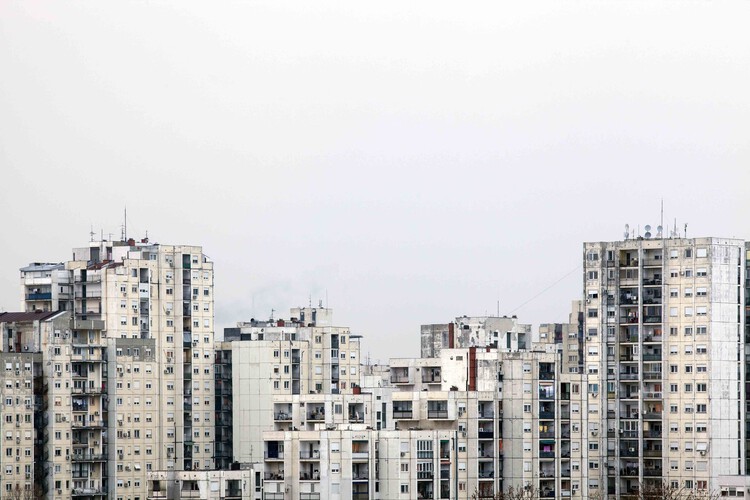
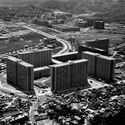
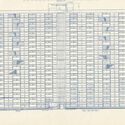
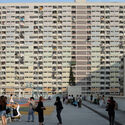
A housing block in New Belgrade appears orderly from a distance. Concrete slabs repeat with disciplined consistency, windows align into measured grids, and balconies stack with the confidence of a system certain of itself. However, proximity changes the reading. One balcony is enclosed in aluminum glazing, another softened with improvised shading. Insulation thickens part of a façade while laundry frames another edge like an accidental elevation study. The district still reads as planned, though occupation has made its order less uniform. Within that order, repetition has gradually been rewritten through occupation.

Designed to Repeat, Forced to Adapt: The Parallel Architecture of Socialist Housing - Image 1 of 4Designed to Repeat, Forced to Adapt: The Parallel Architecture of Socialist Housing - Image 2 of 4Designed to Repeat, Forced to Adapt: The Parallel Architecture of Socialist Housing - Image 3 of 4Designed to Repeat, Forced to Adapt: The Parallel Architecture of Socialist Housing - Image 4 of 4Designed to Repeat, Forced to Adapt: The Parallel Architecture of Socialist Housing - More Images+ 10

After Le Corbusier: How Southeast Asia Turned the Satellite City Into a Transit Megaproject

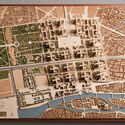
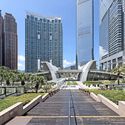
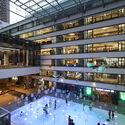
Southeast Asia is often narrated as a kind of architectural playground—an arena where modern and contemporary ideals have been tested at full scale through singular, iconic buildings. One can trace an easy lineage through names that have helped shape the region's skyline imagination: Paul Rudolph's Lippo Centre in Hong Kong and The Concourse in Singapore, I.M. Pei's OCBC Centre and Hong Kong's Bank of China Tower, Norman Foster's Supreme Court of Singapore and the HSBC Main Building in Hong Kong, Ron Phillips' Hong Kong City Hall, Moshe Safdie's Marina Bay Sands. Yet this familiar history—told through objects, colonialism, authorship, and signature forms—risks missing a deeper, more consequential layer of influence: the planning logics and infrastructural frameworks that have quietly structured how these cities expand, densify, and distribute everyday life.

After Le Corbusier: How Southeast Asia Turned the Satellite City Into a Transit Megaproject - Image 1 of 4After Le Corbusier: How Southeast Asia Turned the Satellite City Into a Transit Megaproject - Image 2 of 4After Le Corbusier: How Southeast Asia Turned the Satellite City Into a Transit Megaproject - Image 3 of 4After Le Corbusier: How Southeast Asia Turned the Satellite City Into a Transit Megaproject - Image 4 of 4After Le Corbusier: How Southeast Asia Turned the Satellite City Into a Transit Megaproject - More Images+ 12

Designed Comfort, Purchased Comfort: Passive Design and Air Conditioning in Hong Kong

Subscriber Access | 

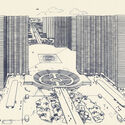
Establishing thermal comfort once demanded a far more deliberate and calibrated architectural intelligence—an interplay of orientation, massing, material behavior, ventilation potential, shading, and the ways daylight and surfaces absorb and release heat. This was not simply a matter of taste, but of necessity. When many of Hong Kong's post-war modernist buildings were constructed in the late 1960s and 1970s, forming a substantial portion of the city's public housing and broader residential stock, air-conditioning was not yet a ubiquitous, default service. Cooling, where present at all, was limited and unevenly distributed; comfort had to be negotiated through passive means, through section, façade depth, operable openings, and climatic detailing. It was only later, particularly through the 1970s and 1980s, as air-conditioning became increasingly standardized across the region, that mechanical cooling began to displace this earlier matrix of architectural decision-making.

Did air conditioning negatively affect architectural space, particularly in Hong Kong and the nearby region? The more precise claim is that widespread reliance on AC has profoundly rearranged the incentive structure of building design.

Designed Comfort, Purchased Comfort: Passive Design and Air Conditioning in Hong Kong - Image 1 of 4Designed Comfort, Purchased Comfort: Passive Design and Air Conditioning in Hong Kong - Image 2 of 4Designed Comfort, Purchased Comfort: Passive Design and Air Conditioning in Hong Kong - Image 3 of 4Designed Comfort, Purchased Comfort: Passive Design and Air Conditioning in Hong Kong - Image 4 of 4Designed Comfort, Purchased Comfort: Passive Design and Air Conditioning in Hong Kong - More Images+ 9

Wohnpark Alterlaa: Vienna’s Monumental Vision for Everyday Life

Subscriber Access | 

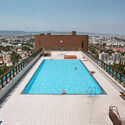
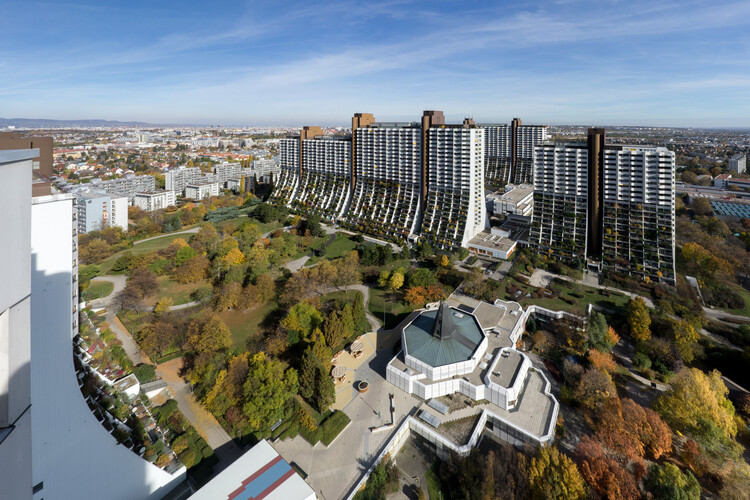
On the southern edge of Vienna, a cluster of monumental terraces rises above the cityscape, their stepped balconies cascading with greenery and their rooftops crowned with swimming pools. This is the Wohnpark Alterlaa, one of the most ambitious social housing projects in postwar Europe. Designed by Austrian architect Harry Glück and built between 1973 and 1985, the complex was founded on a provocative principle: municipal housing should not only provide affordable shelter but also offer the pleasures and amenities usually reserved for the wealthy.

With more than 3,000 apartments housing nearly 9,000 residents, Alterlaa was conceived as a city within the city. Alongside its residential towers, it incorporates shops, schools, medical services, and cultural facilities, ensuring that daily life can unfold entirely within its boundaries. The project reflects a moment of optimism in Vienna's urban policy, when housing was understood as infrastructure for collective well-being rather than as a commodity.

Wohnpark Alterlaa: Vienna’s Monumental Vision for Everyday Life - Image 1 of 4Wohnpark Alterlaa: Vienna’s Monumental Vision for Everyday Life - Image 2 of 4Wohnpark Alterlaa: Vienna’s Monumental Vision for Everyday Life - Image 3 of 4Wohnpark Alterlaa: Vienna’s Monumental Vision for Everyday Life - Image 4 of 4Wohnpark Alterlaa: Vienna’s Monumental Vision for Everyday Life - More Images+ 28

Zaha Hadid Architects Unveils Images of a New Housing Project in Málaga, Spain

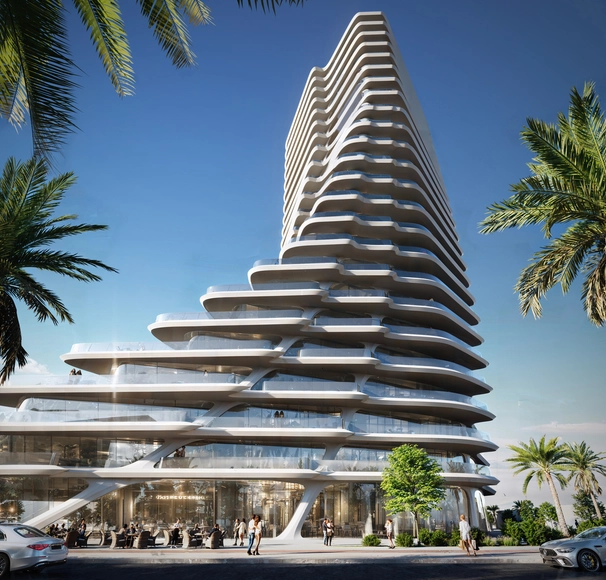
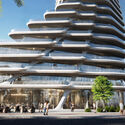
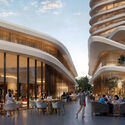
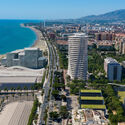
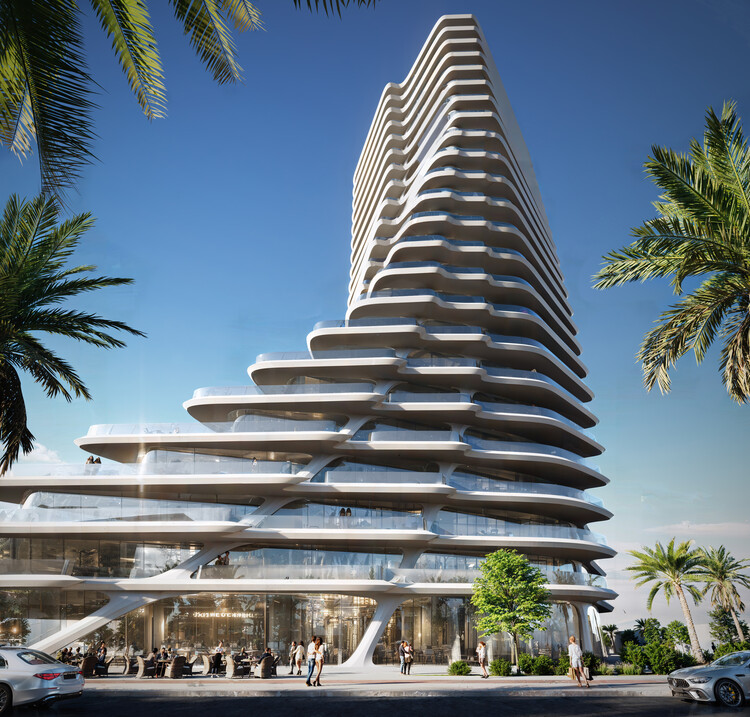
Sierra Blanca Estates, a real estate development firm, has officially announced plans to build a new residential neighborhood in the coastal city of Málaga, Spain. According to the developers, the proposal is intended to address the city's growing demand for housing in the capital of the Andalucía autonomous community, located along the Mediterranean Sea in the southern Iberian Peninsula. The new neighborhood is planned for the El Bulto area and would include a 21-storey building designed by Zaha Hadid Architects.

Zaha Hadid Architects Unveils Images of a New Housing Project in Málaga, Spain - Image 1 of 4Zaha Hadid Architects Unveils Images of a New Housing Project in Málaga, Spain - Image 2 of 4Zaha Hadid Architects Unveils Images of a New Housing Project in Málaga, Spain - Image 3 of 4Zaha Hadid Architects Unveils Images of a New Housing Project in Málaga, Spain - Image 4 of 4Zaha Hadid Architects Unveils Images of a New Housing Project in Málaga, Spain - More Images+ 2

Angola Introduces Large-Scale Concrete 3D-Printing to Address Housing Crisis

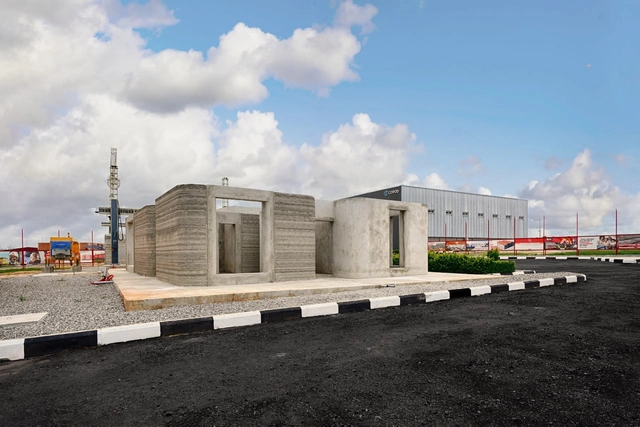
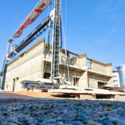
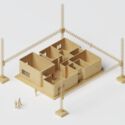
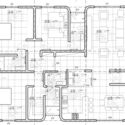
According to the World Bank, the Angola National Urbanization and Housing Program (PNUH), launched in 2008, aimed to build one million new housing units. However, by 2024, it had delivered only approximately 220,000. Power2Build, an Angolan construction startup, estimates the current housing deficit in Angola at around three million homes, with the situation particularly critical in Luanda, one of the fastest-growing cities on the African continent. With an entirely Angolan multidisciplinary team, Power2Build aims to contribute to reducing this deficit through the use of automated 3D concrete printing technology. Implemented on-site with large-scale construction printers from Danish company COBOD, the system is expected to accelerate construction timelines and improve building quality. Large-scale cement-based 3D printing eliminates the need for traditional molds by precisely placing or solidifying specific volumes of material in sequential layers using computer-controlled positioning. The process involves three key stages: data preparation, material preparation, and printing.

Angola Introduces Large-Scale Concrete 3D-Printing to Address Housing Crisis - Image 1 of 4Angola Introduces Large-Scale Concrete 3D-Printing to Address Housing Crisis - Image 2 of 4Angola Introduces Large-Scale Concrete 3D-Printing to Address Housing Crisis - Image 3 of 4Angola Introduces Large-Scale Concrete 3D-Printing to Address Housing Crisis - Image 4 of 4Angola Introduces Large-Scale Concrete 3D-Printing to Address Housing Crisis - More Images+ 13

MAST Reveals Floating Neighborhood Design for Rotterdam’s Disused Spoorweghaven Dock

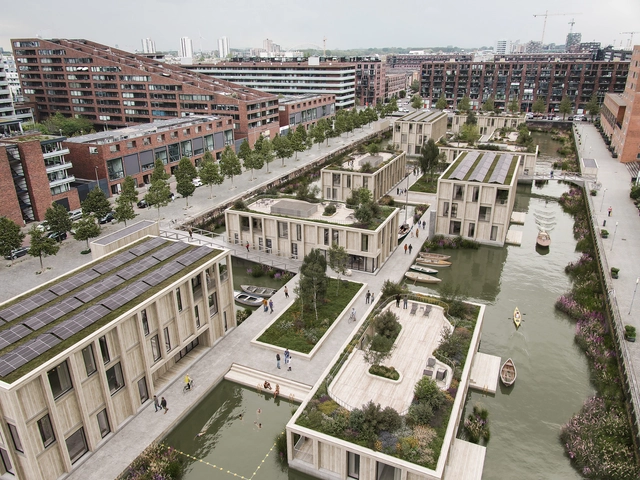
Danish maritime architecture studio MAST, in collaboration with construction company BIK Bouw, has designed a new floating community for the disused Spoorweghaven dock in Rotterdam, Netherlands. The proposed neighborhood, which has received initial support from the Municipality of Rotterdam, includes over 100 apartments, public spaces, commercial units, and a recreational harbor near the city center. Floating architecture is MAST's response to the Netherlands' housing crisis, offering a modular, adaptable solution for building a wide range of structures on water.

MAST Reveals Floating Neighborhood Design for Rotterdam’s Disused Spoorweghaven Dock - Image 1 of 4MAST Reveals Floating Neighborhood Design for Rotterdam’s Disused Spoorweghaven Dock - Image 4 of 4MAST Reveals Floating Neighborhood Design for Rotterdam’s Disused Spoorweghaven Dock - Image 2 of 4MAST Reveals Floating Neighborhood Design for Rotterdam’s Disused Spoorweghaven Dock - Image 3 of 4MAST Reveals Floating Neighborhood Design for Rotterdam’s Disused Spoorweghaven Dock - More Images+ 10

Case Studies in Community-Centered Living: Innovative Residential Design

Subscriber Access | 

Architecture evolves, particularly in how it reflects the relationships between people, their behavior, and the environment. Even subtle variations in these dynamics can influence how we think and live in our communities. According to the World Bank, 56% of the population currently lives in urban environments, and it is estimated that by 2050 this number will reach 70%. This projection echoes the speed and magnitude of urban growth, posing challenges for architects and design firms, from the viability of buildings to the sustainability of the built environment, encompassing residential architecture and other typologies that influence daily life.

Social Modern Housing in Spain: Addressing the Crisis with Adaptable and Sustainable Solutions

Subscriber Access | 

The housing crisis, the need for effective land management policies, and the growing demand for housing aid are global challenges, and Spain has taken significant steps to address these issues in recent years. While this effort is closely tied to rehabilitating obsolete buildings, it also tackles the challenges of densification and gentrification. These factors have prompted the exploration of new housing models and ways of living, leading to the development of affordable residential buildings designed to accommodate large numbers of inhabitants while maintaining high-quality living standards.

Social Modern Housing in Spain: Addressing the Crisis with Adaptable and Sustainable Solutions - Image 1 of 4Social Modern Housing in Spain: Addressing the Crisis with Adaptable and Sustainable Solutions - Image 2 of 4Social Modern Housing in Spain: Addressing the Crisis with Adaptable and Sustainable Solutions - Image 3 of 4Social Modern Housing in Spain: Addressing the Crisis with Adaptable and Sustainable Solutions - Image 4 of 4Social Modern Housing in Spain: Addressing the Crisis with Adaptable and Sustainable Solutions - More Images+ 16

From Modernism to Multiculturalism: The Historical Evolution of Student Housing

Student housing has undergone a remarkable transformation over the last century. Once seen as a utilitarian necessity, providing shelter and basic amenities for students, this architectural typology has evolved to address increasingly complex societal, cultural, and urban demands. Starting with Le Corbusier's modernist approach at the Cité Universitaire in Paris, student housing has reflected broader trends in architecture, urbanism, and social change.

Today, these buildings must cater to a highly diverse and transient population, navigating the pressures of affordability, density, and the evolving living standards of young adults. With rapid urbanization and increasing student mobility, universities now face the challenge of designing housing that is not only functional but also adaptable to different cultural and social contexts. This has led to more flexible, innovative solutions that promote both privacy and community living.

From Modernism to Multiculturalism: The Historical Evolution of Student Housing - Image 1 of 4From Modernism to Multiculturalism: The Historical Evolution of Student Housing - Image 2 of 4From Modernism to Multiculturalism: The Historical Evolution of Student Housing - Image 3 of 4From Modernism to Multiculturalism: The Historical Evolution of Student Housing - Image 4 of 4From Modernism to Multiculturalism: The Historical Evolution of Student Housing - More Images+ 55

BIOSIS Reveals Design for Minimal-Impact Housing in Nuuk, Greenland

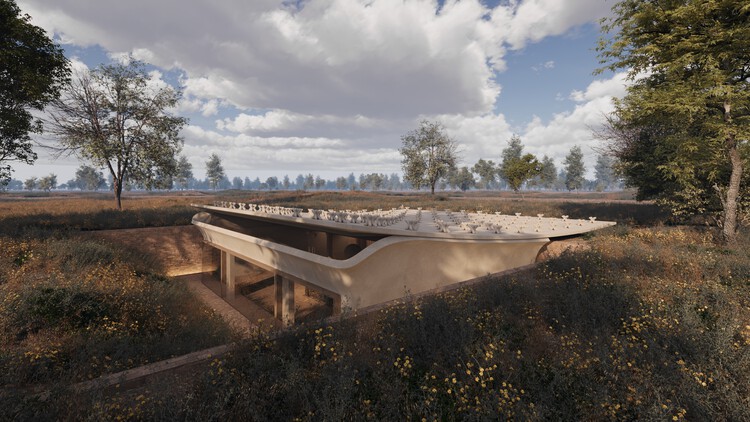
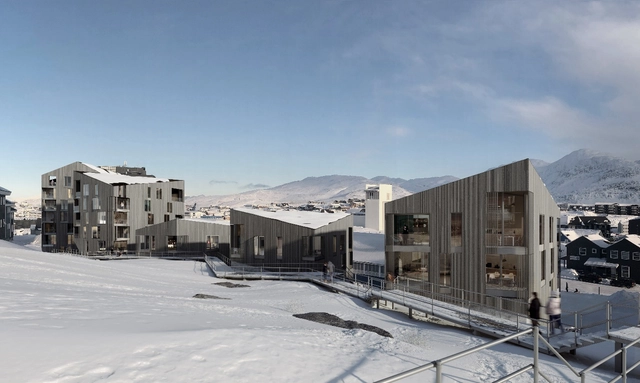
Copenhagen-based multidisciplinary studio BIOSIS has revealed the design for a new housing complex in Nuuk, Greenland. The project aims to create a minimal-impact and climate-driven design by integrating the intervention in the area's natural terrain and adapting the solutions to the local conditions. The Qullilerfik housing project consists of five prism-shaped residences created to complement the sloped site, initially considered unsuitable.

BIOSIS Reveals Design for Minimal-Impact Housing in Nuuk, Greenland - Image 1 of 4BIOSIS Reveals Design for Minimal-Impact Housing in Nuuk, Greenland - Image 2 of 4BIOSIS Reveals Design for Minimal-Impact Housing in Nuuk, Greenland - Image 3 of 4BIOSIS Reveals Design for Minimal-Impact Housing in Nuuk, Greenland - Image 4 of 4BIOSIS Reveals Design for Minimal-Impact Housing in Nuuk, Greenland - More Images+ 1

Powerhouse Company Designs Largest Timber Housing Development in the Netherlands

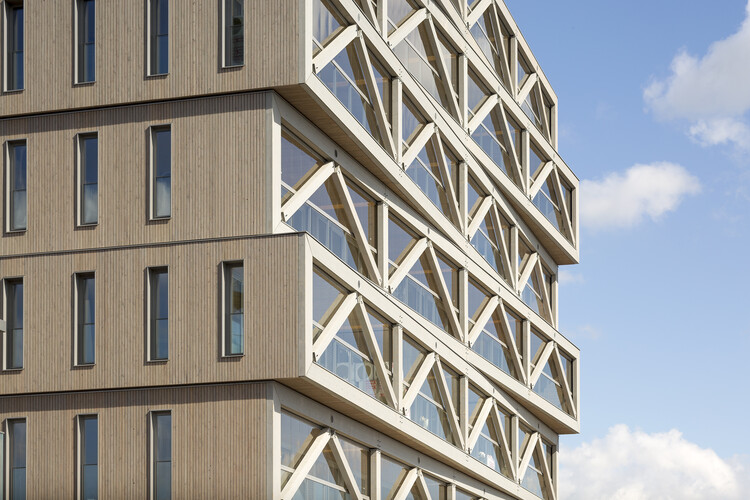
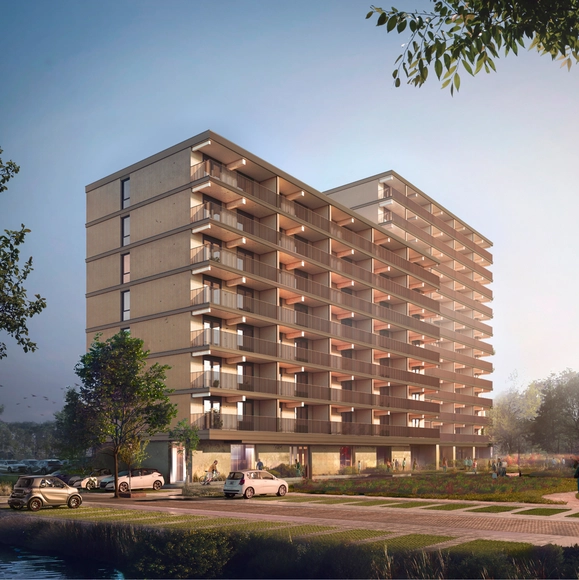
Powerhouse Company has revealed the design for the largest timber-built affordable housing complex in the Netherlands. “Valckensteyn” is a circular design featuring a 12-story timber structure and 82 homes. Situated within Pendrecht, a post-war neighborhood in Rotterdam, it sits on the site of a residential flat bearing the same name, demolished a decade ago. The timber structure seeks to be circular and sustainable in its design, creating a nature-inclusive environment that is accessible to all.

Powerhouse Company Designs Largest Timber Housing Development in the Netherlands - Image 1 of 4Powerhouse Company Designs Largest Timber Housing Development in the Netherlands - Image 2 of 4Powerhouse Company Designs Largest Timber Housing Development in the Netherlands - Image 3 of 4Powerhouse Company Designs Largest Timber Housing Development in the Netherlands - Image 4 of 4Powerhouse Company Designs Largest Timber Housing Development in the Netherlands - More Images+ 1

ODA Reveals the Design of a Contextual Residential Development in Brooklyn, New York

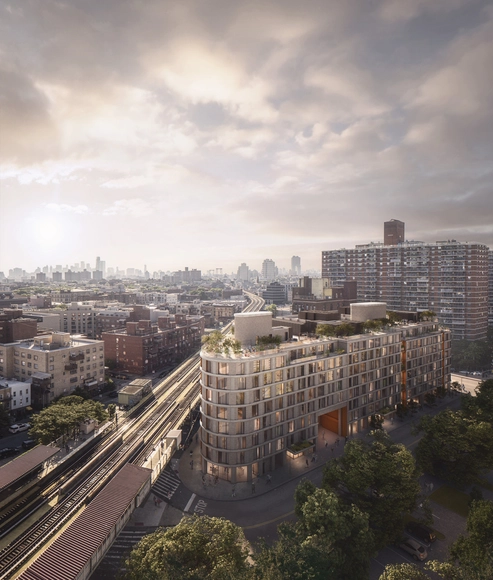
New York-based architecture office ODA has unveiled its design for Lorimer House and Copper Lofts, a development comprised of two residential buildings located in East Williamsburg in New York City. The design takes advantage of the triangular shape of the plot, employing rounded corners throughout the building to soften its image and create contextual references to its urban surroundings. Containing a total of 336 residential units, in addition to various amenities, the construction is slated for completion in 2024.

ODA Reveals the Design of a Contextual Residential Development in Brooklyn, New York - Image 1 of 4ODA Reveals the Design of a Contextual Residential Development in Brooklyn, New York - Image 2 of 4ODA Reveals the Design of a Contextual Residential Development in Brooklyn, New York - Image 3 of 4ODA Reveals the Design of a Contextual Residential Development in Brooklyn, New York - Image 4 of 4ODA Reveals the Design of a Contextual Residential Development in Brooklyn, New York - More Images

A Tetris-Like Residence in Iran and a Seaside Apartment Block in Italy: 8 Unbuilt Housing Projects Submitted by the ArchDaily Community

Subscriber Access | 

In every city, urban housing projects represent most of the built environments, reflecting an intricate weave of societal needs and architectural visions. This roundup of unbuilt projects submitted by the ArchDaily Community offers a lens into the dynamic interplay between design constraints and creative opportunities. From the revitalization of urban fragments to the exploration of innovative construction methods, architects navigate a terrain shaped by sustainability imperatives, community inclusivity, and evolving urban dynamics.

The diversity of unbuilt urban housing projects showcased here underscores the breadth of architectural interventions, featuring commitments to sustainability and inclusivity. From projects featuring new building materials such as wooden construction systems to those created to maximize sunlight or engage the larger community, this week’s curated selection showcases unbuilt collective housing projects from around the world.

A Tetris-Like Residence in Iran and a Seaside Apartment Block in Italy: 8 Unbuilt Housing Projects Submitted by the ArchDaily Community - Image 5 of 4A Tetris-Like Residence in Iran and a Seaside Apartment Block in Italy: 8 Unbuilt Housing Projects Submitted by the ArchDaily Community - Image 26 of 4A Tetris-Like Residence in Iran and a Seaside Apartment Block in Italy: 8 Unbuilt Housing Projects Submitted by the ArchDaily Community - Image 32 of 4A Tetris-Like Residence in Iran and a Seaside Apartment Block in Italy: 8 Unbuilt Housing Projects Submitted by the ArchDaily Community - Image 38 of 4A Tetris-Like Residence in Iran and a Seaside Apartment Block in Italy: 8 Unbuilt Housing Projects Submitted by the ArchDaily Community - More Images+ 53

Le Berlier, the 50-Meter-Tall Timber Tower Designed by Moreau Kusunoki, Opens in Paris, France

In Paris’ thirteenth arrondissement, the architecture office Moreau Kusunoki has completed Le Berlier, a 50-meter-tall timber tower housing residential units along with various other amenities. Situated at the intersection of multiple urban flows, networks, and scales, the project aims to find the middle ground between innovation, monumentality, and domesticity. The new residential center expresses its structural system through the grid of the façade, rendered in charred and pre-weathered wood.

Le Berlier, the 50-Meter-Tall Timber Tower Designed by Moreau Kusunoki, Opens in Paris, France - Image 1 of 4Le Berlier, the 50-Meter-Tall Timber Tower Designed by Moreau Kusunoki, Opens in Paris, France - Image 2 of 4Le Berlier, the 50-Meter-Tall Timber Tower Designed by Moreau Kusunoki, Opens in Paris, France - Image 3 of 4Le Berlier, the 50-Meter-Tall Timber Tower Designed by Moreau Kusunoki, Opens in Paris, France - Image 4 of 4Le Berlier, the 50-Meter-Tall Timber Tower Designed by Moreau Kusunoki, Opens in Paris, France - More Images+ 19

Parabase Reuses Prefabricated Concrete Elements for a Radical Housing Development in Basel, Switzerland

Architectural studio Parabase has been chosen for the development of several plots of Areal Walkeweg in Basel for the purpose of creating affordable apartments and an integrated migration center. The design solution, titled “Elementa,” reuses components from deconstructed cantonal properties, transforming the former columns and floor plates into walls and façade elements. The project was chosen following an open competition, where the international jury favored Parabase’s solution for its strong aesthetics combined with the creative reuse of prefabricated concrete elements.

Parabase Reuses Prefabricated Concrete Elements for a Radical Housing Development in Basel, Switzerland - Image 1 of 4Parabase Reuses Prefabricated Concrete Elements for a Radical Housing Development in Basel, Switzerland - Image 2 of 4Parabase Reuses Prefabricated Concrete Elements for a Radical Housing Development in Basel, Switzerland - Image 3 of 4Parabase Reuses Prefabricated Concrete Elements for a Radical Housing Development in Basel, Switzerland - Image 4 of 4Parabase Reuses Prefabricated Concrete Elements for a Radical Housing Development in Basel, Switzerland - More Images+ 6

OMA/Jason Long and Y.A. Studio's Affordable Housing Scheme Breaks Ground in San Francisco

The result of a collaboration between OMA / Jason Long and Y.A. studio, the joint development of 730 Stanyan in the Haight Ashbury neighborhood of San Francisco broke ground. Upon completion, the 8-story building will accommodate 160 units of deeply affordable homes and amenities for low-income people, including formerly unhoused families, and homes and amenities for people with low incomes in San Francisco, including families, formerly unhoused families, and Transitional Age Youth (TAY). The project is scheduled to be completed in the Fall of 2025.

OMA/Jason Long and Y.A. Studio's Affordable Housing Scheme Breaks Ground in San Francisco - Image 1 of 4OMA/Jason Long and Y.A. Studio's Affordable Housing Scheme Breaks Ground in San Francisco - Image 2 of 4OMA/Jason Long and Y.A. Studio's Affordable Housing Scheme Breaks Ground in San Francisco - Image 3 of 4OMA/Jason Long and Y.A. Studio's Affordable Housing Scheme Breaks Ground in San Francisco - Image 4 of 4OMA/Jason Long and Y.A. Studio's Affordable Housing Scheme Breaks Ground in San Francisco - More Images+ 3

Rebuilding and Destigmatizing Rome’s Quarticciolo Neighborhood

This article was originally published on Common Edge.

On first impression, Quarticciolo is a handsome district in Rome. A human-scaled public housing complex comprising red and yellow midrise buildings arranged around internal courtyards and gardens. Designed by architect Roberto Nicolini during the Fascist regime, this village feel isn’t found in the massive postwar residential schemes elsewhere in the capital. Like other rationalist architects, Nicolini was inspired by the ancient city. Basing the layout on a classical orthogonal grid pattern, he allowed just one tall structure, the Casa del Fascio (the Fascist party headquarters), a fortress tower that looms over the main square. Most of the buildings were constructed between 1938 and 1943 to house a working-class population that was forcibly moved from Rome’s historic center to the outskirts to make way for Mussolini’s grand public works.