1. ArchDaily
  2. Highrise Building

Highrise Building: The Latest Architecture and News

Rethinking the High-Rise: 5 Unbuilt Towers from the ArchDaily Community

Subscriber Access | 

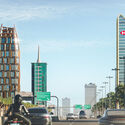
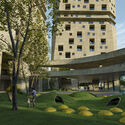
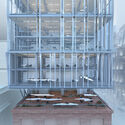
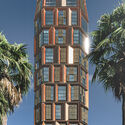
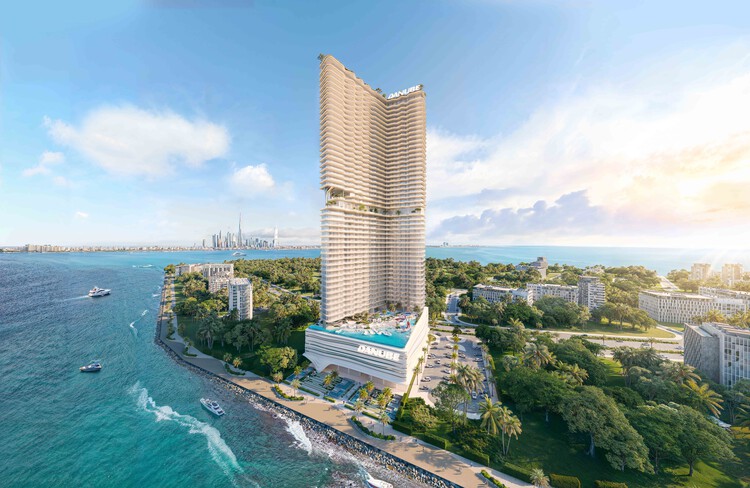
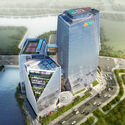
High-rise architecture continues to serve as a primary tool for accommodating density in rapidly evolving urban environments. Traditionally defined by efficiency and repetition, the tower is increasingly being reexamined as a more complex spatial and organizational system. Across different geographies, architects are testing how vertical structures can move beyond singular functions to incorporate layered programs, environmental strategies, and new forms of occupation.

The following selection brings together unbuilt projects submitted by the ArchDaily community, highlighting a range of approaches to the contemporary tower. From mixed-use developments and residential high-rises to speculative ecological proposals, these works reflect an ongoing shift in how vertical architecture is conceived. These towers engage with broader questions of privacy, coexistence, adaptability, and urban integration.

Rethinking the High-Rise: 5 Unbuilt Towers from the ArchDaily Community - Image 9 of 4Rethinking the High-Rise: 5 Unbuilt Towers from the ArchDaily Community - Image 17 of 4Rethinking the High-Rise: 5 Unbuilt Towers from the ArchDaily Community - Image 28 of 4Rethinking the High-Rise: 5 Unbuilt Towers from the ArchDaily Community - Image 7 of 4Rethinking the High-Rise: 5 Unbuilt Towers from the ArchDaily Community - More Images+ 27

After Le Corbusier: How Southeast Asia Turned the Satellite City Into a Transit Megaproject

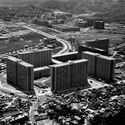
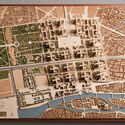
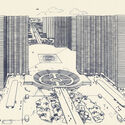
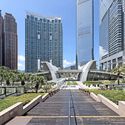
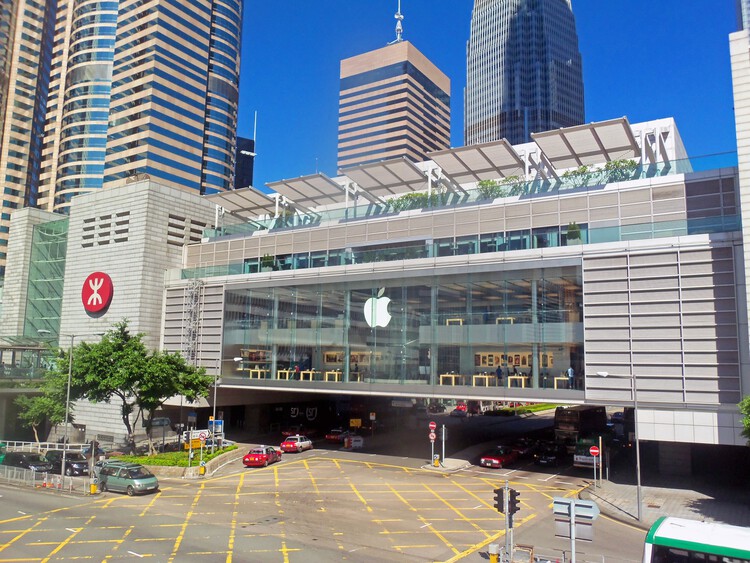
Southeast Asia is often narrated as a kind of architectural playground—an arena where modern and contemporary ideals have been tested at full scale through singular, iconic buildings. One can trace an easy lineage through names that have helped shape the region's skyline imagination: Paul Rudolph's Lippo Centre in Hong Kong and The Concourse in Singapore, I.M. Pei's OCBC Centre and Hong Kong's Bank of China Tower, Norman Foster's Supreme Court of Singapore and the HSBC Main Building in Hong Kong, Ron Phillips' Hong Kong City Hall, Moshe Safdie's Marina Bay Sands. Yet this familiar history—told through objects, colonialism, authorship, and signature forms—risks missing a deeper, more consequential layer of influence: the planning logics and infrastructural frameworks that have quietly structured how these cities expand, densify, and distribute everyday life.

After Le Corbusier: How Southeast Asia Turned the Satellite City Into a Transit Megaproject - Image 1 of 4After Le Corbusier: How Southeast Asia Turned the Satellite City Into a Transit Megaproject - Image 2 of 4After Le Corbusier: How Southeast Asia Turned the Satellite City Into a Transit Megaproject - Image 3 of 4After Le Corbusier: How Southeast Asia Turned the Satellite City Into a Transit Megaproject - Image 4 of 4After Le Corbusier: How Southeast Asia Turned the Satellite City Into a Transit Megaproject - More Images+ 12

Podium–Tower Urbanism in Southeast Asia: Density, Management, and the Disappearing Street

Subscriber Access | 

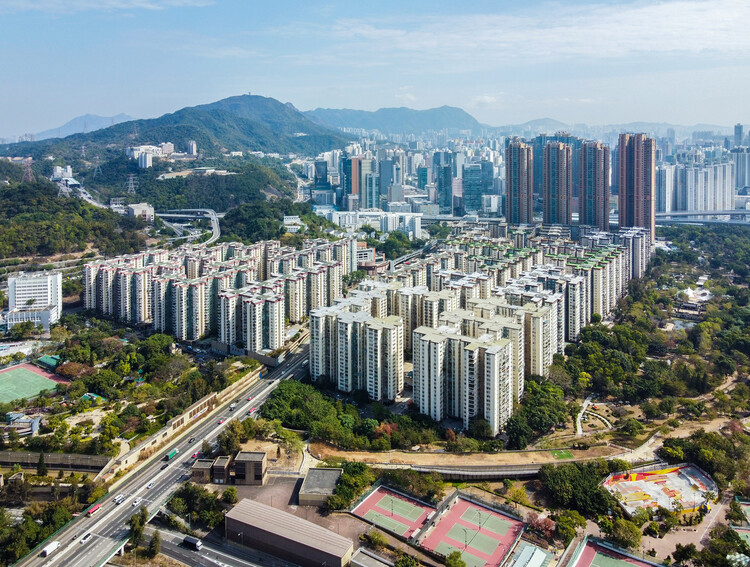
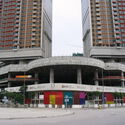
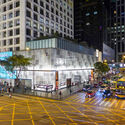
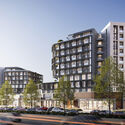
If elevated networks reveal a city that increasingly walks above the street, the podium–tower is the typology that often makes that condition feel inevitable. Across Southeast Asia, podium–tower projects have become one of the dominant languages of metropolitan growth: a system that concentrates housing, jobs, retail, and transit connections into highly legible and managed parcels. From an urban planning perspective, the model can be remarkably effective—absorbing congestion, formalizing circulation, and delivering density quickly. Yet as it spreads, the typology also raises a quieter question: what does it optimize for, and what does it erode—especially at the level of the street, where urban life is meant to be negotiated rather than curated?

At its simplest, the podium–tower is a hybrid structure consisting of a high-coverage, low-rise podium supporting one or more slender vertical towers. The podium typically carries the logistical and commercial weight of the development—retail, parking, loading, drop-offs, back-of-house services, and often amenity decks—while the tower stacks private programs above, whether residential, office, hotel, or mixed use. The promise is twofold: maximize urban density while maintaining a "human-scaled" street wall, and separate the messy logistics of city life from the quieter domain of living and work.

Podium–Tower Urbanism in Southeast Asia: Density, Management, and the Disappearing Street - Image 1 of 4Podium–Tower Urbanism in Southeast Asia: Density, Management, and the Disappearing Street - Image 2 of 4Podium–Tower Urbanism in Southeast Asia: Density, Management, and the Disappearing Street - Image 3 of 4Podium–Tower Urbanism in Southeast Asia: Density, Management, and the Disappearing Street - Image 4 of 4Podium–Tower Urbanism in Southeast Asia: Density, Management, and the Disappearing Street - More Images+ 14

From Munich to Mumbai: 7 Unbuilt Office Towers Redefining the Future of Vertical Workspaces

Subscriber Access | 

As cities continue to expand upward, the office tower remains one of the most visible symbols of architectural ambition and urban evolution. No longer defined solely by efficiency or corporate image, contemporary workplace architecture is being reimagined as a hybrid ecosystem, one that balances density with daylight, productivity with well-being, and technology with material and spatial integrity. The following unbuilt projects, submitted by the ArchDaily community, reveal how architects across continents are rethinking the typology of the tower, turning verticality into an opportunity for connection, adaptability, and sustainability.

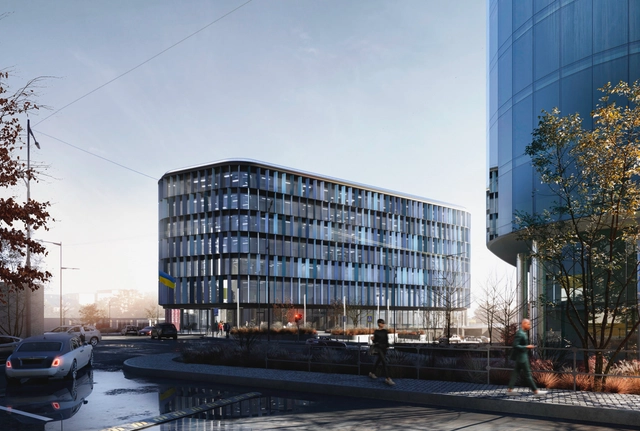
From India's Shivalik Curv and Embassy Zenith, where form and movement are combined to redefine skyline identity, to Dungen in Sweden, a low-rise timber office that mirrors the calm of a forest grove, each project explores how workplaces can become more flexible, humane, and environmentally conscious. In Kyiv, APEX Business Center positions itself as a catalyst for urban vitality, while Jakarta's BNI Tower PIK 2 transforms the corporate tower into a crystalline symbol of growth. In Munich and Ankara, mixed-use concepts like Highrise Hufelandmark and Rhythm Ankara explore the office as part of a broader civic landscape, where work, leisure, and public life intersect.

From Munich to Mumbai: 7 Unbuilt Office Towers Redefining the Future of Vertical Workspaces - Image 25 of 4From Munich to Mumbai: 7 Unbuilt Office Towers Redefining the Future of Vertical Workspaces - Image 30 of 4From Munich to Mumbai: 7 Unbuilt Office Towers Redefining the Future of Vertical Workspaces - Image 35 of 4From Munich to Mumbai: 7 Unbuilt Office Towers Redefining the Future of Vertical Workspaces - Image 41 of 4From Munich to Mumbai: 7 Unbuilt Office Towers Redefining the Future of Vertical Workspaces - More Images+ 39

CapitaSpring Tower, Designed by BIG and CRA, Wins the International High-Rise Award 2024/25

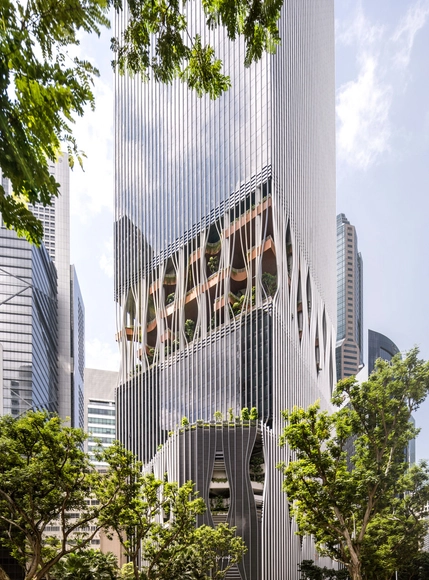
Designed by the architectural practices BIG – Bjarke Ingels Group and Carlo Ratti Associati, the mixed-use CapitaSpring tower in Singapore has been announced as the winner of the International High-Rise Award (IHA) 2024/25. The high rise stood out among the 31 projects considered in the competition. Measuring 260 meters in height, the tower officially opened in 2022, standing out for its strategy of integrating open and green spaces throughout the building.

CapitaSpring Tower, Designed by BIG and CRA, Wins the International High-Rise Award 2024/25 - Image 1 of 4CapitaSpring Tower, Designed by BIG and CRA, Wins the International High-Rise Award 2024/25 - Image 2 of 4CapitaSpring Tower, Designed by BIG and CRA, Wins the International High-Rise Award 2024/25 - Image 3 of 4CapitaSpring Tower, Designed by BIG and CRA, Wins the International High-Rise Award 2024/25 - Image 4 of 4CapitaSpring Tower, Designed by BIG and CRA, Wins the International High-Rise Award 2024/25 - More Images+ 11

How to Build on a Sloped Terrain? 5 Modern Residential Projects Shaped For Their Environments With Split-Level Exteriors

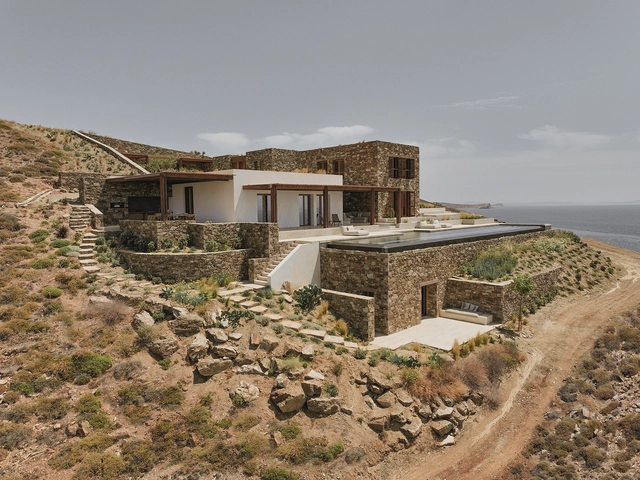
Sloped terrain offers a tantalizing prospect for developers. With breathtaking views over either natural or urban landscapes, often without the realistic possibility of being overlooked by future development, a parcel of land on a slope provides a high reward. However, whether it’s the extra excavation involved to cut and fill or cantilever out on a flat surface, the complications of water drainage, or the loss of light and difficulty of access at the front of the property, building on sloped terrains is not without its difficulties.

But it’s not necessarily the angle of the site that’s most at fault, it’s the shape of the building. By splitting up a multi-story structure and repositioning – possibly even disconnecting – each level, projects designed to comply with the existing topography by applying multiple ground levels can reduce the amount of excavation required. The split floor plan can also help to improve access and natural light and increase both interior and exterior space.

How to Build on a Sloped Terrain? 5 Modern Residential Projects Shaped For Their Environments With Split-Level Exteriors - Image 1 of 4How to Build on a Sloped Terrain? 5 Modern Residential Projects Shaped For Their Environments With Split-Level Exteriors - Image 2 of 4How to Build on a Sloped Terrain? 5 Modern Residential Projects Shaped For Their Environments With Split-Level Exteriors - Image 3 of 4How to Build on a Sloped Terrain? 5 Modern Residential Projects Shaped For Their Environments With Split-Level Exteriors - Image 4 of 4How to Build on a Sloped Terrain? 5 Modern Residential Projects Shaped For Their Environments With Split-Level Exteriors - More Images+ 7

Does Size Really Matter? Debunking the Obsession with Super Tall Buildings

Subscriber Access | 

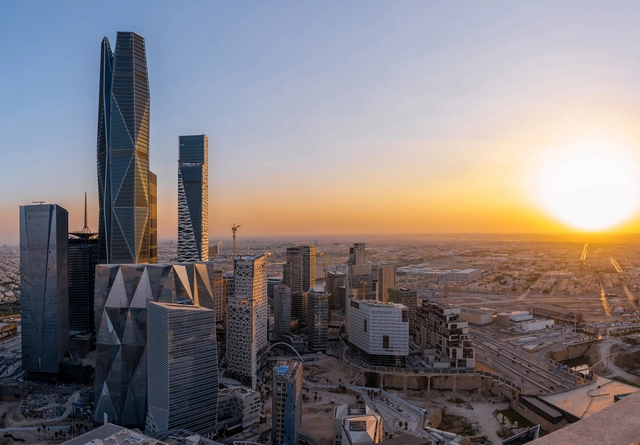
The future Saudi tower designed by Foster + Partners is expected to reach a staggering height of two kilometers. This multibillion-dollar project, towering twice as high as the current record holder, the Burj Khalifa in Dubai, will dominate the skyline of Riyadh, accommodating offices, residences, and entertainment spaces. It forms part of a development program led by Saudi Arabia, driven by the vision of Crown Prince Mohammad bin Salman to establish the country's presence through ambitious, large-scale projects. While these super-tall towers symbolize visibility and global recognition, they face criticism for their extravagant construction costs and environmental impact.

Does Size Really Matter? Debunking the Obsession with Super Tall Buildings - Image 1 of 4Does Size Really Matter? Debunking the Obsession with Super Tall Buildings - Image 2 of 4Does Size Really Matter? Debunking the Obsession with Super Tall Buildings - Image 3 of 4Does Size Really Matter? Debunking the Obsession with Super Tall Buildings - Image 4 of 4Does Size Really Matter? Debunking the Obsession with Super Tall Buildings - More Images+ 7

World's Tallest Skyscraper Resumes Construction After a 5-Year Hiatus in Jeddah, Saudi Arabia

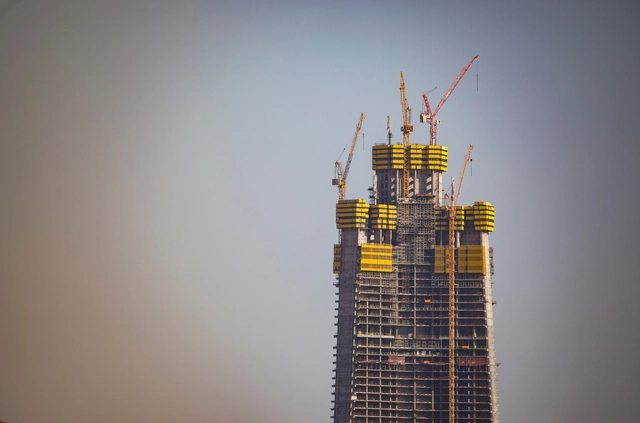
After a five-year pause, construction on the Jeddah Tower has resumed. Set to become the world’s tallest skyscraper and beat the UAE’s Burj Khalifa, the tower was designed by Adrian Smith + Gordon Gill Architecture and initially began construction in 2013. Interestingly, the Burj Khalifa was also designed by Adrian Smith while at Skidmore, Owings & Merrill. The scheme faced many delays, including a pause in 2018 and further setbacks due to the COVID-19 pandemic. Furthermore, the initial contractor was replaced during the 2017-2019 Saudi Arabian purge.

World's Tallest Skyscraper Resumes Construction After a 5-Year Hiatus in Jeddah, Saudi Arabia - Image 1 of 4World's Tallest Skyscraper Resumes Construction After a 5-Year Hiatus in Jeddah, Saudi Arabia - Image 2 of 4World's Tallest Skyscraper Resumes Construction After a 5-Year Hiatus in Jeddah, Saudi Arabia - Image 3 of 4World's Tallest Skyscraper Resumes Construction After a 5-Year Hiatus in Jeddah, Saudi Arabia - Image 4 of 4World's Tallest Skyscraper Resumes Construction After a 5-Year Hiatus in Jeddah, Saudi Arabia - More Images+ 1

Toronto Architecture City Guide: 30 Modern and Contemporary Landmarks in Canada's Largest City

Subscriber Access | 

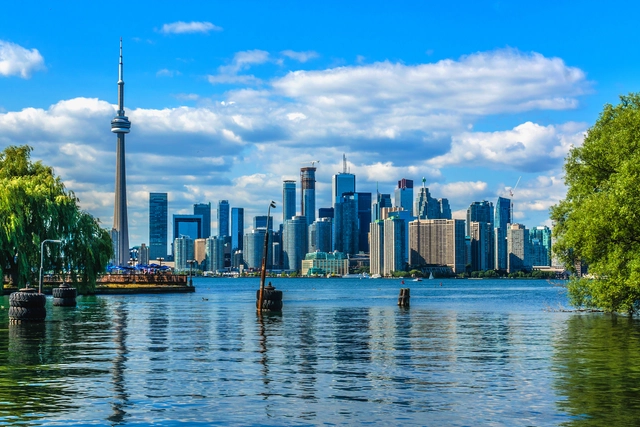
As one of the host cities of the 2026 FIFA World Cup, Toronto is preparing to welcome fans from across the globe. The Canadian city, the fourth largest in North America, has become a cosmopolitan center with its renowned business district and cultural venues/ events that come alive during the summer and early fall nights. Toronto offers a beautifully diverse urban setting, with shimmering high-rises and smaller brick houses, intertwining residential and vibrant commercial areas, public parks, and even beaches. All become part of the city's striking skyline, crowned by the iconic CN Tower.

Toronto's ongoing sprawl and constant urban development are evident as new projects spread through the city, weaving themselves into existing buildings, from 19th-century landmarks such as the Gooderham Building to major contemporary works like the Aga Khan Museum. These new constructions include increasing adaptive reuse and retrofitted projects throughout the city as more efforts and incentives are provided to reduce carbon emissions.

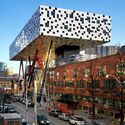
Toronto Architecture City Guide: 30 Modern and Contemporary Landmarks in Canada's Largest City - Image 1 of 4Toronto Architecture City Guide: 30 Modern and Contemporary Landmarks in Canada's Largest City - Image 2 of 4Toronto Architecture City Guide: 30 Modern and Contemporary Landmarks in Canada's Largest City - Image 3 of 4Toronto Architecture City Guide: 30 Modern and Contemporary Landmarks in Canada's Largest City - Image 4 of 4Toronto Architecture City Guide: 30 Modern and Contemporary Landmarks in Canada's Largest City - More Images+ 38

Vertical Urbanism: Milan Highrises Reaching New Heights

Subscriber Access | 

Milan’s urban fabric has long been defined by change. In a city known for its historic monuments, from the Piazza Duomo and Milan Cathedral to works like Velasca Tower, contemporary architecture must balance many existing contexts. Emerging as a global center for design and culture, Milan has become home to new buildings and structures addressing this condition as iconic landmarks and expressive forms. Actively building upon its legacy, Milan has turned its attention to the sky.

Vertical Urbanism: Milan Highrises Reaching New Heights - Image 1 of 4Vertical Urbanism: Milan Highrises Reaching New Heights - Image 2 of 4Vertical Urbanism: Milan Highrises Reaching New Heights - Image 3 of 4Vertical Urbanism: Milan Highrises Reaching New Heights - Image 4 of 4Vertical Urbanism: Milan Highrises Reaching New Heights - More Images+ 4

Mario Cucinella Architects To Shape Vienna's Skyline with Two Multifunctional Towers

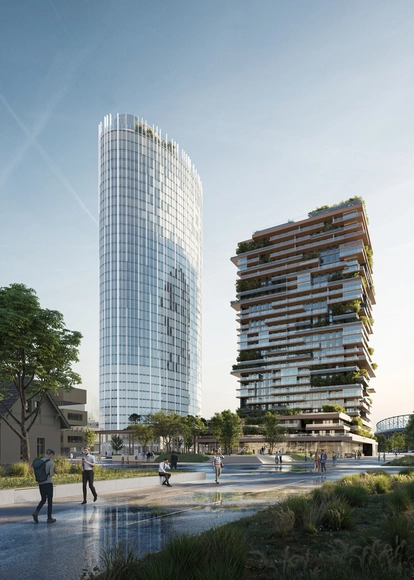
Mario Cucinella Architects has started constructing two multifunctional towers to shape Vienna’s skyline. Situated in the 2nd district in Vienna, where a dynamic urban development “Viertel Zwei”, has been in the works for some time, the project consists of two highrises, both of different architectural languages and made for different purposes, together providing a complex urban image inserted into context.

Mario Cucinella Architects To Shape Vienna's Skyline with Two Multifunctional Towers - Image 1 of 4Mario Cucinella Architects To Shape Vienna's Skyline with Two Multifunctional Towers - Image 2 of 4Mario Cucinella Architects To Shape Vienna's Skyline with Two Multifunctional Towers - Image 3 of 4Mario Cucinella Architects To Shape Vienna's Skyline with Two Multifunctional Towers - Image 4 of 4Mario Cucinella Architects To Shape Vienna's Skyline with Two Multifunctional Towers - More Images+ 6

HKS Designs Skyscraper in Austin, Set to Become the Tallest Residential Tower in the USA, Outside of New York

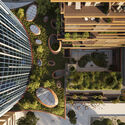
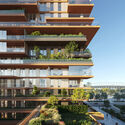
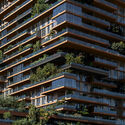
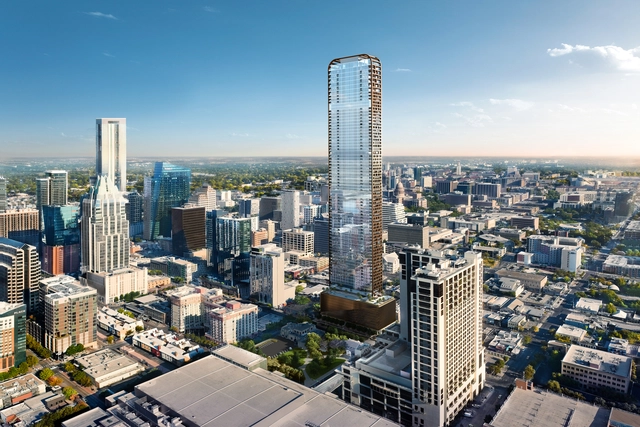
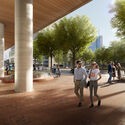
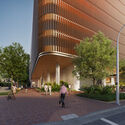
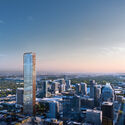
Austin-based office HKS announced the design of the Wilson Tower, a high-rise of 315 meters in Texas' capital featuring 80 floors, 450 units, outdoor terraces, and gardens. The tower will be delivered in collaboration with Britt Design Group and Wilson Capital, and is expected to break ground in the summer of 2023. After completion will become the tallest residential tower in the USA outside of New York.

HKS Designs Skyscraper in Austin, Set to Become the Tallest Residential Tower in the USA, Outside of New York - Image 1 of 4HKS Designs Skyscraper in Austin, Set to Become the Tallest Residential Tower in the USA, Outside of New York - Image 2 of 4HKS Designs Skyscraper in Austin, Set to Become the Tallest Residential Tower in the USA, Outside of New York - Image 3 of 4HKS Designs Skyscraper in Austin, Set to Become the Tallest Residential Tower in the USA, Outside of New York - Image 4 of 4HKS Designs Skyscraper in Austin, Set to Become the Tallest Residential Tower in the USA, Outside of New York - More Images+ 1

Stefano Boeri Architetti Unveils Vertical Forest Prototype at COP27

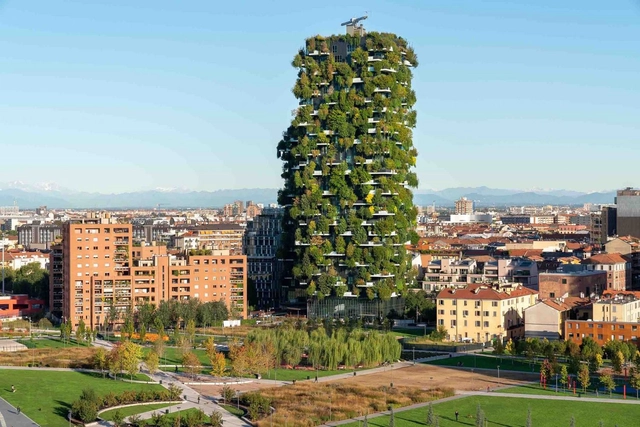
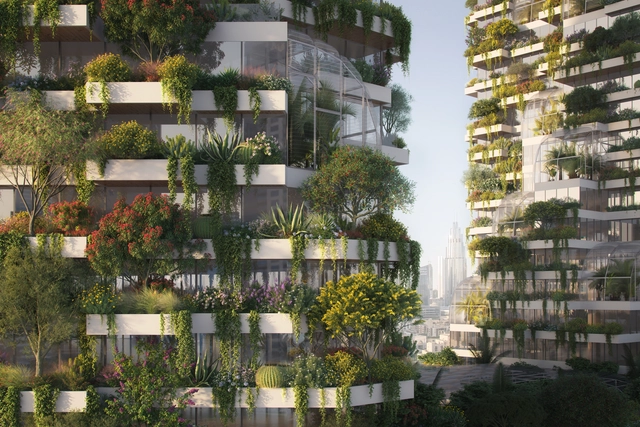
Stefano Boeri Architetti presented a new design for the Vertical Forest towers during COP27 in Sharm El-Sheikh, Egypt. The prototype would be in Dubai, the most populous city in the United Arab Emirates (UAE), and the next host of COP28 in 2023. The ambitious project would represent the first Vertical Forest prototype for the MENA (Middle East and North Africa), and it is the latest in an extended list of greenery-covered buildings by Boeri Architetti, including the Bosco Verticale in Milan, the Easyhome Huanggang in China, and a prototype of the First Dutch Vertical Forest.

Stefano Boeri Architetti Unveils Vertical Forest Prototype at COP27 - Image 1 of 4Stefano Boeri Architetti Unveils Vertical Forest Prototype at COP27 - Image 2 of 4Stefano Boeri Architetti Unveils Vertical Forest Prototype at COP27 - Image 3 of 4Stefano Boeri Architetti Unveils Vertical Forest Prototype at COP27 - Image 4 of 4Stefano Boeri Architetti Unveils Vertical Forest Prototype at COP27 - More Images

Partisans Reveal Design for Cloud-Inspired High-Rise in Downtown Toronto

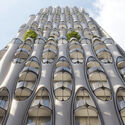
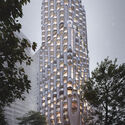
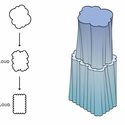
Architecture office Partisans have recently revealed the design of a new high-rise planned for downtown Toronto, on 15-17 Elm Street. The shape of the tower takes inspiration from the process of cloud formation, more specifically from the cirrocumulus, a meteorological term describing the curl-like shapes that form cloud systems. The 32-storey building will accommodate 174 residential units equipped with personal balconies and necessary amenities.

Partisans Reveal Design for Cloud-Inspired High-Rise in Downtown Toronto - Image 1 of 4Partisans Reveal Design for Cloud-Inspired High-Rise in Downtown Toronto - Image 2 of 4Partisans Reveal Design for Cloud-Inspired High-Rise in Downtown Toronto - Image 3 of 4Partisans Reveal Design for Cloud-Inspired High-Rise in Downtown Toronto - Image 4 of 4Partisans Reveal Design for Cloud-Inspired High-Rise in Downtown Toronto - More Images+ 7

Rem Koolhaas on the High-Rise Phenomenon and Emirates' Potential of Re-Inventing Urbanization

Subscriber Access | 

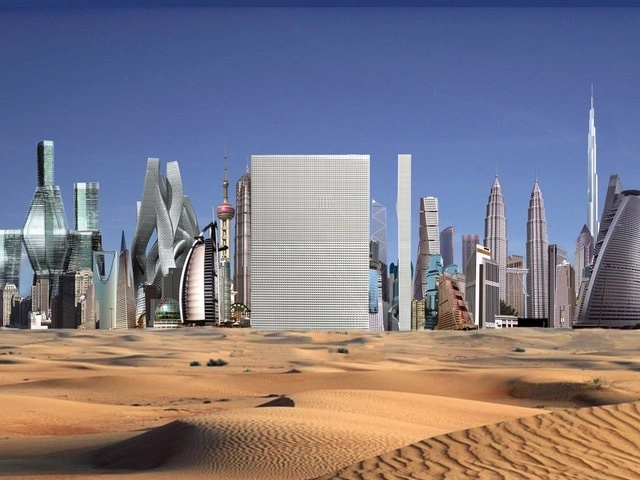
Rem Koolhaas, co-founder of Office for Metropolitan Architecture (OMA), receiver of the Pritzker Prize Award in 2000, and leading urban theorist, was one of the first to question the high-rise phenomenon and its influence on city transformation. Particularly intrigued by the Gulf region and the urban ambitions of this area, in 2009, during the 9th edition of the Sharjah Biennial, he delivered a lecture on the potential of re-inventing urbanization in the Emirates.

On the occasion of the golden jubilee of UAE, marking 50 years since the Emirates were founded in 1971, 50U, published by Archis explores the different developments in the Gulf, this region that “witnessed the transformation of a partly nomadic, partly town-based community into a globally active metropolitan society”. After Al Manakh, in 2007, followed in 2010 by Al Manakh Cont’d, 50U tells the story of the UAE through 50 portraits of people, plants, and places. The book also shares an excerpt of Koolhaas’ 2009 talk that reflects on contemporary conditions, focusing specifically on his reading of Dubai, his architectural involvement as well as his future urban predictions.

Mecanoo Designs Soon-to-be Tallest High-Rise in The Hague, the Netherlands

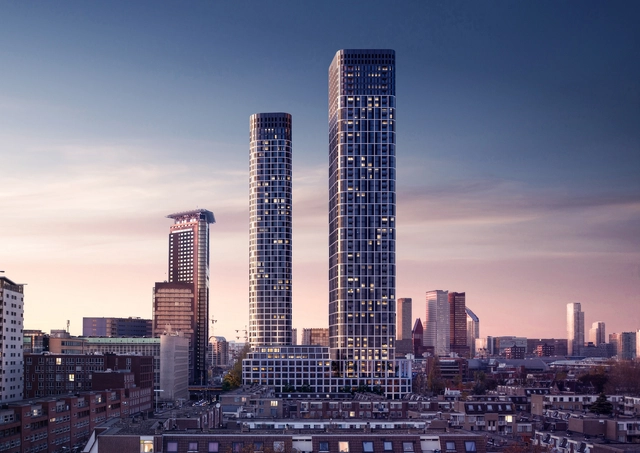
Dutch architecture firm Mecanoo has unveiled the design of what will soon become the tallest high-rise ensemble in the city of The Hague, in the Netherlands. Dubbed "The Grace", the project consists of two towers, one at 150 meters high and the other at 180 meters, becoming the tallest high-rise ensemble in the city. The residential project comes as a response to the growing demand for affordable housing, as well as fostering an enhanced sense of community.

Mecanoo Designs Soon-to-be Tallest High-Rise in The Hague, the Netherlands - Image 1 of 4Mecanoo Designs Soon-to-be Tallest High-Rise in The Hague, the Netherlands - Image 2 of 4Mecanoo Designs Soon-to-be Tallest High-Rise in The Hague, the Netherlands - Image 3 of 4Mecanoo Designs Soon-to-be Tallest High-Rise in The Hague, the Netherlands - Image 4 of 4Mecanoo Designs Soon-to-be Tallest High-Rise in The Hague, the Netherlands - More Images+ 1

Yemen’s Ancient High-Rises: How Conflict Erases Heritage

Subscriber Access | 

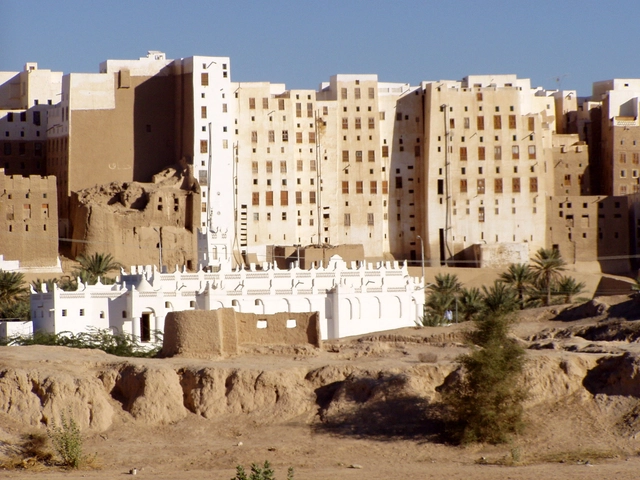
Skyscrapers are an unmissable characteristic of contemporary settlements. From São Paolo to New York, from Seoul to Dubai – these towering structures are a ubiquitous part of the urban fabric. The conventional image one has of these structures is of curtain-walled facades, but in Yemen – an ancient example goes against this trend. Central Yemen is home to the city of Shibam, surrounded by a fortified wall. It’s also home to a dazzling example of architectural ingenuity – tower houses that date back to the 16th century, stretching up to seven stories high.

Yemen’s Ancient High-Rises: How Conflict Erases Heritage - Image 1 of 4Yemen’s Ancient High-Rises: How Conflict Erases Heritage - Image 2 of 4Yemen’s Ancient High-Rises: How Conflict Erases Heritage - Image 3 of 4Yemen’s Ancient High-Rises: How Conflict Erases Heritage - Image 4 of 4Yemen’s Ancient High-Rises: How Conflict Erases Heritage - More Images+ 3

Herzog & de Meuron’s Tour Triangle is Moving Forward, Dividing Parisians

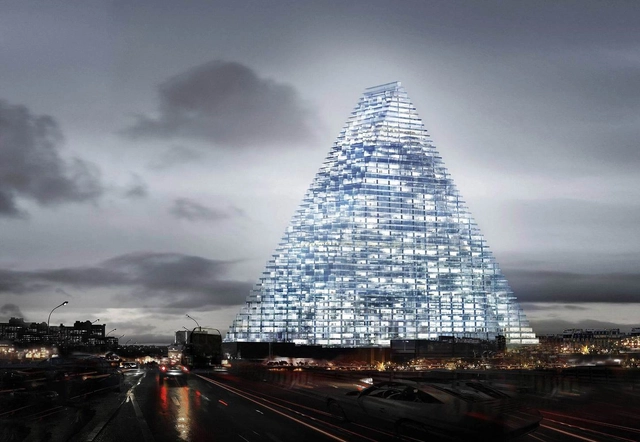
After more than a decade of financing snags, legal scuffles, and more than a soupçon of backlash, initial work on the Herzog & de Meuron-designed Tour Triangle (Triangle Tower) is set to commence by the end of this year at a site near Parc des Expositions de Porte de Versailles in the 15th arrondissement of Paris. However, last-ditch efforts to block the project are underway.