1. ArchDaily
  2. Highlight

Highlight: The Latest Architecture and News

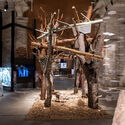
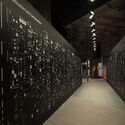
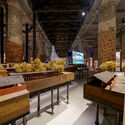
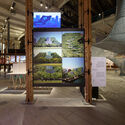
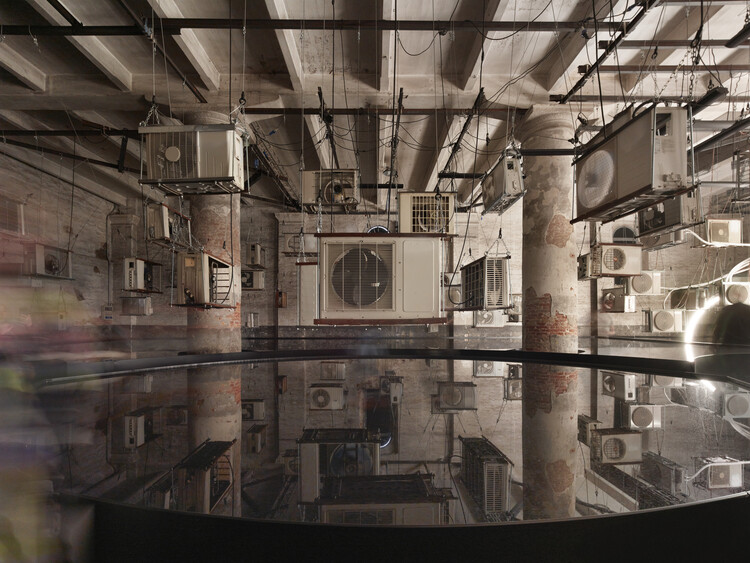
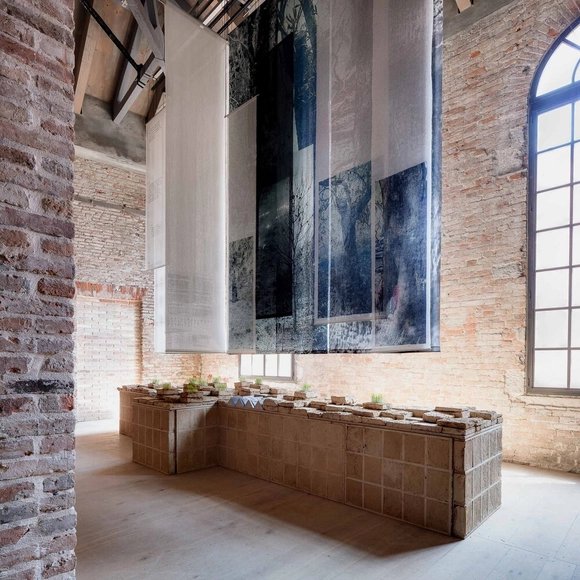
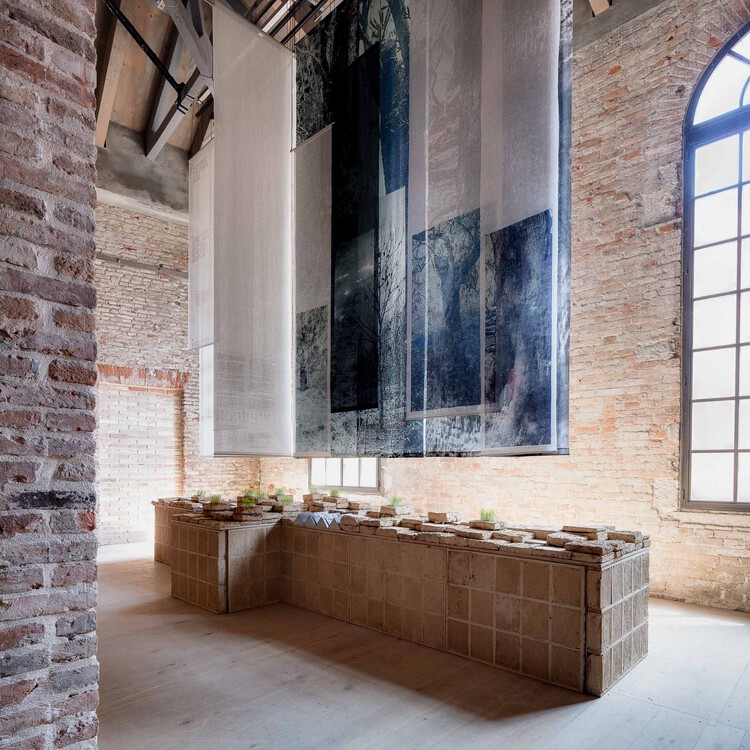
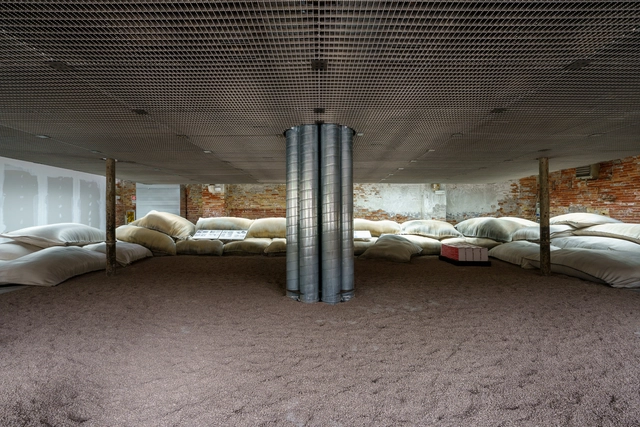
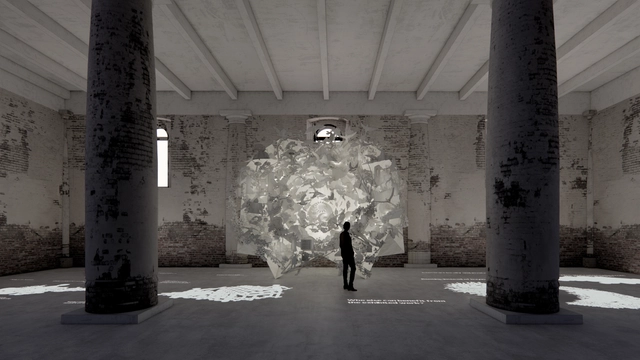
The Intelligens Biennale Gathers the Data, But Fails to Synthesize It

This article introduces our new Opinion section, a format for argument-driven essays on critical questions shaping our field.

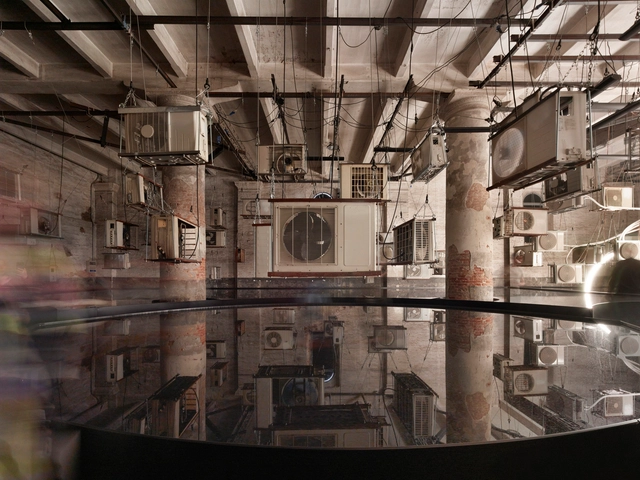
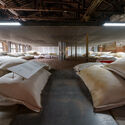
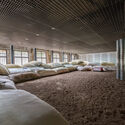
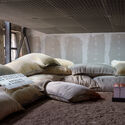
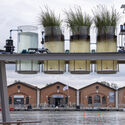
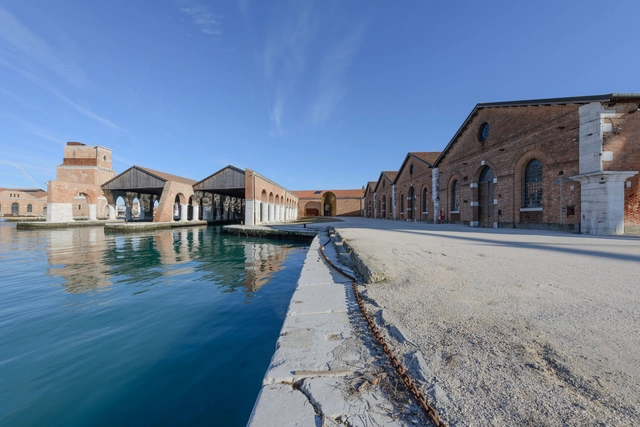
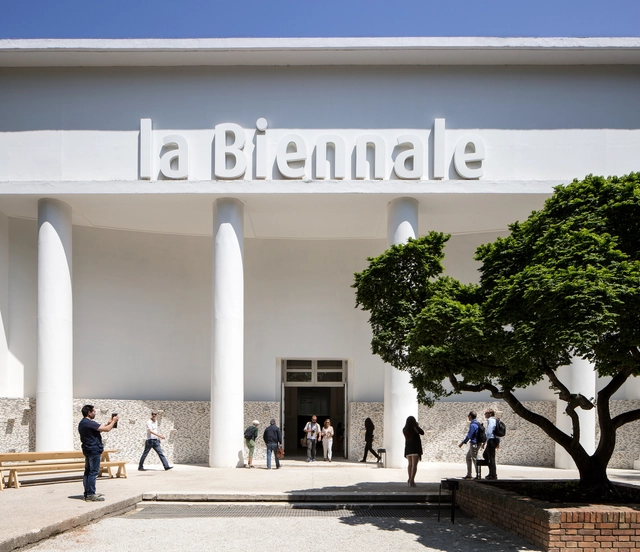
The Venice Architecture Biennale has always been larger than itself. Never content with merely being an exhibition, it has always carried ambitions that expand beyond the grounds of Arsenale and Giardini. Rem Koolhaas's Fundamentals sought to deconstruct architecture into a universal grammar; Alejandro Aravena's Reporting from the Front reframed it as a tool for social justice on the ground; Lesley Lokko's The Laboratory of the Future set out to decolonize and decarbonize the architectural canon.

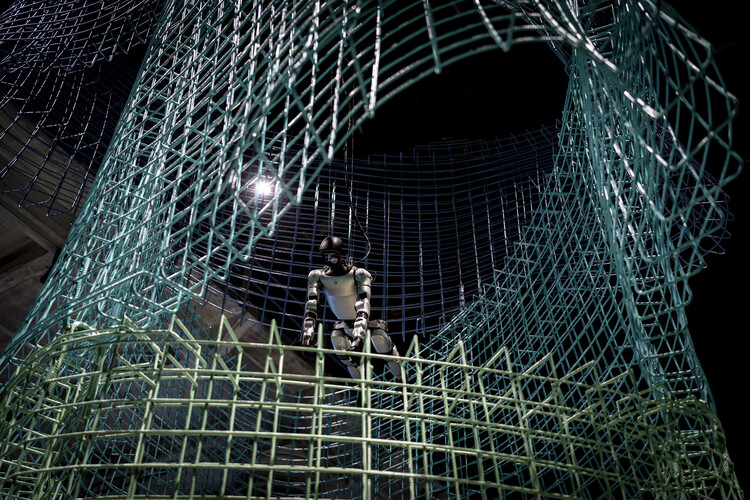
The Intelligens Biennale Gathers the Data, But Fails to Synthesize It  - Image 1 of 4The Intelligens Biennale Gathers the Data, But Fails to Synthesize It  - Image 2 of 4The Intelligens Biennale Gathers the Data, But Fails to Synthesize It  - Image 3 of 4The Intelligens Biennale Gathers the Data, But Fails to Synthesize It  - Image 4 of 4The Intelligens Biennale Gathers the Data, But Fails to Synthesize It  - More Images+ 13

20 Practices Shaping the Future of Architecture: Winners of the ArchDaily 2025 Next Practices Awards

ArchDaily is proud to reveal the winners of the 5th edition of Next Practices, recognizing 20 groundbreaking architectural practices from around the globe. These firms embody the creativity, innovation, interdisciplinary approach and social responsibility that are shaping the future of architecture and expanding its horizons.

UIA 2030 Award Launches Its Third Cycle Highlighting Sustainable Development Goals

The International Union of Architects (UIA), in collaboration with UN-Habitat, has announced the launch of the third cycle of the UIA 2030 Award. Introduced in 2021, the biennial international prize highlights the role of architecture in advancing the UN 2030 Agenda for Sustainable Development, with a particular emphasis on SDG11: Sustainable Cities and Communities and the New Urban Agenda. Organized by the UIA's UN 17 SDGs Commission, the award recognizes built projects that combine architecture with measurable contributions to the Sustainable Development Goals (SDGs). Structured to coincide with the schedule of the World Urban Forum (WUF), the award will run through five cycles.

UIA 2030 Award Launches Its Third Cycle Highlighting Sustainable Development Goals - Image 1 of 4UIA 2030 Award Launches Its Third Cycle Highlighting Sustainable Development Goals - Image 2 of 4UIA 2030 Award Launches Its Third Cycle Highlighting Sustainable Development Goals - Image 3 of 4UIA 2030 Award Launches Its Third Cycle Highlighting Sustainable Development Goals - Image 4 of 4UIA 2030 Award Launches Its Third Cycle Highlighting Sustainable Development Goals - More Images+ 1

Forming a Distinct Identity: How Brutalism Shaped American Architecture Education

By the mid-nineteenth century, American universities began to distinguish architecture from civil engineering and the applied sciences formally. Architecture was emerging as a discipline defined by both technical competence and conceptual inquiry, spatial imagination, and cultural agency. As this disciplinary identity evolved in the postwar decades, its built expression coalesced into the emerging architectural language of Brutalism.

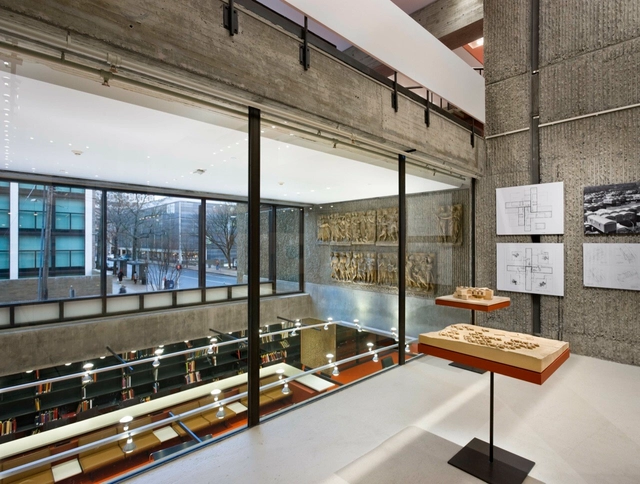
Forming a Distinct Identity: How Brutalism Shaped American Architecture Education - Image 1 of 4Forming a Distinct Identity: How Brutalism Shaped American Architecture Education - Image 2 of 4Forming a Distinct Identity: How Brutalism Shaped American Architecture Education - Image 3 of 4Forming a Distinct Identity: How Brutalism Shaped American Architecture Education - Image 4 of 4Forming a Distinct Identity: How Brutalism Shaped American Architecture Education - More Images+ 12

An Unfolding Crisis with a Hopeful Outlook: Highlights from the Projects Exhibited at Venice Architecture Biennale 2025

Under Carlo Ratti's curatorship, the Venice Biennale's 19th International Architecture Exhibition delves into the theme "Intelligens. Natural. Artificial. Collective," with the explicit aim of transforming the city of Venice into a "Living Laboratory." In addition to the 65 national participations and a wide range of educational and collateral events, the exhibition features independent projects that directly respond to the overarching theme. With most of the exhibits showcased in the historic Corderie building, stretching along the south side of the Arsenale, the event offers a dynamic exploration of emerging architectural ideas and urban strategies.

An Unfolding Crisis with a Hopeful Outlook: Highlights from the Projects Exhibited at Venice Architecture Biennale 2025 - Image 1 of 4An Unfolding Crisis with a Hopeful Outlook: Highlights from the Projects Exhibited at Venice Architecture Biennale 2025 - Image 2 of 4An Unfolding Crisis with a Hopeful Outlook: Highlights from the Projects Exhibited at Venice Architecture Biennale 2025 - Image 3 of 4An Unfolding Crisis with a Hopeful Outlook: Highlights from the Projects Exhibited at Venice Architecture Biennale 2025 - Image 4 of 4An Unfolding Crisis with a Hopeful Outlook: Highlights from the Projects Exhibited at Venice Architecture Biennale 2025 - More Images+ 41

The Land Remembers: Lebanon’s Pavilion at the 2025 Venice Biennale Confronts Ecocide Through Architecture

At the 19th International Architecture Exhibition of La Biennale di Venezia in 2025, the Lebanese Pavilion, curated by the Collective for Architecture Lebanon (CAL), presents "The Land Remembers," an exploration of ecocide and environmental healing. Selected by Lebanon's Ministry of Culture and the Lebanese Federation of Engineers, CAL is a non-profit organization co-founded in 2019 by Shereen Doummar, Edouard Souhaid, Elias Tamer, and Lynn Chamoun. Their curatorial vision aims to transform the pavilion into a fictional institution, the Ministry of Land Intelligens, dedicated to confronting environmental devastation and proposing strategies for ecological restoration.

The Land Remembers: Lebanon’s Pavilion at the 2025 Venice Biennale Confronts Ecocide Through Architecture - Image 1 of 4The Land Remembers: Lebanon’s Pavilion at the 2025 Venice Biennale Confronts Ecocide Through Architecture - Image 2 of 4The Land Remembers: Lebanon’s Pavilion at the 2025 Venice Biennale Confronts Ecocide Through Architecture - Image 3 of 4The Land Remembers: Lebanon’s Pavilion at the 2025 Venice Biennale Confronts Ecocide Through Architecture - Image 4 of 4The Land Remembers: Lebanon’s Pavilion at the 2025 Venice Biennale Confronts Ecocide Through Architecture - More Images+ 18

Bahrain Wins the Golden Lion for Best National Participation at the 2025 Venice Architecture Biennale

The Kingdom of Bahrain's Heatwave exhibition, curated by architect Andrea Faraguna has been announced as the winner of the Golden Lion for the Best National Participation at the 2025 Venice Architecture Biennale. The winner has been selected by an international jury comprising of Swiss curator, critic, and art historian Hans Ulrich Obrist as jury chair, South African architect, lecturer, and curator Mpho Matsipa, and Italian curator Paola Antonelli. The awards ceremony is broadcast live from the headquarters of the Biennale at Ca'Giustinian. The pavilion stands out for addressing the pressing issue of extreme heat through a site-specific installation that showcases passive cooling strategies rooted in Bahrain's climatic realities and cultural context.

Bahrain Wins the Golden Lion for Best National Participation at the 2025 Venice Architecture Biennale - Image 1 of 4Bahrain Wins the Golden Lion for Best National Participation at the 2025 Venice Architecture Biennale - Image 2 of 4Bahrain Wins the Golden Lion for Best National Participation at the 2025 Venice Architecture Biennale - Image 3 of 4Bahrain Wins the Golden Lion for Best National Participation at the 2025 Venice Architecture Biennale - Image 4 of 4Bahrain Wins the Golden Lion for Best National Participation at the 2025 Venice Architecture Biennale - More Images+ 7

Meet the Full List of the 65 National Pavilions at the 2025 Venice Architecture Biennale

Titled Intelligens. Natural. Artificial. Collective. and curated by Carlo Ratti, the 2025 Venice Architecture Biennale will be holding the 19th International Architecture Exhibition from May 10 to November 23, 2025.

The 2025 edition of the Venice Architecture Biennale is hosting a total of 65 National Pavilions. Among them, four countries, Azerbaijan, Oman, Qatar, and Togo, will be participating for the first time. The exhibition will unfold across three main locations: 26 pavilions at the Giardini, 22 at the Arsenale, and 15 spread throughout Venice's city center. The exhibition will bring together over 750 participants, forming interdisciplinary and multi-generational teams, and is anticipated to be the largest in the Biennale's history.

Meet the Full List of the 65 National Pavilions at the 2025 Venice Architecture Biennale - Image 1 of 4Meet the Full List of the 65 National Pavilions at the 2025 Venice Architecture Biennale - Image 2 of 4Meet the Full List of the 65 National Pavilions at the 2025 Venice Architecture Biennale - Image 3 of 4Meet the Full List of the 65 National Pavilions at the 2025 Venice Architecture Biennale - Image 4 of 4Meet the Full List of the 65 National Pavilions at the 2025 Venice Architecture Biennale - More Images+ 55

Everything You Need to Know about the Venice Architecture Biennale 2025

Next week, the world of architecture will focus its attention on Italy for the opening of the 19th edition of the Venice Architecture Biennale. This year’s edition, titled Intelligens. Natural. Artificial. Collective, promises to bring together over 750 participants in a multifaceted exploration of architecture’s role in adapting to climate change, shifting populations, and artificial forms of intelligence. According to the figures released, curator Carlo Ratti’s call is projected to be the largest Architecture Biennale ever held in Venice. Below, we answer 10 of the most frequently asked questions about the 2025 Venice Architecture Biennale.

Everything You Need to Know about the Venice Architecture Biennale 2025 - Image 1 of 4Everything You Need to Know about the Venice Architecture Biennale 2025 - Image 2 of 4Everything You Need to Know about the Venice Architecture Biennale 2025 - Image 3 of 4Everything You Need to Know about the Venice Architecture Biennale 2025 - Image 4 of 4Everything You Need to Know about the Venice Architecture Biennale 2025 - More Images+ 13

Discover the Full List of Special Projects and Participants of the 2025 Venice Architecture Biennale

The 19th International Architecture Exhibition, organised by La Biennale di Venezia under Carlo Ratti's curatorship and the theme "Intelligens. Natural. Artificial. Collective," is set to transform Venice into a "Living Laboratory" of experimentation and collaboration. This year's special projects extend beyond the exhibition grounds, integrating into various city locations and Forte Marghera in Mestre, providing an alternative perspective that expands the reach of architectural discourse.

The Biennale promises to be a dynamic platform uniting over 750 participants from diverse backgrounds, including architects, engineers, mathematicians, climate scientists, and artists. Such a broad coalition of over 280 projects underlines the Exhibition's focus on inclusivity and interdisciplinary collaboration, an essential aspect for adaptation. The selection process proposed a bottom-up, open call approach through the Space for Ideas initiative, which ran between May and June 2024. It encouraged participation from global teams, from Pritzker Prize winners and Nobel laureates to emerging architects and scientists.

Discover the Full List of Special Projects and Participants of the 2025 Venice Architecture Biennale - Image 1 of 4Discover the Full List of Special Projects and Participants of the 2025 Venice Architecture Biennale - Image 2 of 4Discover the Full List of Special Projects and Participants of the 2025 Venice Architecture Biennale - Image 3 of 4Discover the Full List of Special Projects and Participants of the 2025 Venice Architecture Biennale - Image 4 of 4Discover the Full List of Special Projects and Participants of the 2025 Venice Architecture Biennale - More Images+ 16

Venice Architecture City Guide: 15 Historical and Contemporary Attractions to Discover in Italy’s City of Canals

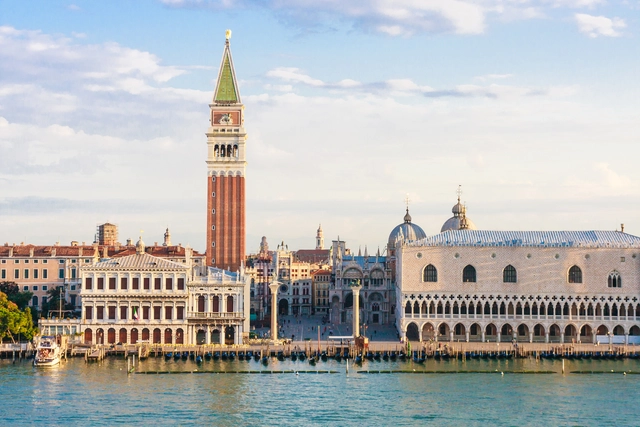
Built on a cluster of 118 small islands in the shallow Venetian Lagoon, the city of Venice, Italy, has captivated the imagination of architects and tourists alike. The area has been inhabited since ancient times, becoming a major financial and maritime power during the Middle Ages and Renaissance, as proven through the rich architecture that characterizes the city to this day. With influences from the Byzantine, Gothic, and Renaissance styles, the city represents a palimpsest of architectural narratives, overlapping and influencing each other. In recent years, Venice has become a major attraction for architects drawn to the La Biennale di Venezia, the most important Architectural Exhibition featuring national pavilions, exhibitions, and events to explore new concepts and architectural innovations.

Beyond the Biennale, Venice itself is an open-air museum for architecture lovers. While the city is best known for its historical buildings, Modernist and contemporary interventions add a new layer of interest, with many contemporary architects working with the historical fabric, like OMA's intervention and rehabilitation of Fondaco dei Tedeschi, or David Chipperfield's renovation of Procuratie Vecchie, one of the buildings that define Piazza San Marco. In addition to what the city has to offer, the site of the Venice Biennale is also marked by interventions by famous architects such as Carlo Scarpa, Sverre Fehn, and Alvar Aalto, made permanent due to their outstanding qualities.

Venice Architecture City Guide: 15 Historical and Contemporary Attractions to Discover in Italy’s City of Canals - Image 1 of 4Venice Architecture City Guide: 15 Historical and Contemporary Attractions to Discover in Italy’s City of Canals - Image 2 of 4Venice Architecture City Guide: 15 Historical and Contemporary Attractions to Discover in Italy’s City of Canals - Image 3 of 4Venice Architecture City Guide: 15 Historical and Contemporary Attractions to Discover in Italy’s City of Canals - Image 4 of 4Venice Architecture City Guide: 15 Historical and Contemporary Attractions to Discover in Italy’s City of Canals - More Images+ 11

Introducing ArchDaily's First Exhibition: 'New Practices' at Time Space Existence 2025 in Venice

ArchDaily, in collaboration with the European Cultural Center (ECC), is curating its first-ever exhibition as part of the seventh edition of Time Space Existence, the biennial architecture exhibition held alongside the 19th Venice Architecture Biennale. Running from 10 May to 23 November 2025, this edition invites practitioners to explore the themes of Repair, Regenerate, and Reuse, emphasizing innovative and sustainable approaches to the built environment. ArchDaily's contribution will be presented in a dedicated space at Palazzo Mora, complementing other exhibition venues including Palazzo Bembo, Marinaressa Gardens, and Palazzo Michiel.

Introducing ArchDaily's First Exhibition: 'New Practices' at Time Space Existence 2025 in Venice - Image 1 of 4Introducing ArchDaily's First Exhibition: 'New Practices' at Time Space Existence 2025 in Venice - Image 2 of 4Introducing ArchDaily's First Exhibition: 'New Practices' at Time Space Existence 2025 in Venice - Image 3 of 4Introducing ArchDaily's First Exhibition: 'New Practices' at Time Space Existence 2025 in Venice - Image 4 of 4Introducing ArchDaily's First Exhibition: 'New Practices' at Time Space Existence 2025 in Venice - More Images+ 2

Kengo Kuma & Associates Completes the Qatar Pavilion at Expo Osaka 2025

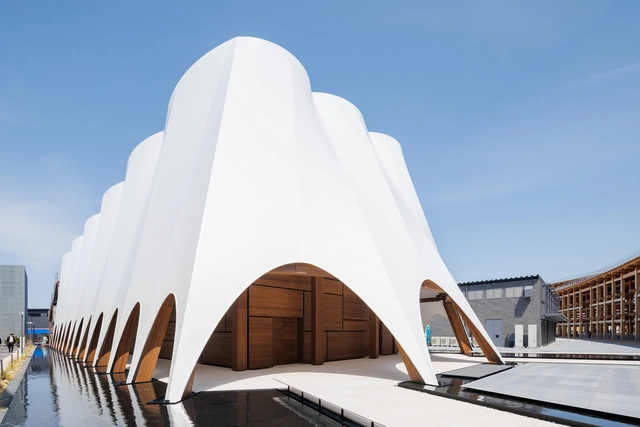
The State of Qatar has just opened its national pavilion's doors at Expo Osaka 2025. Designed by Kengo Kuma & Associates in collaboration with Qatar Museums, the pavilion blends traditional craftsmanship from Qatar and Japan while highlighting the two countries' connection to the sea, which is understood as a hub of resources and a medium for trade and knowledge exchange. The exhibition will be on view until October 13, 2025, aiming to showcase Qatar's innovations across diverse fields.

Kengo Kuma & Associates Completes the Qatar Pavilion at Expo Osaka 2025  - Image 1 of 4Kengo Kuma & Associates Completes the Qatar Pavilion at Expo Osaka 2025  - Image 2 of 4Kengo Kuma & Associates Completes the Qatar Pavilion at Expo Osaka 2025  - Image 3 of 4Kengo Kuma & Associates Completes the Qatar Pavilion at Expo Osaka 2025  - Image 4 of 4Kengo Kuma & Associates Completes the Qatar Pavilion at Expo Osaka 2025  - More Images+ 11

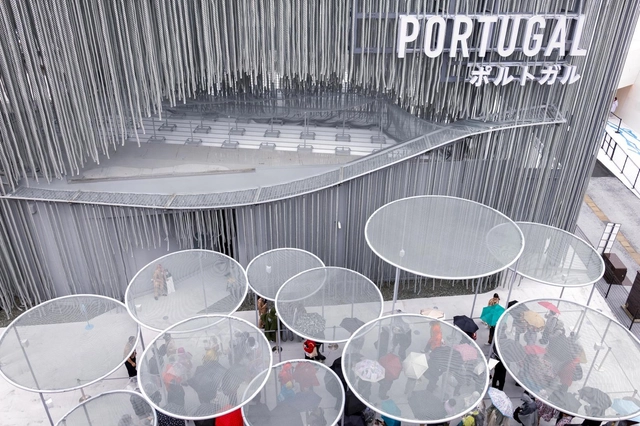
Kengo Kuma’s Portugal Pavilion for Expo 2025 Osaka Opens as a Tribute to the Ocean

The Portugal Pavilion at Expo 2025 in Osaka embraces the theme "Ocean, The Blue Dialogue", offering visitors an immersive exploration of the ocean as a life-giving resource and a cornerstone of sustainability. Designed by Japanese architect Kengo Kuma, the Pavilion aims to reflect Portugal's deep historical, cultural, and economic connections to the sea, creating an architectural and narrative journey that bridges past, present, and future. The pavilion has recently been inaugurated in the in the "Empowering Lives" zone, next to the Bahrain Pavilion, designed by Lina Ghotmeh Architecture and the Austrian Pavilion by BWM Architects.

Kengo Kuma’s Portugal Pavilion for Expo 2025 Osaka Opens as a Tribute to the Ocean - Image 1 of 4Kengo Kuma’s Portugal Pavilion for Expo 2025 Osaka Opens as a Tribute to the Ocean - Image 2 of 4Kengo Kuma’s Portugal Pavilion for Expo 2025 Osaka Opens as a Tribute to the Ocean - Image 3 of 4Kengo Kuma’s Portugal Pavilion for Expo 2025 Osaka Opens as a Tribute to the Ocean - Image 4 of 4Kengo Kuma’s Portugal Pavilion for Expo 2025 Osaka Opens as a Tribute to the Ocean - More Images+ 14

Why the 2025 Pritzker Prize Matters: Liu Jiakun and the Shift Toward Socially Responsible Architecture

Subscriber Access | 

For nearly the past two decades, cities around the world embraced "starchitecture"—futuristic, eye-catching buildings designed by globally renowned architects. In China, this trend was particularly pronounced as rapid urbanization fueled the construction of iconic megastructures like Zaha Hadid's Galaxy SOHO, OMA's CCTV Headquarters, and Herzog & de Meuron's Bird's Nest Stadium in Beijing. At the time of their construction, these were all celebrated as symbols of progress and global ambition. However, architecture worldwide has begun shifting toward a more context-driven, human-centered approach, with China emerging as one of the key contributors to this transformation. This year, Liu Jia Kun's 2025 Pritzker Prize further underscores that shift.

Why the 2025 Pritzker Prize Matters: Liu Jiakun and the Shift Toward Socially Responsible Architecture - Image 1 of 4Why the 2025 Pritzker Prize Matters: Liu Jiakun and the Shift Toward Socially Responsible Architecture - Image 2 of 4Why the 2025 Pritzker Prize Matters: Liu Jiakun and the Shift Toward Socially Responsible Architecture - Image 3 of 4Why the 2025 Pritzker Prize Matters: Liu Jiakun and the Shift Toward Socially Responsible Architecture - Image 4 of 4Why the 2025 Pritzker Prize Matters: Liu Jiakun and the Shift Toward Socially Responsible Architecture - More Images+ 4

Peru’s 2025 Venice Biennale Exhibition Honors Uros and Aymara Ancestral Construction Techniques

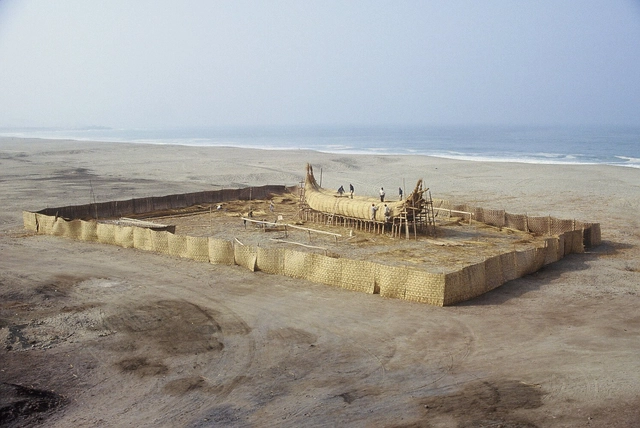
"Living Scaffolding" is the name of the proposal selected to represent Peru at the 19th International Architecture Exhibition – La Biennale di Venezia. Curated by architects Alex Hudtwalcker, Sebastián Cillóniz, and Gianfranco Morales, along with historian José Ignacio Beteta, the exhibition tells the story of a totora reed raft that, in 1988, embarked on a sea journey to other ports in South America and Polynesia. Its unprecedented expedition began on the Peruvian coast south of Lima and lasted 54 days at sea. The raft was the result of a collective, handcrafted effort and a significant structural challenge. The exhibition aims to highlight the importance of ancestral knowledge in addressing such challenges, celebrate materials essential to Peruvian cultural heritage, and expose the value of collective intelligence.

Peru’s 2025 Venice Biennale Exhibition Honors Uros and Aymara Ancestral Construction Techniques - Image 1 of 4Peru’s 2025 Venice Biennale Exhibition Honors Uros and Aymara Ancestral Construction Techniques - Featured ImagePeru’s 2025 Venice Biennale Exhibition Honors Uros and Aymara Ancestral Construction Techniques - Image 2 of 4Peru’s 2025 Venice Biennale Exhibition Honors Uros and Aymara Ancestral Construction Techniques - Image 3 of 4Peru’s 2025 Venice Biennale Exhibition Honors Uros and Aymara Ancestral Construction Techniques - More Images+ 2

Liu Jiakun and the Reinvention of Tradition in Chinese Architecture

Subscriber Access | 

The world watches China's development with a mix of admiration, curiosity, and apprehension. From massive infrastructure projects—such as hydroelectric plants and a modern high-speed rail network—to the emergence of entire cities built from scratch, the country showcases an ambitious growth strategy and an impressive capacity for execution. However, this rapid progress also brings significant challenges and stark contrasts. On one hand, modernity asserts itself in futuristic skyscrapers and cutting-edge technology; on the other, there remains a pressing need to preserve the country's rich cultural and historical heritage, reflected in ancient temples, imperial palaces, and historic cities.

Rapid urban growth has also introduced issues such as overcrowding, environmental pollution, increasing social inequality, and the loss of agricultural land. Large-scale urbanization has led to the disappearance of traditional villages, environmental degradation, and the homogenization of architecture and lifestyles in many Chinese cities. It is within this context that Liu Jiakun, awarded the 2025 Pritzker Prize, stands out for his subtle yet profoundly transformative architectural approach. His work responds to these and other challenges of Chinese society while valuing traditional materials and techniques, as well as the creation of communal spaces.

Liu Jiakun: Get to Know the 2025 Pritzker Winner's Work

Subscriber Access | 

The 2025 Pritzker Prize has been awarded this year to Chinese Architect Liu Jiakun. Born in Chengdu in 1956, he grew up in the densifying city, before attending and graduating from the Chongqing Architecture and Engineering College (Chongqing University) in 1982 with a Bachelor of Engineering degree in Architecture, and becoming one of the first college graduates to be tasked with rebuilding the country during the Chinese transition period. However, it wasn't until many years later that the architect understood that "the built environment could be used as a medium for personal expression". It was then that his endeavors and career took off, with Liu Jiakun starting his practice in 1999, and participating in more collaborative works across China and Europe. Based on his experiences, his works are anchored in his understanding of reality and a respect towards China's multi-traditional history and internal diversity; all while achieving a seamless balance between architecture and nature, tradition and modernity.

These concepts do not obstruct his consciousness of human needs and the importance of community spaces. Through his projects, Liu Jiakun proves that spaces can affect human behavior and become positively evocative. A public space such as those he's created can be conducive to a benevolent atmosphere that provides rest and collaboration. "such as my pursuit of narrative and poetry in design." The comprehensiveness of Liu Jiakun's works makes it easy not to be constrained by stylistic or aesthetic limitations or requirements. He just follows what the site, natural landscape, pre-existing urban frame, and citizen needs might require. The physical result is a mix of all of these with the predominant vernacular traditions.


Liu Jiakun: Get to Know the 2025 Pritzker Winner's Work - Image 1 of 4Liu Jiakun: Get to Know the 2025 Pritzker Winner's Work - Image 2 of 4Liu Jiakun: Get to Know the 2025 Pritzker Winner's Work - Image 3 of 4Liu Jiakun: Get to Know the 2025 Pritzker Winner's Work - Image 4 of 4Liu Jiakun: Get to Know the 2025 Pritzker Winner's Work - More Images+ 42