1. ArchDaily
  2. Highlight

Highlight: The Latest Architecture and News

The Overlooked Art of Door Design: An Introductory Guide to Interior Door Types

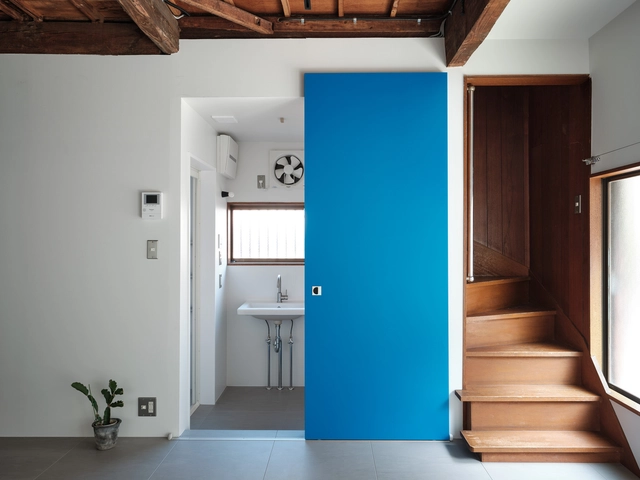
Doors are among the most frequently used architectural elements in any occupied building, serving as movable thresholds that negotiate between private and public spaces. They facilitate both connection and separation among co-inhabitants. Yet, despite their fundamental role, doors are often one of the most overlooked design elements, particularly by clients. In discussions with industry professionals on various interior projects, a common consensus emerges—clients typically pay little attention to door types and details as long as the opening direction aligns with their expectations. However, the world of door design is an intricate one, offering a wealth of possibilities in finishes, installation methods, and modes of operation—each of which can significantly shape the spatial experience beyond the simple matter of swing direction.

The choice of door type and detailing can define or redefine a space entirely. Some doors offer superior sound insulation, while others remain open to connect spaces, enhancing spatial fluidity seamlessly. Certain designs require meticulous installation and ongoing maintenance, while others are virtually hassle-free. Moreover, the type of door selected, particularly that of the hinge, influences not only wall construction but also flooring layers and transitions, adding further complexity to the design process.


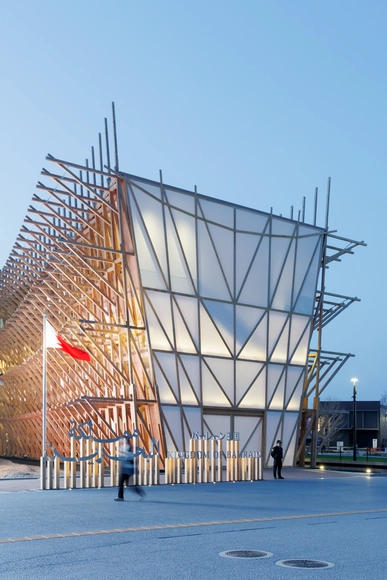
The Overlooked Art of Door Design: An Introductory Guide to Interior Door Types - Image 1 of 4The Overlooked Art of Door Design: An Introductory Guide to Interior Door Types - Image 2 of 4The Overlooked Art of Door Design: An Introductory Guide to Interior Door Types - Image 3 of 4The Overlooked Art of Door Design: An Introductory Guide to Interior Door Types - Image 4 of 4The Overlooked Art of Door Design: An Introductory Guide to Interior Door Types - More Images+ 17

Osaka Architecture City Guide: 23 Projects Showcasing Japan’s Design Legacy and Innovation

Subscriber Access | 

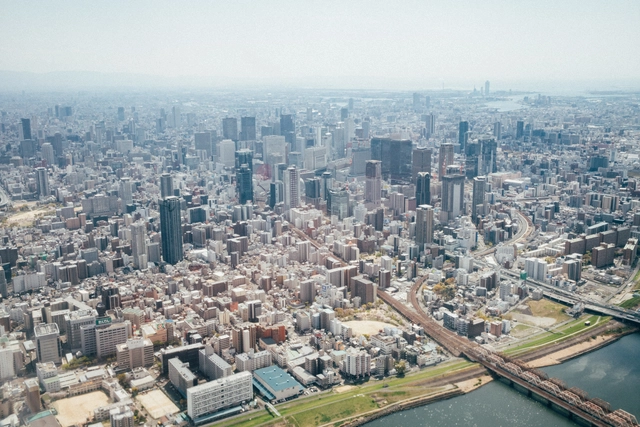
Osaka, Japan's third-largest city, is a vibrant blend of tradition and modernity, making it a compelling destination for architecture enthusiasts. Known historically as the "nation's kitchen" for its role as a mercantile hub, Osaka is also a city of cultural and architectural diversity. Its landmarks range from the historic Osaka Castle to striking contemporary developments, each reflecting Japan's evolving urban identity.
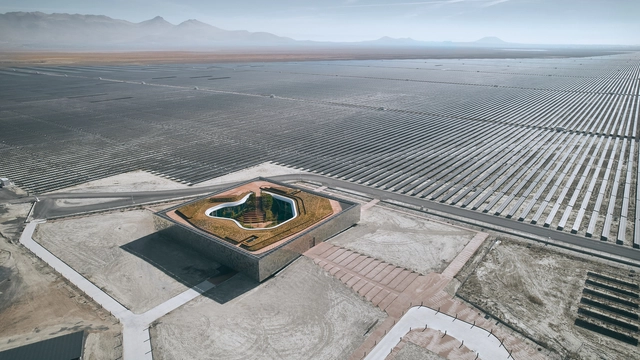

As the host city for the highly anticipated Expo 2025, Osaka is poised to showcase its architectural prowess on a global stage. The city's skyline features innovative works by renowned architects and urban planners, including cutting-edge cultural centers, transportation hubs, and waterfront redevelopments. With contributions from celebrated Japanese architects such as Tadao Ando, Kengo Kuma & Associates, and Takenaka Corporation, alongside international figures like Dominique Perrault, Renzo Piano Building Workshop, and Pelli Clarke & Partners, Osaka seamlessly blends modernity with tradition, creating a unique architectural identity that reflects its past while looking boldly to the future.

Osaka Architecture City Guide: 23 Projects Showcasing Japan’s Design Legacy and Innovation - Image 1 of 4Osaka Architecture City Guide: 23 Projects Showcasing Japan’s Design Legacy and Innovation - Image 2 of 4Osaka Architecture City Guide: 23 Projects Showcasing Japan’s Design Legacy and Innovation - Image 3 of 4Osaka Architecture City Guide: 23 Projects Showcasing Japan’s Design Legacy and Innovation - Image 4 of 4Osaka Architecture City Guide: 23 Projects Showcasing Japan’s Design Legacy and Innovation - More Images+ 19

2025 Venice Architecture Biennale: Over 750 Participants Researching How Architecture Adapts to the Future

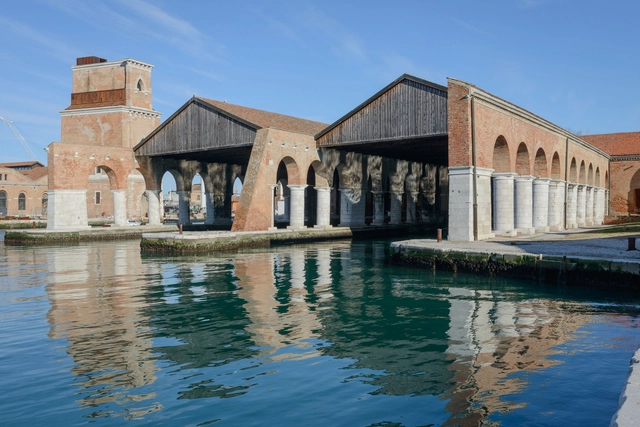
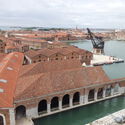
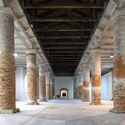
During a live presentation for the 19th International Architecture Exhibition, curator Carlo Ratti offered a glimpse into the programming of this year's edition. The 2025 Venice Architecture Biennale will include 66 National Pavilions, with 4 countries represented for the first time: the Republic of Azerbaijan, Sultanate of Oman, Qatar, and Togo. The exhibition, divided between the Giardini (26), at the Arsenale (22) and in the city center of Venice (15), explores the theme of "Intelligens. Natural. Artificial. Collective", gathering over 750 participants, including individuals and organizations forming interdisciplinary and multigenerational teams. According to the numbers released, this year's edition is shaping up to become the largest Architecture Biennale held in Venice.

2025 Venice Architecture Biennale: Over 750 Participants Researching How Architecture Adapts to the Future - Image 1 of 42025 Venice Architecture Biennale: Over 750 Participants Researching How Architecture Adapts to the Future - Image 3 of 42025 Venice Architecture Biennale: Over 750 Participants Researching How Architecture Adapts to the Future - Image 5 of 42025 Venice Architecture Biennale: Over 750 Participants Researching How Architecture Adapts to the Future - Image 6 of 42025 Venice Architecture Biennale: Over 750 Participants Researching How Architecture Adapts to the Future - More Images+ 10

From Modernism to Multiculturalism: The Historical Evolution of Student Housing

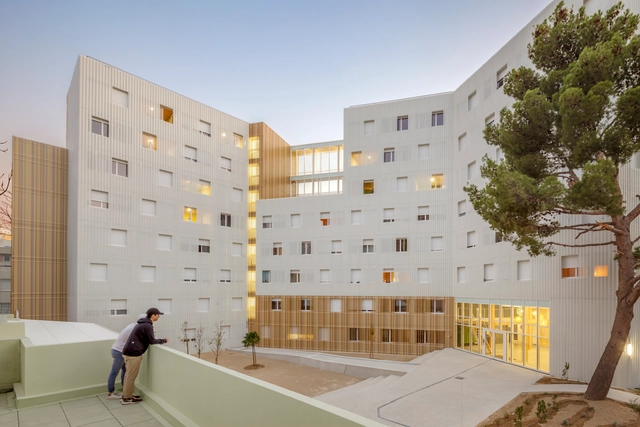
Student housing has undergone a remarkable transformation over the last century. Once seen as a utilitarian necessity, providing shelter and basic amenities for students, this architectural typology has evolved to address increasingly complex societal, cultural, and urban demands. Starting with Le Corbusier's modernist approach at the Cité Universitaire in Paris, student housing has reflected broader trends in architecture, urbanism, and social change.

Today, these buildings must cater to a highly diverse and transient population, navigating the pressures of affordability, density, and the evolving living standards of young adults. With rapid urbanization and increasing student mobility, universities now face the challenge of designing housing that is not only functional but also adaptable to different cultural and social contexts. This has led to more flexible, innovative solutions that promote both privacy and community living.

From Modernism to Multiculturalism: The Historical Evolution of Student Housing - Image 1 of 4From Modernism to Multiculturalism: The Historical Evolution of Student Housing - Image 2 of 4From Modernism to Multiculturalism: The Historical Evolution of Student Housing - Image 3 of 4From Modernism to Multiculturalism: The Historical Evolution of Student Housing - Image 4 of 4From Modernism to Multiculturalism: The Historical Evolution of Student Housing - More Images+ 55

World Architecture Festival 2024: Day Two Winners Announced

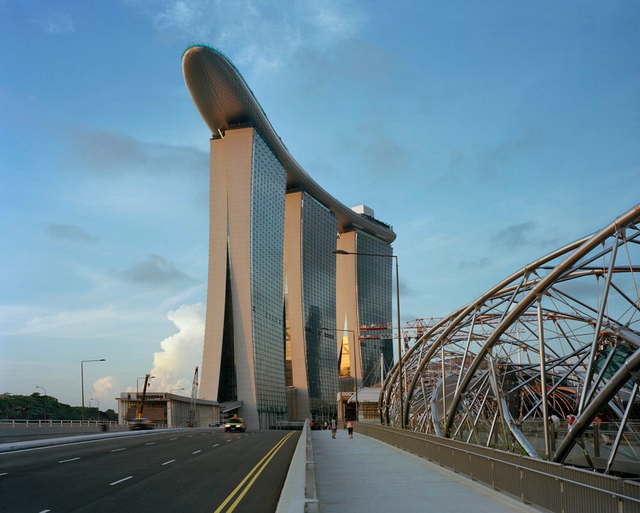
The second round of award winners of the 2024 World Architecture Festival have been announced, following Day Two of live presentations at Marina Bay Sands in Singapore, in which hundreds of shortlisted projects were presented by practices from around the world. Amongst today's category award winners in the Completed Buildings section of the world's largest international live-judged architectural event are Warren and Mahoney, CONTEXTO, and fitzpatrick+partners.

Australia led the way with seven projects announced as winners and highly commended across the categories. The United Kingdom secured four wins and highly commended projects, following Australia.

World Architecture Festival 2024: Day One Winners Announced

The first award winners of the 2024 World Architecture Festival have been announced, following Day One of live presentations at Marina Bay Sands in Singapore, in which hundreds of shortlisted projects were presented by practices from around the world. Amongst today's category award winners in the Completed Buildings section of the world's largest international live-judged architectural event are 5468796 Architecture, Renzo Piano Building Workshop, and Wallflower Architecture + Design.

Japan Pavilion at Expo 2025 Osaka, Designed by Nikken Sekkei, Showcases the Cycles of Life

The Japan Pavilion at Expo 2025 in Osaka, designed by Nikken Sekkei Ltd, centers on the theme "Between Lives," emphasizing cycles of transformation that shape life across plants, animals, and societies. It illustrates how, as entities approach the end of their roles, they transition into new forms, passing on elements of their existence. The Pavilion reflects this continuous cycle, demonstrating how the world operates through countless interconnected loops.

Japan Pavilion at Expo 2025 Osaka, Designed by Nikken Sekkei, Showcases the Cycles of Life - Image 1 of 4Japan Pavilion at Expo 2025 Osaka, Designed by Nikken Sekkei, Showcases the Cycles of Life - Image 2 of 4Japan Pavilion at Expo 2025 Osaka, Designed by Nikken Sekkei, Showcases the Cycles of Life - Image 3 of 4Japan Pavilion at Expo 2025 Osaka, Designed by Nikken Sekkei, Showcases the Cycles of Life - Image 4 of 4Japan Pavilion at Expo 2025 Osaka, Designed by Nikken Sekkei, Showcases the Cycles of Life - More Images+ 8

World Architecture Festival's Inside 2024 Shortlist Celebrates Stunning Interior Designs from Around the World

Subscriber Access | 

Inside is the sister festival of the World Architecture Festival (WAF), the world's biggest live architectural awards programme, celebrating the very best in interior design. Both Inside and WAF finalists will present their projects to a panel of judges live at the international festival in Singapore.

The 2024 Inside Shortlist represents over 80 interior projects from across the globe, in cities including: New York City, Dubai, Beijing, Osaka, São Paolo, Phuket, Delhi, Auckland, Mexico City, Lisbon, and London. Leading design firms to feature in this year's shortlist include Foster + Partners, Broadway Malyan, Nikken Sekkei and Office AIO. Many emerging design firms will also be on stage, live pitching against the big names.

World Architecture Festival's Inside 2024 Shortlist Celebrates Stunning Interior Designs from Around the World - Image 1 of 4World Architecture Festival's Inside 2024 Shortlist Celebrates Stunning Interior Designs from Around the World - Image 2 of 4World Architecture Festival's Inside 2024 Shortlist Celebrates Stunning Interior Designs from Around the World - Image 3 of 4World Architecture Festival's Inside 2024 Shortlist Celebrates Stunning Interior Designs from Around the World - Image 4 of 4World Architecture Festival's Inside 2024 Shortlist Celebrates Stunning Interior Designs from Around the World - More Images+ 2

Short List Revealed for World Architecture Festival Awards 2024

The 17th edition of World Architecture Festival (WAF) will take place at Marina Bay Sands in Singapore from the 6-8th November 2024. In addition to the unique live-judged awards programme and crit presentations, this year's event will include fringe events, an exhibition, and keynote talks from an international panel of speakers.

This week, the festival announced their short list of most innovative projects from around the globe, celebrating the best new completed buildings and landscapes as well as the most inspiring future architectural concepts, across 33 categories, ranging from residential, to transport, to retrofit. This year's finalists range from major world architects including Zaha Hadid Architects, WOHA, Renzo Piano Building Workshop, MVRDV, Tadao Ando Architect & Associates, Kohn Pederson Fox, and Nikken Sekkei, with many emerging practices also on stage competing against the big names.

Short List Revealed for World Architecture Festival Awards 2024 - Image 1 of 4Short List Revealed for World Architecture Festival Awards 2024 - Image 2 of 4Short List Revealed for World Architecture Festival Awards 2024 - Image 3 of 4Short List Revealed for World Architecture Festival Awards 2024 - Image 4 of 4Short List Revealed for World Architecture Festival Awards 2024 - More Images+ 28

UNESCO World Capital of Architecture 2026: Barcelona and the Capacity of Architecture to Transform Reality

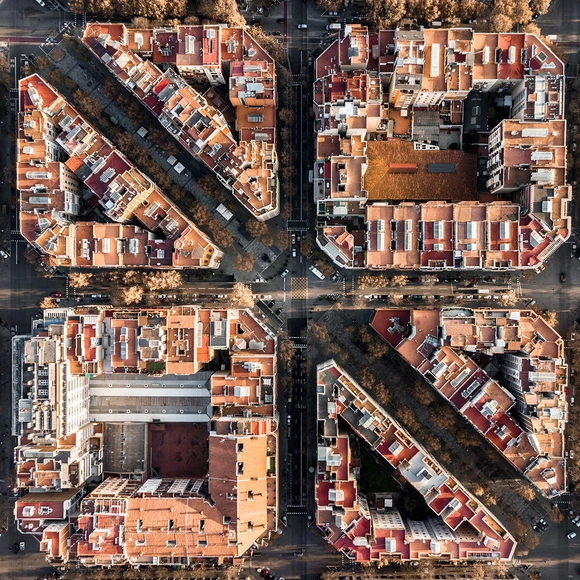
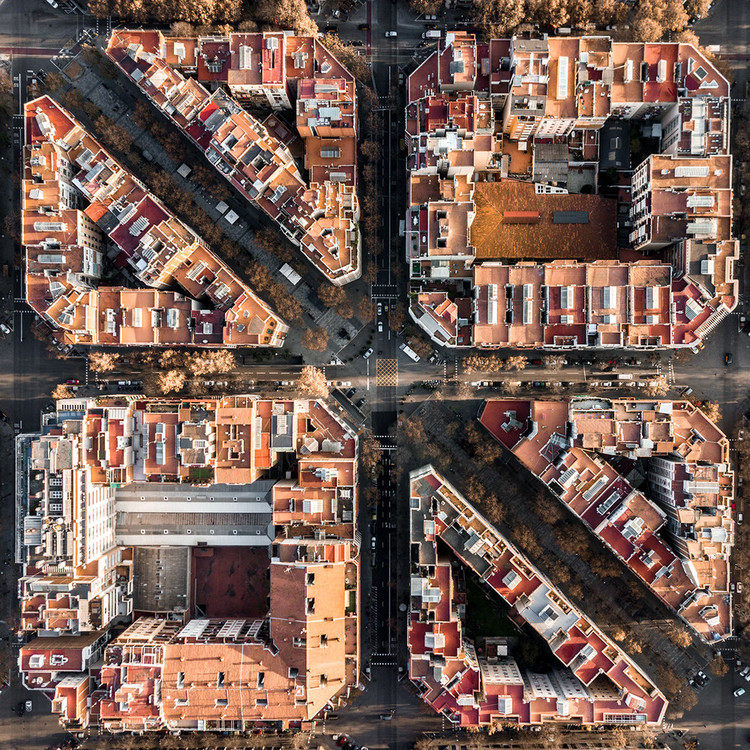
Joining Copenhagen and Rio de Janeiro, Barcelona has been named the UIA's 2026 World Capital of Architecture by UNESCO. This title recognizes the city's commitment to promoting the values of architecture, urban planning, and sustainability. Outshining Beijing as the other contender for the 2026 title, Barcelona won the bid with its proposal titled "One today, one tomorrow," with a plan to host a series of transformative events across all its districts and become a research laboratory analyzing the capacity of architecture to transform reality over time.

UNESCO World Capital of Architecture 2026: Barcelona and the Capacity of Architecture to Transform Reality  - Image 1 of 4UNESCO World Capital of Architecture 2026: Barcelona and the Capacity of Architecture to Transform Reality  - Image 2 of 4UNESCO World Capital of Architecture 2026: Barcelona and the Capacity of Architecture to Transform Reality  - Image 3 of 4UNESCO World Capital of Architecture 2026: Barcelona and the Capacity of Architecture to Transform Reality  - Image 4 of 4UNESCO World Capital of Architecture 2026: Barcelona and the Capacity of Architecture to Transform Reality  - More Images+ 2

Lina Ghotmeh Completes the Pavilion of the Kingdom of Bahrain for Expo Osaka 2025

Lebanese French architect Lina Ghotmeh, leading the Paris-based studio Lina Ghotmeh – Architecture, has revealed the first photographs of the National Pavilion of the Kingdom of Bahrain for the Expo Osaka 2025. The design draws inspiration from the traditional Bahraini dhow boats, employing the country's historical boat-building technologies to showcase Bahrain's craftsmanship and manufacturing heritage. The pavilion is also a nod to the hosts of the World Expo, drawing parallels with Japanese wood artistry. Commissioned and organized by the Bahrain Authority for Culture and Antiquities, this marks the country's fourth contribution to the World Expo. The pavilion is located in the "Empowering Lives" zone, spanning 995 square meters and inviting visitors to engage through a sensory exhibition experience.

Lina Ghotmeh Completes the Pavilion of the Kingdom of Bahrain for Expo Osaka 2025 - Image 1 of 4Lina Ghotmeh Completes the Pavilion of the Kingdom of Bahrain for Expo Osaka 2025 - Image 2 of 4Lina Ghotmeh Completes the Pavilion of the Kingdom of Bahrain for Expo Osaka 2025 - Image 3 of 4Lina Ghotmeh Completes the Pavilion of the Kingdom of Bahrain for Expo Osaka 2025 - Image 4 of 4Lina Ghotmeh Completes the Pavilion of the Kingdom of Bahrain for Expo Osaka 2025 - More Images+ 24

"Intelligens. Natural. Artificial. Collective": Carlo Ratti Announces Theme and Title for 2025 Venice Architecture Biennale

Carlo Ratti, the curator of the 19th International Architecture Exhibition - La Biennale di Venezia, along with The President of La Biennale di Venezia, Pietrangelo Buttafuocco, have just revealed highly anticipated details for the upcoming edition. Titled "Intelligens," the exhibition will be running from May 24th to November 23rd, 2025 in Giardini, the Arsenale, and various landmark locations throughout Venice.

"Intelligens. Natural. Artificial. Collective": Carlo Ratti Announces Theme and Title for 2025 Venice Architecture Biennale  - Image 1 of 4"Intelligens. Natural. Artificial. Collective": Carlo Ratti Announces Theme and Title for 2025 Venice Architecture Biennale  - Image 2 of 4"Intelligens. Natural. Artificial. Collective": Carlo Ratti Announces Theme and Title for 2025 Venice Architecture Biennale  - Featured Image"Intelligens. Natural. Artificial. Collective": Carlo Ratti Announces Theme and Title for 2025 Venice Architecture Biennale  - Image 3 of 4Intelligens. Natural. Artificial. Collective: Carlo Ratti Announces Theme and Title for 2025 Venice Architecture Biennale  - More Images+ 7

World Architecture Festival 2024: Meet the Judges and Win Free Entry

Subscriber Access | 

The World Architecture Festival (WAF) is thrilled to announce the first distinguished members of its 2024 judging panel. This esteemed group comprises some of the world's most respected architects, designers, and industry leaders.

The 17th edition of WAF is welcoming submissions from architects and designers worldwide until 19th April 2024. The festival will take place at Marina Bay Sands in Singapore from the 6-8th November 2024. In addition to the unique live-judged awards programme and crit presentations, this year's event will include fringe events, an exhibition and keynote talks from an international panel of speakers.

ArchDaily's 2024 Best New Practices

Architecture is about giving form to the places where people live. It is no easier, and no more complicated, than that. There are three key words here: "form," "place," and "life." As soon as one reflects on these terms, one immediately comprehends that these things are not all that easy. - Alejandro Aravena

With this phrase in the foreword to ArchDaily's Guide to Architecture, Alejandro Aravena reflects on the underlying complexity of architecture. Something that is essential to our life, but that with the ever growing complexities of our world, becomes a challenging task.

That is why for the 4th consecutive year we embark on a global survey, evaluating the work, ethos and mission behind innovative practices from all over the world. They represent the diversity that is reshaping our field, working across the spectrum between the essence of architecture and its blurry boundaries, ranging from studios to activists, startups and other forms of production, research, and thinking.

These 20 practices, half led by women or as a mix, coming from Europe, South America, North America, Asia and the Middle East, represent the diversity among those who are setting an example of the direction architecture should be heading. At the center of their mission there is a clear forward looking agenda that shapes their work, that reveal a practical consciousness towards the challenges of our world.

Meet ArchDaily's 2024 Best New Practices:

ArchDaily Selects the Best New Practices of 2023

Subscriber Access | 

25 practices, sole practitioners, and startups from 5 continents and 18 countries have been chosen as part of the 2023 New Practices, the latest edition of the global annual survey by ArchDaily. Ongoing since 2020, the review detects and showcases those who are taking architecture in its new direction under unstable times and demanding challenges.

ArchDaily's New Practices has invited not only designers to apply but those practicing within the broadest definition of architecture and its exercise to share their innovative, fresh, and forward-thinking mission with us. As a result, the 2023 edition features designers, landscape architects, researchers, curators, activists, writers, and three ground-breaking startups—the modular construction U-Build, Urban Beta with their Beta Port building system, and the "Google Doc of Space Design" Rayon—thus joining previously highlighted firms: AEC-industry-oriented management software Monograph, energy transition startup Baupal, online design platform and marketplace CANOA, and 3D-printed housing company ICON.

ArchDaily Selects the Best New Practices of 2021

As our world evolves at an unprecedented pace, the challenges that come with it are becoming more and more complex. The questions faced by the cities and networks of our global world, the physical and virtual environments where our evolution takes place, are making architecture more relevant than ever. 

The issues of the built environment are no longer exclusive to the incumbents who build and design it and have become transversal questions in our society. From the citizens who question the quality of their public spaces to the self-trained builder erecting a tiny house in the woods, to the homeowners using an app to codesign their interiors during lockdown, we want to have a saying and we want to take action. Why does architecture have to be so uncertain, so distant? 

Embodied Energy in Building Materials: What it is and How to Calculate It

All human activities affect the environment. Some are less impactful, some much, much more. According to the United Nations Environment Program (UNEP), the construction sector is responsible for up to 30% of all greenhouse gas emissions. Activities such as mining, processing, transportation, industrial operations, and the combination of chemical products result in the release of gases such as CO2, CH4, N2O, O3, halocarbons, and water vapor. When these gases are released into the atmosphere, they absorb a portion of the sun's rays and redistribute them in the form of radiation in the atmosphere, warming our planet. With a rampant amount of gas released daily, this layer thickens, which causes solar radiation to enter and and stay in the planet. Today, this 'layer' has become so thick that mankind is beginning to experience severe consequence, such as desertification, ice melting, water scarcity, and the intensification of storms, hurricanes, and floods, which has modified ecosystems and reduced biodiversity.

As architects, one of our biggest concerns should be the reduction of carbon emissions from the buildings we construct. Being able to measure, quantify, and rate this quality is a good way to start.

ArchDaily Selects the Best Young Practices of 2020

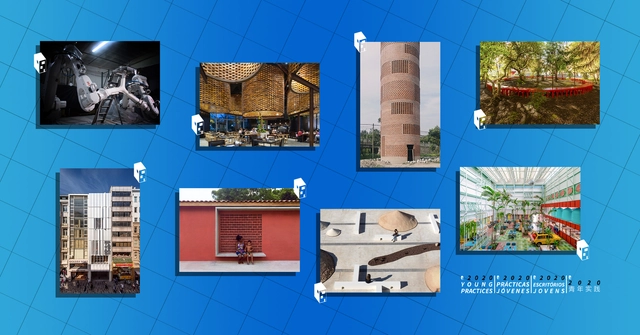
ArchDaily is proud to announce the 2020 Young Practices selection. This premier edition highlights emerging offices that are providing innovative approaches, proposals, and solutions to some of the main challenges Humankind is facing right now. From climate crisis to racial and gender issues. From technological disruption to social cohesion. These challenges are shaping the evolution of architecture, leading the discipline towards a new society and a new economy.

Chosen from over 350 submissions from 72 countries and 215 cities, all over the world, the selected firms reflect the sequential changes architecture has been navigating through over the last twenty years, with the rise and latter consolidation of new technologies, tools, formats, topics, scales, and interdisciplinary approaches.